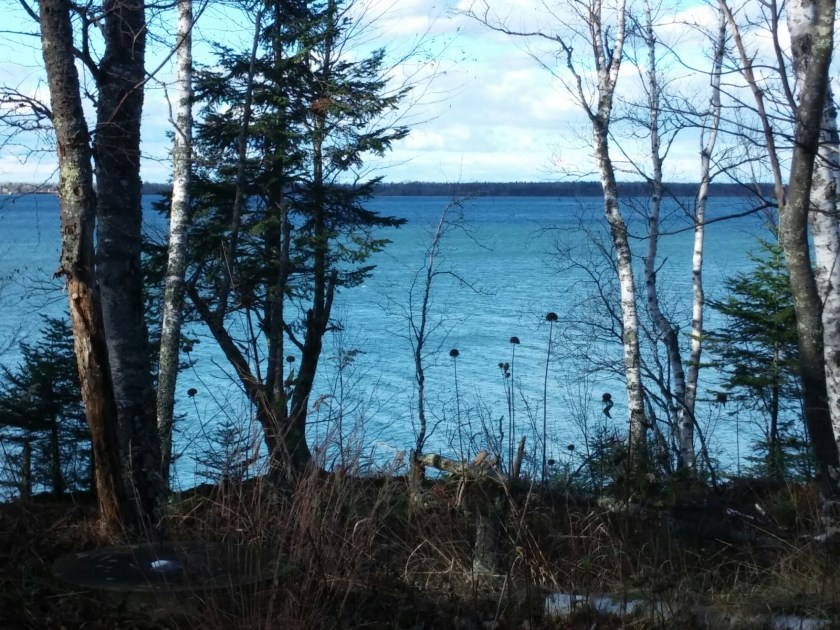
Minneapolis is a city of lakes. “Walking the lake” is a big deal for most of us, and the lakes are magnets for people from all over the Twin Cities metro area and state. I am impressed with this educational campaign taking place along the walking paths of the Minneapolis lakes.
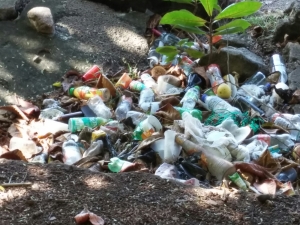
Is this how lakes should look? We all need to do better.
It looks like a thirsty future for the world. The Pacific Standard Magazine has just publish a map of the world’s troubled waters and some of the politics around water. More things you can do to protect our water bodies here.
This morning I was walking a bridge crossing the Big Blue River in Nebraska. Never have I seen a river so full of sediment! The name “Big Blue” was full of irony for me. I know many of the local water sources in this area of Nebraska are poisoned with nitrates, and children should not be drinking this water. Farming areas of Iowa and Minnesota are having the same water pollution problem. The major source of nitrates are fertilizers on farm fields, and farmers are not regulated by the Clean Water Act. We are all guilty of dirty water and can do much better at protecting our waters. The run-off from our houses, driveways and roads are major contributors to our polluted lakes rivers and streams. Farmers need to better, but so do all of us!
10 actions you can take to improve lakes, rivers and streams from Hennepin County.
When it rains, the storm water that runs off driveways, lawns, houses and parking lots can carry pollutants like oil, paint and chemicals down storm sewers and into nearby lakes, streams and rivers. By taking the following easy, no-cost or low-cost steps, you can have a big impact on reducing runoff and protecting our water resources and wildlife habitat. Hennepin County
1. Use your runoff
You can keep water in your yard and reduce runoff by directing downspouts onto your lawn or garden or into a rain barrel. Rainwater is free and naturally “soft,” so it is ideal to use in watering your lawn or garden.
2. Don’t rake grass clippings and leaves into the street
Leave them on your lawn, use them for compost, or bag them up. Grass clippings and leaves left in the street end up in the storm sewer, where they are carried to nearby lakes and streams. Clippings and leaves contain phosphorus and other nutrients that feed algae and other aquatic plants. This can cause excess algae growth that can negatively impact other plants and wildlife and can be unsafe for pets.
3. Scoop the poop
Grab a bag when you grab the leash and pick up after your pets. Pet waste left on the ground can be washed into lakes and rivers with rainwater and runoff. Pet waste contains bacteria that can cause illness in humans and animals.
4. Use chemicals wisely
Read and follow the label instructions when using herbicides and pesticides. Use the minimum amount needed to control the problem. If you can, consider using alternative or natural remedies to control weeds and pests, or remove the problem by hand.
5. Fertilize smart
Sweep up any fertilizer that spills onto hard surfaces. Excess fertilizer washes away into nearby lakes or streams where it can feed algae, causing rapid growth known as algae blooms. Algae blooms stress fish and wildlife and make swimming and fishing unpleasant or impossible.
6. Keep a healthy lawn
A healthy, vigorous lawn needs less watering, fewer chemicals and less maintenance. Aerate your lawn periodically to loosen the soil. Seed bare patches to prevent erosion and soil loss. Mow at a higher setting. Grass mowed to a height of 2 ½ to 3 inches develops deeper, healthier roots and has a competitive advantage over weeds.
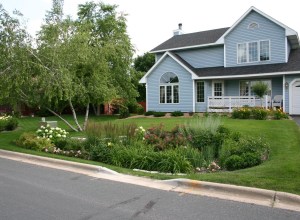
7. Plant a rain garden
Rain gardens are depressions planted with a diverse mix of native wildflowers and grasses
Rain gardens collect water run-off
designed to collect rainwater and allow it to soak into the soil. This will reduce the water running off your property into storm sewers.
8. Replace turf with native plants
Swap some of your high-maintenance lawn for low-maintenance native ground cover, plants or grasses. Many native plants develop deeper root structures than turf grass, which reduces runoff by allowing for better water infiltration.
Deep-rooted plants absorb more water than turf grass
9. Reduce your footprint
Replace some pavement – such as a walk, patio or driveway – with pavers or pervious pavement. The porous surface will allow water to seep through.
10. Adopt a storm drain
Keep neighborhood storm drains free of leaves, seeds and grass clippings. Storm drains are directly connected to nearby water bodies. Water running into storm drains can carry with it anything dumped nearby including leaves, grass clippings, soil, oil, paint and chemicals. Keeping storm drains clear will protect the water quality of nearby lakes, streams and rivers.
***If you own property on a lake, pond, river or stream you should install a tree and plant buffer strip to keep pollutants from running into the water.
How can you help our pollinators? Our pollinators are struggling to survive. There are things we can do in our yards to help pollinators. The mono-culture of perfect green turf grass lawns does nothing to help our struggling pollinators.
Blue Salvia are loved by bees. (not native)
I have been on a road trip from Minnesota, through Iowa, Missouri, Kansas, Nebraska, and South Dakota, and have been amazed at the manicured thick turf grass that dominates in parks and lawns. Turf grass has no value for pollinators, and when fertilized adds unhealthy chemicals harmful to pollinators, humans, pets, wildlife and our water bodies. Adding a diversity of fresh new plants and removing some lawn can make a big difference for our pollinators.
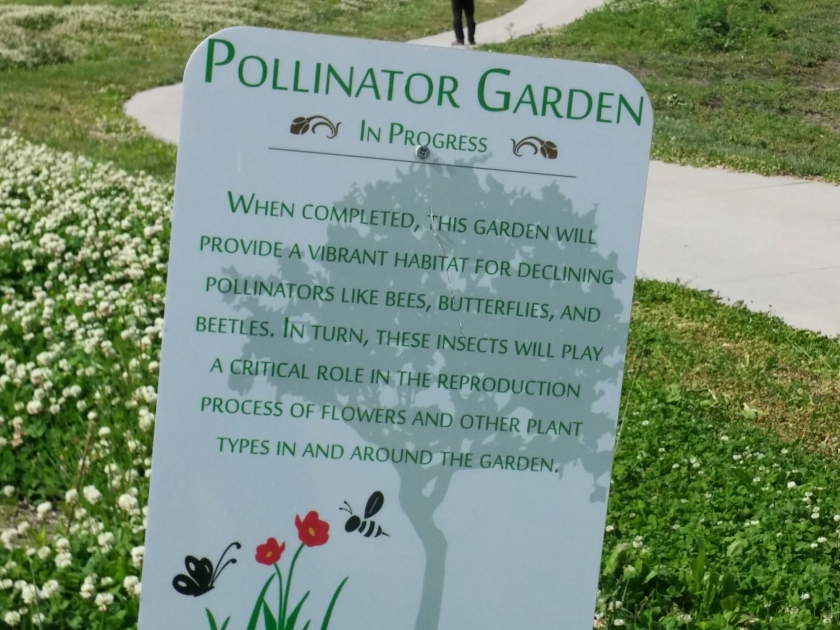
Walking a trail in Lincoln, Nebraska I was thrilled at their efforts to help our pollinators. They are allowing clover and native plants to grow. I even saw a few milkweed popping up.
Just a few changes can make a big difference for pollinators.(bees, butterflies, and birds)
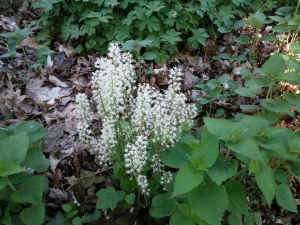
Spring is a fabulous time to add new plants to your yard. A wide diversity of plants helps
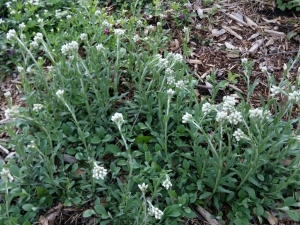
Foam flower is an early blooming plant
our pollinators. Native plants don’t need chemicals so they are the healthiest for you, children, pets, and the pollinators. More garden diversity, and less chemicals creates a win-win for our earth and us all!
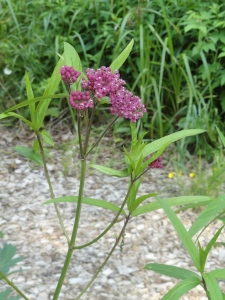
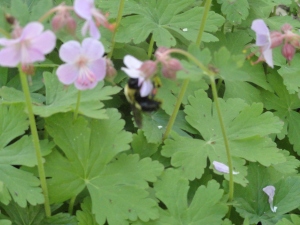
Always consider how to add more milkweed. Swamp milkweed has been the most successful for me.Wild geranium, easy to grow, is loved by bees and butterflies and is early blooming
This is the best 30 day challenge ever! Spend 30 minutes outside everyday for 30 days.
“Want to feel healthier, happier and more peaceful? Add a daily dose of nature to your routine.
Most of us spend too much time in front of screens and too little time outdoors. It’s time to fall (back) in love with nature!
This May, the David Suzuki Foundation is challenging you and people around the world to join the 30×30 Challenge by spending 30 minutes a day in nature for 30 days. Our goal is simple: to reconnect human beings with nature for the sake of their health and mental well-being.” David Suzuki
• Challenge yourself to focus on the first of the 3 R’s and REDUCE your consumption • To better visualize your efforts, use a glass jar or bowl to collect your waste for the day • Use cloth produce bags for buying in bulk • Visit a local farmer’s market for fresh produce, meats and cheeses. • Bring lunch in a glass container or jar. • Carry washable utensils and a cloth napkin in your lunch bag or purse. • Take this day to de-junk your mailbox by removing yourself from mailing lists of unwanted promotions and catalogs. Earth 911
This is a good list, but to be really zero waste you need to compost food
An important thing you could do for the earth this week is recycle those plastic bags and plastic wrap, but DO NOT place them in your regular recycling! They need to be recycled at the stores that issued them.
Landfills are full of plastic bags. The best thing is not to take a plastic bag at all, but sometimes they are hard to avoid. Most groceries and big box stores now have places to recycle bags. Ask if you don’t see plastic bag recycling.
The first Earth Day on April 22, 1970, was a day set aside to think about creating lifestyles to reduce waste and destruction of our environment.
One of the main messages many of us heard that day was that human life can continue on Earth only if people cooperate with nature. Strides have been made over the past 46 years in cleaning up many rivers and lakes, recycling, protecting natural ecosystems, becoming more aware of hazardous materials, and the list goes on. But we have a long way to go if we are to live in a sustainable way in harmony with nature.
There are things to do and things not to do when it comes to being a good steward of our planet, but one of the best may be to take pleasure in the true beauty of the Earth’s ecosystems and its creatures. Too, take time to learn about some of the plants and animals that share the Earth with us. It’s just about impossible to destroy something you understand and love.
Throughout the year, and especially April 22, with the wonders of spring all around us, we should make a point to get out and observe. Every forest, wetland and prairie remnant is full of spring signs — evidence that our Earth is designed as a place for life, no matter what foolish acts people may commit. Jim Gilbert http://www.startribune.com/appreciating-earth-s-beauty-is-one-way-to-steward/376565231/
This is an argument against Jeff Bridges video. Fish, birds, other wildlife, our oceans and all of us are being harmed by plastic. The below argument is very weak:
“Those who contemplate the beauty of the earth find resources of strength that will endure as long as life lasts” — Rachel Carson
This land is your land, this land is my land! In honor of Earth Day this Friday, April 22, make a resolution to do one thing new for our earth. Pledge to use your reusable water bottle, use reusable shopping bags, turn off lights and electronics, plant native plants and milkweed, and walk more and drive less. It makes a big difference if everyone does just a small part!














 Health4earth