I am at the Minnesota State Fair talking to individuals about rain gardens and native deep-rooted plants. Native plants help absorb pollutants, keep rain water in our yards, save on watering, and are loved by bees, butterflies and birds.
Plant deep-rooted plants for pollinators and clean water.
Have you been caught in a record rain storm and flooding this summer? Chances are that most of us in the United States and Europe have experienced a heavier than normal rainfall. My travel this summer has brought me to see displaced people following storms (nothing like Louisiana or California). I have seen lakes created from heavy rain submerging homes, closed roads and bridges, yards with 20 uprooted trees, and experienced power outages.
What is going on with these storms? July 2016 was the hottest ever recorded since records started in 1880. As the earth warms, some places get dryer, but in other places the atmosphere is able to hold more moisture dumping larger amounts back to earth. Places in Louisiana received 31 inches of rain, unbelievable! I feel sad for everyone displaced from everything they own.
PBS had an interesting conversation about our weather extremes here. Is this all part of climate change?
There are consequences to our warming earth according to meteorologist Paul Douglas, “More moisture in the air, higher dew points and heat indexes, more thousand-year rains, wet basements with greater regularity, and more expensive insurance policies.”
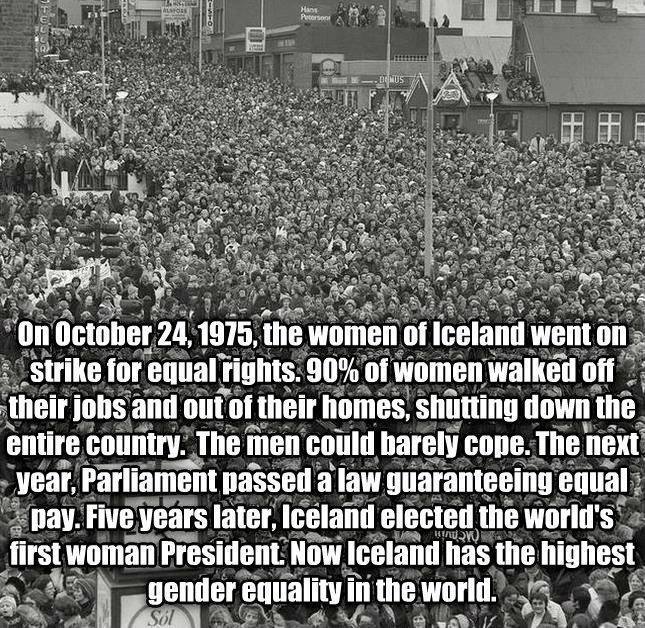
The 2016 theme for International Women’s Day is “Planet 50-50 by 2030: Step It Up for Gender Equality”.
International Women’s Day is a time to reflect on progress made, to call for change and to celebrate acts of courage and determination by ordinary women who have played an extraordinary role in the history of their countries and communities. Women still have high hurdles and a long way to go.
An interesting article below about, Annie Griffiths, a National Geographic photographer: “Early in her career as a globe-trotting photographer for National Geographic, Annie Griffiths witnessed the profound impact of climate change on women and girls in developing countries. They were the ones who went in search of water. They nursed the sick as diseases spread. And when climate disasters hit, it was the women who stayed behind to see their children and parents to safety, often at their own peril.” http://www.startribune.com
Plant your yard with plants the bees, butterflies and birds love
Each of us is so unaware of the damage we are doing to our earth. This week I was at a seminar on pollinators. Minnesota has lost two of its native butterflies, the Dakota Skipper and Poweshiek Skippering. and many more bees and butterflies are declining in numbers. Also, I was surprised so many people don’t know about neonicotinoids. Neonicotinoids are harmful systemic pesticides that weaken pollinators
Round up kills the plants that bees and butterflies need for food and egg laying !
Why is there is so much buzz about bees during the winter? The United Nations announced that we are loosing many of our important pollinators that are vital to the pollination of many important food crops.
What is causing this loss? The major reasons we are loosing species of native butterflies, bees and birds is because of mono-crop planting, habitat loss, and our obsession with pesticides. The combination of these three is making it hard for pollinators to survive.
Even a small yard can make a difference for pollinators. First, add more native plants to your yard, they don’t need chemicals. Plant for different bloom times, diverse flowers, and never purchase a plant treated with neonicotinoids ! Be careful and read directions with any chemicals you use on your yard….Try to go without! Finally, bees and butterflies love blooming dandelions and clover…Let them bloom, then weed them out!
Native plants are needed as host and nectar plants as our native butterflies, bees and birds go about pollinating our food plants as they forage for their own sustenance.
Native plants have deep roots which absorb excess rainfall and prevent water from running directly into our rivers and streams helping to provide clean water for everyone.
Native plants instead of turf lawns help reduce our carbon footprint.
The Oceans Are Rising Faster than they have in 3,000 years
2015 was the warmest year on record, and January 2016 was the warmest recorded. Alaska, Minnesota and Wisconsin have enjoyed a mild winter. The winter warmth has been pleasant, and because this is just weather, it will probably be brutal next year. It is the long-term trends that are troubling. Sadly, the problem lies in our oceans. Eighty to ninety per cent of this heat goes into the oceans. So of course the oceans are rising with the melting glaciers. Also, as the oceans heat they expand taking up more space. With record warm years, no wonder that the oceans are rising at a very fast rate.
Our planet is already in crisis as migrants are leaving Syria, Iraq, Afghanistan and other countries. We haven’t seen anything in compared to the migrant crisis that will be created by the rising oceans. Those living on the ocean coasts and the islands that will be inundated and disappear will need to find new homes .
The Syrian crisis was caused in part by our warming earth, the continued rising of warm oceans will create migrant problems that will be an even greater challenge! Miami, Venice, Bangladesh and London are a few that could disappear. Where will these people forced out of their disappearing cities, farms, and villages go?
Denial of our man-made climate crisis will not continue to work, and everyone needs to take personal responsibility to reduce their carbon footprints. Just committing to turning off lights and to drive less can make a big difference. What is one thing you do?
This week 5 activist judges on the U.S. Supreme Court delayed implementation of President Obama’s Clean Power Plan. A delay that could throw clean air into years of litigation. This also gives China, India and other countries an excuse to delay their own clean-air plans to reduce dangerous carbon emissions.
This past December 195 nations came together in Paris for an incredible historic agreement. They agreed to work together to reduce carbon emissions. A corner-stone of this agreement in the United States was to require states to reduce their carbon emissions by 30 percent by 2030. To accomplish this states need to switch from dirty coal and oil to the renewables of solar and wind, or however the state chooses to get to a 30% reduction. Twenty-seven states are protesting these new rules, and the Supreme Court says these lawsuits need to finalized before the Clean Power Plan is implemented. My rural electric cooperative does not support clean air initiatives because they don’t want to pay for it. This is a lack of vision for the future. I think that switching to renewables will be cheaper for consumers in years to come!
What these climate deniers don’t understand is the cost of doing nothing about air pollution is much more expensive. The oceans will continue to warm and rise, storms intensify, and the clean up and health issues will continue to cost billions of dollars a year. Many lives will be lost because of this lack of vision for the future.
“There is a privacy about winter that no other season gives you. Only in winter can you have longer, quiet stretches when you can savor belonging to yourself.” Ruth Stout
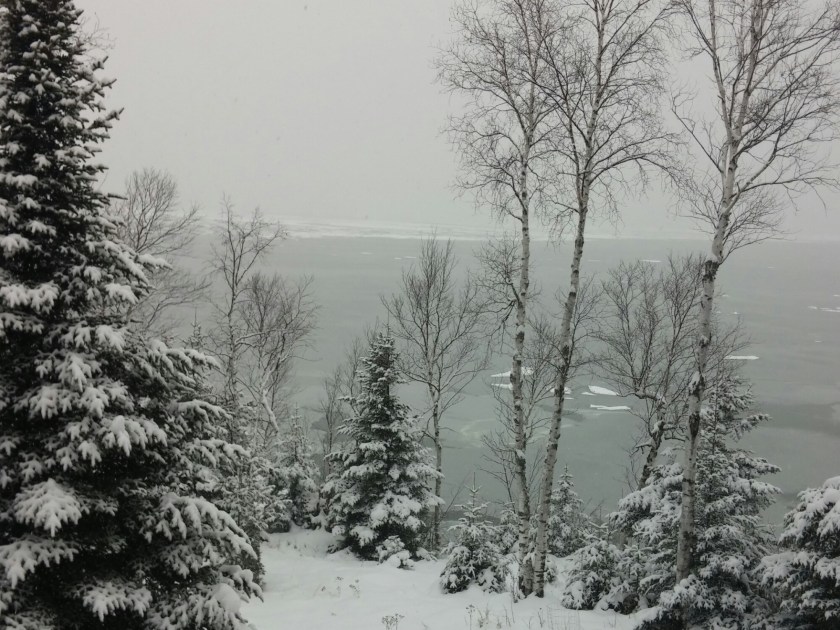
January has been a month of peace, quiet and intense beauty on Lake Superior. Snow frosted balsams radiate a charm that goes unnoticed during other seasons.
A few hours later, open water with a few ice clumps on the big lake.
The face of the lake can change hourly as the lake refreshes itself, and the wind shifts. The lake dramatically changes from ice-covered to a few floating chunks of ice, and then back to ice-covered. Sporting new looks adds to the mystique of this enormous fresh water lake.
Calmer winds allow the balsams to stay snow covered. A few ice chunks on the lake.
Lentil Stew for Meatless Monday (lentils from Montana, carrots and onions grown in Minnesota)
My series on reducing waste continues, #31daysoflesswaste
What is a Climatarian?
A Climatarian diet involves choosing what you eat based on the carbon footprint of the food, and using your power as a consumer to drive down the production of beef and lamb which have the biggest impact on our climate. A climatarian is about eating local food to reduce transportation and reducing food waste.
Lake Superior in winter, Is ice a thing of the past?
Lake Superior a Climate Change Antenna
Over 90% of global warming is in the oceans. A decades long research on 235 lakes shows that, “Lake Superior is one of the more rapidly warming lakes” The big lake is warming even faster than the oceans! My unscientific observation is that it seems like the days the wind off the lake are fewer. But that happens when warmer winds from the west and south dominate! Also part of our warming climate.
So why is it important?
1. Toxic clouds of algae can bloom. And run-off from the land makes this worse!
2. Fish populations are altered, which has been going on for a while!
3. The worst: Invasive species can find a new home!






 Health4earth