Lentil Stew for Meatless Monday (lentils from Montana, carrots and onions grown in Minnesota)
My series on reducing waste continues, #31daysoflesswaste
What is a Climatarian?
A Climatarian diet involves choosing what you eat based on the carbon footprint of the food, and using your power as a consumer to drive down the production of beef and lamb which have the biggest impact on our climate. A climatarian is about eating local food to reduce transportation and reducing food waste.
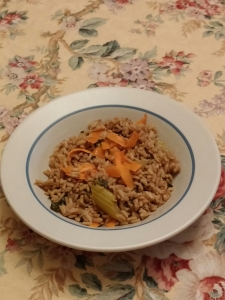
Clean out the Refrigerator Risotto
Food waste is a waste of energy. Growing shipping and packaging of products takes lots of energy. What are your ways to reduce food waste?
I have always been intimidated by risotto, but after my recent trip to Eastern Europe and many delicious meals, I knew I could become good at making risotto.
This is my vegan, Meatless Monday recipe. Serve with fruit, salad and a veggie patty. Top with whatever nuts you might have, the garnish of cheese will make it vegetarian, not vegan.
Clean out the Refrigerator Risotto
– 1 small onion or leftover onion
– 1 cup rice (I use brown, white rice is easier and faster)
– 2 cups of water or more
– 1 clove garlic (optional)
– vegetables or leftovers to use up (I used collard greens , parsley, celery, and carrots)
– 1 tsp. salt
– garnish with nuts (optional)
– oil for browning onions and veggies. I use olive or coconut.
Process:
Stir fry onion in oil until it starts to brown, add vegetables and continue to stir fry for few minutes, next add rice for about 3 minutes and salt. Throw in any other left overs. Next, I add about 1/2 cup of warm water, stirring every few minutes, and adding more warm water as the water is absorbed. When the rice is soft and creamy, it is ready to serve. About 30-35 minutes.
Easier method:
After the rice and vegetables are slightly browned add the 2 cups water and place in an oven dish in the oven @ 350 degrees for 30 minutes.
This is Day 5, of a series of blogs on #31daysofreducingwaste. Today I am posting ideas from the New York Times on ways to reduce carbon waste.
To me these ideas seem easy, and I hope you can find something new you can do to reduce carbon waste and pollution.
Below is from the New York Times
What You Can Do About Climate Change
By JOSH KATZ and JENNIFER DANIEL DEC. 2, 2015
Simple Guidelines for Thinking About Carbon Emissions
Global climate: it’s complicated. Any long-term solution will require profound changes in how we generate energy. At the same time, there are everyday things that you can do to reduce your personal contribution to a warming planet. Here are some simple guidelines on how your choices today affect the climate tomorrow, and reduce carbon waste
1.You’re better off eating vegetables from Argentina than red meat from a local farm.
Eating local is lovely, but most carbon emissions involving food don’t come from transportation — they come from production, and the production of red meat and dairy is incredibly carbon-intensive.
Emissions from red-meat production come from methane, a potent greenhouse gas. Experts disagree about how methane emissions should be counted in the planet’s emissions tally, but nearly everyone agrees that raising cattle and sheep causes warming that is an order of magnitude more than that from raising alternate protein sources like fish and chicken (the latter of which have the added benefit of creating eggs).
According to researchers at Carnegie Mellon, a typical household that replaces 30 percent of its calories from red meat and dairy with a combination of chicken, fish and eggs will save more carbon than a household that ate entirely local food for a full year.
Yes, eating nothing but locally grown fruits and vegetables would reduce your carbon footprint the most. But for people not ready to make that leap, reducing how much meat you eat matters more than going local.
2.Take the bus.
To give ourselves a good shot at avoiding severe effects such as widespread flooding of coastal cities or collapse of the food supply, scientists have determined there’s only so much carbon dioxide we can safely emit. Divvying up this global carbon fund among the world’s population (and making some assumptions about future emissions) gives you the average amount each person can burn per year over a lifetime — an annual “carbon budget.”
The current per capita emissions for Americans is about 10 times this limit, and given the relative affluence of this country, our emissions will not get down to the average anytime soon. But they can still fall from where they are. Consider this: If you drive to work alone every day, your commuting alone eats up more than your entire carbon budget for the year. Taking the bus — or biking! — would sharply reduce your output.
3.Eat everything in your refrigerator.
Scientists have estimated that up to 40 percent of American food is wasted — which amounts to almost 1,400 calories per person every day. Food waste occupies a significant chunk of our landfills, adding methane to the atmosphere as it decomposes. Even more important, wasted food adds to the amount of food that needs to be produced, which is already a big part of our carbon load.
How can you waste less? For food shopping, plan out meals ahead of time, use a shopping list and avoid impulse buys. At home, freeze food before it spoils. If you find yourself routinely throwing prepared food away, reduce portion sizes.
4.Flying is bad, but driving can be worse.
Remember that annual carbon budget we talked about? One round-trip flight between New York and Los Angeles, and it’s all gone. Fliers can reduce their footprint somewhat by traveling in economy class. First-class seats take up more room, which means more flights for the same number of people. On average, a first-class seat is two and a half times more detrimental to the environment than coach.
But as bad as flying can be, driving can be even worse. A cross-country road trip creates more carbon emissions than a plane seat. And while a hybrid or electric car will save on gas mileage, most electricity in the United States still comes from fossil fuels.
If you really want to mind your carbon emissions, taking a train or a bus is best, especially for shorter trips. Or try that Internet thing: A Skype call or Google Hangout produces very little carbon dioxide.
5.Replace your gas guzzler if you want, but don’t buy a second car.
Before you even start driving that new car to add to your first one, you’ve already burned up three and a half times your annual carbon budget. How? By encouraging the manufacturing of all of those raw materials and metals.
Yet there’s a break-even point at which the carbon savings from driving a new, more efficient car exceeds the carbon cost required to produce it. For example, on average, trading in a 15-mile-per-gallon S.U.V. for a 35-m.p.g. sedan offsets the extra manufacturing costs within two years.
Anything you do to improve mileage will reduce your carbon output. Keeping to the speed limit and driving defensively can improve your mileage by more than 30 percent, according to the Department of Energy. Even something as simple as keeping your tires inflated and having your engine tuned up can give you up to a 7 percent bump in m.p.g. — and an average carbon savings of about what you’d save from eating only local foods all year.
6.Buy less stuff, waste less stuff.
It’s not just car manufacturing that adds to carbon emissions. Other consumer goods can have a huge impact: Making that new MacBook Pro burns the same amount of carbon as driving 1,300 miles from Denver to Cupertino, Calif., to pick it up in person.
At the other end of the product life cycle, reducing waste helps. Each thing you recycle is one fewer thing that has to be produced, and reduces the amount of material that ends up in landfills. But the recycling process consumes energy as well, so — depending on the material — it may not be as helpful as you might think. Recycling a magazine every day for an entire year saves less carbon than is emitted from four days of running your refrigerator.
It’s better not to consume the raw materials in the first place, so you may want to think carefully about whether you’re really going to use something before you buy it.
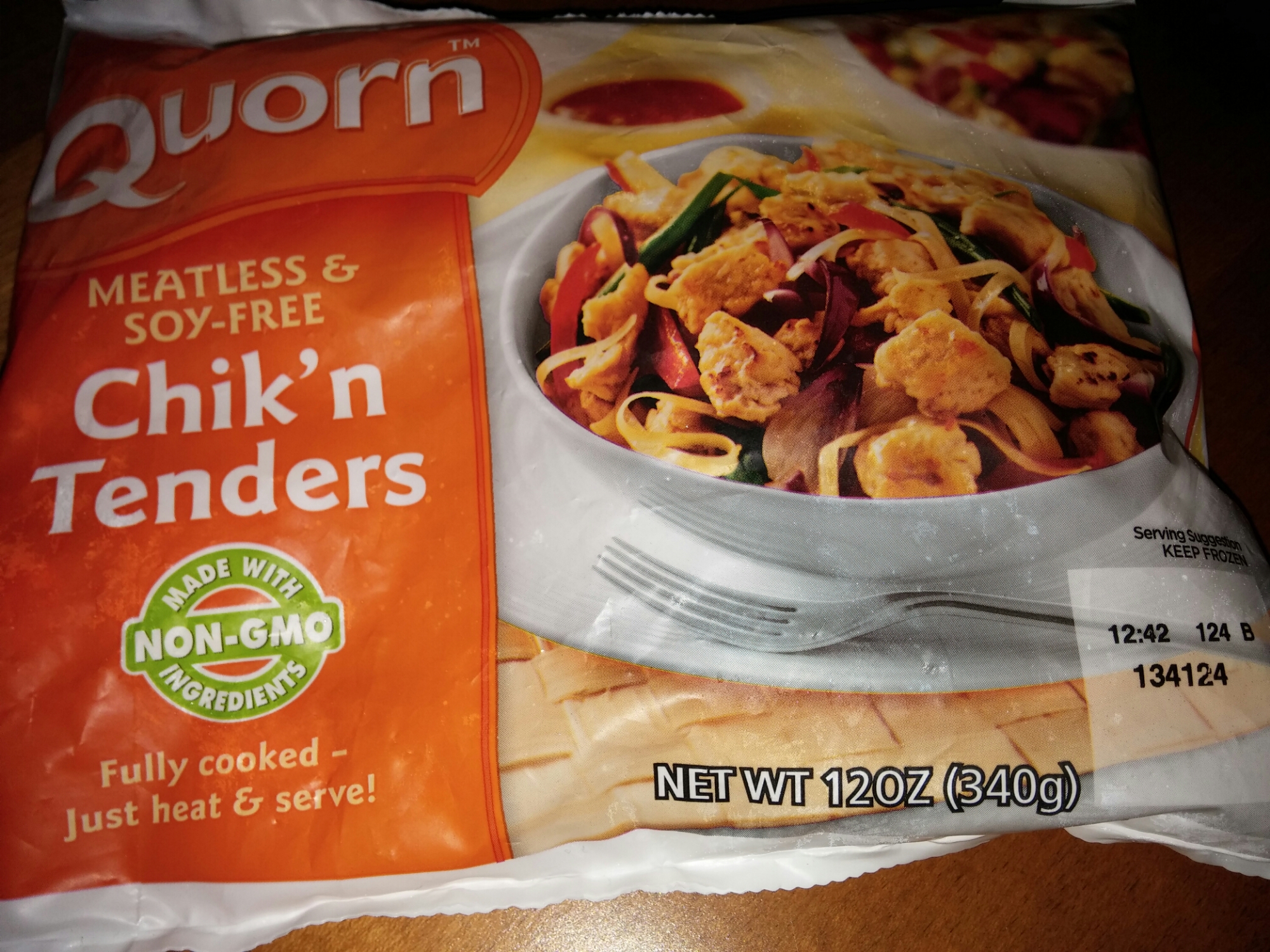
A non-GMO protein source perfect for meatless Monday!
The letter below was in the Minneapolis Star Tribune today. As a person with many food intolerances labeling is important, and I applaud the many that are asking for better transparency. My shortened version of this letter:
To the editor: Whether genetically modified foods are safe or not, is beside the point. Consumers should have all of the information they need to make a decision. That is an aspect of the free market that many sellers tend to forget.
Many people are allergic to peanuts. Should products that contain peanuts as a minor ingredient be labeled with that information? Many people don’t wish to eat certain foods for the variety of health or ethical reasons. If they are opposed to factory farming, should farmers who engage in sustainable practices be prevented from labeling their products?
Sellers want to know all they can about their buyers, but don’t want buyers to know much about them other than their brand name. Melvyn Magree
One more thing I have to add. Organic products do NOT have GMOs
Vegan Lasagna #vegan #GMO free #glutenfree I adapted this from…… http://www.pbs.org/food/recipes/vegetable-lasagna-2/
The ingredients are in italics
Cashew cheese
1 ½ cups cashews Soaked over night or for a few hours covered in water or some food coops and Whole foods have cashew cheese in bulk, just mix in some lemon juice and salt.
1 lemon
½ tsp salt
Food process cashews, lemon juice, and salt, add about ¼ cup water to make it smooth, but still thick. Roasted vegetables
Slice vegetables into 1/8th inch slices, use the vegetables you like and have available I used small sweet potato, 1 zucchini, 2 carrots, red pepper, small amount of sliced onion 2T. olive oil, and 3/4 tsp salt
Bake vegetables, 16 minutes, 400 degrees in a large roasting pan. Let these vegetable sit in your oven until you are ready to assemble. To save energy, I let foods stay in the oven and continue to cook. Assembly of lasagna 1. Place a layer of marinara sauce(without soy or corn syrup) or your favorite tomato mixture in greased glass pan. To keep from getting too runny, don’t use a lot of sauce but add basil and oregano, garlic (dried or fresh)and stevia to taste! 2. Layer the roasted vegetables with the cashew cheese. 3. Garnish with red pepper 4. Bake 20-30 minutes at 350 degrees, allow to sit in oven and continue cooking until ready to serve or allow to sit 10 minutes outside the oven to absorb liquids, and your vegetable lasagna will hold together better for serving. For a nice crunch, top with toasted slivered almonds the last 10 minutes of baking
Serve with a spinach salad, melted cheese toasts, or organic vegan sausage
I have just returned from 3 weeks of eating vegetable soup through Romania, Ukraine and Moldova. Even though I couldn’t always read the menu, I could communicate “legume soup” Most of the soups had potatoes, parsley and green beans. Many had cabbage. I was surprised at the lack of pasta, beans and grains in their soup. Most of the time vegetable soup contained vegetables I loved. Once in a while, chicken or beef would be an ingredient. Many restaurants would also serve a whole hot pepper separate, not like in my below picture. In this recipe I have tried to capture the best of the soups I enjoyed in my travels.
Becky’s Fall Vegetable Soup
Vegetable Soup with a hot pepper
Ingredients
1 onion
¼ small cabbage
12 small banana potatoes
4 carrots cleaned and sliced
2 celery ribs chopped
1 apple chopped or shredded. I used Minnesota organic Fireside apples.
6 cups water
2 vegan bouillon cubes
½ lb of fresh green beans
1 ¼ tsp salt
pepper and fresh parsley to taste
Suggested Directions:
Saute onion 10 minutes, Add cabbage and sauté 5 min, then add carrot, celery, potatoes, apple and sauté 10 more minutes. Add green beans, bouillon cubes, water , and salt and simmer at least 30 minutes. Garnish with a hot pepper, parsley or toasted nuts of your choice. Serves 4-5
I served with a spinach salad and open-faced melted cheese toasts, or add vegan sausage or vegan hot dogs to increase protein content.
The Iroquois Indians started practicing companion planting in their organic vegetable gardens almost a thousand years ago. They mixed corn, beans, and squash and thought of them as the “three sisters.” I love this recipe!
Ingredients:
1 cup dried beans or 1 can of beans of your choice
3 cups water
3 cloves garlic
2 tablespoons fresh or 2 teaspoons dry oregano
1 teaspoon cumin
1 teaspoon cinnamon
1 tablespoon extra virgin olive oil
1 large onion
1 1/2 teaspoons sea salt
2-3 cups winter squash, cut in chunks (peel if not organic) I think butternut squash is the easiest to work with.
I used canned beans but if you have time to cook your own: Soak beans according to package. Drain soaking water off beans. Place beans, water, and garlic in a pot; bring to boil. Cover and simmer until beans are tender (50-60 minutes) or pressure-cook with 2 cups water (45 minutes).
In a separate pan: Add oil, onion, salt, and minced garlic; sauté until onion is soft (5 minutes).
Add squash, tomatoes, chili powder and cook until squash is soft (about 20 minutes). Add a little water if mixture is dry.
Add cooked beans and corn to squash mixture; simmer until corn is tender.
seasoning to your taste. Serve hot with slivered almonds or grated cheese garnish.
Source:
Adapted from: Feeding the Whole Family by Cynthia Lair






 Health4earth