
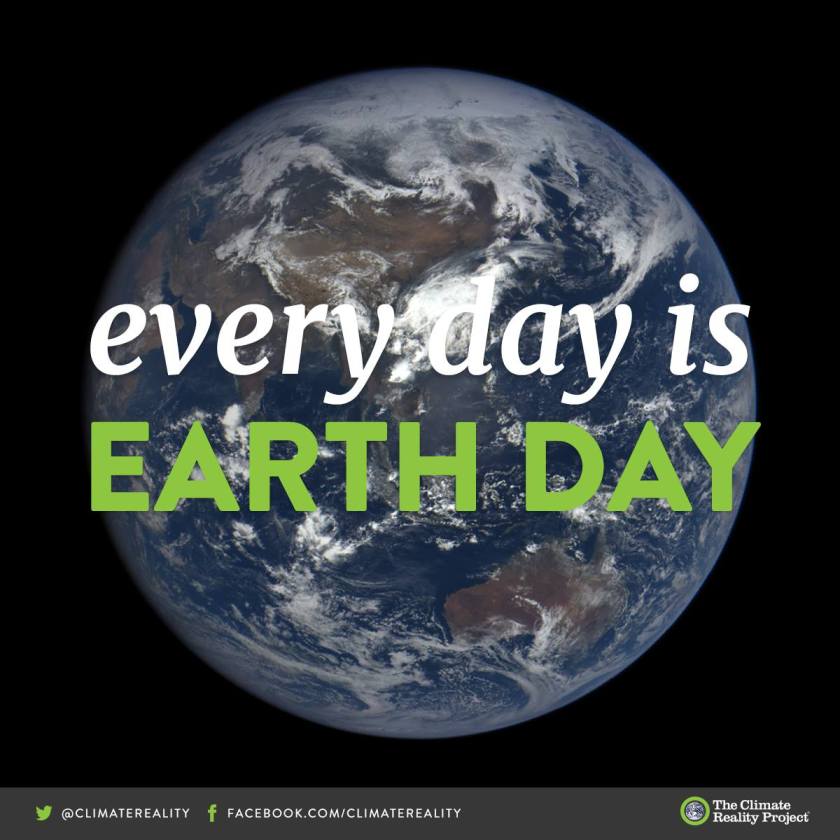
| On July 24, we had used all the resources that the Earth can generate in a year. We are using more resources than we can replace, or living on borrowed time. The day we want to reach is December 31. |

How can we use ;ess resources
From the Carbon Almanac. On July 24 we hit Earth Overshoot Day for 2025. Earth Overshoot Day is noted every year and the date is announced on World Environment Day. It marks the day when “humanity’s demand for ecological resources and services … exceeds what Earth can regenerate in that year”. Global Footprint Network, a research organization focused on the operation of the human economy within the Earth’s ecological limits, hosts and calculates when Earth Overshoot Day will occur, with this year showing that humanity is using the planet’s resources 80% faster than ecosystems can regenerate. July 24 is the earliest in the year that Earth Overshoot Day has fallen, with past dates going back to 1971. In those 54 years, humanity reached its overshoot day on December 31 once, in 1972.
Calculations for overshoot day are based on the National Footprint and Biocapacity Accounts, and this year’s calculations revealed that due to the ocean’s reduced capacity to store carbon, an increase in per capita Footprint and a reduced per capita biocapacity, Earth Overshoot Day fell eight days earlier than it did in 2024. In addition to Earth Overshoot Day, Country Overshoot Days are also calculated each year, seen here. These dates represent when the planet’s ecological resource budget would be used up if every place on Earth consumed at the same level as residents in that particular country.
Credit: Global Footprint Network 2025, www.overshootday.org and www.footprintnetwork.org.
A campaign working to reduce the strain on the Earth’s resources and bring humanity’s consumption into better balance is #MoveTheDate. The goal is to move the date of Earth Overshoot Day to December 31 or later every year, ensuring that the resources taken from the planet can be sustainability regenerated by the ecosystems. Solutions range across five major areas: planet, cities, energy, food and population. This solutions map tracks solutions being implemented across the world. Check it out to see if there are any near you.
Visit the Earth Overshoot Day website to learn more about how it is calculated, as well as the economic and ecological implications of humanity’s continued overuse of resources.
My Five things you can do:
Strive for zero waste–Reuse, Reuse, Reuse and Refuse!
Drive Less
Reduce your plastic footprint–No single use plastic!
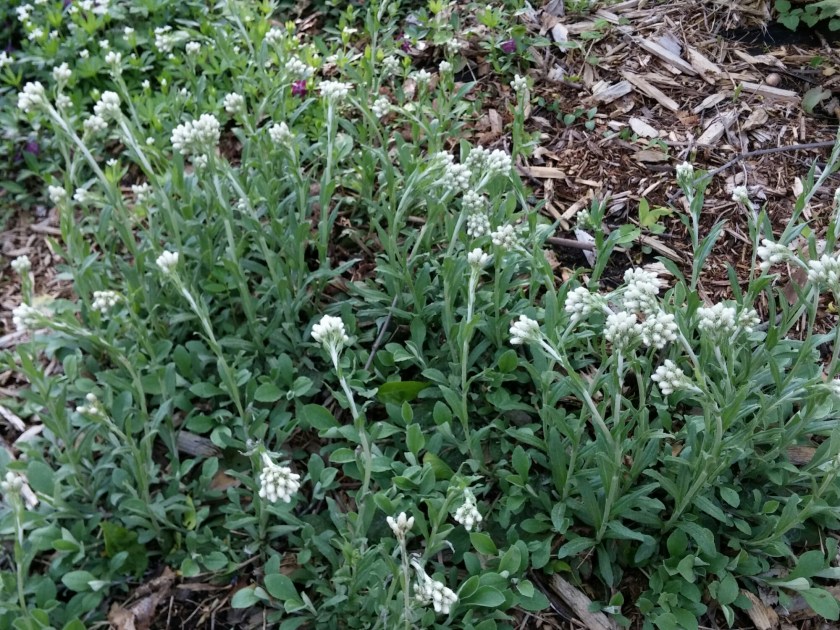
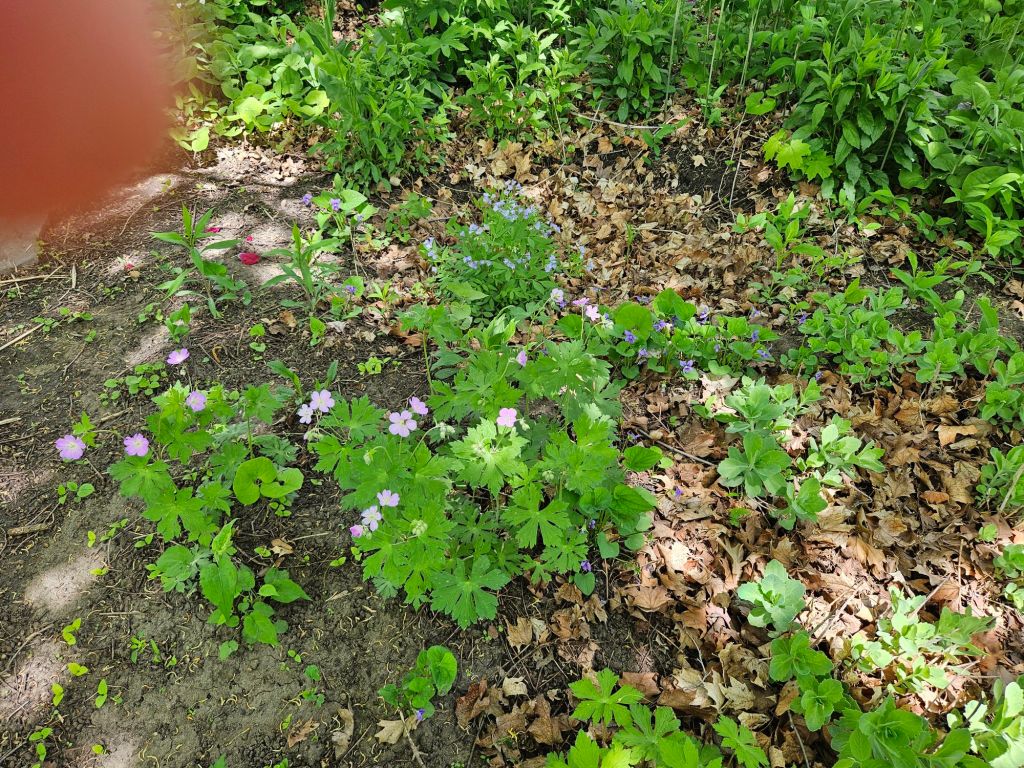
Plant native plants and raingardens without chemicals!
Don’t waste food.

















 Health4earth