Plastic Free July

Yay, It’s Plastic Free July. Join millions of people working to reduce their plastic use

Start refusing plastic today!

We have a plastic problem. Plastic pollutes our earth from it’s extraction to it’s end of life.It pollutes our water air and land. Plastic is made of fossil fuels and contains harmful chemicals are needed to make it plastic. It breaks down into tiny fibers called microplastics. These tiny microplastics have been found in our brains, blood and in every organ in or body. Do you want plastic in your brain? Plastic permeates our lives, and we would all be healthier by reducing our plastic use.

Plastic may feel convenient, but the long-term costs are serious:• Only 9% of all plastic ever made has been recycled• The rest ends up in landfills, waterways, or breaks down into microplastics. Some of these microplastics end up in fish, plants, animals and human beings. Reducing your plastic exposure is not easy, but it is important.

We all see plastic litter that is harmful to our waterways and our environment, but we are just be learning that plastic contains harmful chemicals and that it breaks down into microfibers. We can’t see these chemicals or the microfibers that can harm our bodies.

Plastic contains thousands of harmful chemicals that are especially harmful to children. These chemicals leach from plastic containers into our food and bodies. Plastic chemicals contain serious hormone disrupters that can cause obesity, diabetes, cancers and birth defects.

Plastic also sheds into small flakes of microfibers that have been found in every organ of our bodies. https://www.cnn.com/2024/06/19/health/microplastics-human-penises-study-scli-intl-scn-wellness Microfibers enter our bodies from the air, water, our clothing, our food and it’s packaging.

While it’s practically impossible to eliminate plastic from modern life, there are a number of steps you can take right now to cut back.

Good ideas from Consumer Reports:

Do: Drink tap water.
Don’t: Rely on bottled water.

Water from plastic bottles has about double the microplastic level of tap water on average, according to a 2018 study published in the journal Frontiers in Chemistry. So unless your tap water is contaminated with unsafe elements, such as lead, it’s probably best to drink tap. Fill up a metal reusable bottle for when you go out. You can always filter your tap water. Depending on the filter, that may further reduce microplastic levels. (Check CR’s ratings of water filters.)

Do: Heat food in or on the stove, or by microwaving in glass.
Don’t: Microwave in plastic.

Some heated plastics have long been known to leach chemicals into food. So if you’re warming up food, use a pan in the oven or on the stove, or if you’re microwaving, use a glass container. Also, avoid putting plastics in the dishwasher because of the high heat involved in cleaning.

Do: Buy and store food in glass, silicone, or foil.
Don’t: Store food in plastic, especially plastic that may contain harmful chemicals.

The American Academy of Pediatrics has said that plastic food containers with the recycling codes 3, 6, and 7 may contain potentially harmful chemicals, unless they’re labeled “biobased” or “greenware.” Don’t store food in these types of containers. Instead, use containers made of glass or silicone, or wrap your food in aluminum foil. If you’re storing food in or eating food out of plastic containers, know that plastics with recycling codes 1 and 2 are more likely to be recyclable—though they are usually recycled into lower-quality plastics. And there still may be harmful or unknown chemicals in any type of plastic.

Do: Eat fresh food as much as possible.
Don’t: Rely on processed food wrapped in plastic.

The more processed or packaged a food is, the higher the risk that it contains worrisome chemicals. Food cans are often lined with bisphenol A (or similar compounds). Buy fresh food from the supermarket, and—as much as possible—try to use refillable containers if your market allows. (Of course, with shopping made difficult by the coronavirus pandemic, prioritize your health and shop however is most feasible and safest.) Certain markets let you fill up cardboard or reusable containers with bulk items and weigh them, or you can use your own mesh bags for produce. Raw meat and fish need to be kept separate for safety reasons, but ask the store fishmonger or butcher to wrap these foods in wax paper instead of plastic. Take cloth—not plastic—reusable bags to the store to take your groceries home.

Do: Vacuum regularly.
Don’t: Allow household surfaces to get dusty.

The dust in your house could be loaded with microplastics and chemicals that are found in plastic, such as phthalates. Cleaning up dust may help reduce the amount of plastics you inhale, especially if you are stuck inside for long periods of time during a period of social distancing. CR recommends vacuuming regularly with a HEPA filter, which is best for trapping dust. (Check CR’s ratings of vacuums.)

Do: Work with your community.
Don’t: Assume your impact is limited to what you do in your personal life.

Legislation to limit the use of single-use plastics and plastic production may pull the biggest levers, but joining forces with community-level recycling groups can truly make a difference. Look for so-called zero-waste groups, which can offer guidelines for how to recycle or compost all your garbage—and which lobby for local rules that can restrict throwaway items. When possible, shop at markets that source goods locally, so they don’t require as much packaging and shipping. Seek out groups such as Upstream, a nonprofit working to create reusable takeout packaging for restaurants. And when possible, educate yourself about and support any city, county, and state legislation limiting single-use plastics.

My list to reduce your plastic footprint:

  • Always carry a reusable glass or metal water bottle, and reusable shopping bags with you.
  • Learn to refuse single-use plastics, such as plastic water bottles and coffee cups, straws, plastic bags and plastic utensils. 
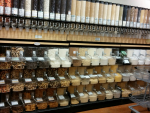
  • Purchase fruit and produce in the bulk section, and don’t place items in plastic bags. 
  • Always search out products in glass jars instead of plastic containers. 
  • When you must buy plastic products, choose ones that you can recycle rather than ones you must put in the trash. 
  • Bring your own containers and shop the bulk section of your local food coop.
  • Purchase clothing made from cotton and wool instead of polyester or poly fibers. https://www.npr.org/2023/07/19/1188343293/is-toxic-fashion-making-us-sick-a-look-at-the-chemicals-lurking-in-our-clothes
  • Store food in glass containers instead of plastic.
  • Ditch the baggies!

1.Guardian: https://www.theguardian.com/environment/article/2024/aug/21/microplastics-brain-pollution-health

2. Environment andHealth: https://pubs.acs.org/doi/10.1021/envhealth.3c00052

3. UN Environment Programme: https://www.unep.org/news-and-stories/press-release/plastic-pollution-environmental-injustice-vulnerable-communities-new

4. Sandra Laville, “Single-use plastics a serious climate change hazard, study warns,” The Guardian, May 15, 2019.
5. “What do plastics have to do with climate change?” United Nations Development Programme, November 15, 2022.
6. Oliver Milman, “‘Deluge of plastic waste’: US is world’s biggest plastic polluter,” The Guardian, December 1, 2021.

A Plastic Trashed Ocean

People have plastic trashed the world’s oceans. Our oceans hold 21,000 pieces of plastic for each person on Earth!  That is 170 trillion pieces of ocean plastic, unfortunately there is probably much more.

Creek near my home drains into the Mississippi River, and then into the Gulf of Mexico.

I live in the middle of the United States about as far away from an ocean as possible yet the plastic from my neighborhood can easily reach the Gulf of Mexico. A creek 5 blocks from my house runs into the Mississippi River which runs into the world’s oceans. A plastic bottle from Minneapolis finds an easy, but long journey into our oceans. Everywhere on Earth there are rivers and streams carrying plastic trash. Read more at: Oceans littered with 171 trillion plastic pieces – BBC News  

These rivers carrying plastic and other trash drain into the Gulf of Mexico.

What are some things you can do? 7 Solutions to Ocean Plastic Pollution – Oceanic Society  

1. Reduce Your Use of Single-Use Plastics 

START NOW! Wherever you live, the easiest and most direct way that you can get started is by reducing your own use of single-use plastics. Single-use plastics include plastic bags, water bottles, straws, cups, utensils, dry cleaning bags, take-out containers, and any other plastic items that are used once and then discarded. 

The best way to do this is by a) refusing any single-use plastics that you do not need (e.g. straws, plastic bags, takeout utensils, takeout containers), and b) purchasing, and carrying with you, reusable versions of those products, including reusable grocery bags, produce bags, bottles, utensils, coffee cups, and dry cleaning garment bags. And when you refuse single-use plastic items, help businesses by letting them know that you would like them to offer alternatives. More ideas here: 7 Solutions to Ocean Plastic Pollution – Oceanic Society  

How much plastic is in the ocean? — 5Gyres.org   

‘Unprecedented Levels’ of Plastics Entered World’s Oceans After 2005, Study Finds – EcoWatch 

Plastic Consumption Could Nearly Double by 2050 Without Ambitious UN Treaty – EcoWatch 

But there is good news about oceans also. Read about the historic ocean agreement: The Inside Story of ‘the Largest Conservation Agreement in the History of the World’ – EcoWatch 

Plastic is not Recyclable

If plastic were a country, it would be the fifth largest emitter of greenhouse gases. Plastic is stuffed with harmful chemicals, and even though we are told it is recyclable this report shows how plastic recycling is NOT working!

Greenpeace report finds most plastic goes to landfills as production ramps up : NPR 

“More plastic is being produced, and an even smaller percentage of it is being recycled,” says Lisa Ramsden, senior plastic campaigner for Greenpeace USA. “The crisis just gets worse and worse, and without drastic change will continue to worsen as the industry plans to triple plastic production by 2050.”  

Coca Cola produces 3 million tons of plastic packaging a year – equivalent to 200,000 bottles a minute. That needs to change.

Reducing that Pesky Plastic

Weigh your container before you fill with bulk items

Shopping at a grocery store or drug store is one of the most frustrating things I do, everything is packaged in plastic. Luckily, I have some excellent food coops a bus ride away from my house. I save containers and refill them with bulk items. A local meat department in a local grocery store will even refill my containers with meat purchases, which even my coops won’t refill. Science 101 has one of the best articles on reducing plastic that I have ever read, and I learned things from them. Start with a few items to refill. When you get the idea and feel comfortable move to add more plastic-free items. Here is Science 101’s article, on easy ways to reduce plastic. Refilling containers can be fun and satisfying.

Nice screw-top glass bottles that I can reuse forever! Buy products in glass, and reusable glass containers are a win-win!

Only 9 percent of the plastic every produced has been recycled, and no one knows how many hundreds of years it will pollute our environment. It breaks into tiny pieces, ends up in our water sources, is in our food and kills wildlife! Why is plastic harmful? Read here.

Coops will help you get started refilling containers, and I am willing to help if you ask. Let’s all work to reduce our plastic foot-print.

Here are 13 more ways to reduce plastic.


New Beginnings

A new year brings new energy, new projects and hope into our lives. May we move on to a positive new beginning for us all.  One thing that 2018 told us is that our Earth is struggling with harmful human activity. Our warming climate and our dependence on single-use plastic can have tragic implications as we move into the future. We can’t predict the future, but plastic waste and climate change are not going away.

If everyone does a small amount it can make a big difference! I have two things you can do to make a big difference on the Earth this new year. Even if you change one thing you do, and focus on that one thing in 2019 you will be making a difference!

How are you reducing your plastic footprint?

When I started this blog years ago, I was trying to get people to recycle. While I hope you will still recycle what needs to be recycled, it has become harder and harder to recycle that pesky plastic. Glass, aluminum and paper have markets, but we just use so much single-use plastic and there aren’t enough markets for plastic. Plastic can’t be recycled over and over like glass and aluminum.

Shop in bulk

We need to reduce our plastic footprint. Start by changing one thing you purchase in plastic. At our house we refill bottles/containers with bulk at our local coop: soaps, lotions, teas, nuts, rice and almost every dry product we eat.  We make our own yogurt, humus and cashew milk. Even as hard as we work on this we can’t avoid all packaging, it is too ubiquitous. As human beings we haven’t figured out our complicated  relationship with plastic. The best thing is to avoid it.

Tackling food waste is another way we can all make a difference. If you purchase in bulk you can get just the amount you need.  Forty percent of our food in the USA goes to waste, I mourn the valuable water and energy wasted on uneaten food! How have you done on your holiday leftovers? Freeze, cook, eat that food! Be vigilant. I make it into game with myself to be creative making new items from left-overs to keep from wasting food. Just think of the water and energy that we could save! Also, rotting food waste in landfills creates methane contributing to warming the planet.

Some other ideas to make a difference: Make changes in your kitchen and 10 green resolutions from Earth911. PBS offers three science based ideas here.

Some inspiration from Dan Rather: ” I stand at the precipice of 2019, alongside all of you, and breath deep a spirit of empathy and a determination to do our part to help make this world a better place.”

Happy hopeful new year!

The Problem With Plastic

How are you reducing your plastic footprint?

Plastic lasts more than a lifetime! Humans have created 9 billion tons of plastic since 1950 and most of this plastic still exists on earth. Only 9 percent has been recycled, and 11 percent incinerated. That leaves much of the plastic ever produced floating around in our waterways, poisoning fish, or releasing chemicals in landfills. As citizens of this planet we should be doing everything we can to reduce the amount of plastic we use.

The PBS NewsHour is doing an interesting series on plastic this week. I hope you will watch.  See below:


https://www.pbs.org/newshour/show/plastic-lasts-more-than-a-lifetime-and-thats-the-problem