This morning on my walk it was raining. The rain was plopping on my hood and splashing my face, but I was loving every moment as a robin sang. I felt so close to the beauty and renewal of our earth. It was me and the melodic robin, having a conversation, and both happy that it was finally raining.
It is Earth month, Earth Day is days away, and April is a fabulous time to get intimate with the earth. Every day the tree buds get bigger, and the great migration begins, birds and butterflies moving to their summer homes. Every day a new flower pops up, and the sun gets higher in the sky.
Whether it’s a wild turkey on your yard, a fox running down the street, a rabbit eating your fresh plants, or the deep groves in the bark of a tree, pay attention and notice something new.
Many dragon flies were out yesterday!
It was cloudy where I live so we missed the eclipse, but there were people outside excited that it was happening behind the thick cloud cover. Celebrate that excitement every day with the intense beauty and April happenings of our
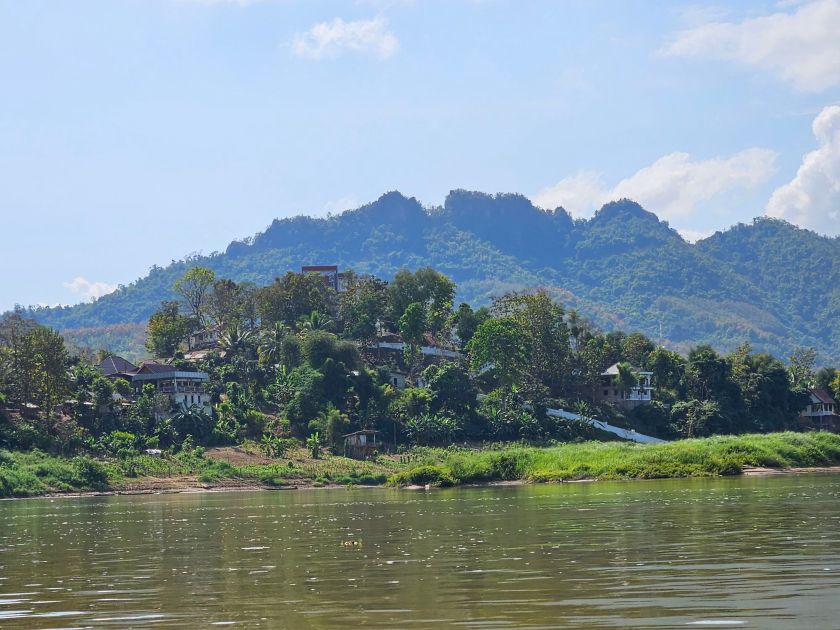
Amazing landscapes!
what a wonderful world!
Enjoy the intense beauty and happenings of our Earth, it’s Earth Day every day!
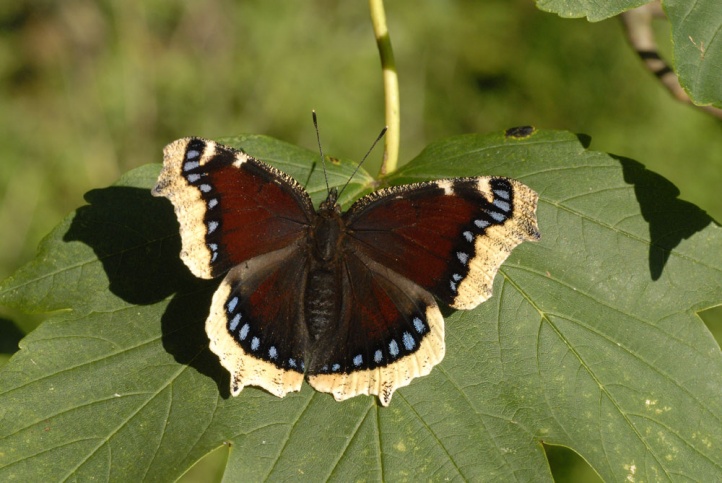
I saw my first butterfly a few weeks ago. It was a mourning cloak butterfly. since this writing I have seen many more. Get out and look.
I disagree with a bill in the Minnesota Legislature about synthetic turf (HF 3705/SF 3869).
Synthetic turf has been framed as a sustainable solution for dealing with the climate crisis, drought and drainage issues. Unfortunately, many want to believe in this easy but expensive solution and believe without evidence that it is a sustainable practice. This is greenwashing and a false solution for helping our climate crisis. Synthetic turf is made of plastic. It has all the terrible side effects of plastic pollution. It breaks down in the sun and breaks down with use. It leaches toxic chemicals into our water and breaks down into microfibers. Synthetic turf is not healthy for children, pets, wildlife or adults to recreate on. It is not a sensible solution for a green lawn.
If plastic were a country, it would be the fifth-largest emitter of greenhouse gases in the world. We shouldn’t be encouraging the use of more plastic. We should be reducing our plastic use, not increasing it.
Synthetic turf is terrible at managing stormwater runoff. Even if it is permeable, the water will run right under it and cause erosion as it finds a muddy path to the nearest waterway. Deep rooted plants are the master of absorbing runoff and holding the soil. They are a proven solution.
The state of Minnesota is putting lots of money into bee lawns. Let’s pivot to them in times of drought. Bee lawns help pollinators, improve water quality and work for the healthy communities the public wants. Bee lawns are real, not fake. They are a low-maintenance and sustainable solution, and bee lawns can be adjusted and planted for everyone’s needs.
Becky Wardell Gaertner, Minneapolis
I like violets in a bee lawn, they are hearty, can be mowed and bees like them.
Waste less food: Food Waste Prevention Week is April 1-7
One trillion dollars of food is wasted yearly. We can all do better!
People are starving in Gaza, Sudan, Syria and other places in the world, let’s not waste food.
**Why is reducing food waste so important?
It saves Money
Wasting food is expensive. Every year, Americans lose more than $218 billion on wasted food. In Florida, the average family of four throws out around $1,600 worth of food annually. Households are responsible for the most wasted food. If we begin to reduce and prevent food waste, we can save that money that is wasted on spoiled food.
It reduces hunger in our communities
In the US, approximately 40% of all food grown and produced is never eaten. That’s a lot of food wasted that could go to people that don’t have access to food. 1 in 5 people lack consistent access to nutritious food, while up to 3 million tons of wasted food goes to landfills annually. Recovered food provides an additional source of nutritious food.
It protects the environment
Reducing food waste is the #1 personal action to reduce greenhouse gas emissions, while safeguarding critical natural resources. When food is wasted, it goes into a landfill. Once in a landfill, food waste breaks down and emits greenhouse gasses, including carbon dioxide (CO2) and methane (CH4). Methane is 30 times more potent than carbon dioxide, making it more damaging to the environment. If we reduce food waste, we could save the environment from this damage.
What Can I Do?
At home
Save leftovers and store/freeze food in portion-ready containers
Cook only what is needed for that meal
Make one night a weekly “leftover” night to empty the refrigerator before shopping again
Audit what you throw away; it will influence your next shopping trip
Keep kitchen essentials on hand (grains, spices, sauces) that bring new life to old meals
Freeze ripe fruits and vegetables for baking, cooking and filling in gaps in recipes
Water is Life, we must do a better job of protecting our waters.
World Water Day March 22, 2024 is the United Nations observance day dedicated to highlighting the importance of freshwater. It serves as a reminder of the critical role water plays in our lives and ecosystems.
“Water for Peace” is this year’s theme. fostering peace, prosperity, and conflict prevention in the role water plays in the world.
It is shameful the poor job we do to take care of our fresh water. Our fresh waterways are teaming with microplastics, nitrates and forever chemicals. None of these safe for human exposure. In some places invasiive speciaes have been introduced that also change the entire ecosystem of our water ways.
73 percent of Minnesota nitrate pollution comes from cropland, primarily through agricultural drainage systems below cropped fields and by nitrate pollution leaching into groundwater, and then moving underground until it reaches streams. 78% of nitrate pollution to the Mississippi River in our state is fr…See more on fmr.org
At least 70 million Americans get their water from a system where toxic PFAS “forever chemicals” were found at levels that require reporting to the Environmental Protection Agency. That’s according to new data the EPA released in its ongoing 5-year review of water systems across the nation. The number will almost certainly grow as new reports are released every three months. USA Today, March 21.2024
Careless humans have transported invasive plants and animals with their boats and equipment. Invasive species disrupt aquatic ecosystems, endanger native species, and have far-reaching consequences that harm the eco-system of waterways.
What are a few things you can do to protect our waterways?
1. Always clean your boats and equipment before entering lakes.
2. Pick up litter
3. Keep the storm drains near your home free of leaf debris and plastic waste.
4. Reduce the plastic you use, and always make sure your plastic waste is in the correct place, either recycling, landfill waste or hopefully to be reused again.
5. Plant deep rooted plants that absorb water runoff, like native grasses and native plants.
6. Create rain gardens or adjust your drain spouts to drain onto your lawn or gardens.
Microplastic particles are found everywhere on the planet. They are in the air, water, and soil, and they are in us, in every organ of our bodies. This cannot be healthy and we need to decrease our exposure to plastic.
A new study on microplastics finds evidence that that micro plastics could be the cause of heart attacks and strokes. Scary stuff!
Scientists have long known that microplastics can infiltrate the human body. But they didn’t know what the presence of these tiny plastic particles might mean for human health. Until now. A new study published in the New England Journal of Medicine finds that people with microplastics in their heart are at higher risk for heart attack, stroke, and death.
Investing in women, a human rights issue: Time is running out. Gender equality is the greatest human rights challenge, benefiting everyone.
Ending poverty: Due to the COVID pandemic and conflicts, 75 million more people have fallen into severe poverty since 2020. Immediate action is crucial to prevent over 342 million women and girls living in poverty by 2030.
Implementing gender-responsive financing: Conflicts and rising prices may lead 75% of countries to cut public spending by 2025, negatively impacting women and their essential services.
Shifting to a green economy and care society: The current economic system disproportionately affects women. Advocates propose a shift to a green economy and care society to amplify women’s voices.
Supporting feminist change-makers: Despite leading efforts, feminist organizations receive only 0.13% of official development assistance.
This International Women’s Day, let’s unite to transform challenges into opportunities and shape a better future for all!
The grouse and crows seem happy, the pileated woodpeckers seem happy, and squirrels and white tailed deer are overjoyed. What happened to winter? The sun is shining and the snowstorms forgot to hit the south shore of Lake Superior. The biggest surprise is golden eyes on Lake Superior already migrating through.
But what made me the happiest was that I saw an eagle swimming on Lake Superior. It was amazing! It looked like she was doing a swimming crawl stroking with her enormous wings.
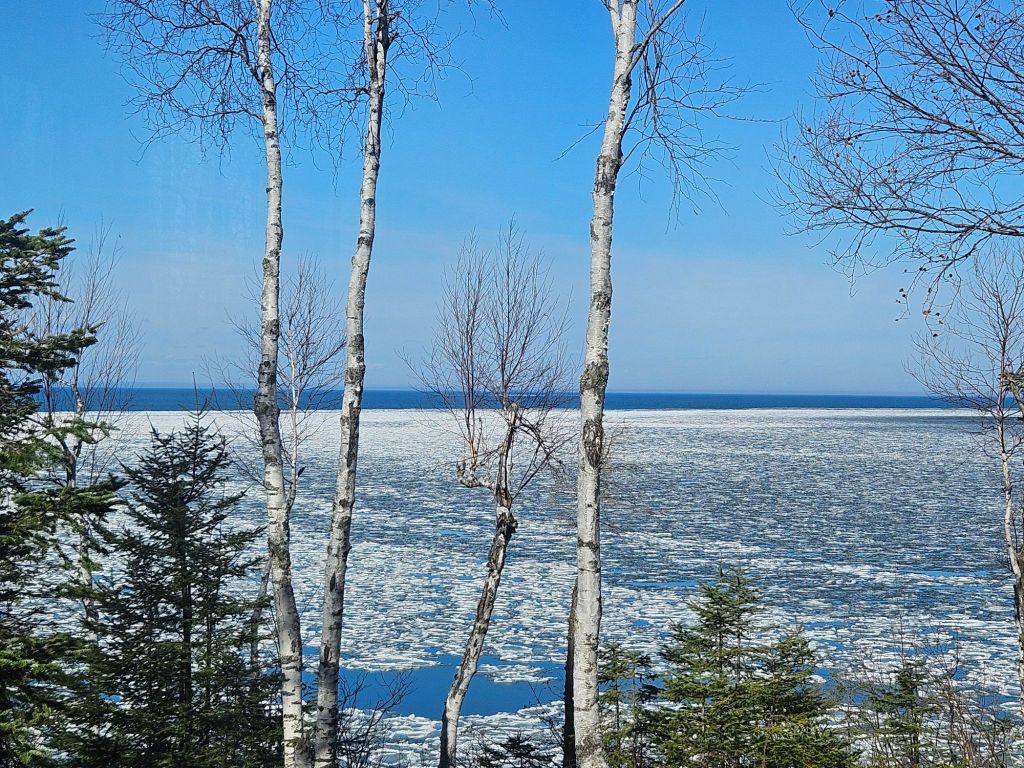
The warmest February and winter on record, but it is worrying for the future when there isn’t ice on the big lake. More evaporation, more algae and a challenge for the fish to find food.
This is not ice cover. It is slush that moves around the big lake depending where the wind is blowing from.
I’m for anything that is peaceful and kind. Get outside in March and please contribute peace to a Mindful March
Mindfulness helps us respond more wisely, especially in difficult times. So let’s pause, breathe and choose to live mindfully this month. By cultivating inner peace we can contribute to peace in the world around us too.
Look for beauty and live with awareness and kindness every day!
Producers of packaging need to be held responsible for how they are exposing consumers to harmful chemicals.
Chemicals in plastic packaging can leak into our food. Also, the plastic breaks into tiny particles (microfibers) that we consume when we are eating. None of this can be healthy for the consumer.
Harmful material in our food is upsetting. Producers of plastic need to be held responsible for the packaging they use. Corporations think they should regulate themselves. That is clearly not working! We need tough standards for our food packaging, but also in cosmetics, toys and other packaging as well.
Consumer Reports sent a letter to General Mills this week over relatively high levels of plastic chemicals called phthalates found in several products, including Cheerios, Yoplait, Progresso vegetable soup and cans of Annie’s organic cheesy ravioli.
Phthalates are “plasticizers” used in the production of plastic to make them stronger and softer and are commonly used in vinyl flooring, shampoos and plastic packaging. Health impacts in humans need further study, says the Centers for Disease Control and Prevention, but scientists have found strong associations between chronic exposure and issues with reproductive systems and child development.
Wishing you good luck and good fortune in 2024, the year of the dragon.
The Vietnamese are so happy traveling home, decorating, planting red and gold flowers. I have been in Vietnam for the past month and loved their excitement.
We can learn something from them: Be kind, be happy, honor our ancestors, and eat healthy food
Red and gold decorations and red and gold flowers.












 Health4earth