Thought for the Day

2018 is the year of the bird!
What does that mean? It means Audubon, National Geographic, Cornell, BirdLife International, and most importantly, bird lovers everywhere are teaming up for a year of action for birds! 2018 is the centennial of the Migratory Bird Treaty Act and what better way to honor our most important bird-protection law than with our own small ways of protecting birds. Sign up to take a pledge to help birds here.

Birds are struggling because of loss of habitat, and heavy use of pesticides and other chemicals by farmers, corporations and gardeners. My thing is creating a friendly habitat for birds. Audubon has plants for bird friendly yards. Read at Audubon

Wishes for Hope, Harmony, Joy and Community
Come and Sing
People who make music together cannot be enemies;
At least while the music lasts.
We are friends forever when we sing together.
The whole world is better when we sing
So let’s sing forever, hold our hands together
Make the whole world better, come and sing! Song by Wallace Hornady
And thoughts from Bill Bryson in “The Road to Little Dribbling”
“Why can’t we have the best public schools?
May I tell you what I would like to see? I would like to see a government that said, “We’re going to stop this preposterous obsession with economic grow at the cost of all else. Great economic success doesn’t produce national happiness. So were going to concentrate on just being lovely and pleasant and civilized. We’re going to have the best schools and hospitals, the most comfortable transportation, the liveliest arts, the most useful and well-stocked libraries, the grandest parks, and cleanest streets, the most enlightened social policies!”
I am sending a message of Hope on this World Day of Peace
You may say I’m a dreamer
But I’m not the only one
I hope someday you’ll join us
And the world will be as one
Imagine there’s no heaven
It’s easy if you try
No hell below us
Above us only sky
Imagine all the people
Living for today… Aha-ah…
Imagine there’s no countries
It isn’t hard to do
Nothing to kill or die for
And no religion, too
Imagine all the people
Living life in peace… You…
You may say I’m a dreamer
But I’m not the only one
I hope someday you’ll join us
And the world will be as one
Imagine no possessions
I wonder if you can
No need for greed or hunger
A brotherhood of man
Imagine all the people
Sharing all the world… You…You may say I’m a dreamer
But I’m not the only one
I hope someday you’ll join us
And the world will be as one John Lennon
 Buy less stuff: Reuse, reuse and reuse the things you have
 and eliminate your use of pesticides, and all chemicals in your home. Your family, your pets, birds and butterflies will be much healthier.
Ways to be a better environmental steward from Ecowatch
From Earth911 ways to be more sustainable. Read at Earth911

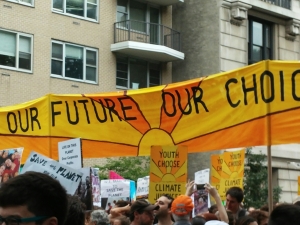
As 2017 rolls out and 2018 rolls in, remember to set some environmental goals for the new year. As people of this planet earth we all should be aware of our warming climate, and how we are causing it! Yes, it is very cold in many places this new year, but it is the over all tend that our planet is warming, not just one or two events, that we need to worry about. Extreme weather events, warming and rising oceans, and drought should not be ignored. CNN has an easy list of things you can do. Read it here.
Climate Reality, https://www.climaterealityproject.org/ has a more serious and difficult list, things most of us just don’t want to do, but should seriously think about! This is their list:
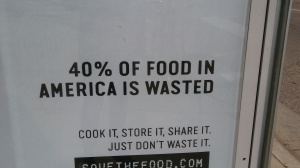 The challenge begins, how can we use our holiday left-over food? My full refrigerator is daunting, and I am determined not to waste any of it. The freezer is one of our best tools to save food, but also using left overs in a new creative way: wraps, rice bowls, tacos or enchiladas, soups and stir fry. Save The Food has ideas to reduce food waste: https://www.savethefood.com/
Tonight I am serving. “Make your own rice bowl!” choosing heated leftovers to put on a hot bowl of brown rice in the fashion of a salad bar.
Not only does wasting food, waste valuable resources and lots of water, but also food in our landfills decomposes creating and giving off methane gas which is a harmful air pollutant contributing to global warming.
From Thanksgiving to New Year’s Day, household waste increases by more than 25%. Added food waste, shopping bags, packaging, wrapping paper, bows and ribbons all adds up to an additional 1 million tons a week to our landfills. (Source: EPA)
 December kindness continues:
This my third post on December Kindness. I hope you can help spread some kindness this week. Kindness is a sustainable behavior. How can we all make our communities more kind and pleasant?
** Show gratitude, “Thank You!”
** Take a walk, focus on the beauty of winter.
** Make a special effort to watch for pedestrians when you drive.
** Smile
** Positive Energy Day: Be positive to your family, and those you encounter at work. Admit if you make a mistake!
** Volunteer
** Listen with eye contact
** Use real dishes and silverware, reuse. Think, “Zero waste!”
** Complement People Day!
** Sacrifice Your Place In Line Day!
** Shovel or sweep someone’s sidewalk.
Other ideas for kindness: https://health4earth.com/2017/12/01/kindness-spread-it-now/
I want a world that treats all people with respect and kindness.

“Make improvements, not excuses. Seek respect, not attention.”
― Roy T. Bennett, The Light in the Heart
Eight more ways you can spread kindness. These are my ideas for a kinder week for us all:
Friday, December 8, Celebrate Friday by smiling at people.
Saturday, December 9, Bring your reusable bags shopping, and be kind to the earth.
Sunday, December 10, Practice forgiveness.
Monday December 11, Start the week right and donate to a local food shelf. Second Harvest
Tuesday, December 12, Think of that person you have been meaning to call for a while, and dial them for a positive chat.
Wednesday, December 13, Be kind to the earth and donate to Natural Resources Defense Council (NRDC)
Thursday, December 14, Make it a zero landfill waste day: Recycle, compost, and reuse.
Friday, December 15, Friday gratitude: Today think of the people you are thankful for in your life.
Other ideas for kindness: https://health4earth.com/2017/12/01/kindness-spread-it-now/
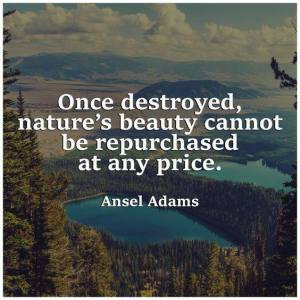
Here is your country. Cherish these natural wonders, cherish the natural resources, cherish the history and romance as a sacred heritage, for your children and your children’s children. Do not let selfish men or greedy interests skin your country of its beauty, its riches or its romance.
~ Theodore Roosevelt