Each one of us needs to work to create the world we want to live in. I want a world of clean air, and clean water. I want a world of healthy birds, healthy butterflies and healthy people.
The sighting of the first butterfly is always exciting. Have you seen one yet?
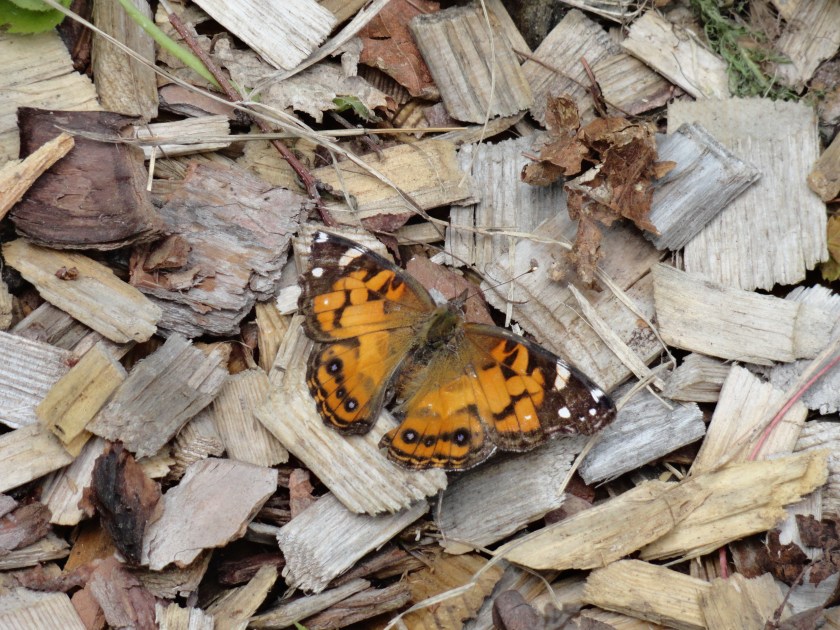
Below is a beautiful essay on the Painted Lady butterfly. Like all birds butterflies and bees these butterflies are stressed by climate change, loss of habitat, and harmful chemicals. The theme of the essay is that these are very resilient butterflies that have been able to adapt for their survival. Unlike the Monarch butterfly Painted Ladies don’t need just a few flower species to lay their eggs, they adapt!
I have planted habitat in my yard for Painted Lady caterpillars.
Painted Lady
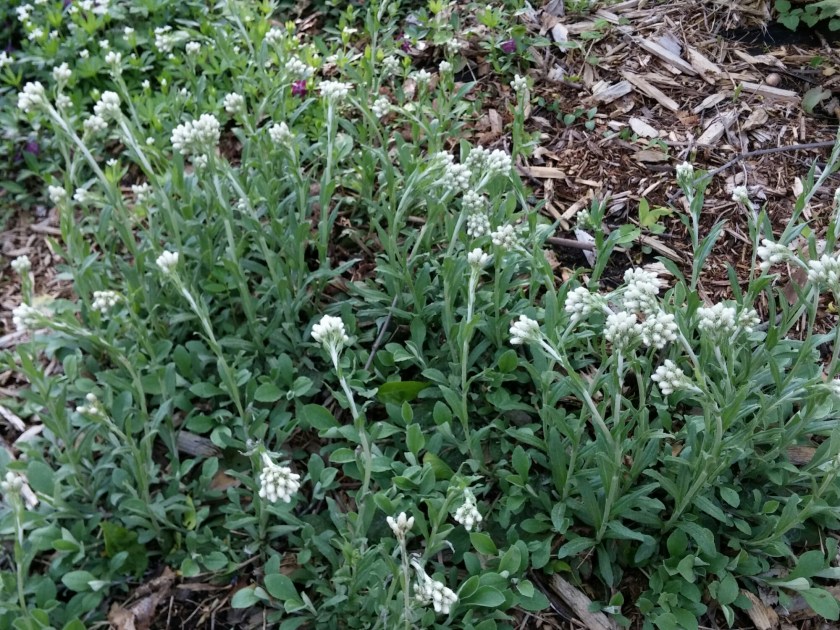
Painted Lady love pussy toes.
These pearly everlasting plants have eggs from the painted lady.
On this Earth Day, do everything you can to help these beautiful butterflies survive. Plant native plants in your yard, never use chemicals on your plants, avoid single-use plastic, and everyday work for clean air!
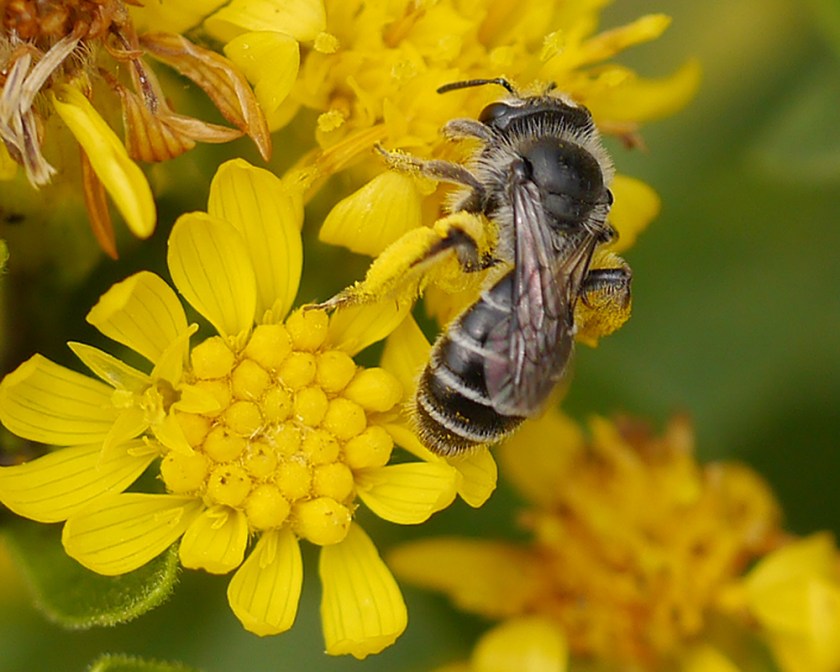
I love the bee yards that are popping up in my neighborhood. Homeowners are getting the message that turf grass yards are food deserts for pollinators. Our bees, butterflies, hummingbirds and moths have been devastated by habitat loss and excess chemical use. We can all make a simple difference by planting a few plants for them.
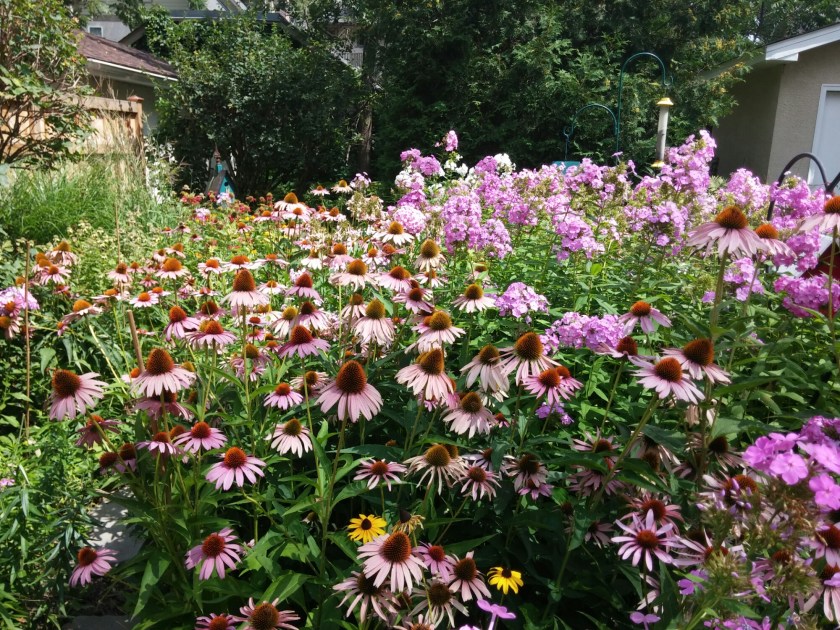
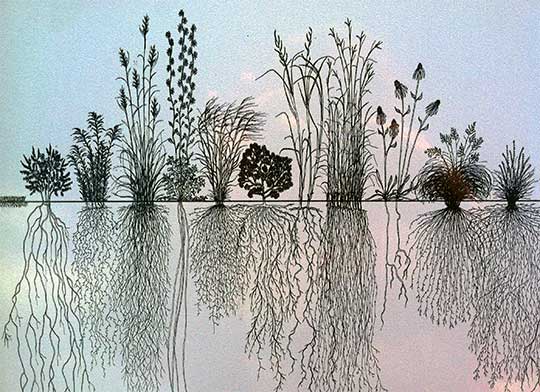
As we celebrate World Bee Day make an effort to add some pollinator environment to your yard. Native plants are the best because they have deep roots and don’t need watering or chemicals. I don’t trust some plants from garden stores, I worry about what they could have been sprayed and treated with?? We don’t want to plant for bees and butterflies only to add more chemicals to their bodies! Shop garden shops that can answer your questions. Native plants should be chemical free. Everyday we have an impact on our community, make it positive.
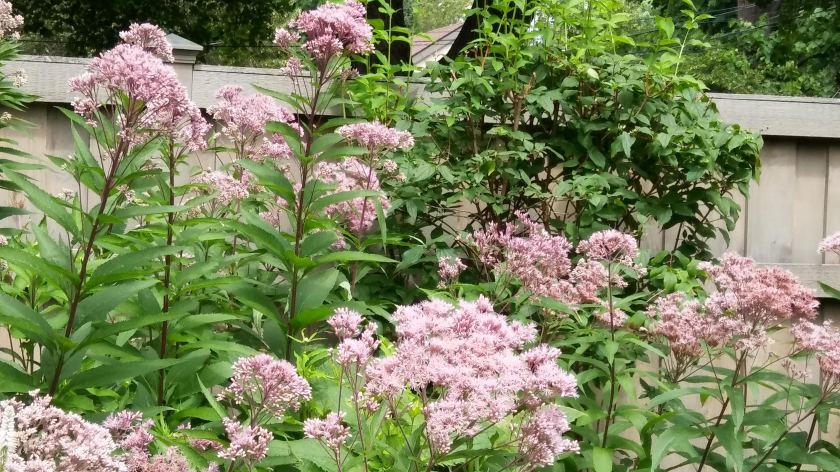
The reading list below has good suggestions for bee lawns. Bee balm, wild geranium, culvers root, milkweed, cone flowers, asters, and Joe Pye weed are some of my favorites for attracting both bees and butterflies.
Drive less: Walk, bike, ride share, Carpool, combine errands, and take public transport.
Protect butterflies and bees: Add more pollinator friendly plants to your yard or balcony, and eliminate your use of pesticides, and all chemicals in your home. Your family, your pets, birds and butterflies will be much healthier.
Reduce or eliminate beef from your diet. Producing beef uses lots of energy! Go meatless and fishless several days a week!
Reduce all plastic use, and recycle, recycle and recycle everything you can. Always work for zero waste.
Become a climatarian: Always consider the earth when you make decisions
Walk: Everyday get outside to enjoy nature.
Finally, work to elect leaders that believe in climate change, clean air and clean water, and support clean renewable energy solutions
Ways to be a better environmental steward from Ecowatch
From Earth911 ways to be more sustainable. Read at Earth911
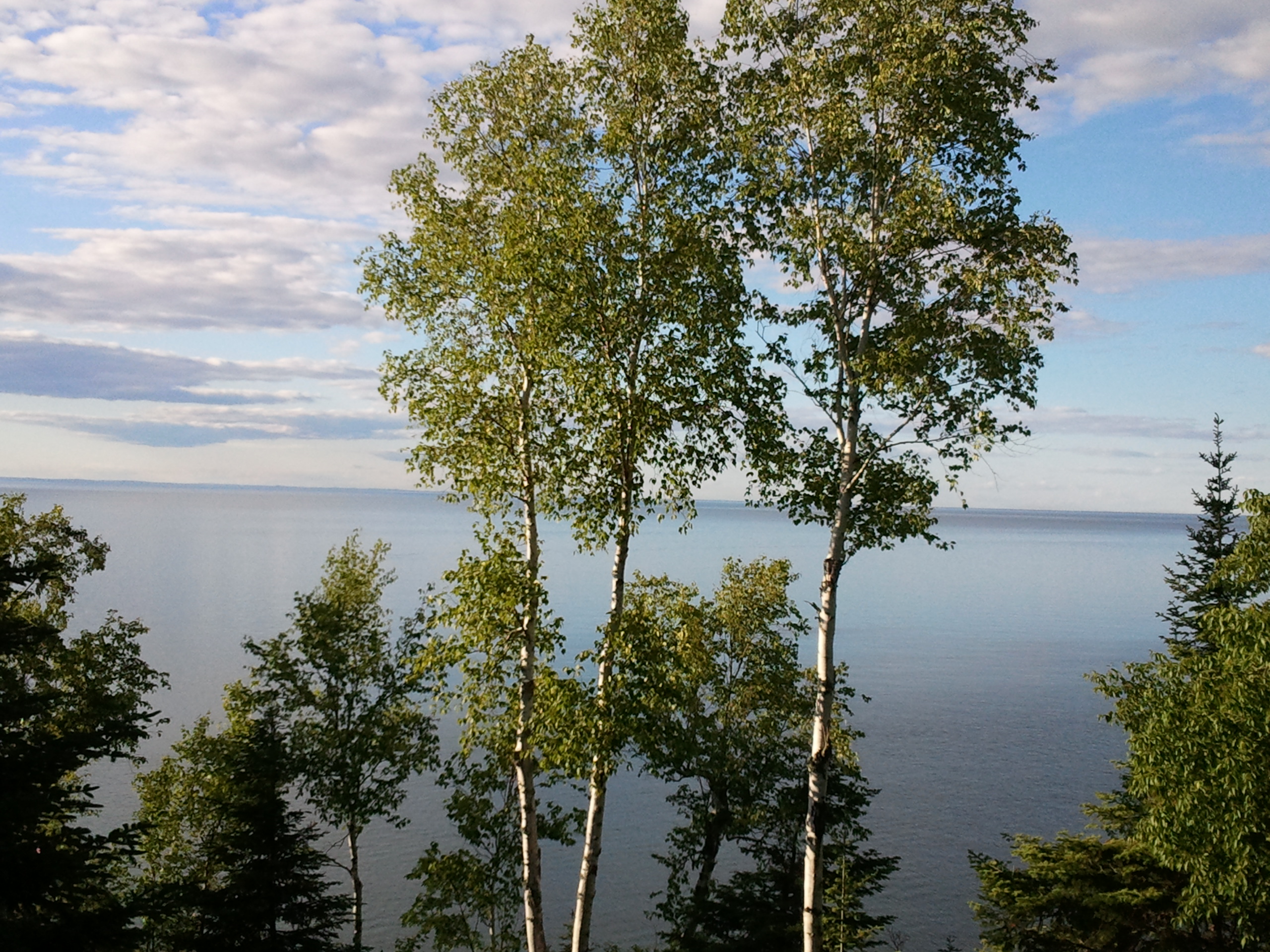
Living in the land of Ten Thousand Lakes and having a love affair with Lake Superior, I know first hand that clean water is important! I think of the West Coast of the United States and their severe drought every time I turn on the faucet. Below are water saving ideas from me and The World Wildlife Federation. This is serious. Water will be the next “most valuable resource,” and our survival as a people depends on adequate sources of clean water.
Ideas to help you protect the earth’s fresh water:
My List (doing one thing can make a difference!)
1. Reduce or eliminate all your use of chemicals in cleaning agents, and lawn and garden products. Tough I know, Read on…
3. Use plants in your yard that do not require chemicals(native plants) and reduce the size of your lawn. Most native plants don’t need to be watered! http://findnativeplants.com/
4. Install rain barrels under your drain spouts or put rain gardens in areas where your water drains. Use this water to water your plants. AND redirect your drain spouts so they water your lawn.
5. Install a septic holding tank if your sewage does not drain into a public sewage system.
6. Purchase as many products you can afford that are organic or GMO free to reduce the amount of nitrates running into our lakes and streams.
7. Adopt a storm drain, keeping leaves, trash and yard waste from washing into our streams and lakes.
9. Purchase products made from recycled materials. Recycled paper uses 60-70% less energy than virgin pulp and 55% less water.
10. Pick up after your dog, and never use salt on your sidewalk.
And from The World Wildlife Federation:
We all can do something to help fresh water. This World Water Day, March 22, you too can take action. Here’s how:
Raise a Glass…and Awareness
Express appreciation of fresh water by making a toast, taking a picture, and sharing it across social networks with #ToastToWater.
Crowdsource Scientific Data
Next time you’re near a river, stream or lake, take and pictures of the freshwater fish you encounter and upload them for conservation scientists around the world.
Adopt a Freshwater Species
Make a donation to symbolically adopt a freshwater species, such as a pink river dolphin or hellbender salamander.
Build a Rain Barrel
The average roof collects 600 gallons of water for every inch of rain. Capture some of that stormwater and help protect freshwater resources by building a rain barrel.
Learn about Unseen Water
Water is in almost everything. Take your average cotton t-shirt as an example: it can take 2,700 liters to produce the cotton needed to make a single t-shirt. While it’s important to fix leaky taps and buy efficient washing machines, we need to also be conscious of the unseen or “virtual water” we consume every day.
Avoid plastic, fill your glass or metal bottles with liquid
I have written about many of these items in other blogs, and this pulls many of my ideas together. I could add other items that I believe are harmful such as pesticides, but I don’t want to distract from this excellent essay. The below ideas are from: http:www.treehugger.com
If you care about your health avoid these:
1. Conventional skin and body care products
2. Junk Food
3. Plastic Containers
4. Non-stick cookware
5. Household cleaners
6. Nail polish and perfume
7. Factory-farmed meat
8. Factory-made clothes from China and other low wage countries







 Health4earth