Halloween Creativity

Halloween is a great time to be creative. I love the original costumes that parade to my front door. For me the challenge is how to be plastic-free? I don’t like candy packaging that can’t be recycled and will lie in a garbage dump for 5oo years and struggle every year to find a sustainable treat. Beyond Plastic has some terrific decorating, costume and treat suggestions for a plastic-free Halloween:

First, create a reusable bag to carry with you. turn a washable shopping bag inside and decorate your bag. A perfect way to have your original candy collection bag!

health4earth

Turn your clean reusable bag inside out and decorate.

Plastic-free ideas from Beyond Plastic:

Pick plastic-free packages. If you need to stick to packaged candies, there are some options that come wrapped in foil or small thin cardboard boxes. Candies like Dots, Milk Duds, and Junior Mints come in small cardboard boxes, Tootsie Rolls and other fruit chews and Dubble Bubble come wrapped in paper, and there are many small Halloween-themed chocolates that come wrapped in foil that, at least in theory, could be collected and recycled

Costumes

Try to avoid buying new costumes in one of those desperate last-minute trips to the seasonal Halloween Stores that pop up like mushrooms in October because they are cheaply made and are almost always made entirely from plastic.

Instead, plan ahead and visit your local thrift store to find they key elements you need to make your own costumes. Most thrift stores also have pre-loved costumes for sale and you may find a great ready-made costume that way if you start looking early enough. You can also try to borrow either a whole costume or the key elements you need to create your own from a friend or family member. I’ve found that social media can be a big help in crowdsourcing costume ideas, entire costumes, or just certain “ingredients” for them.

Likewise, if you have costumes your kids have outgrown or that you’ve grown tired of, snap a few photos of them and invite your friends to use them this year. Hopefully, they’ll return the favor and you can all save some time, money, and material from the landfill this way.

Decorations

If you want to deck out your house, go for it! But do your best to steer clear of single-use and cheap plastic items that are likely to end up in the trash after a single use. Fortunately, nature makes a gorgeous line of non-toxic, fully compostable Halloween decorations in the form of pumpkins and other decorative gourds along with hay bales, reeds, and ornamental corn.

Here are a few ideas to try, all of which are great activities to do with kids:

  • Carve pumpkins (this one goes without saying!)
    • Consider inviting some friends to join you outside on a sunny weekend day and serve (reusable) mugs of mulled cider and donuts to make it a party.
    • After you’ve scooped out the seeds from your pumpkins, assign someone to clean the goop off them and then roast them for a nutritious and tasty fall snack. Scroll down to the end of this post for the simple directions to make roasted pumpkin seeds.
    • Click here for some great jack-o-lantern ideas. One fun switch can be to cut the bottom of the pumpkin off rather than the top and rest it on a plate with the cut side down. This allows you to retain the stem which you can turn into an interesting hairdo feature. We also love the “puking” pumpkin concept in which you use the “guts” of the pumpkin.
    • Help younger kids to draw their designs on and make sure to handle any tricky knife-work.
    • Provide candles or LED lights for each pumpkin and light them up when night falls for all to enjoy.
  • Make your own scarecrows. Dig through your ragbag to find some old clothes, buy a bale of hay, stuff the clothes with with hay, and top with a pumpkin head or a burlap or paper grocery bag on which you’ve drawn a funny face. When you’re through with the scarecrows, remove the hay, wash the old clothes and either return them to the rag bag or donate them if there’s still life in them, and compost the rest of the materials. If you live near a farm, note that many farm animals love to eat discarded pumpkins.
  • Choose LEDs. If you want to light your house up at night beyond the jack-o-lanterns, make sure you purchase LED string lights as they use significantly less energy (hence lower carbon emissions) and will also last longer than incandescent bulbs will.
  • Make “Halloween Trees”. This idea comes from a project that our digital director grew up doing and that she now does with her own kids. Search outside for fallen branches that mimic the look of gnarled spooky old trees. “Plant” the tree branch in a pot of dirt. Then let the fun begin! Make decorations by cutting bats, black cats and witches out of construction paper and hanging them from the branches with string. Search for small rounded or rectangular stones to serve as gravestones that you can write or paint on “RIP So and So”, “Here Lies…”, and half bury them in the dirt. If you feel like getting really creative, bust out the clay and sculpt some pumpkins, a witch or a skeleton to sprinkle around the ground below the tree. This can keep kids entertained for hours and you can save the best decorations for years to come and continue building on your spooky scenes. Beyond Plastic
  • Make Halloween Plastic-Free! — Beyond Plastics – Working To End Single-Use Plastic Pollution
  • More plastic-free Halloween ideas.

Too Much, Not Enough

Drought, famine, flooding, storms, hurricanes. We are living at a time of extremes. There is either not enough water or too much water? Is our beautiful fragile planet paying us back for all the abuse it takes? I think the warming of the oceans has a lot to do with our extremes. Our oceans absorb the carbon dioxide and pollution causing them to warm and oceans have a lot to do with weather systems. Climate change also impacts the intensity of Hurricanes. In recent years, a higher proportion fell into Category 4 and 5, a trend that is expected to continue.

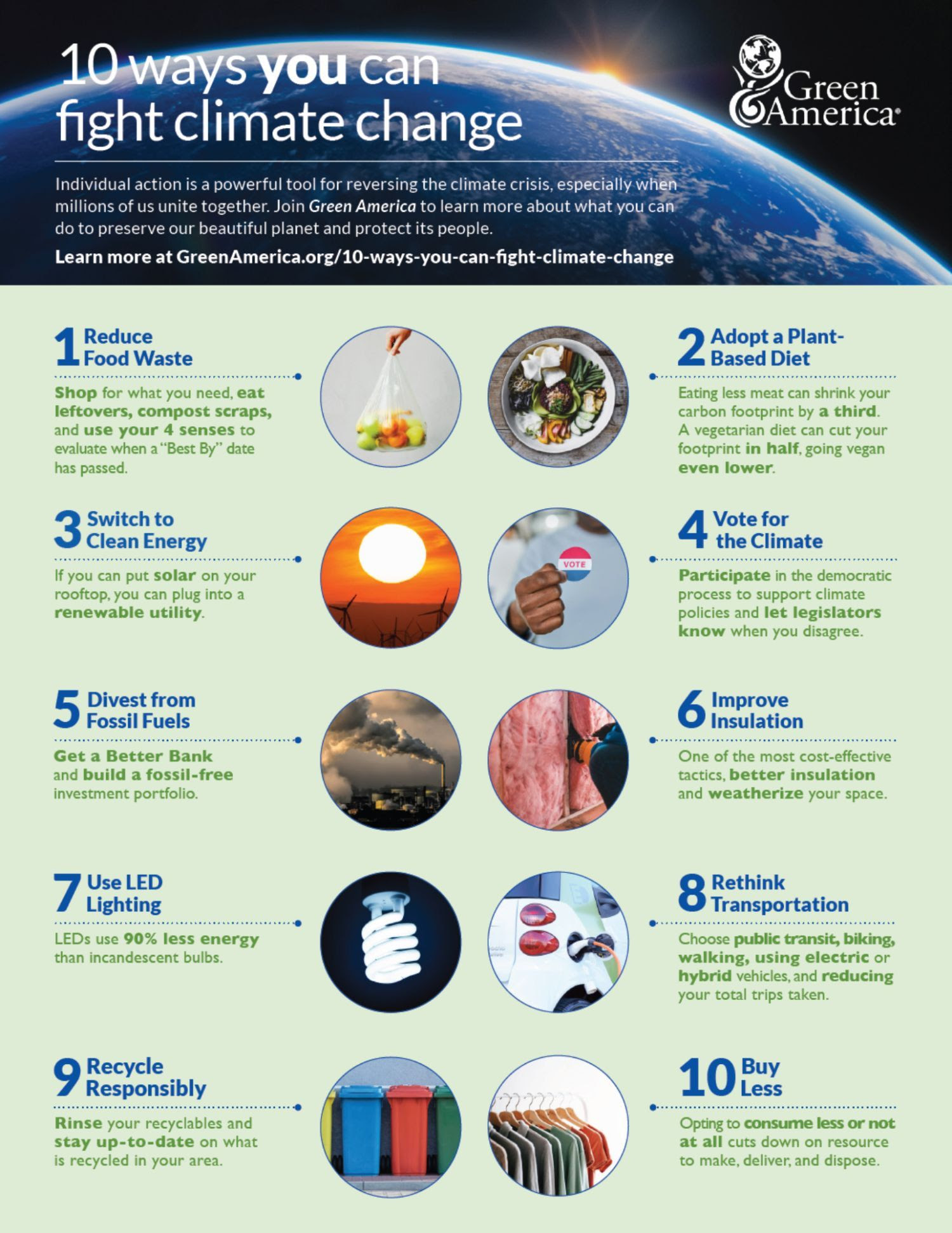
We aren’t doing enough to stop polluting our air. I love this climate poster but it is missing one crucial aspect: Use less plastic! Plastic production is a big contributor to more air pollution. Plastic is made from fossil fuels and contains many harmful chemicals. Also, there is new evidence that plastic pollution is making our oceans more acidic. https://health4earth.com/2022/07/26/how-about-a-dose-of-chemicals/

Our planet needs everyone to do their part. Start by driving less and buying less, and many of the others will fall into line! Individual action is a powerful tool for reversing the climate crisis, especially when millions of us unite together.

Reading list:

Amid a massive American clean energy shift, grid operators play catch-up – Minnesota Reformer 

House Committee Investigates the Role of PR Firms in Spreading Climate Disinformation | Sierra Club

Dutch City Is World’s First to Ban Meat Advertising – EcoWatch

Climate Change Leaves Flood Maps Outdated, FEMA Says – EcoWatch  

Pakistan Floods: What Role Did Climate Change Play? – EcoWatch

Tell President Biden and U.S. climate negotiators: The world must address climate losses and damages (sierraclub.org) 

The Planet | Alexander Verbeek 🌍 | Substack 

Plastic Free July

Welcome to Plastic Free July

Be healthier and avoid the chemicals contained in plastic!

Plastic Free July is about creating awareness about our plastic problem and to encourage individuals to move to a plastic-free lifestyle. Working together we can make a difference to reduce our plastic use and create a world free of plastic pollution.

Other than being light weight, plastic is not a good product. It is made of fossil fuels, and the production of plastic creates air pollution. It pollutes our waterways and land. Plastic also contains toxic chemicals which can poison our food and health. https://azchemistry.com/list-of-chemicals-in-plastic

Plastic particles have been found in the air we breathe and the water we drink. Plastic has been found in our blood, lungs, and the clothes we wear and food we eat. A study says we eat a credit card of plastic a week. https://www.onegreenplanet.org/environment/study-finds-we-eat-a-credit-card-worth-of-plastic-every-week/ Doesn’t this make you want to reduce your plastic?

Plastic reduction is not easy, start small with one thing to eliminate. I have 4 ideas for your #plasticfreeJuly: Start your #plasticfree month by deciding to bring your own bags and decide “no plastic bags” or use a reusable water bottle and choose not to purchase bottled water or soda. Or decide every bit of plastic you purchase must be recyclable (a lot is not), and then make sure it is recycled. Maybe, bare purchase your produce or meat without plastic. You know what plastic you use. Look at the plastic waste you create, what can you eliminate? Good Luck!

I challenge you to a July without plastic bags or plastic bottles.

States and Countries are changing the discussion on plastic:

Maine shifts the cost of recycling and trash to the manufacturers. Shifting the Costs of Recycling to Manufacturers, Not Consumers | Sierra Club

Landmark legislation in California will reduce single-use plastic by 25% over the next ten years. The ambitious law requires at least 30% of plastic items sold or bought in California are recyclable by 2028 and economic responsibility falls to producers. It’s the first state in the US to approve such sweeping restrictions. Guardian

https://www.bbc.com/news/uk-59357222  Ban on single-use moves forward in England

London theatre to ban visitors from bringing single-use plastic bottles | Royal Court theatre | The Guardian

Recycling Myth of the Month: Those numbered symbols on single-use plastics do not mean ‘you can recycle me’ – Oceana   

2022-tips-to-use-less-plastic | Choose to Reuse (hennepin.us) 

Plastic In Our Food and Air

Do we have too much plastic in our world?

Do we really want to ingest plastic microbeads every time we eat and drink?

Currently I am participating in a community plastic challenge working to reduce the plastic we send to landfills. I’m challenging myself to think of new ways I can reduce plastic in my home and for my family. It is impossible to eliminate all plastic, but we can be healthier by reducing plastic’s impact in our homes and lives.

These are the things I am working on to reduce plastic in my home:

1. Purchase fresh unpackaged produce. Always travel with reusable bags and reusable bottles and containers.

2. Store leftovers in glass containers and jars.

3. Never purchase take-out unless their containers are reusable or compostable.

4. Only cook in glass or metal pans

5. Purchase glass containers over plastic containers. Good examples are mustard, honey, and vinegar.

6. Make a conscious effort to purchase clothes, towels and sheets made of organic cotton and wool, and keeping our surroundings dusted and vacuumed will eliminate some of the microplastics we breathe.

What are the facts we know about plastic?

-Plastic production pollutes our water and air

-Plastic microfibers have been found in the food we eat.

-Micro fibers of plastic are in the clothes we wear and therefore in the air we breathe.

­-Plastic is the most common litter found in the oceans.

-Studies are just beginning on how harmful plastic is to our health.

Using glass containers gives me confidence we are reducing our plastic contamination

Reading list:

Plastics in our Food? – FOOD, FACTS and FADS (foodfactsandfads.com)

8 Everyday Foods That Contain Plastic and Safe Alternatives (nestandglow.com)

Toxic Nanoplastics Found at North and South Poles – EcoWatch 

Industrial plastics found in some fast food, researchers say | TheHill

UN to Create Global Treaty on Plastic Pollution – EcoWatch  

We Have Breached the Planetary Boundary for Plastics and Other Chemical Pollutants, Scientists Say – EcoWatch

U.S. Is World’s Biggest Producer of Plastic Waste, Report Finds – EcoWatch

California Just Passed 5 Mega Laws to Fight the Plastic Crisis – EcoWatch 

Holiday Sustainability

“We have the choice to use the gift of our life to make the world a better place–or not to bother” Jane Goodall


Our actions and daily choices speak to the world we want to create. This holiday, we can choose to make friendly choices for our planet. Instead of buying new decorations use what you have and follow these simple steps to make your decorations, gifts, and gatherings more sustainable: Seven tips for an earth-friendly holiday season (worldwildlife.org)

Look at the materials gifts are made from and keep sustainability in mind. Use paper products made from recycled materials and avoid single-use plastics that can’t be recycled. Buying secondhand items like vintage clothes, furniture, and refurbished technology is another great way to gift more sustainably.

Look for cards and wrapping paper made from recycled materials. Avoid foil-backed cards or those with **glitter—which aren’t recyclable.

ban glitter

Glitter is a microplastic!

** Reasons to avoid glitter:

A few facts about glitter will surprise you!

  • Glitter is made of a microplastic known as Mylar, which is hurting ocean life
  • This plastic accounts for 92.4% of the 5.25 trillion pieces of plastic in the ocean
  • Marine life is mistaking glitter for food, which is damaging their livers
  • Every tiny sparkly bit takes thousands of years to break down

Seven tips for an earth-friendly holiday season (worldwildlife.org)

5 Changes to Make Your Holiday Celebrations More Sustainable (thespruce.com) 

3 Major UK Retailers Are Banning Glitter This Christmas Over Environmental Concerns – EcoWatch

Plastic Recycling is Deceptive.

Not only is plastic almost imp0ssible to recycle, it becomes more toxic if it is recycled. https://www.ecowatch.com/recycled-plastics-toxic-chemicals-health-risks.html

.

Plastic recycling is very challenging. There is very little regulation of plastic in the United States. Plastic producers claim recycling is the answer to their products, but they don’t want any responsibility to pay for recycling or disposal of their products. They often they say their plastic is recyclable, when in fact it might be just one per cent recyclable or not at all.

Why is plastic recycling so hard? First there are those recycle 1-7 numbers. For something to be recycled it first needs to be collected, and then sorted into those  numbers. Next, it needs a market, or someone to buy it. All this makes plastic recycling expensive for communities (tax payers) and it is labor intensive.

 I am fortunate to live in a county (Hennepin) that makes this a priority, and I can’t express my gratitude to them enough!

Both Maine and Oregon have passed legislation to hold producers responsible for recycling and disposing of their products. This is a beginning and it is hopeful that more regulation of plastic could happen. As consumers we also have responsibility, when we purchase plastic we reinforce the idea that this is OK, and more of it is produced. The plastic chemical companies are gearing up to produce more plastic for the future, lets work to hold them accountable! Talk to your elected officials about how plastic producers should be held responsible for what happens to long lived plastics after disposal. Manufacturers also need more integrity in labeling what is in their plastic products.

On America Recycles Day recycle more of your paper/cardboard, glass and tin cans, and recycle plastic bottles and containers, but also begin to REDUCE your PLASTIC consumption.  Always bring your reusable cups/bottles, and bags for a start.

Big new goals on America Recycles Day https://thehill.com/policy/energy-environment/581578-epa-issues-national-recyling-plan-with-goal-of-50-percent-recycling

Make it a plastic-free day!

buy in bulk

Buying in bulk and refilling your bottles is the next step in reducing plastic.

Reading and watching list:

Maine Will Make Companies Pay for Recycling. Here’s How It Works. – The New York Times (nytimes.com) 

John Oliver Takes on the Plastics Industry – EcoWatch

California Just Passed 5 Mega Laws to Fight the Plastic Crisis – EcoWatch 

Plastics recycling is 90 percent garbage, John Oliver says, but that’s not your fault and there is a fix (yahoo.com) 

Watch Story of the Bottle! – Greenpeace

Virginia Governor Takes Action on Single-Use Plastics – EcoWatchBreak Free From Plastic Pollution Act Receives National Support – Center for Biological Diversity

Action Needed! Blah, Blah!

Much Much more is needed!

Love the Earth and Protect it!

The world climate summit is taking place in Glascow, Scotland. The world has known for a long time it needs to do something about our warming earth. There has been such a lack of leadership to get something done, and now we have reached a point where it has become hard to ignore. During the first week some important promises to protect forests, reduce methane and reduce coal. Will it be enough? No, but the conversation has begun. Russia and China didn’t attend so continued efforts are needed to keep them moving forward and integrate them into the discussion

In the United States the powerful lobbyists and oil industry have been able to control and stop action, and it is still happening with Joe Manchin as he hauls in the cash to resist a move away from fossil fuels.

Strong leadership and a desire to work together needs to come out of this important conference. Together everyone is the solution to our climate, We must all set this as a priority over greed, lies and waste.

Everyday we make an impact, make it positive!

Speak out for change! Work for a healthy future!

During the pandemic 2020 carbon emissions were reduced and we can do it again. Everyday with just a little effort, we can make an impact, and move to a new future of sustainability  Let’s start now by buying less junk, reduce our plastic use**, stop idling our engines, and a couple days a week eat meatless. Try walking and riding public transportation, you might like it!

There are some hopeful things happening in the world:

From Future Crunch:    Future Crunch Good – Bing News

 Amazing: Cars powered by combustion engines now make up less than 10% of sales in Norway, and forecasts suggest the country’s last sale of a new petrol or diesel car will come in April 2022, three years ahead of what was already the world’s most ambitious target.  Drive

 Russia has committed to carbon neutrality by 2060, Turkey has finally ratified the Paris Agreement, and the UAE has become the first petro-state to commit to net zero by 2050. Critics say these pledges aren’t enough, but they’re missing the point. They’re not promises. They’re ratchets – once announced, they only increase in ambition.

China has begun construction on the largest and most ambitious clean energy project of all time, 100GW of wind and solar in its western desert. That’s more than the entire existing wind and solar capacity of India, and will be able to generate four times as much power as the Three Gorges Dam. Bloomberg

The important question is what happens after the summit? Countries should be meeting yearly to report their progress and set new goals. Also, continued work needs to be done getting all countries involved.

Reading/listening list:

Report warns of climate change’s ‘code red’ impact on health – CNNReport warns of climate change’s ‘code red’ impact on health – CNN  

Jane Goodall: Every day you live, you impact the planet | TED Talk  

Could climate change lead to war? It’s a growing geopolitical threat | Star Tribune     

Plastics Could Release More Emissions Than Coal by 2030, Study Finds – EcoWatch 

‘Last, best hope:’ Leaders launch crucial UN climate summit – ABC News (go.com) 

Climate summit sees new pledges on cutting methane, saving forests (yahoo.com)

Financial Industry, With $130 Trillion, to Pursue Climate Goals – The New York Times (nytimes.com)   http://www.tucsonsentinel.com/nationworld/report/110521_cop_26_action/cop-26-doesnt-look-so-hopeful-countries-living-climate-emergency/

**Why we need to reduce our use of plastic:  Plastics are on track to contribute more climate-change-causing emissions (to the tune of at least 232 million tons of greenhouse gases annually) than coal plants by 2030, according to a new report out of Bennington College. The reason? As fossil fuel companies seek to recoup falling profits, they’re increasing plastics production.    REPORT: The New Coal: Plastics & Climate Change — Beyond Plastics – Working To End Single-Use Plastic Pollution  

The Cost of Bottled Water

We are at the end of World Clean Up Month. As we pick up trash and works to keep our Earth clean, I always wonder, “What can we all do to keep the Earth cleaner and healthier?”

Bring your reusable water container.

reusable containers

My reuseable lunch containers

Today I walked by a car that had it’s back seat full of bottled water, and too often I see people with grocery carts full of bottled water. Why not purchase a large reusable container and fill that at a store? You could save hundreds of plastic bottles from ending in the landfill and live a more sustainable life.

I have confidence in our public water supply. I know where I live it is safe!

What are the costs of bottles water to our environment? A study done in Spain answers this question. Recycling and water in every community is different so we can’t make big generalizations, but in the United States recycling of plastic is only 9 tp 11% which makes bottled water awful for the environment. Also, the production of plastic uses fossil fuels and pollutes our air.

The study found that the environmental toll of bottled water was 1,400 to 3,500 times higher than that of tap water.

Another problem with bottled water is that companies like Nestle take free public water from aquifers to bottle and sell to the public. This is happening on Lake Superior right now (Lake Superior is not for sale). What a racket! Maine has passed a law to make companies responsible for recycling their products instead of the taxpayers. Read about it here Maine Will Make Companies Pay for Recycling. Here’s How It Works. – The New York Times (nytimes.com) 

Read the Spain study here:

What Is the Environmental Cost of Bottled Water? – EcoWatch  

https://www.lakesuperiornotforsale.com/home

https://www.plasticpollutioncoalition.org/blog/2021/9/10/watch-story-of-plastic Watch the excellent documentary, The Story of Plastic.

Make it Plastic Free

The best time to start Plastic Free July was on July 1, but the second best time is today. Become aware of the plastic you use everyday all year! Plastic Free July is a world wide movement to become aware of the amount of plastic we use in our lives. It is about finding alternatives to the tons of plastic the world uses everyday. We are filling our bodies, our oceans, rivers and land with plastic. Plastic that will survive hundreds of years. Reducing our single-use consumption can make a big difference.

Reuse and Refuse plastic!

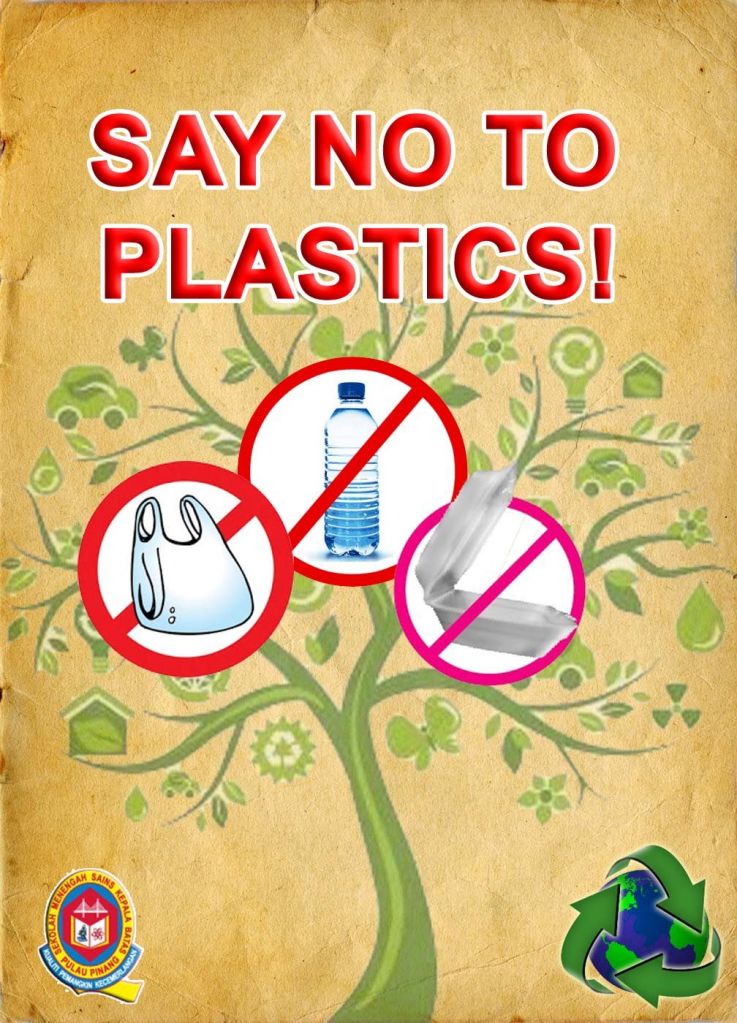
So what are single use plastics? Single-use plastics are items meant to be trashed after use. Single-use plastics are used for packaging and items such as bottles, wrappers, straws, and bags.

Survey your garbage, what plastic does it contain? Can you recycle any of it? What does it tell you about your choices and purchases? What plastic items do you think you could do without? Is there someway you can have less plastic garbage?

Don’t try to go plastic free to start, it’s close to impossible in the world we are living, but awareness and one item at a time is success!

July is plastic-free month

“Please, No straw!”

What is one plastic item you can give up? Baggies? Produce bags? Bottled water? Plastic straws? Plastic utensils? Styrofoam? For the next two weeks, don’t purchase or use that item. Hopefully, you can live without that product, and then choose another plastic item you can also end using. Keep it simple, don’t try to do too much. Simple steps will lead to more success and less frustration. There is nothing easy reducing plastic in our plastic world. Good luck as you begin a new journey of more sustainable and healthy living.

reuse

Reusable cloth produce bags

Ask me if you need help, I have been on this plastic free journey for years, and constantly learn new ways to reduce plastic. It is rewarding to know you have lightened your plastic footprint. Good luck!

Model a new way forward: “When we use disposable items, we send a message: this is what we want, keep it up, make more of this. When we refuse, and choose reusable, we model another way forward. Our choices can make a difference. Let’s make them count!” PlasticfreeTuesday 

Many ideas to reduce plastic use:

How to Get Rid of Throwaway Culture – YES! Magazine (yesmagazine.org)

Getting started – Plastic Free JulyGetting started – Plastic Free July 

Plastic Free July – Be Part of the Solution   

New Zealand to Ban Most Single-Use Plastics by 2025 – EcoWatch

Here’s What Happens When You Eat From Plastic Containers – EcoWatch 

How Plant-Based Packaging Can Solve the Plastic Crisis – Business and Tech (futureofbusinessandtech.com)  


The Story of Plastic (animated short) – Story of Stuff

Pandemic pollution: Disposable masks, gloves are saving lives but ruining the environment | PBS NewsHour

Seven ways to go plastic free for Plastic Free July – Greenpeace Aotearoa

Norwex Movement  10 ways to be plastic-free

The Challenge of Plastic

Do the best you can until you know better, then do better” Maya Angelou


Covid-19 has been a plastic disaster. As we climb out of this abyss we must take single-use plastic seriously. We also need to hold companies accountable for bad packaging.

Why as taxpayers and citizens are we paying the price of this environmental disaster of plastic while the creators of this packaging have no responsibility? The landfills in the county where I live are full, and plastic trash can last for hundreds of years, maybe forever!  What are the manufacturers of this plastic thinking other than profit? As consumers we are also at fault. If we keep buying this plastic packaging they will keep making it!

July is plastic-free month
Work to reduce your plastic footprint

How can we all reduce our landfill trash? Surveying my garbage I find I have way too much plastic that cannot be recycled, and most of it is # 7 plastic that cannot be recycled.   Why would companies use plastic that can’t be recycled? I decided to ask them. I sent an emails or telephoned Wyman’s Blueberries, Bob’s Red Mill, Morning Star and Gardein.  A few companies admitted they wished their  packaging was better, but it was a freshness and a cost issue to stay competitive. What about the costs to the environment and our health? 

#7 plastic is a mixture of different plastics and it is designed to make it hard to know what it contains. It can contain harmful chemicals like BPA. Don’t purchase it, and don’t purchase any plastic that can’t be recycled!

Model a new way forward: “When we use disposable items, we send a message: this is what we want, keep it up, make more of this. When we refuse, and choose reusable, we model another way forward. Our choices can make a difference. Let’s make them count!” PlasticfreeTuesday 

Also choose reusable masks and gloves!

Bob’s Red Mill was the most disappointing of the companies I contacted. They sell lots of products, many that are hard to find, and have a monopoly on some products. Bob’s has a trusted reputation of being  healthy and sustainable. I am sad they use awful  # 7 packaging, and at our house we won’t purchase their products or any #7 plastic until their packaging improves.

Please recycle plastic bags at grocery stores!

The good news is that by being a smarter shopper it is possible to find items that are packaged in recyclable #4 plastic. These #4 bags need to be dropped off at grocery stores for store recycling. They should not be placed with your normal plastic recycling because they disable the sorting machines.

health4earth
Bring your own reusable bags.

Lets hold plastic producers accountable and avoid harmful plastic. It is always best to reuse bags and containers when possible, but sadly that often is not an option. However, with new awareness we can do better, one plastic item at a time.

Reading list:

Tips & tricks for grocery shopping with less waste (plasticfreetuesday.com)

Solving Packaging

Virginia moves closer to ban plastic foam containers | Environment | rappnews.com 

Action item: Can you join me and take action demanding President Biden act on plastics? Click here: https://actionnetwork.org/petitions/president-biden-be-a-plasticfreepresident?source=email&