Drought, famine, flooding, storms, hurricanes. We are living at a time of extremes. There is either not enough water or too much water? Is our beautiful fragile planet paying us back for all the abuse it takes? I think the warming of the oceans has a lot to do with our extremes. Our oceans absorb the carbon dioxide and pollution causing them to warm and oceans have a lot to do with weather systems. Climate change also impacts the intensity of Hurricanes. In recent years, a higher proportion fell into Category 4 and 5, a trend that is expected to continue.
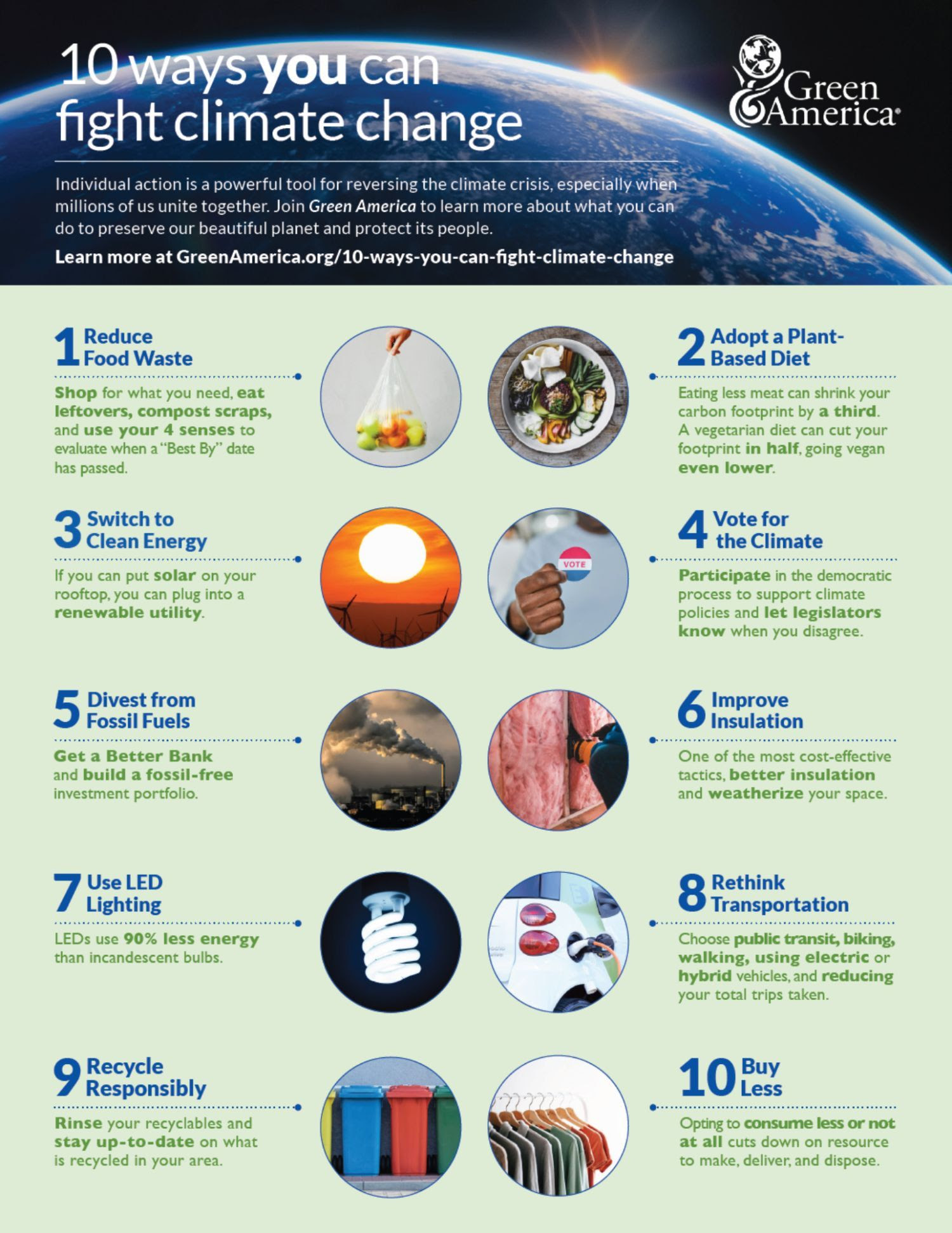
We aren’t doing enough to stop polluting our air. I love this climate poster but it is missing one crucial aspect: Use less plastic! Plastic production is a big contributor to more air pollution. Plastic is made from fossil fuels and contains many harmful chemicals. Also, there is new evidence that plastic pollution is making our oceans more acidic. https://health4earth.com/2022/07/26/how-about-a-dose-of-chemicals/
Our planet needs everyone to do their part. Start by driving less and buying less, and many of the others will fall into line! Individual action is a powerful tool for reversing the climate crisis, especially when millions of us unite together.
“As long as we have humanity, we have hope!” Amanda Gorman
Peace for Ukraine
Last night I had the strangest dream, I dreamed the world had put an end to war!
2022 Peace Day Theme: End Racism. Build Peace.
We all have a role to play in fostering peace. Tackling racism is a crucial way to contribute to this effort.
#PeaceDay
I’m calling on Valdimir Putin to end this awful war in Ukraine. This is an unjust attack on innocent people. I traveled to Ukraine about ten years ago. The people were charming and worked so hard to help and communicate with us. We loved the beautiful country and people. This is an unjust war and Putin needs to be held accountable.
In the past month I have read three books about immigrants. The dangerous journeys they take to escape violence are incredible. It is amazing they survive and they should be treated with kindness and understanding by all of us that have been lucky to live a life of freedom and safety.
Kindness makes a difference!
Reading list:
Ukrainian troops took the city of Izium in the country’s east from Russian forces, and made more gains in other regions, the military said.
The seizure was the latest triumph in a Ukrainian advance that has reshaped the war in just days.
Here’s where Russian forces are retreating in northeastern Ukraine.
Once-vocal supporters of Russia’s invasion criticized President Vladimir Putin over the retreat.
Bridge building has become a crucial, if low-tech, tool for both sides in the war.
World Cleanup Day is the world’s largest one-day civic action engaging more than 191 countries to tackle the global waste crisis. World Cleanup Day is not just about cleanups. It’s a strong and unique movement that shares the dream of a waste-free world. Join World Cleanup Day on 17th September 2022!
September is a month of change. Many are going back to school, the weather is changing, days are shorter, and the monarch butterflies and hummingbirds in my yard are refueling for migration. May you take a lesson from the monarch butterflies to be energetic, happy and kind. What can we all do in our little piece of this vast planet to make the world and others happier and more kind?
Monarch butterflies bring joy
We all want our children to be safe, happy and kind. We want them to live in a healthy safe world. Some of this is hard to control, but we expect them to be safe while outside playing, walking to school, taking the bus, in their schools, and in in all aspects of their lives.
Have you thought of the unhealthy plastic children come in contact with daily? Plastic is loaded with unhealthy chemicals, and there are things you can do to reduce plastic exposure. Manufacturers use chemicals to make plastic soft and other chemicals to make it hard. We shouldn’t expose children to unhealthy materials especially when we have no idea what the long-term effects will be on them.
If you have children I would make an effort to reduce their plastic exposure.
Below are some ideas to reduce back to school plastic exposure. I am not recommending you go out and purchase new items, but hoping this list will give you ideas to reduce your plastic consumption, and reuse items you have within your household to keep children safe.
Lunchtime is a common culprit for plastic pollution in a student’s school day. If your student brings their lunch to school, there are many ways to keep the plastic out. Replace the typical plastic zip-top bag, plastic wrap, with aluminum foil, stainless steel food containers, or paper or cloth bags
2. Cotton and wool lunch bags
Once you’ve eliminated plastic from the inside of your student’s lunchbox, it’s time to tackle the lunchbox itself. Washable lunch sacks are a good option, and they are widely available at most secondhand shops. Look for plastic-free options such as old-school aluminum lunch boxes, or a lunch bag made from natural materials like this cotton and wool one from Life Without Plastic.
3. Plastic-free school supply essentials
Many back-to-school supply lists are unfortunately filled with plastic items (which, even worse, are often sold wrapped in plastic packaging). Shop for an excellent selection of plastic-free back-to-school essentials like notebooks, pencils, markers, papers, planners. Look for options that have less plastic!
4. Stainless steel water bottle
Studies show that there is 50% more microplastic in (plastic) bottled water than tap water. And plastic bottles—like all plastics—contain chemicals that harm human health. In addition to being healthy, plastic-free, stainless steel reusable water bottles are long-lasting, economical, and easy to use and clean.
Finally, have a new school year filled with happiness, kindness, and lots of new learning and ideas.
Reading List;
“One out of six children in the United States suffer from a neurodevelopmental disability, and there is strong evidence that links chemical exposures to neurodevelopmental delays.”
Many of the world’s plastic containers and bottles are contaminated with toxic PFAS, and new data suggests that it’s probably leaching into food, drinks, personal care products, pharmaceuticals, cleaning products and other items at potentially high levels.
15 List of Chemicals in Plastic – Properties – Dangers – AZ Chemistry Meanwhile, there are many list of chemicals in plastic are harmful for our body, and also bad for our Earth. To be wise, it’s better to at least reduce the use of plastic in our daily life. Thus, we may replace plastic with more friendly product.
The first list of chemicals in plastic is Phthalate, the esters of phthalic acid. The main use of phthalate is as plasticizers, to increase flexibility, transparency, durability, and longevity. Factories made phthalate by reacting phthalic anhydride with alcohols.



 Health4earth