Plastic and our Health

Plastic pollutes our environment and bodies every phase of its life, from extraction, to production, to its use, and then disposal. Also, plastic harms our bodies and contributes to climate change every step of its long plastic life.

This is all depressing, but it is information everyone should know.

Plastic particles can cause heart attacks and strokes, cancer and dementia, but absolutely the worst is plastic and children. Please pay attention.

A group heavily harmed by use of plastics are fetuses and newborns, who absorb microplastics through the mother’s body and breast milk, and young children, who are especially sensitive to plastic chemicals that leach into our food and beverages because their bodies and systems are developing so fast. Landrigan, who is co-author of the book “Children and Environmental Toxins. What Everyone Needs to Know,” said, “Toxic chemicals can damage babies and children at the lowest detectable levels.”

“Brain damage caused by plastic chemicals can contribute to autism, ADHD and IQ loss, The only treatment is prevention of exposure.”

Pediatrician Describes Health Risks and Solutions to Country’s Plastics Problem

Posted on August 24, 2023

Microplastics infiltrate all systems of the body, causing behavioral changes.
Neuroscience Pharmacy Professor Jaime Ross’ study finds ‘widespread’ infiltration, potential for serious health consequences, including Alzheimer’s.

“The brain blood barrier is supposed to be very difficult to permeate. It is a protective mechanism against viruses and bacteria, yet these particles were able to get in there. It was actually deep in the brain tissue.”

Another article

How Plastic Created One of the Most Dire Crises Humanity Faces Today  by THOM HARTMANN, AUG 29, 2023

https://hartmannreport.com/p/how-plastic-created-one-of-the-most-598
“The researchers found that the particles had begun to bioaccumulate in every organ, including the brain, as well as in bodily waste.”
 Microplastics and nanoplastics can have a wide variety of negative effects on There are studies showing microplasstics and nanoplastics can contribute to or cause everything from heart attacks and strokes to cancer and dementia. … and breast and colorectal cancer.

https://pubs.acs.org/doi/full/10.1021/acs.est.3c01942 This article deals with storing food in plastic. I think it is very worthwhile. Plastic pouches are the worst!
A Clean and Healthful Environment

It is up to all of us to create a healthy environment.

Do we have a right to a clean and healthful environment?

A Montana state judge sided with 16 young people in the country’s first ever constitutional climate case. The judge ruled that youth had a right to a healthy environment. This trial comes after state lawmakers passed legislation that allowed fossil fuel projects to be permitted without considering the climate impact and greenhouse gas emissions from their legislation causing harm and injury to Montana’s youth— a violation of their state constitutional right to a ‘clean and healthful environment.’

This should be a message to all of us. We all need to work to create a “clean and healthful environment” for our youth and for all of us. Everyday, we need to reduce our fossil fuels by driving less, buying less, not idling our cars, and reducing our use of plastic.

According to NOAA, Earth has just experienced the hottest July in 174 years of records, and the hottest eight Julys in the past eight years.

We all have experienced “Global Burning” and tragic weather events causing much loss of life and destruction. We must work together for a more stable future environment with clean air and clean water.

If everybody does a little it adds up to a lot! We all want to live in healthy communities, and everyone must do their part.

Is the judge’s ruling coming too late for some of our young adults? https://www.webmd.com/cancer/news/20230817/cancer-rates-rise-among-people-under-age-50

World Oceans Day

Celebrate and love our oceans, make it a plastic-free day!

Make it a day without plastic!

World Oceans Day | United Nations 

The ocean covers over 70% of the planet. It is our life source, supporting humanity’s sustenance and that of every other organism on earth. 

The ocean produces at least 50% of the planet’s oxygen, it is home to most of earth’s biodiversity, and is the main source of protein for more than a billion people around the world. Not to mention, the ocean is key to our economy with an estimated 40 million people being employed by ocean-based industries by 2030. 

Even though all its benefits, the ocean is now in need of support. 

With 90% of big fish populations depleted, and 50% of coral reefs destroyed, we are taking more from the ocean than can be replenished. We need to work together to create a new balance with the ocean that no longer depletes its bounty but instead restores its vibrancy and brings it new life. 

“Planet Ocean: tides are changing”, is the theme for World Oceans Day 2023 – the UN is joining forces with decision-makers, indigenous leaders, scientists, private sector executives, civil society, celebrities, and youth activist to put the ocean first.  The UN

What is the Great Pacific Garbage Patch? (noaa.gov) World Oceans Day | United Nations 

A treaty to protect the world’s oceans has been agreed after a decade of talks : NPR 

Zero Waste

Today is the first International Day of Zero Waste!

Buy less, reuse and refuse!

What is zero waste? https://health4earth.com/2022/01/21/what-is-zero-waste/

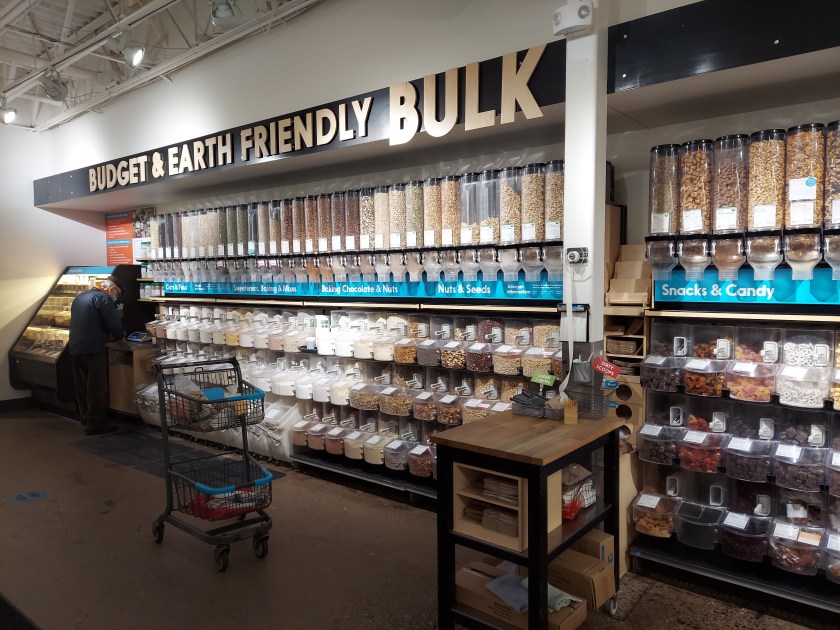
Refill your own containers in the bulk section of food co-ops.

Reduce your plastic consumption!

“Zero-waste initiatives can foster sound waste management and minimize and prevent waste. This contributes to reducing pollution, mitigating the climate crisis, conserving biodiversity, enhancing food security and improving human health. The International Day of Zero Waste aims to promote sustainable consumption and production patterns and raise awareness about how zero-waste initiatives contribute to the advancement of the 2030 Agenda for Sustainable Development.

Humanity generates an estimated 2.24 billion tons of municipal solid waste annually, of which only 55 per cent is managed in controlled facilities. By 2050, this could rise to 3.88 billion tons per year. The waste sector is a significant contributor to greenhouse gas emissions in urban settings and biodiversity loss. Around 931 million tons of food is wasted each year, and up to 37 million tons of plastic waste is expected to enter the ocean annually by 2040.

The United Nations General Assembly formally recognized the importance of zero-waste initiatives and proclaimed 30 March as the International Day of Zero Waste, to be observed annually beginning in 2023.

Zero-waste initiatives can foster sound waste management and minimize and prevent waste. This contributes to reducing pollution, mitigating the climate crisis, conserving biodiversity, enhancing food security and improving human health.

The United Nations Environment Programme and UN-Habitat will facilitate the observance of the Day. All Member States, organizations of the United Nations system and relevant stakeholders are encouraged to implement zero-waste initiatives at local, regional, subnational and national levels.” The United Nations

https://upstreamsolutions.org/why-we-cant-recycle-our-way-out-of-the-problem

A Plastic Trashed Ocean

People have plastic trashed the world’s oceans. Our oceans hold 21,000 pieces of plastic for each person on Earth!  That is 170 trillion pieces of ocean plastic, unfortunately there is probably much more.

Creek near my home drains into the Mississippi River, and then into the Gulf of Mexico.

I live in the middle of the United States about as far away from an ocean as possible yet the plastic from my neighborhood can easily reach the Gulf of Mexico. A creek 5 blocks from my house runs into the Mississippi River which runs into the world’s oceans. A plastic bottle from Minneapolis finds an easy, but long journey into our oceans. Everywhere on Earth there are rivers and streams carrying plastic trash. Read more at: Oceans littered with 171 trillion plastic pieces – BBC News  

These rivers carrying plastic and other trash drain into the Gulf of Mexico.

What are some things you can do? 7 Solutions to Ocean Plastic Pollution – Oceanic Society  

1. Reduce Your Use of Single-Use Plastics 

START NOW! Wherever you live, the easiest and most direct way that you can get started is by reducing your own use of single-use plastics. Single-use plastics include plastic bags, water bottles, straws, cups, utensils, dry cleaning bags, take-out containers, and any other plastic items that are used once and then discarded. 

The best way to do this is by a) refusing any single-use plastics that you do not need (e.g. straws, plastic bags, takeout utensils, takeout containers), and b) purchasing, and carrying with you, reusable versions of those products, including reusable grocery bags, produce bags, bottles, utensils, coffee cups, and dry cleaning garment bags. And when you refuse single-use plastic items, help businesses by letting them know that you would like them to offer alternatives. More ideas here: 7 Solutions to Ocean Plastic Pollution – Oceanic Society  

How much plastic is in the ocean? — 5Gyres.org   

‘Unprecedented Levels’ of Plastics Entered World’s Oceans After 2005, Study Finds – EcoWatch 

Plastic Consumption Could Nearly Double by 2050 Without Ambitious UN Treaty – EcoWatch 

But there is good news about oceans also. Read about the historic ocean agreement: The Inside Story of ‘the Largest Conservation Agreement in the History of the World’ – EcoWatch 

Forever Chemicals are Everywhere

PFAS (forever chemicals) have been polluting our air, water and bodies for too long! They are made by 3M and Dupont

It is so sad that a company like 3M has been allowed to pollute our land, water and bodies for so long. People have died and suffered because of their negligence.

Last week the Minnesota Reformer released a yearlong investigation on 3Ms PFAS chemicals, and concluded 3M couldn’t survive as a company with all the litigation taking place against them.

3M must of come to the same conclusion that they needed to stop making PFAS or they wouldn’t survive. 3M Says It Will Stop Making and Using Forever Chemicals by End of 2025

There must be something in the water – Minnesota Reformer  

Toxic: 3M knew its chemicals were harmful decades ago, but didn’t tell the public, government – Minnesota Reformer   

3M contines to argue their chemicals are not harmful. The evidence shows a different story.  

3M — the Scotch tape company — is a huge producer of PFAS, which it began manufacturing in Minnesota in the 1950s. By the 1960s, that work was generating 4 million gallons of wet chemical waste each year. 3M disposed of that waste by dumping it in unlined pits in the ground, even after officials allegedly knew it was polluting the groundwater. 

Internal 3M documents show that company officials were warned repeatedly that the chemicals were toxic, and that they were accumulating in the environment and in blood samples from both humans and animals. Those conversations, which began in the 1950s and continued for nearly 50 years, included details about two internal studies — one on fish, another on monkeys — that had to be abandoned because the subjects kept dying after being exposed to the (purportedly nontoxic) chemicals. By 1983, 3M’s own scientists had concluded that concerns about its chemicals “give rise to legitimate questions about the persistence, accumulation potential, and ecotoxicity of fluorochemicals in the environment.” 

The story does not end here. these chemicals exist everywhere. Who is responsible for cleaning them up? Who is responsible for the medical bills of the people and children with health issues from these chemicals? Clean-up of chemicals

A Plastic Treaty Needed

The first round of negotiations on a global treaty to halt plastic pollution has ended in a split on whether goals and efforts should be global and mandatory, or voluntary and country-led.

More than 2,000 delegates from 160 countries met in Uruguay for the first of a planned five sessions of the Intergovernmental Negotiating Committee (INC), a UN negotiating body aimed at crafting the first legally binding agreement by the end of 2024.

The world desperately need a plastics treaty and it will be a long process to agree to something. The chemical industry that produces plastic plans to make more and more plastic, and controlling a strong industry is difficult! They argue recycling is the answer, but they have done a terrible job making plastic recyclable and safe for the public. Recycling is not the answer, less than 9 percent has been recycled since plastic’s creation. 

If there is one thing you do for your health, don’t drink bottled water!

Plastic particles are in our organs and blood streams. Plastic particles are in our babies when they are born. Plastic contains lots of toxics, I would avoid eating and drinking from plastic containers! 

Macroplastics like bags and bottles, and microplastics like fibers from synthetic clothing—is a planetary catastrophe of the highest order, and one that’s getting exponentially worse. Humanity is now churning out a trillion pounds of plastic a year, and that’ll double by 2045. The Planet Desperately Needs That UN Plastics Treaty | WIRED   

Buy Nothing Day

Use your power as a consumer to create a better world!

Today is Buy Nothing Day, it is a day to turn our back on the awful obsession with consumerism we have in the United States. The things we purchase put stress on all our resources, water, air, time, energy, and landfills. All the stuff we buy contributes to the climate crisis! Do you really need more junk? Give thanks for what you have and all the people in your life. Be grateful for our beautiful planet, and for all you have. Instead of shopping spend your day outdoors or spend time doing something creative. Instead of shopping for happiness take deep breaths and do something you love. All the state parks in my state are free today, and I’m off for a long walk!

From Thanksgiving to New Year’s Day, household waste increases by more than 25%. Added food waste, shopping bags, packaging, wrapping paper, bows and ribbons all adds up to an additional 1 million tons a week to our landfills. (Source: EPA

The Story of Stuff – Story of Stuff  

 A consumer is powerful. The choices we make, and what we purchase changes marketing and products, and as consumers we can make a big difference by the choices we make.  These choices can make a positive change on the environment creating a more sustainable world. 

  • Heighten your awareness of packaging and waste, choosing products with minimal or no wasteful plastic packaging. 
  • Always shop with reusable bags. 
  • Never purchase products with glitter or Styrofoam. They can’t be recycled and are harmful to wildlife.
  • Shop reuse stores. Some of my favorite clothes and items come from consignment stores. 
  • Shop bulk items. 
  • Shop in bulkBuying in bulk is a good way to manage food waste, and plastic waste. Bring your own bags or containers. 

  • Shop retailers that pay living wages and are local over big box stores. 
  •  Buy nothing and reuse what you have! 
  •  Purchase items that will last instead of cheap junk. 
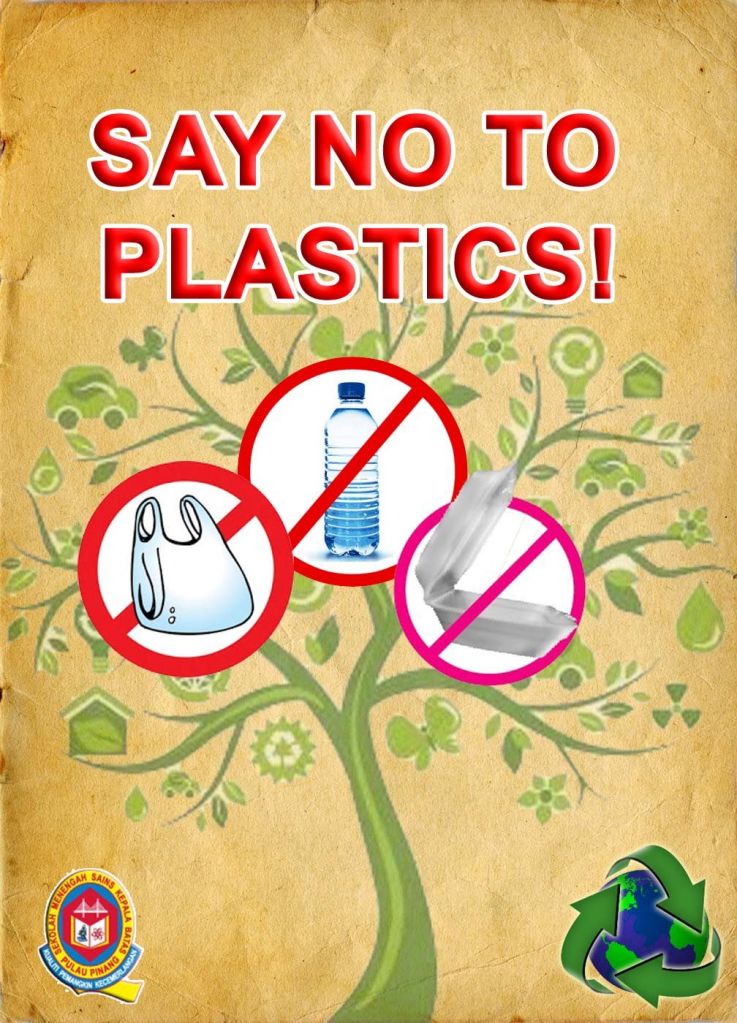
  •  Avoid all single-use plastic 
  • Make your own choices and be creative, don’t be owned by corporations like Apple, Target, Amazon etc. 

Recycle or Landfill?

It is America Recycles Day. Is it a joke or is it real?

Producers of plastic need to be held responsible for the environmental disaster they have created! What do all those recycling numbers (1-7) mean?

Are we living in a fantasy world about recycling? For many years I have been so hopeful and happy as recycling has become the norm, but now new studies show it is not as wonderful as we had hoped. Only 5 to 9 percent of plastic produced has ever been recycled. The fact is, a lot of plastic packaging, even with those silly 1-7 numbers, is NOT recyclable! Companies and plastic producers **greenwash by claiming to recycle more than they do, and they greenwash by claiming their product is recyclable.

What about recycling paper, metal and glass? Are these recyclables? Paper, metal, and glass are valuable to recyclers, and do have a new life when recycled. Paper, glass and metal all have markets for their recycled material and can be recycled over and over.

Plastic is another issue. Markets for plastic are scarce. Also, plastic is loaded with harmful chemicals, and after being recycled the toxics become more concentrated. Even though the plastic chemical industry says they are recycling their products, the reality is very different. It makes me very sad, but I’m afraid the recycling of plastic is becoming a myth

“There’s a long history of corporations, and especially plastic makers, touting their products as recyclable to prevent regulation and public backlash. Many plastic items in the grocery store have a set of three arrows forming a triangle with a number in the middle—but it’s not a recycling symbol. It’s a resin stamp indicating roughly the type of plastic it is. The petrochemical industry created it to make consumers think the item is recyclable.” Greenpeace Report: ‘Most Plastic Is Just Not Recyclable’

Landfill or recycle: Working to recycle is still better than sending the packaging to the landfill. The plastic will sit in the landfill 5oo or longer years, where at least with recycling there is a chance, maybe someday, it will be turned into something new. Officials where I live claim collected plastic is turned into decking, siding, and lawn chairs. I still hope that is the case!

As a society we need to hold the producers of plastic accountable to create a product that can be recycled, a product that doesn’t contain toxic chemicals. Producers of plastic need to be held accountable for their product’s end of life.

Please recycle as much as you can, but also reduce the plastic that you use and plastic. Our planet and your health will be better for it! Thank you.

**What is Greenwashing? Pretending to be greener than in reality you are.

TerraCycle Collects Plastic Waste. Does It Really Get Recycled?

(bloomberg.com)   Greenpeace report finds most plastic goes to landfills as production ramps up : NPR