Blue Zones and Our Planet

The choices we make for food are some of the most powerful we make for the planet. Reducing our meat consumption, reducing foot waste, and reducing plastic packaging make a huge impact.

This is such a thoughtful Earth Day post by Dan Buettner. I need to share it! Enjoy.

“On the places where people live the longest, Earth Day isn’t a date on the calendar.

It’s a way of life.

In Ikaria, Greece, families gather around tables that haven’t changed much in generations—bowls of beans, fresh vegetables, wild herbs, and homemade bread. In Okinawa, Japan, elders still tend small garden plots, growing the same nutrient-rich foods they’ve eaten since childhood. In Nicoya, Costa Rica, meals are cooked slowly, with care—and rarely, if ever, wasted.

No compost bins. No food miles calculators. Just deeply rooted habits that naturally care for the Earth.

1. The quiet climate action on your plate

Globally, what we eat has a bigger impact on the planet than how we commute or what we recycle. But in blue zone communities, where chronic disease is rare and centenarians are common, food systems look strikingly different from the modern industrial model.

People grow what they can, shop close to home, and cook meals from scratch. It’s not about perfection—it’s about patterns. These aren’t grand gestures or sweeping declarations of sustainability. They’re quiet, everyday acts: soaking beans overnight. Picking greens before lunch. Making soup with what’s left in the fridge.

Over time, those patterns add up—not just to better health, but to a lighter impact on the Earth.

2. Plants, beans, and the power of simplicity

At the heart of every long-lived kitchen is a humble foundation: beans. Black beans in Nicoya. Garbanzo beans in Ikaria. Soybeans in Okinawa. They’re eaten nearly every day, often with greens, grains, or root vegetables.

This isn’t just a healthy way to eat—it’s one of the most sustainable. According to environmental researchers, shifting toward a plant-forward diet can significantly reduce greenhouse gas emissions, conserve water, and use less land.

And yet, the secret isn’t just what’s on the plate. It’s the simplicity of it. Meals are built around a few affordable, nourishing ingredients. They’re not flashy, but they’re deeply satisfying—and deeply kind to the planet.

3. Homegrown, seasonal, and slow

Long before “farm-to-table” became a restaurant trend, it was simply how people ate. In blue zones, food is closely tied to the rhythms of the land. Tomatoes are eaten in summer. Squash in fall. Greens in spring. Root vegetables in winter.

Backyard gardens are common. So are farmers’ markets and community exchanges, where excess harvests are shared instead of tossed. Eating this way naturally cuts down on packaging, long-haul transportation, and overprocessing.

But more than that, it builds connection—to the Earth, to the seasons, and to each other. In every longevity hotspot, food isn’t just fuel. It’s a daily relationship with the land.

4. Fewer packages, more presence

A meal made from scratch doesn’t just nourish your body. It also avoids the packaging, additives, and excess waste that come with processed convenience foods.

In blue zones, people rarely rely on single-use plastics or highly packaged meals. Leftovers are stored in reused jars. Lunches are wrapped in cloth. Bread is baked, not bought. There’s a natural resourcefulness that comes from making do with what you have—and wasting as little as possible.

But the deeper benefit might be this: when meals take time, they also become something to slow down for. Cooking becomes a ritual. Eating becomes a shared experience. And in a world that often feels rushed, that presence is a gift—to both you and the planet.

5. A better way, one bite at a time

You don’t need to grow your own food or cut out all packaging to make a difference. Start with what feels doable.

Try cooking one plant-forward meal each day. Choose in-season produce when you can. Make beans in big batches. Learn one simple recipe that becomes your new staple. Keep a cloth tote in your car. Compost your scraps if you’re able.

Small changes, done consistently, can be powerful. And they often ripple out—toward better health, deeper joy, and a gentler impact on the Earth.

This Earth Day, remember: the way we eat is one of the most personal—and powerful—climate choices we make.

And if it also adds years to your life? Even better.
” Dan Buettner

In the blue zone of Sardinia, akentannos is a toast often used. It means ‘May you live to be 100 years.’

Akentannos!

…And tread lightly on our Earth!

World Water Day

We need to work harder to protect our nation’s water!

Water is life It is so important for healthy living. Every day each of us must do what we can to protect our planet’s precious water.

It is shameful the poor job we do to take care of our fresh water. Our fresh waterways are teaming with microplastics, nitrates and forever chemicals. None of these are safe for human exposure.

Today I am focusing on two crucial pollutatnts to our water. PFAS chemicals and nitrates. In 2023 the Minnesota legislature passed a strict law restricting PFAS (fovever chemicals) Unfortunately, many companies with PFAS in their products are trying to weaken Minnesota’s PFAS legislation. Read more about it below:

First, here is information on efforts to weaken Minnesota’s new PFAS(forever chemical law)

At least 70 million Americans get their water from a system where toxic PFAS “forever chemicals” were found at levels that require reporting to the Environmental Protection Agency. That’s according to new data the EPA released in its ongoing 5-year review of water systems across the nation. The number will almost certainly grow as new reports are released every three months. USA Today, March 21.2024

I’m 22, with a new job focused on clean water. Here’s why I’m doing it.

Amara’s Law is being implemented well, and Minnesota is better for it. We are incredibly grateful for our allies, whose hard work and determination helped pass such monumental legislation. But now, Amara’s Law is at risk once again. Bills HF 1627 and HF 81, authored by Rep. Josh Heintzeman, R-Nisswa, plan to irresponsibly gut the law, continuing to put polluters before people.

Finding safer PFAS alternatives has the potential to be profitable for businesses of all sizes. Capitalism is meant to push society forward, driving change and fostering new ideas. It was not built to just accept the first product that completes a goal, especially when it poisons people and the environment. We have met innovators and entrepreneurs who are creating effective alternatives to PFAS — they just need support. But they don’t get a chance because large corporations come and try to pick apart critical legislation. Minnesota continues to be poisoned, people continue to get sick, children like Amara continue to die.

Second, we have been unable to control farm run off. This pollutes our ground water our streams and people’s wells. It is dangerous for people, fish and animals. There is no excuse for letting this go unchecked! Nitrate pollution in water is caused by excess nitrogen from agricultural sources. Nitrates and organic nitrogen compounds from fertilizer and manure enter groundwater through leaching and reach surface water through runoff from agricultural fields. Nitrate contamination occurs in surface water and groundwater, leaching into the soil and from there into the water supply from various sources. A high level of nitrate makes water unsuitable as drinking water. 

73 percent of Minnesota nitrate pollution comes from cropland, primarily through agricultural drainage systems below cropped fields and by nitrate pollution leaching into groundwater, and then moving underground until it reaches streams. 78% of nitrate pollution to the Mississippi River in our state is fr…See more on fmr.org

Way: Something smells with the feedlot trend, and it’s more than just the manure

Clean water is important to our survival.

Tips to fight food waste

Waste less food: Food Waste Prevention Week is April 1-7

One trillion dollars of food is wasted yearly. We can all do better!

People are starving in Gaza, Sudan, Syria and other places in the world, let’s not waste food.

**Why is reducing food waste so important?

It saves Money

Wasting food is expensive. Every year, Americans lose more than $218 billion on wasted food. In Florida, the average family of four throws out around $1,600 worth of food annually. Households are responsible for the most wasted food. If we begin to reduce and prevent food waste, we can save that money that is wasted on spoiled food.

It reduces hunger in our communities

In the US, approximately 40% of all food grown and produced is never eaten. That’s a lot of food wasted that could go to people that don’t have access to food. 1 in 5 people lack consistent access to nutritious food, while up to 3 million tons of wasted food goes to landfills annually. Recovered food provides an additional source of nutritious food.

It protects the environment

Reducing food waste is the #1 personal action to reduce greenhouse gas emissions, while safeguarding critical natural resources. When food is wasted, it goes into a landfill. Once in a landfill, food waste breaks down and emits greenhouse gasses, including carbon dioxide (CO2) and methane (CH4). Methane is 30 times more potent than carbon dioxide, making it more damaging to the environment. If we reduce food waste, we could save the environment from this damage.

What Can I Do?

At home
  • Save leftovers and store/freeze food in portion-ready containers
  • Cook only what is needed for that meal
  • Make one night a weekly “leftover” night to empty the refrigerator before shopping again
  • Audit what you throw away; it will influence your next shopping trip
  • Keep kitchen essentials on hand (grains, spices, sauces) that bring new life to old meals
  • Freeze ripe fruits and vegetables for baking, cooking and filling in gaps in recipes
  • Compost 
At the grocery store
  • Plan menus for the week and prepare a shopping list
  • Stick to your shopping list
  • Match your shopping to the reality of your week
  • Buy smaller quantities, if appropriate, to avoid spoilage and waste
  • Don’t shop hungry
  • Pay in cash so the amount your spending is tangible
  • If you bought items that you won’t use, donate them before the expiration date

At work
  • If you bring a lunch, bring only what you will eat
  • In the case of leftovers, save for the next day, if you have a work refrigerator
  • If you brought too much, share with others
  • If ordering takeout/delivery, save leftovers or share an order
  • Bring leftovers from dinner last night

Check out these resources to reduce food waste and spread the word with your community, https://stopfoodwaste.ecochallenge.org 

**This information is from the city of Minneapolis and Hennepin County

https://www.ecowatch.com/global-food-waste-un-report.html

Make Thanksgiving Plastic-Free

Six ideas to help you reduce your plastic this Thanksgiving from my friends at Beyond Plastic

1. Choose Scratch Over Store-Bought

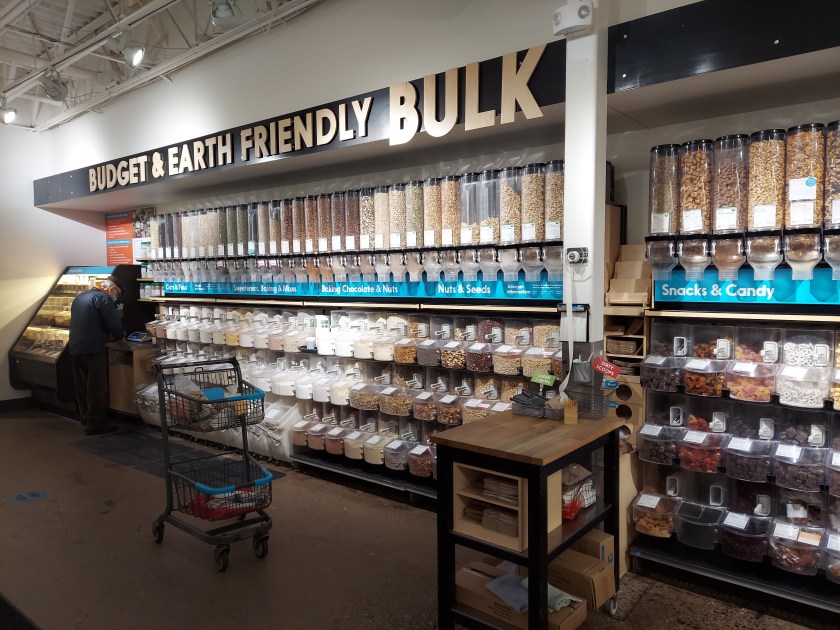
Most store-bought dishes from supermarkets and restaurants will be packaged in plastic containers. To avoid the unnecessary plastic, focus on cooking from scratch. Ingredients like vegetables, flour, butter, and nuts can be commonly found in non-plastic packaging. For items like nuts and dried fruits, see if your local market, co-op or health food store has a bulk section and bring your own bags to fill up! When faced with a choice of packaging, choose glass or paper over plastic. If you’re looking for inspiration, see our (newly expanded) recipe suggestions below.

2. Shop Local

Shopping locally not only reduces your meal’s carbon footprint, but you can bring your own bags and containers and you’re less likely to encounter plastic packaging than at your grocery store. Small businesses also need our support more than ever during the pandemic. Give your community your thanks by supporting each other!

If you don’t have the time or inclination to make pumpkin, pecan, or apple pie from scratch, check your local bakery.  While you’re there, pick up the bread you’ll need to make your stuffing and bring it all home in your reusable bags. Visit your local farmers market to pick up potatoes, squash, sweet potatoes, carrots, onions, greens, and more. If your farmers market is closed for the season, many CSAs (community supported agriculture) also offer a special one-time Thanksgiving share of goodies to anyone, even if you’re not a subscriber. 

3. Use Sustainable Decor

Forget the dollar store, make the perfect fall decor for your table setting with things from your backyard and local farm stand. Pressed leaves and pumpkins make for great wall and table adornments! Check out some DIY ideas here. And don’t forget to get the kids involved!

4. Serve on Reusable Dishes & Dinnerware 

Plastic utensils and cups end up in landfills, incinerators, or waterways where they can pose a threat to wildlife. Set your table with a beautiful tablecloth, ceramic or metal plates, cups, serving platters, metal utensils (got a set of silverware from your parents or grandparents you can bust out?), and cloth napkins. This can also include glass pitchers or bottles for drinks. If your family enjoys seltzer, consider investing in a SodaStream or other carbonation machine (tip: choose the model that comes with glass bottles over plastic). If you have kids, assign them the task of polishing silver—they may find it deeply satisfying. Sticking to reusables only will not only reduce your waste but also save you money. Get family or friends to help wash anything delicate that can’t go in the dishwasher and toss all your cloth items in the washing machine afterwards. No muss, no fuss, and, more importantly, no WASTE.

5. Provide or Bring Reusable Containers for Leftovers

Going to family or friend’s home for dinner? Bring your own glass or metal containers to cart home some delicious leftovers. There are also some great beeswax-coated fabric wraps out there these days that can take the place of plastic wrap or tinfoil. If you are hosting the dinner, remind guests to bring reusable containers with them. If you have extras to spare (say from all those take-out containers you saved during COVID lockdown), you can offer them to guests who’ve forgotten to bring their own. If you haven’t yet invested in glass or metal containers, don’t let that stop you – just bring plastic tupperware or clean yogurt containers, etc., but make sure not to heat anything up in those containers later to avoid the chemical leaching that occurs when hot food comes into contact with plastic. If you do use aluminum foil, when you’re done, don’t forget to gently clean and dry it and save it to use again.

6. Compost!

Compost any scraps from cooking or leftovers that aren’t being saved, as well as any compostable decor you’ve put up or used on the table once you tire of it. Reminder, if your Thanksgiving dinner includes a turkey, make stock out of the carcass before you compost it—you can make an excellent, very flavorful turkey soup or freeze it for months. If you’re not sure what can and can’t be composted, check out this helpful list. If you don’t have a backyard compost, see if your city or town has a local composting system. If they don’t, look into how to start one. HINT: This could be a great project for a Beyond Plastics Local Group or Affiliate to take on.


RECIPE SUGGESTIONS (expanded for 2023!)

Zero Waste

Today is the first International Day of Zero Waste!

Buy less, reuse and refuse!

What is zero waste? https://health4earth.com/2022/01/21/what-is-zero-waste/

Refill your own containers in the bulk section of food co-ops.

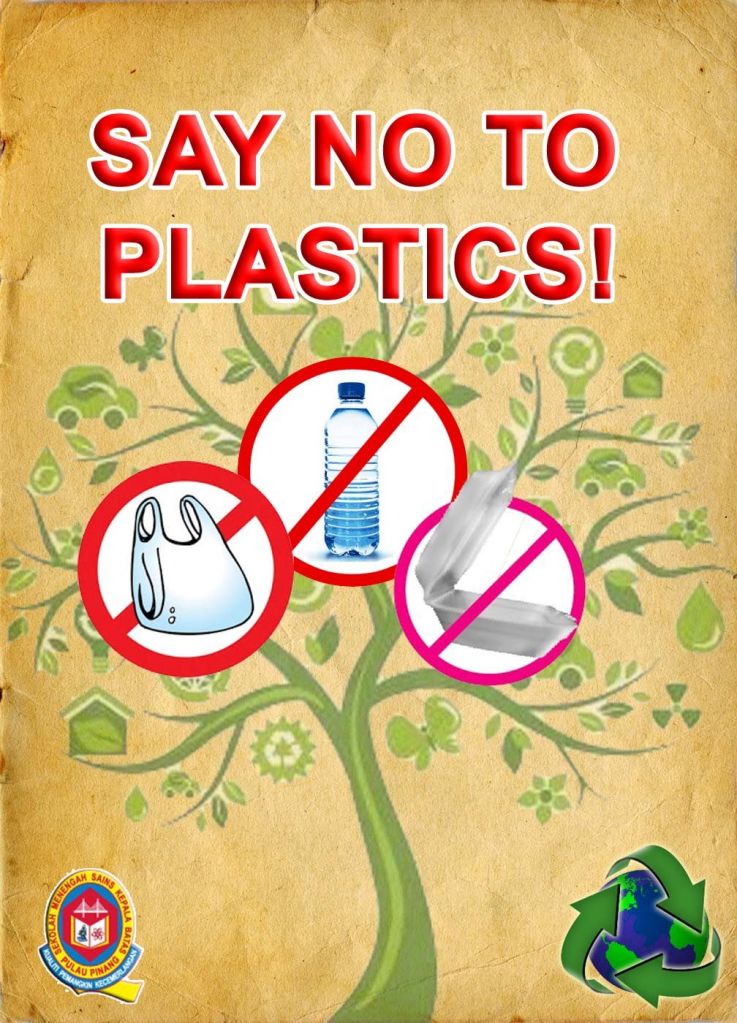
Reduce your plastic consumption!

“Zero-waste initiatives can foster sound waste management and minimize and prevent waste. This contributes to reducing pollution, mitigating the climate crisis, conserving biodiversity, enhancing food security and improving human health. The International Day of Zero Waste aims to promote sustainable consumption and production patterns and raise awareness about how zero-waste initiatives contribute to the advancement of the 2030 Agenda for Sustainable Development.

Humanity generates an estimated 2.24 billion tons of municipal solid waste annually, of which only 55 per cent is managed in controlled facilities. By 2050, this could rise to 3.88 billion tons per year. The waste sector is a significant contributor to greenhouse gas emissions in urban settings and biodiversity loss. Around 931 million tons of food is wasted each year, and up to 37 million tons of plastic waste is expected to enter the ocean annually by 2040.

The United Nations General Assembly formally recognized the importance of zero-waste initiatives and proclaimed 30 March as the International Day of Zero Waste, to be observed annually beginning in 2023.

Zero-waste initiatives can foster sound waste management and minimize and prevent waste. This contributes to reducing pollution, mitigating the climate crisis, conserving biodiversity, enhancing food security and improving human health.

The United Nations Environment Programme and UN-Habitat will facilitate the observance of the Day. All Member States, organizations of the United Nations system and relevant stakeholders are encouraged to implement zero-waste initiatives at local, regional, subnational and national levels.” The United Nations

https://upstreamsolutions.org/why-we-cant-recycle-our-way-out-of-the-problem

New Year, Less Food Waste

40% of food is wasted in the United States!

How can you turn food waste into a game! ideas for frittas, soup, rice bowls, wraps and grain bowls below.

We have a crisis of food waste in the United States. Households account too much wasted food. Not only does wasting food, waste valuable resources and lots of water, but also food in our landfills decomposes creating and giving off methane gas which is a harmful air pollutant contributing to global warming.

Melissa Clark for the New York Times is writing about ideas to deal with food waste

Susan Shain’s recent article for The New York Times has jolted me back into my composting groove. She wrote about how an Ohio community substantially reduced its food waste, which is a huge contributor to greenhouse gases and responsible for twice as many emissions as commercial aviation in the United States. That’s a lot of emissions.
Households, she writes, “account for 39 percent of food waste in the United States, more than restaurants, grocery stores or farms. Change, then, means tackling the hard-wired habits of hundreds of millions of individuals, community by community, home by home.”
The statistics left me nowhere to hide. What we do in the kitchen can make a difference: creating meal plans, shopping with a list, composting and using up the leftovers.
This last one is my happy place. I turn it into a game, saving bits of this and that in little containers, then puzzling out how to use them to seed future meals.
That handful of sautéed kale, those roasted vegetables, a tranche of salmon fillet? Chop it all up and fold it into a creamy risotto for color and flavor, or make a base for a loaded frittata.
Half-wilted bunches of cilantro or parsley and bags of baby arugula or spinach can find homes in all kinds of soups, like a lemony turkey and white bean soup, or pasta dishes like a pantry-friendly midnight pasta. Sturdy salads — cucumber or, say, yesterday’s takeout green papaya — will work as a topping for any rice bowl, including sesame salmon and katsudon (pork cutlet bowls, so beloved in the anime series, “Yuri!!! On Ice”).
If you have a motley band of root vegetables softening in your produce drawer, perhaps from an overenthusiastic spree at the farmers’ market or a surprise bonanza from your CSA box, you can upcycle them into a warming, adaptable vegetable soup. Enlist your wilted or leftover greens; rutabagas, turnips and kohlrabi, come on in!
As for leftover dessert, a batch of brookies or bread pudding (made from stale bread). Let’s just say this is never an issue in my sweet-toothed family. We gleefully finish every crumb.
https://www.ecowatch.com/food-waste-guide.html

1. Take inventory of your fridge and pantry before you go shopping to make sure you prevent overbuying.

2. Create a meal plan so you can utilize ingredients appropriately. 

3. Buy “ugly” foods of all shapes and sizes. 

4. Properly store food in the fridge for maximum freshness. 

5. For vegetables past their prime, repurpose them in soups, casseroles, frittatas and more. 

6. Compost! For more on how to do that, see EcoWatch’s composting guide here.

Food waste from PBS:

https://www.pbs.org/newshour/show/food-waste-is-contributing-to-climate-change-whats-being-done-about-it

Reduce Food Waste

end food waste

Wasting food is an enormous waste of valuable resources!

Not only does wasting food, waste valuable resources and lots of water, but also food in our landfills decomposes creating and giving off methane gas which is a harmful air pollutant contributing to global warming.
From Thanksgiving to New Year’s Day, household waste increases by more than 25%. Added food waste, shopping bags, packaging, wrapping paper, bows and ribbons all adds up to an additional 1 million tons a week to our landfills. (Source: EPA)

Food waste from PBS:

https://www.pbs.org/newshour/show/food-waste-is-contributing-to-climate-change-whats-being-done-about-it

A Plastic-Free Thanksgiving

These ideas are from Beyond Plastic:

Happy Thanksgiving! Remember your reusable shopping bags and reusable containers!

  1. Choose Scratch Over Store-Bought

Most store-bought dishes from supermarkets and restaurants will be packaged in plastic containers. To avoid the unnecessary plastic, focus on cooking from scratch. Ingredients like vegetables, flour, butter, and nuts can be commonly found in non-plastic packaging. For items like nuts and dried fruits, see if your local market, co-op or health food store has a bulk section and bring your own bags to fill up! When faced with a choice of packaging, choose glass or paper over plastic. If you’re looking for inspiration, see our recipe suggestions below.

  • Shop Local

Shopping locally not only reduces your meal’s carbon footprint, but you can bring your own bags and containers and you’re less likely to encounter plastic packaging than at your grocery store. Small businesses also need our support more than ever during the pandemic. Give your community your thanks by supporting each other!

If you don’t have the time or inclination to make pumpkin, pecan, or apple pie from scratch, check your local bakery.  While you’re there, pick up the bread you’ll need to make your stuffing and bring it all home in your reusable bags. Visit your local farmers market to pick up potatoes, squash, sweet potatoes, carrots, onions, greens, and more. If your farmers market is closed for the season, many CSAs (community supported agriculture) also offer a special one-time Thanksgiving share of goodies to anyone, even if you’re not a subscriber. 

  • Use Sustainable Decor

Forget the dollar store, make the perfect fall decor for your table setting with things from your backyard and local farm stand. Pressed leaves and pumpkins make for great wall and table adornments! Check out some DIY ideas here. And don’t forget to get the kids involved!

  • Serve on Reusable Dishes & Dinnerware 

Plastic utensils and cups end up in landfills, incinerators, or waterways where they can pose a threat to wildlife. Set your table with reusable plates, cups, serving platters, utensils and napkins. This can also include glass pitchers or bottles for drinks. If your family enjoys seltzer, consider investing in a SodaStream or other carbonation machine (tip: choose the model that comes with glass bottles over plastic). If you have kids, assign them the task of polishing silver—they may find it deeply satisfying. Sticking to reusables only will not only reduce your waste but also save you money.

  • Provide or Bring Reusable Containers for Leftovers

Going to family or friend’s home for dinner? Bring your own glass or metal containers to cart home some delicious leftovers. There are also some great beeswax-coated fabric wraps out there these days that can take the place of plastic wrap or tinfoil. If you are hosting the dinner, remind guests to bring reusable containers with them. If you have extras to spare (say from all those take-out containers you’ve saved since the lockdown started), you can offer them to guests who’ve forgotten to bring their own. Please remember to take the necessary precautions when interacting with others to avoid the spread of COVID-19.

  • Compost!

Compost any scraps from cooking or leftovers that aren’t being saved, as well as any compostable decor you’ve put up (once you tire of it). Reminder, if your Thanksgiving dinner includes a turkey, make stock out of the carcass before you compost it—you can make a very flavorful turkey soup or freeze it for months. If you’re not sure what can and can’t be composted, check out this helpful list. If you don’t have a backyard compost, see if your city or town has a local composting system. If they don’t, look into how to start one!

RECIPE SUGGESTIONS

6 Steps To a Plastic-Free Thanksgiving — Beyond Plastics – Working To End Single-Use Plastic Pollution

Happy Thanksgiving!

Plan For Leftovers

In my meetings some are wondering what big thing they can do to stop climate change. I think many people doing lots of little things to help our planet amount to a lot! We can all make a difference by buying less and wasting less. Thank you!

From Thanksgiving to New Year’s Day, household waste increases by more than 25%. Added food waste, shopping bags, packaging, wrapping paper, bows and ribbons all adds up to an additional 1 million tons a week to our landfills. (Source: EPA)

end food waste

Enjoy your leftovers!

Make a plan for your holiday left over food. What do you generally do  with left over food? 40% of the food  in the United States is not eaten, and ends up in our landfills causing an enormous waste of our precious resources. Wasting food is an enormous waste of water, money, time, labor, energy and transportation.  The Natural Resources Defense Council (NRDC) has an incredible education campaign to inform the public how much we are wasting.  For example the production of one egg takes 55 gallons of water! Their website is savethefood.com

Not only does wasting food, waste valuable resources and lots of water, but also food in our landfills decomposes creating and giving off methane gas which is a harmful air pollutant contributing to global warming

So let’s get creative and “Save the Food.” One of my favorite cooking activities is to reinvent leftovers into a new lunch or dinner stir fry, soup, tacos, enchiladas, salads, fried rice, quinoa bowls and many other things lend themselves to create special meals of leftover food.

Have a fun holiday, and make a creative difference by reusing, planning, seriously cutting waste, and saving food from the garbage!

The story of a strawberry here: https://www.youtube.com/watch?v=WREXBUZBrS8

I am thankful for all the medical workers and teachers who have worked so hard during this pandemic! Thank you

Action Needed! Blah, Blah!

Much Much more is needed!

Love the Earth and Protect it!

The world climate summit is taking place in Glascow, Scotland. The world has known for a long time it needs to do something about our warming earth. There has been such a lack of leadership to get something done, and now we have reached a point where it has become hard to ignore. During the first week some important promises to protect forests, reduce methane and reduce coal. Will it be enough? No, but the conversation has begun. Russia and China didn’t attend so continued efforts are needed to keep them moving forward and integrate them into the discussion

In the United States the powerful lobbyists and oil industry have been able to control and stop action, and it is still happening with Joe Manchin as he hauls in the cash to resist a move away from fossil fuels.

Strong leadership and a desire to work together needs to come out of this important conference. Together everyone is the solution to our climate, We must all set this as a priority over greed, lies and waste.

Everyday we make an impact, make it positive!

Speak out for change! Work for a healthy future!

During the pandemic 2020 carbon emissions were reduced and we can do it again. Everyday with just a little effort, we can make an impact, and move to a new future of sustainability  Let’s start now by buying less junk, reduce our plastic use**, stop idling our engines, and a couple days a week eat meatless. Try walking and riding public transportation, you might like it!

There are some hopeful things happening in the world:

From Future Crunch:    Future Crunch Good – Bing News

 Amazing: Cars powered by combustion engines now make up less than 10% of sales in Norway, and forecasts suggest the country’s last sale of a new petrol or diesel car will come in April 2022, three years ahead of what was already the world’s most ambitious target.  Drive

 Russia has committed to carbon neutrality by 2060, Turkey has finally ratified the Paris Agreement, and the UAE has become the first petro-state to commit to net zero by 2050. Critics say these pledges aren’t enough, but they’re missing the point. They’re not promises. They’re ratchets – once announced, they only increase in ambition.

China has begun construction on the largest and most ambitious clean energy project of all time, 100GW of wind and solar in its western desert. That’s more than the entire existing wind and solar capacity of India, and will be able to generate four times as much power as the Three Gorges Dam. Bloomberg

The important question is what happens after the summit? Countries should be meeting yearly to report their progress and set new goals. Also, continued work needs to be done getting all countries involved.

Reading/listening list:

Report warns of climate change’s ‘code red’ impact on health – CNNReport warns of climate change’s ‘code red’ impact on health – CNN  

Jane Goodall: Every day you live, you impact the planet | TED Talk  

Could climate change lead to war? It’s a growing geopolitical threat | Star Tribune     

Plastics Could Release More Emissions Than Coal by 2030, Study Finds – EcoWatch 

‘Last, best hope:’ Leaders launch crucial UN climate summit – ABC News (go.com) 

Climate summit sees new pledges on cutting methane, saving forests (yahoo.com)

Financial Industry, With $130 Trillion, to Pursue Climate Goals – The New York Times (nytimes.com)   http://www.tucsonsentinel.com/nationworld/report/110521_cop_26_action/cop-26-doesnt-look-so-hopeful-countries-living-climate-emergency/

**Why we need to reduce our use of plastic:  Plastics are on track to contribute more climate-change-causing emissions (to the tune of at least 232 million tons of greenhouse gases annually) than coal plants by 2030, according to a new report out of Bennington College. The reason? As fossil fuel companies seek to recoup falling profits, they’re increasing plastics production.    REPORT: The New Coal: Plastics & Climate Change — Beyond Plastics – Working To End Single-Use Plastic Pollution