The fourth Saturday in October is a day to make a difference.
Today on Make a Difference Day spread kindness and compassion. Take time to smile and be friendly to everyone you have contact with. Kindness creates a ripple that keeps on multiplying! Smile, listen and radiate kindness!
Also, be kind to the Earth. This letter to the editor might give you some ideas:
Thrown away but still there
As a kindred spirit in garbage collection, I both share Ron Currie Jr.’s small sense of accomplishment and often much greater sense of frustration with the vast amounts of garbage we continue to produce and casually discard (“The soothing futility of picking up trash,”StarTribune.com, Oct. 25).
“Out of sight, out of mind” keeps us oblivious to the waste we produce. As someone once encouraged me to question, when I throw something away, where is away? If we all had to dispose of our trash in our yards, might we become more conscientious of our purchasing decisions?
In our hands now lies not only our own future but that of all other living creatures with whom we share the earth.” — Sir David Attenborough
Peace not War! President Biden, Secretaries Blinken and Austin need to immediately be working on a cease fire. the loss of civilian lives is not acceptable. A ceasefire is the way to release hostages!
Working together we can make the world safer and more peaceful. Let’s work for compassion and understanding. Civilians always bear the brunt of these conflicts, and should never be targeted in war!
What does war accomplish but more suffering, lots of death, environmental destruction, and more anger. The people who suffer have very little to do with the actual conflict, and most are children and their mothers. Healthy and sane people talk and compromise. They do not make fun of other people, rape, bully or kill. They work for healthy communities even if they don’t always get their way. Peace Not War!
An Ode to Peace
Last night I had the strangest dream I ever dreamed before I dreamed the world had all agreed To put an end to war I dreamed I saw a mighty room The room was filled with men And the paper they were signing said They’d never fight again
And when the papers were all signed And a million copies made They all joined hands end bowed their heeds And grateful prayers were prayed And the people in the streets below Were dancing round and round Well swords and gun and uniforms Were scattered on the ground
Last night I had the strangest dream I ever dreamed before I dreamed the world had all agreed To put an end to war by Ed Mccurdy.
“It’s time we prioritize empathy and compassion. It’s time to recognize the individual suffering of those who have lost so much on all warring sides. It’s time to ponder how we can comprehend and stand by those who bear the weight of suffering. Let’s step into their shoes, endeavor to see the world through their eyes, and acknowledge that empathy doesn’t equate to endorsing violence or choosing sides.
Empathy signifies recognizing the real people obscured behind the headlines, people grappling with unfathomable pain and despair. It’s an acknowledgment that there are no victors but only losers in conflict.” The Planet
Optimistic? We have been through a record-breaking hot summer, the climate crisis looms everywhere, we are in a world waste crisis and are being poisoned by plastic, Ukraine is still being attacked, and American democracy is being threatened. Instead of worrying about the past and what should have been done we need to move forward with hope. We must be hopeful about our futures, the futures of our children, and the positive difference we can all make. We all make a difference, and let’s make it a positive difference.
October is a beautiful month. Enjoy!
Look for the good in your day, find beauty in your day, and remind yourself that things can change for the better!
Endocrine disruptors in plastics are associated with a 50% decline in adult male sperm counts over the past five decades and are implicated in the enormous leap in rates of autism and ADHD among children.
Please join Beyond Plastics, the Westchester League of Women Voters, and Bedford 2030 on Tuesday, October 3, 2023, at 7 p.m. ET U.S. for a Zoom conversation about the endocrine-disrupting chemicals in plastics. Our own Dr. Megan Wolff, Ph. D, MPH, will moderate a conversation between John Peterson “Pete” Myers, Ph.D., CEO and chief scientist of Environmental Health Sciences and co-author of the landmark book “Our Stolen Future: Are We Threatening Our Fertility, Intelligence and Survival? A Scientific Detective Story” and New York State Senator Pete Harckham, chair of the New York Environmental Conservation Committee and sponsor of a landmark packaging and plastic reduction bill in New York State. The bill would reduce plastic packaging by 50% over the next 12 years.
In 1991, Dr. Pete Myers coined the term “endocrine-disrupting chemicals” (EDCs) to describe chemicals capable of hacking the human body’s hormonal systems. From the start, it’s been clear that these chemicals that are common additives in plastics can cause harm even at extraordinarily low doses.
More than 30 years later, plastic pollution has become so widespread that microscopic flecks of plastic can be found in snow, soil, drinking water, and even human blood — and what Dr. Myers and others have learned about EDCs has grown even grimmer.
Endocrine disruptors in plastics are associated with a 50% decline in adult male sperm counts over the past five decades and are implicated in the enormous leap in rates of autism and ADHD among children.
Moreover, it is clear that a great quantity of the plastic in our lives was never necessary in the first place. Approximately 42% of plastic currently under production is used for packaging, much of which is discarded as soon as it is used. It is critical that plastic reduction and safer, healthier alternatives become law.
Many of our elected representatives are coming to recognize this reality. This past spring, New York State Senator Pete Harckham, chair of the Environmental Conservation Committee, introduced bold new legislation capable of reducing plastic packaging, strengthening recycling infrastructure, and banning several toxic plastic additives. The bill, the Packaging Reduction and Recycling Infrastructure Act (S.4246-a/A.5322-a), will be considered by the New York State Legislature when it reconvenes in January, and is one of several promising state policy options to reduce the negative impacts of EDCs on human health.
On Tuesday, October 3, 2023, please join us and our good friends at the Westchester, NY League of Women Voters and Bedford 2030 for a webinar discussion between Dr. Pete Myers and Sen. Pete Harckham that will cover what we know about EDCs in plastic, what they are doing to our health, and the most effective, politically feasible ways to reduce these toxicants (and plastic pollution) from our lives.
This is Climate Week in New York. I hope the world’s leaders will heed the urgent call of our changing climate. The pain is real, and the consequences are far-reaching. It’s time to prioritize the future for the generations that will inherit the world we leave behind.
Make a choice to reduce your carbon footprint!
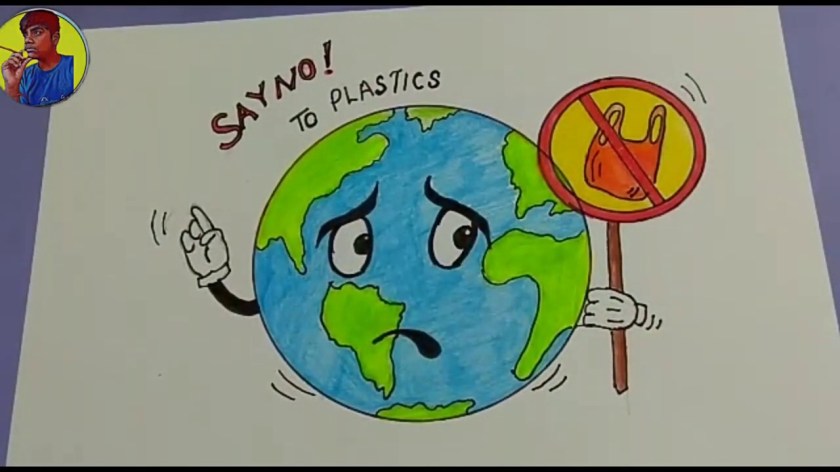
If plastic were a country, it would be the 5th largest emitter of greenhouse gases. Plastic pollutes our environment and our bodies every stage of its life. By reducing your plastic use you are making a difference in protecting our Earth.
Plastic is a problem not just because it becomes litter but because it poses a real and immediate threat to human health. We must reduce the plastic we consume! Please sign the petition below from Earthday.org
Please sign the petition calling for a strong global plastics treaty
Plastics have a huge impact on human health, leaching harmful chemicals into our food, water, and air leading to hormonal issues,2 increased cancers risks,3 and developmental issues.4 As the plastics breakdown into micro and nano-plastics they are able to penetrate every aspect of our lives and their production pumps emissions directly into the atmosphere further exacerbating the climate crisis.5 That’s why Earth Day 2024’s theme is Planet vs. Plastics, which we believe embodies the struggle we all face for human and planetary health. We must demand action from world leaders to address the issue. The Global Plastics Treaty is the first step to united global action6 — but we need to make sure that they commit to effective measures instead of just do lip service. Please sign the petition calling for a strong Global Plastics Treaty. SIGN NOW
As with any international treaty, success is impossible without strict enforcement and commitment by participating countries.
Here are our demands to the United Nations and World Government Organizations:
-Support a highly ambitious Global Plastic Treaty that binds all to the same standards -A 60% of reduction of all fossil fuel-based plastic production by 2040 -Require producers and retailers of plastics to be liable for the cost of any environmental or health-related damages in accordance with the “producer pays” principle -Public and private sector investments in innovation to replace all fossil fuel-based plastics -Ban all plastic-related tobacco products including, but not limited to tobacco filters and e-cigarettes -Ban the export of plastic waste -End the incineration of plastic waste -Support innovative solutions and alternatives to plastic in all sectors -Fully finance education and public awareness campaigns to inform the public about reasons and strategies for ending plastic pollution
Plastic pollutes our environment and bodies every phase of its life, from extraction, to production, to its use, and then disposal. Also, plastic harms our bodies and contributes to climate change every step of its long plastic life.
This is all depressing, but it is information everyone should know.
Plastic particles can cause heart attacks and strokes, cancer and dementia, but absolutely the worst is plastic and children. Please pay attention.
A group heavily harmed by use of plastics are fetuses and newborns, who absorb microplastics through the mother’s body and breast milk, and young children, who are especially sensitive to plastic chemicals that leach into our food and beverages because their bodies and systems are developing so fast. Landrigan, who is co-author of the book “Children and Environmental Toxins. What Everyone Needs to Know,” said, “Toxic chemicals can damage babies and children at the lowest detectable levels.”
“Brain damage caused by plastic chemicals can contribute to autism, ADHD and IQ loss, The only treatment is prevention of exposure.”
Microplastics infiltrate all systems of the body, causing behavioral changes. Neuroscience Pharmacy Professor Jaime Ross’ study finds ‘widespread’ infiltration, potential for serious health consequences, including Alzheimer’s.
“The brain blood barrier is supposed to be very difficult to permeate. It is a protective mechanism against viruses and bacteria, yet these particles were able to get in there. It was actually deep in the brain tissue.”
Another article
How Plastic Created One of the Most Dire Crises Humanity Faces Today by THOM HARTMANN, AUG 29, 2023
https://hartmannreport.com/p/how-plastic-created-one-of-the-most-598 “The researchers found that the particles had begun to bioaccumulate in every organ, including the brain, as well as in bodily waste.” Microplastics and nanoplastics can have a wide variety of negative effects on There are studies showing microplasstics and nanoplastics can contribute to or cause everything from heart attacks and strokes to cancer and dementia. … and breast and colorectal cancer.
It is up to all of us to create a healthy environment.
Do we have a right to a clean and healthful environment?
A Montana state judge sided with 16 young people in the country’s first ever constitutional climate case. The judge ruled that youth had a right to a healthy environment. This trial comes after state lawmakers passed legislation that allowed fossil fuel projects to be permitted without considering the climate impact and greenhouse gas emissions from their legislation causing harm and injury to Montana’s youth— a violation of their state constitutional right to a ‘clean and healthful environment.’
This should be a message to all of us. We all need to work to create a “clean and healthful environment” for our youth and for all of us. Everyday, we need to reduce our fossil fuels by driving less, buying less, not idling our cars, and reducing our use of plastic.
According to NOAA, Earth has just experienced the hottest July in 174 years of records, and the hottest eight Julys in the past eight years.
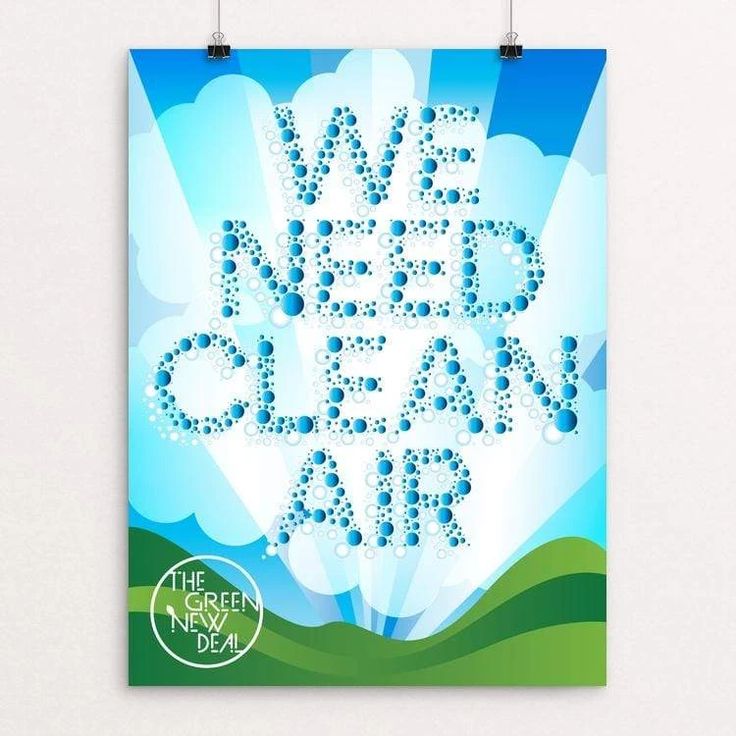
We all have experienced “Global Burning” and tragic weather events causing much loss of life and destruction. We must work together for a more stable future environment with clean air and clean water.
If everybody does a little it adds up to a lot! We all want to live in healthy communities, and everyone must do their part.
Plastic pollutes our Earth and is harmful to our health!
Plastic is made from fossil fuels with many toxic chemicals added.
This post has nothing to do with Greenpeace. I liked this logo
If plastic were a country it would be the 5th largest emitter of greenhouse gases. Plastic pollutes our planet at every stage of its life, it also causes disease and death.
Plastic is made from fossil fuels and also toxic chemicals. Many thousands of unregulated chemicals are added to make plastic soft, hard; fire resistant or whatever chemicals are needed to create the plastic product. These harmful chemicals leach into the food and drinks of the products they package.
Just knowing this about plastic do you really want to package your food or drinks in it? Not only is plastic leaching into our food, but it is also shedding particles everywhere. These particles, called microfibers, can be found every place on Earth and these microfibers carry with them the toxic plastic chemicals contained in plastic. Many of us consume a credit card of plastic particles a week.
More bad news about plastic! Plastic is difficult to recycle. All the chemicals and different types of plastic make it hard to recycle and hard to turn into new markets. Recycling plastic makes it more toxic. Only about 5 to 9 percent of all the plastic produced has ever been recycled.
Every person on our planet needs to reduce their dependence on plastic, most of all our children. We don’t know what the long-term effects will be, but many of the chemical additives in plastic are known to cause cancer and other serious diseases. PFAS, phthalates and bisphenols and many others, added to plastic, should be taken seriously, and the producers and manufacturers of plastic need to be held responsible for the harm they contribute to our health and our planet.
Please sign this petition calling for the US to join the Global Plastics Treaty encouraging the White House to commit to end the production and sale of single-use plastics, combat plastic pollution, and require producers and retailers of plastics to be liable for the cost of any environmental or health-related damages.
Most important, start this moment to reduce your plastic exposure/ footprint.
Always carry a reusable glass or metal water bottle, and reusable shopping bags with you.
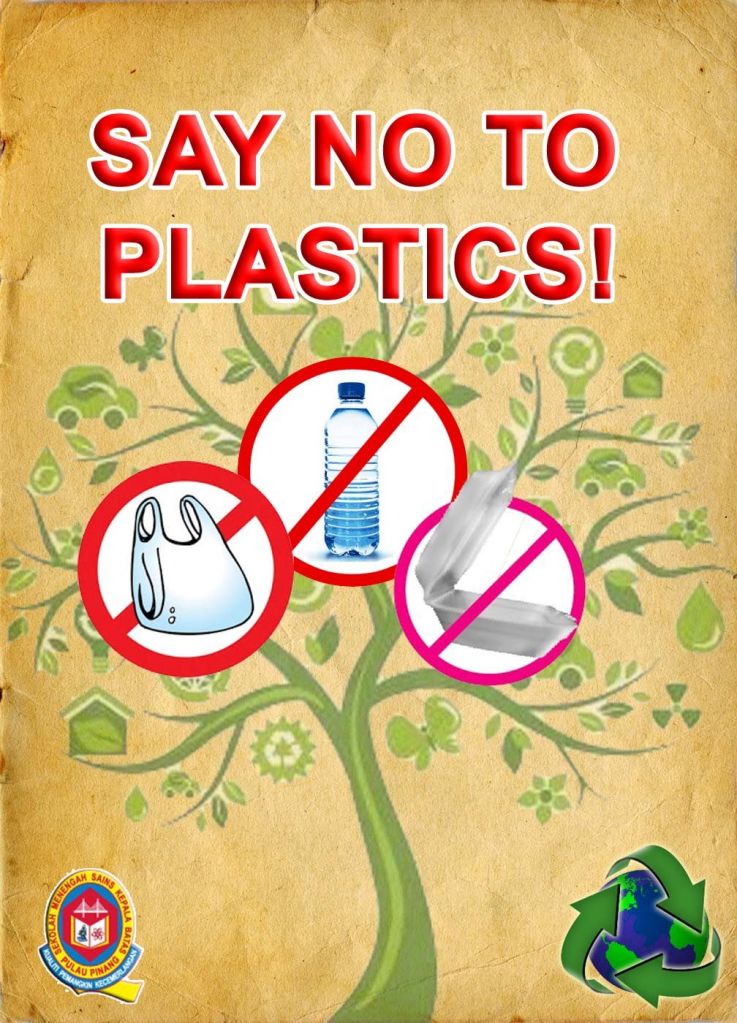
Learn to refuse single-use plastics, such as plastic water bottles and coffee cups, straws, plastic bags and plastic utensils.
Purchase fruit and produce in the bulk section, and don’t place items in plastic bags.
Always search out products in glass jars instead of plastic containers.
When you must buy plastic products, choose ones that you can recycle rather than ones you must put in the trash.
Bring your own containers and shop the bulk section of your local food coop.
Please sign the petition calling for the US to join the Global Plastics Treaty, you can help encourage the United States to end the production and sale of single-use plastics by 2030, introduce measures to combat plastic pollution by regulating the entire life cycle of plastic, and requiring producers and retailers of plastics to be liable for the cost of any environmental or health-related damages.
On what should have been a beautiful Lake Superior morning, smokey air was creeping across the big lake from fires burning in Canada. Luckily, most days are filled with brisk clear Lake Superior air.
Amazing butterflies, the Compton tortoiseshell.
Sounds of robust birds singing fill the woods. The chestnut sided warbler, song sparrows, oven bird, indigo buntings, red-eyed vireo and many others sing all day long.
The butterflies are the very best, and the contrast to so few butterflies in urban areas is striking. Every amazing butterfly that lives in June is here. They seem to love the host plants I have planted to get them to begin the next generation of butterflies. There is hope for the future if we could get over our addiction to pesticides and plant pollinator gardens.
Milkweed is a wonderful host plant.
The swallow tail is one of the easiest butterflies to identify.
Seeing the bear, fox and big bucks and deer have been a surprise. After several years of scarcity, they are back, and the squirrels, chipmunks and bunnies are almost non-existent.
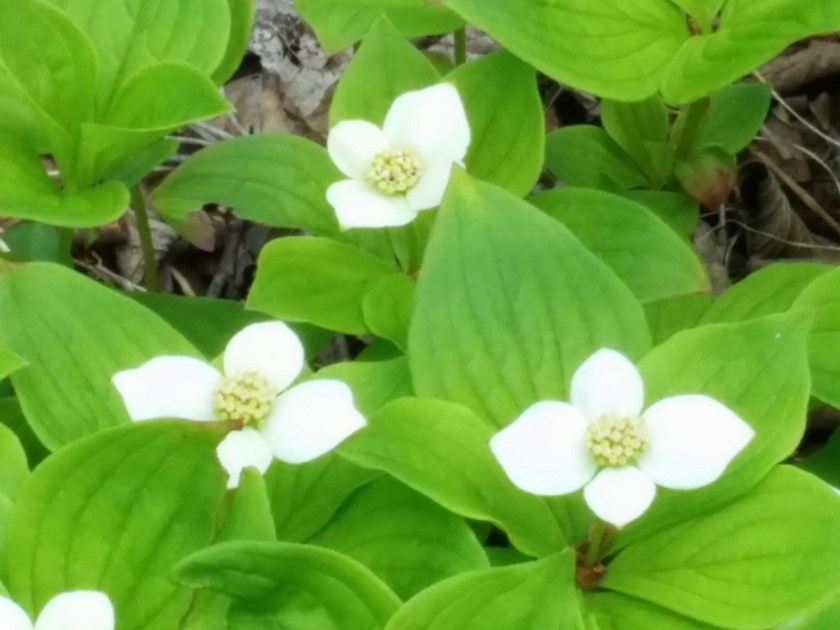
Bunch berries will have red berries later in the summer.
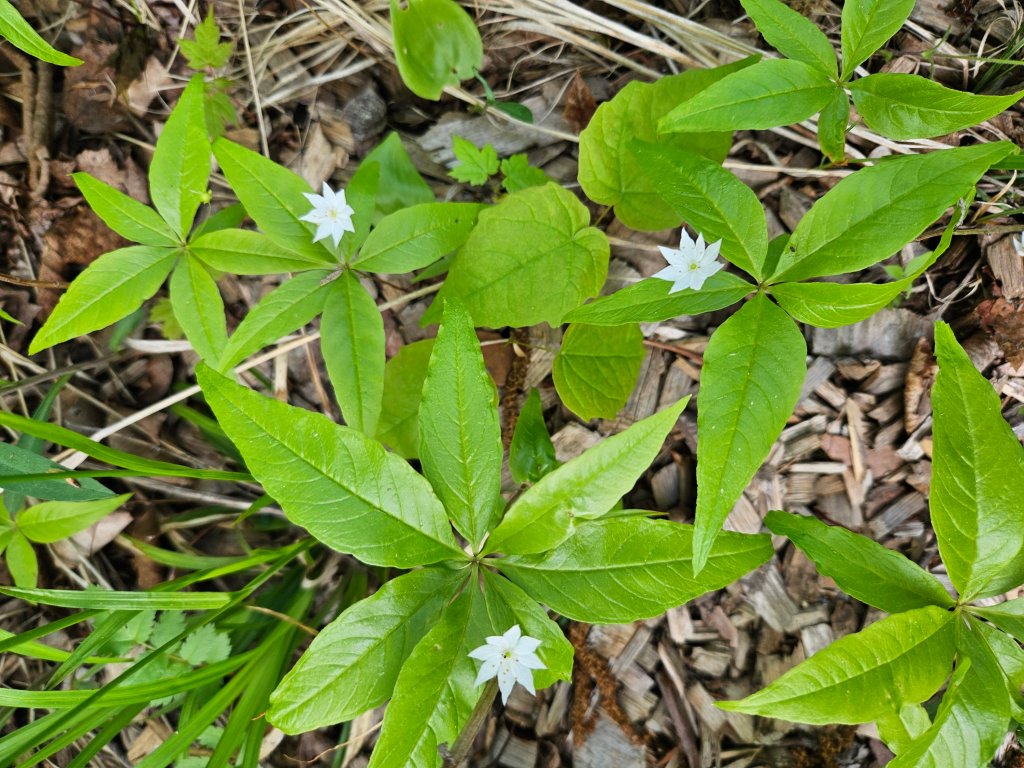
June in the north country of Minnesota and Wisconsin are famous for the beautiful but non-native lupine. They grow in patches everywhere. This year I was struck by all the June white plants blooming. and have enjoyed enormous fields of daisies. I especially love the delicate star flower, the false lily of the valley, the hardy Canada anemone, and classic north woods bunch berries. To experience these beauties, you need to get out of your cars and walk!




 Health4earth