A Tribute to The International Day of Peace. Please Live Peace, Be Peace, Push Peace, Vote for Peace and Meditate or pray for Peace. These wars in Ukraine and Gaza just can’t continue!
Last night I had the Strangest Dreem by Ed McCurdy
Last night I had the strangest dream I ever dreamed before I dreamed the world had all agreed To put an end to war
I dreamed I saw a mighty room The room was filled with men And the paper they were signing said They’d never fight again
And when the papers all were signed And a million copies made They all joined hands and bowed their heads And grateful prayers were prayed
And the people in the streets below Were dancing round and round And guns and swords and uniforms Were scattered on the ground
Last night I had the strangest dream I ever dreamed before I dreamed the world had all agreed To put an end to war
Sun Day
Sun Day is a day of action on September 21, 2025, celebrating solar and wind power, and the movement to leave fossil fuels behind. Solar energy is now the cheapest source of power on the planet – and gives us a chance to actually do something about the climate crisis. But fossil fuel billionaires are doing everything they can to shut it down. We will build, rally, sing, and come together in the communities that we need to get laws changed and work done.
Yay, It’s Plastic Free July. Join millions of people working to reduce their plastic use
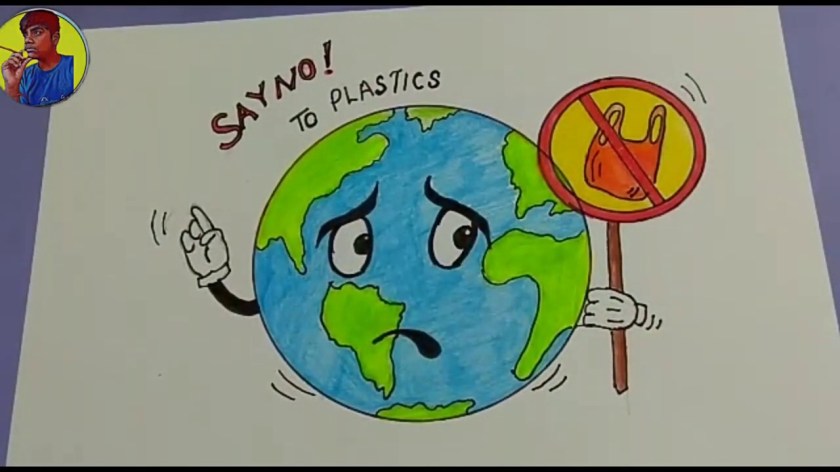
Start refusing plastic today!
We have a plastic problem. Plastic pollutes our earth from it’s extraction to it’s end of life.It pollutes our water air and land. Plastic is made of fossil fuels and contains harmful chemicals are needed to make it plastic. It breaks down into tiny fibers called microplastics. These tiny microplastics have been found in our brains, blood and in every organ in or body. Do you want plastic in your brain? Plastic permeates our lives, and we would all be healthier by reducing our plastic use.
Plastic may feel convenient, but the long-term costs are serious:• Only 9% of all plastic ever made has been recycled• The rest ends up in landfills, waterways, or breaks down into microplastics. Some of these microplastics end up in fish, plants, animals and human beings. Reducing your plastic exposure is not easy, but it is important.
We all see plastic litter that is harmful to our waterways and our environment, but we are just be learning that plastic contains harmful chemicals and that it breaks down into microfibers. We can’t see these chemicals or the microfibers that can harm our bodies.
Plastic contains thousands of harmful chemicals that are especially harmful to children. These chemicals leach from plastic containers into our food and bodies. Plastic chemicals contain serious hormone disrupters that can cause obesity, diabetes, cancers and birth defects.
Water from plastic bottles has about double the microplastic level of tap water on average, according to a 2018 study published in the journal Frontiers in Chemistry. So unless your tap water is contaminated with unsafe elements, such as lead, it’s probably best to drink tap. Fill up a metal reusable bottle for when you go out. You can always filter your tap water. Depending on the filter, that may further reduce microplastic levels. (Check CR’s ratings of water filters.)
Do: Heat food in or on the stove, or by microwaving in glass. Don’t: Microwave in plastic.
Some heated plastics have long been known to leach chemicals into food. So if you’re warming up food, use a pan in the oven or on the stove, or if you’re microwaving, use a glass container. Also, avoid putting plastics in the dishwasher because of the high heat involved in cleaning.
Do: Buy and store food in glass, silicone, or foil. Don’t: Store food in plastic, especially plastic that may contain harmful chemicals.
The American Academy of Pediatrics has said that plastic food containers with the recycling codes 3, 6, and 7 may contain potentially harmful chemicals, unless they’re labeled “biobased” or “greenware.” Don’t store food in these types of containers. Instead, use containers made of glass or silicone, or wrap your food in aluminum foil. If you’re storing food in or eating food out of plastic containers, know that plastics with recycling codes 1 and 2 are more likely to be recyclable—though they are usually recycled into lower-quality plastics. And there still may be harmful or unknown chemicals in any type of plastic.
Do: Eat fresh food as much as possible. Don’t: Rely on processed food wrapped in plastic.
The more processed or packaged a food is, the higher the risk that it contains worrisome chemicals. Food cans are often lined with bisphenol A (or similar compounds). Buy fresh food from the supermarket, and—as much as possible—try to use refillable containers if your market allows. (Of course, with shopping made difficult by the coronavirus pandemic, prioritize your health and shop however is most feasible and safest.) Certain markets let you fill up cardboard or reusable containers with bulk items and weigh them, or you can use your own mesh bags for produce. Raw meat and fish need to be kept separate for safety reasons, but ask the store fishmonger or butcher to wrap these foods in wax paper instead of plastic. Take cloth—not plastic—reusable bags to the store to take your groceries home.
Do: Vacuum regularly. Don’t: Allow household surfaces to get dusty.
The dust in your house could be loaded with microplastics and chemicals that are found in plastic, such as phthalates. Cleaning up dust may help reduce the amount of plastics you inhale, especially if you are stuck inside for long periods of time during a period of social distancing. CR recommends vacuuming regularly with a HEPA filter, which is best for trapping dust. (Check CR’s ratings of vacuums.)
Do: Work with your community. Don’t: Assume your impact is limited to what you do in your personal life.
Legislation to limit the use of single-use plastics and plastic production may pull the biggest levers, but joining forces with community-level recycling groups can truly make a difference. Look for so-called zero-waste groups, which can offer guidelines for how to recycle or compost all your garbage—and which lobby for local rules that can restrict throwaway items. When possible, shop at markets that source goods locally, so they don’t require as much packaging and shipping. Seek out groups such as Upstream, a nonprofit working to create reusable takeout packaging for restaurants. And when possible, educate yourself about and support any city, county, and state legislation limiting single-use plastics.
My list to reduce your plasticfootprint:
Always carry a reusable glass or metal water bottle, and reusable shopping bags with you.
Learn to refuse single-use plastics, such as plastic water bottles and coffee cups, straws, plastic bags and plastic utensils.
Purchase fruit and produce in the bulk section, and don’t place items in plastic bags.
Always search out products in glass jars instead of plastic containers.
When you must buy plastic products, choose ones that you can recycle rather than ones you must put in the trash.
Bring your own containers and shop the bulk section of your local food coop.
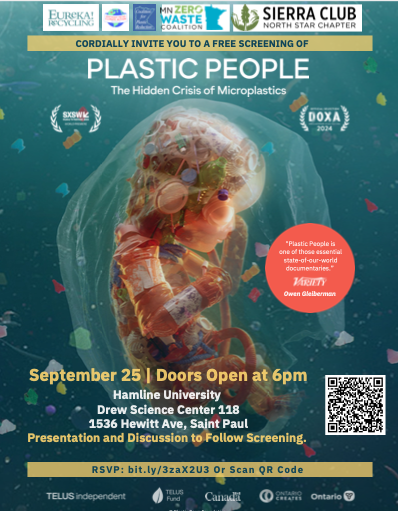
The ground-breaking feature documentary Plastic People investigates our addiction to plastic and the growing threat of microplastics on human health. Almost every bit of plastic ever made breaks down into “microplastics.” It was first shown at SXSW and this is one of the first community showings in the country.
Date: Wednesday, September 25th
The doors open at 6:00 for tabling and the film starts at 6:30.
There will be a short discussion following the screening lead by Lucy Mullany with Eureka Recycling and Mary Kosuth, who is finishing a PhD in microplastics at the University of Minnesota and is a featured scientist in the film.
The film is free.
The location is Hamline University, Drew Science 118, 1536 Hewitt Ave, St Paul, MN 55104.
Let’s get real about plastic. Plastic is made from fossil fuels and toxic to the environment and human health. We cannot recycle our way out of our plastic problem. Watch the video below:
It is up to all of us to create a healthy environment.
Do we have a right to a clean and healthful environment?
A Montana state judge sided with 16 young people in the country’s first ever constitutional climate case. The judge ruled that youth had a right to a healthy environment. This trial comes after state lawmakers passed legislation that allowed fossil fuel projects to be permitted without considering the climate impact and greenhouse gas emissions from their legislation causing harm and injury to Montana’s youth— a violation of their state constitutional right to a ‘clean and healthful environment.’
This should be a message to all of us. We all need to work to create a “clean and healthful environment” for our youth and for all of us. Everyday, we need to reduce our fossil fuels by driving less, buying less, not idling our cars, and reducing our use of plastic.
According to NOAA, Earth has just experienced the hottest July in 174 years of records, and the hottest eight Julys in the past eight years.
We all have experienced “Global Burning” and tragic weather events causing much loss of life and destruction. We must work together for a more stable future environment with clean air and clean water.
If everybody does a little it adds up to a lot! We all want to live in healthy communities, and everyone must do their part.
The ocean covers over 70% of the planet. It is our life source, supporting humanity’s sustenance and that of every other organism on earth.
The ocean produces at least 50% of the planet’s oxygen, it is home to most of earth’s biodiversity, and is the main source of protein for more than a billion people around the world. Not to mention, the ocean is key to our economy with an estimated 40 million people being employed by ocean-based industries by 2030.
Even though all its benefits, the ocean is now in need of support.
With 90% of big fish populations depleted, and 50% of coral reefs destroyed, we are taking more from the ocean than can be replenished. We need to work together to create a new balance with the ocean that no longer depletes its bounty but instead restores its vibrancy and brings it new life.
“Planet Ocean: tides are changing”, is the theme for World Oceans Day 2023 – the UN is joining forces with decision-makers, indigenous leaders, scientists, private sector executives, civil society, celebrities, and youth activist to put the ocean first. The UN
Every day we should be working to reduce our exposure to plastic.
The tragic chemical spill in Palestine, Ohio highlights how dangerous plastic production is to the public. Plastic creates pollution from every stage of its life, from the extraction of fuel, to shipping and manufacturing, and then end of life disposal. Plastic is made from fossil fuels. Why would we want something made of fossils fuels to store our food, make our baby toys and bottles or line our water pipes. PVC pipes can leech chemicals into our drinking water. Plastic containers contain toxins and microfibers, and the disposal of plastic creates harmful pollution from burning, sitting in landfills or floating in our lakes, streams and oceans.
Producers of plastic need to be held responsible for the products they produce and the hazardous waste they create. This should include the production pollution created, the shipping and the disposal. This would save taxpayers lots of money!
Below is a sampling of op-eds that have been written on this deadly disaster.
The East Palestine disaster was a direct result of the country’s reliance on fossil fuels and plastic. The hazardous chemicals being transported by the derailed train — including vinyl chloride, a known carcinogen — are used to make PVC, the world’s third most used type of plastic, typically used in pipes to deliver drinking water, packaging, gift cards, and toys that kids chew on.
Plastic threatens human health at every stage of its life cycle, from the toxic substances released into the air during fossil fuel extraction, to the dangerous transport of these chemicals, to the plastic particles and toxins we consume from our food and drinking water, to the hazardous emissions from facilities burning or burying the waste after consumer use.
Every year, millions of trains with highly toxic cargo pass close to our homes, schools, and public spaces. This includes poisonous substances like vinyl chloride, as well as coal, oil, and gas. There are simple ways that state and national leaders can ensure that a disaster like this doesn’t happen again. This includes requiring better train braking systems and early warning systems. Some materials, like vinyl chloride, are toxic at every stage and should no longer be in use. Unfortunately, rail companies like Norfolk Southern continue to lobby to avoid regulation and safety measures, and they’ve also slashed their workforce, making an already risky situation even worse.
NY Times Op Ed by Rebecca Fuoco and David Rosner:
Freight trains typically transport more than two million carloads of hazardous materials each year, including many chemicals. Vinyl chloride is particularly dangerous and increasingly common, used primarilyto make polyvinyl chloride, better known as PVC, a hard plastic resin used to produce pipes, wire, cable coatings and packaging. We should begin phasing out the use of this chemical.
Plastics are common because they are cheap, lightweight, and versatile. More than one-third of plastics are used for packaging, including food packaging, grocery bags, and straws, which are all items that get tossed after one use. Plastic use has increased 20 times since the 1960s and will continue to increase if changes aren’t made.
The amount of plastic we use is problematic because:
Most plastics are made from oil. About 4% to 8% of the world’s oil production is for plastics.
Many plastics can’t be recycled. In Hennepin County, less than half of the total plastic generated is recycled.
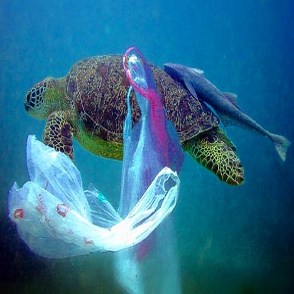
Plastics collect in our lakes and rivers and break down into micro and nanoplastics. These are threats for birds and wildlife and have known and unknown concerns for human health.
Micro and nanoplastics have been found in our soil, water, and food. About 60% of microplastics come from high-income countries in the form of tire dust, pellets, textiles, and personal care products.
Your plastic footprint
When you’re starting a journey to use less plastic, a good first step is to quantify your personal impact. By estimating the waste you create, you can decide what to focus on during these four weeks. The Omni Calculator plastic footprint calculator is one such calculator that you could use.
Replacing disposables with reusables
Once you have a better idea how much plastic you use, get started today with these five simple swaps for single-use items:
Plastic bags: Start using your reusable bags for groceries, produce, and more, including clothing, shoes, gifts, or whatever you buy. Keep some bags near your door or in the car for easy access.Plastic storage baggies: Plenty of alternatives for plastic zip bags exist. Use reusable containers in glass, ceramic, metal, or choose reusable snack bags.Plastic utensils: Start by bringing your own reusable utensils for your home packed meals, then start refusing disposable utensils when they are offered in restaurants or to-go. Find a few reusable utensils at a thrift store if you don’t want to risk losing pieces of your regular set.Plastic wrap: Use reusable containers with lids for storing foods, place a plate over a bowl in the refrigerator, or try an option like beeswax cloth to wrap over the top of your containers.Straws: Cut back your use or eliminate plastic straws by using a reusable straw instead. Request no straw when you place orders in person or online.
Drought, famine, flooding, storms, hurricanes. We are living at a time of extremes. There is either not enough water or too much water? Is our beautiful fragile planet paying us back for all the abuse it takes? I think the warming of the oceans has a lot to do with our extremes. Our oceans absorb the carbon dioxide and pollution causing them to warm and oceans have a lot to do with weather systems. Climate change also impacts the intensity of Hurricanes. In recent years, a higher proportion fell into Category 4 and 5, a trend that is expected to continue.
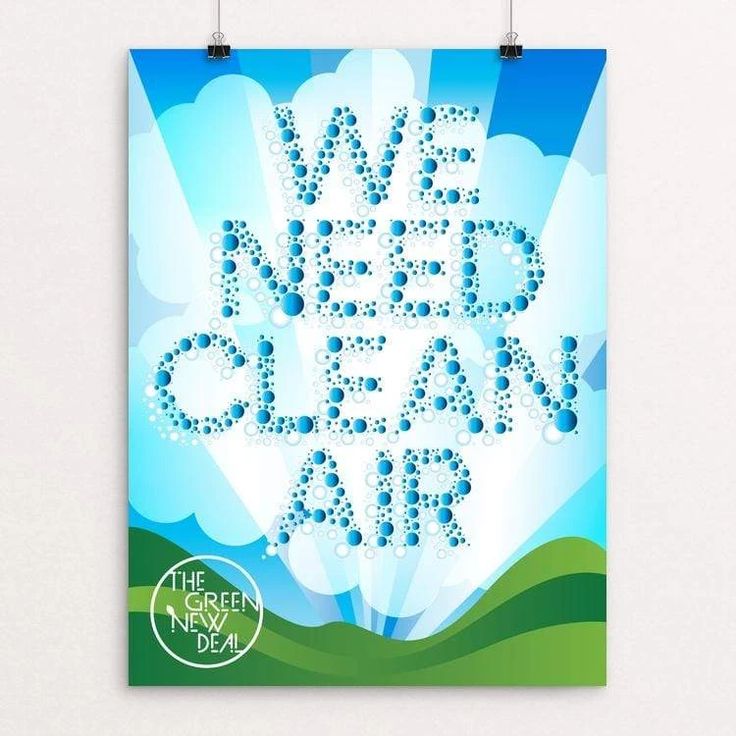
We aren’t doing enough to stop polluting our air. I love this climate poster but it is missing one crucial aspect: Use less plastic! Plastic production is a big contributor to more air pollution. Plastic is made from fossil fuels and contains many harmful chemicals. Also, there is new evidence that plastic pollution is making our oceans more acidic. https://health4earth.com/2022/07/26/how-about-a-dose-of-chemicals/
Our planet needs everyone to do their part. Start by driving less and buying less, and many of the others will fall into line! Individual action is a powerful tool for reversing the climate crisis, especially when millions of us unite together.
Clean water and air are important to our survival!
“Air, water and plastic pollution is a chronic challenge. Microplastics have been found worldwide, and the risk to human health is an open question.
New research as Stockholm University suggests that rainwater isn’t safe to drink anywhere on Earth, due to the presence of PFAS or forever chemicals found in food packaging, electronics, cosmetics and cookware.” Paul Douglas, Meteorologist
While the EPA, state/local agencies, and the environmental industry at-large work to eliminate PFAS exposure risk, there are a few simple steps anyone can take to reduce exposure to these harmful chemicals.
Start with awareness. Become aware of PFAS, the potential risk of chemical exposure, and spread the news. Reading this article is a good place to start.
Research your local water utility to learn if the water supply has been sampled for PFAS. If they are detected, ask what is being done about it. Most water utilities provide periodic reports on water quality and can be found through the tap water database tool published by the Environmental Working Group.
Look for PFAS-free alternatives in your consumer purchases. Inquire about everyday consumer products that may contain PFAS, including food wrappers, cosmetics, dental floss, and weather-resistant clothing. Look for safer alternatives. Although you will likely not be at significant risk by continuing to wear your PFAS-treated shoes and boots, the continued manufacturing usage of PFAS leads to the contamination of groundwater and drinking water, and the risk of health effects.
I would add: Reduce the plastic you use for food storage, and the plastic you purchase. Also, don’t use non-stick pans.



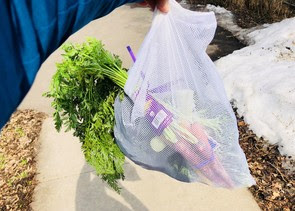 Plastic bags: Start using your reusable bags for groceries, produce, and more, including clothing, shoes, gifts, or whatever you buy. Keep some bags near your door or in the car for easy access.Plastic storage baggies: Plenty of alternatives for plastic zip bags exist. Use reusable containers in glass, ceramic, metal, or choose reusable snack bags.Plastic utensils: Start by bringing your own reusable utensils for your home packed meals, then start refusing disposable utensils when they are offered in restaurants or to-go. Find a few reusable utensils at a thrift store if you don’t want to risk losing pieces of your regular set.Plastic wrap: Use reusable containers with lids for storing foods, place a plate over a bowl in the refrigerator, or try an option like beeswax cloth to wrap over the top of your containers.Straws: Cut back your use or eliminate plastic straws by using a reusable straw instead. Request no straw when you place orders in person or online.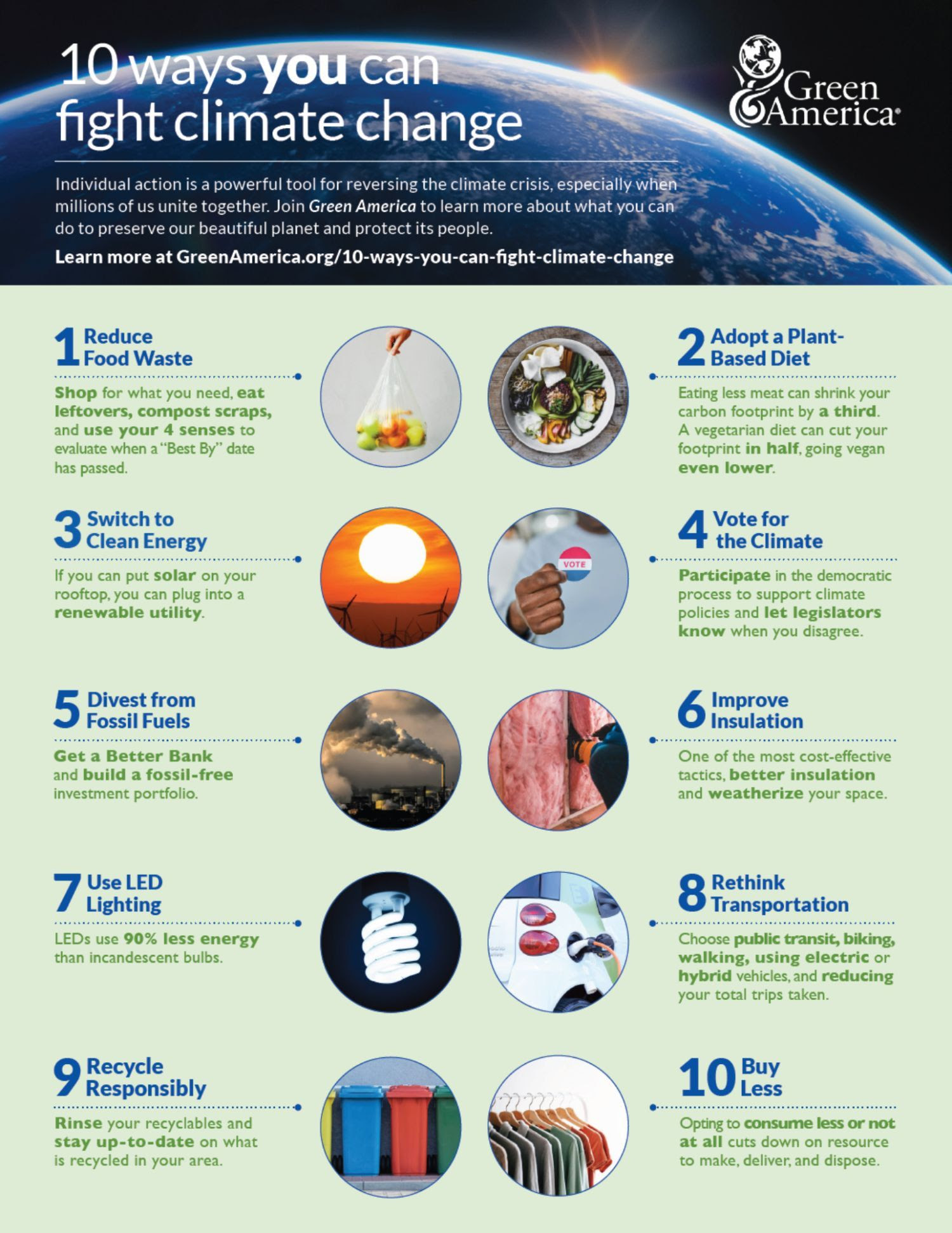

 Health4earth