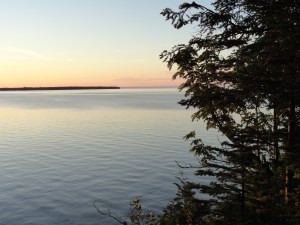
Too Much Water, Too Much Sediment

Lake Superior and all lakes are precious, protect them!

This summer I wished I could have given some of our rain to drought stricken North or South Dakota. Everyday on Lake Superior seemed to sprout a rain shower.  When I read the water quality of Lake Superior wasn’t superior to other Great Lakes anymore, my first thought was of this summer’s rain. Because of the rainy summer, the lake level became very high, and this high water caused some of the soft lake banks to erode into the lake causing lake sediment.  The streams running into the lake bring more sediment into the lake.

An unusual fact about Lake Superior: Many streams and rivers drain into the big lake, but only one river drains out of the lake, the St. Mary’s River, and that is regulated at Sault Ste. Marie. I know the water that flows out through the St. Mary’s River is complicated with many factors, but releasing more water from the lake could probably help water quality of Lake Superior. Read at St. Mary’s River.

We can all do better to protect the water quality this magnificent lake, and other lakes also.

Buffer strips along lakes protect water quality.

Slowing down the water flow can help. Buffer strips of deep-rooted plants along streams and along the lake can reduce sediment run-off, and putting in rain gardens and rain barrels can also slow the water.

The below ideas for protecting our lakes is from the Superiorforum.org , Sigurd Olson Institute, Northland college, the EPA, and Great Lakes Restoration Initiative:
1 .Be conservative with your water use.
2. Recycle as much as you can with the 4 Rs: reduce, reuse, recycle and repair. And….NEVER burn trash.
3. Curb Yard Pollution. Put your lawn on a chemical-free diet!!
4. Stop aquatic invasives by cleaning plants and animals off your boat.
5. Plant native plants, and reduce turf grass.
6. Plant native trees According to Audubon, oak trees are the best for attracting insects and birds.
7. Install a rain barrel
8. Create an energy-efficient home.
9. Bring hazardous waste to waste collection sites.
10. Love our lakes!

I would add a few more:

  1. Plastics have become a big problem for our waterways.  Reduce plastic use and be sure any plastic-use is recycled. Also remember to say, “No straw please!”
  2. Micro-fibers in our clothes also are polluting our waterways. As of yet there isn’t a good solution. Read about micro-fibers here.
  3. Always pick up litter.

The water we have on earth is the only water we will ever have, we must take care of it!
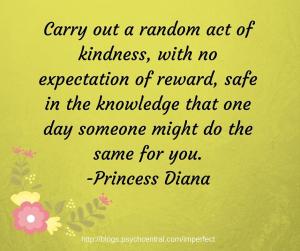
Do Something Nice Day!

One smile makes lots of smiles…go on smile!

October 5 is the national day to do something nice, and after weeks of tragedy and deaths from gun violence and hurricane suffering we need a break. So today get out and smile, be pleasant to everyone you see!
Do something nice for the earth also. Avoid plastic, pick up trash, buy organic, go meatless, leave your car at home, and walk or take the bus. Do something Nice!

International Day of Non-Violence

Hello to the United States from a girl I met in Taiwan

“A small body of determined spirits fired by an unquenchable faith in their mission can alter the course of history!” Gandhi

Everyday the world faces tragedy, but we must continue to work together to create a world where non-violence is cool!

The below editorial was printed in the Minneapolis Star Tribune: Six Steps to Make America more Civil, and a little bit greater:


1. Become more aware of others

Give more hugs!

2. Do a good deed everyday

3. Clean up your language

4. Give others the benefit of the doubt.

5. Change the world right where you are.

6. Leave your surroundings better than you found them! Read the entire article here.

Even if you can do only two from above, you can make a difference and be happier!

Together for Peace

2017 Peace Day Theme: Together for Peace: Respect, Safety and Dignity for All.

The International Day of Peace (“Peace Day”) is observed around the world each year on 21 September. Established in 1981 by unanimous United Nations resolution, Peace Day provides a globally shared date for all humanity to commit to Peace above all differences and to contribute to building a Culture of Peace.
#jointogether

Peace is a goal to which we strive, a state of existence that we want to live in, a way of acting and a feeling of respect.  When we work to live peacefully with others it shows the concern and love we express for them.  In some cultures, people greet one another by using the word “peace” in their greetings, “peace be to you.”  Native Americans when they met with people from another tribe, or when “foreigners” came to them respectfully, the “peace pipe” was shared among those assembled.  From early times, cultures have recognized symbols for peace. Voices Education

Wishing kindness on our earth

Today, do something kind for our earth!

Brothers and sisters all are we
Let me walk with my brother and sister
In perfect harmony !

How Can We Embrace Water?

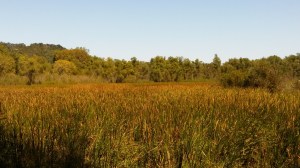
Wetlands along the Mississippi River

The earth has a natural balance. The prairies, lakes, wetlands, deserts, mountains and oceans and rivers all work together to provide food and habitat for living things. Unfortunately, some places have gotten out of balance. Some areas are suffering terrible drought, and others have more rain and water than they can manage.

Building cities, driveways, parking lots, and roads changes the earth’s balance. What had been surfaces that were pervious, water drained through, are changed into impervious surfaces, that do not drain.  Wetlands have gotten the shaft the past 200 years taking away the natural healing for our earth. Farmers have drained the wetlands to be used for agriculture and cities have drained and paved over these valuable places that naturally clean our water and provide homes for so much wildlife. When you build a city on a wetland you take away the natural ability to drain the area. You also destroy the dynamic life that lives there.

Houston sits on a wetland. Without any regulation parts of Houston were built on a wetlands. The concrete and asphalt took away the earth’s drainage capacity. The original wetland wants to flood, that’s what it is supposed to do, but all the hard paved surface has left only small patches of ground to drain the water and guess what? You have a flooded area.

How can Houston embrace their water? I hope that as Houston rebuilds from Hurricane Harvey they will work to maximize pervious areas, areas that drain, and limit the concrete and asphalt. It is impossible to plan for a 50 inch rain, but with some good science and skilled planning, some houses and many lives can be saved.  Regulation and good minds are needed instead of a “Do what you want” attitude.  I hope the people of Houston will try!   It is so wasteful and expensive not to try to change the way they do things.

Areas need to be created that capture the water so it drains into the earth not into the rivers and streams. Run-off creates polluted water.  The earth naturally cleans the water as it is absorbed by the earth.  I hope Houston is willing to replace some concrete with renewed wetlands and rain gardens that will keep such destruction from happening again! Homeowners could be required to install pervious or permeable driveways or gardens that absorb water, or some area on their property that absorbs a percentage of water. See permeable driveways for ideas.

I heard one Houston homeowner on the radio, his house had flooded 3 times in the past 5 years.  It is insane to keep doing the same thing over and over and expect a different result!  Maybe we can all learn something from New Orleans. See below.

After fighting water New Orleans is starting to embrace their water problem with a new paradigm. I hope Houston can learn from them. Read about it at New Orleans.

Also, Mayors along the Mississippi River are embracing wetlands to improve water quality and this will help New Orleans and the Gulf of Mexico, also! Read about at wetlands.

Houston, it’s your turn!  Wetlands can soak up lots of flood water. Can you do things differently this time around? Start listening to the scientists, engineers and environmentalists.

Houston helped put a man on the moon. Houston is the leader in the medical field. It could also begin to be a smart, resilient city if it puts its mind to it. That’s all it’s got to do. Read more at Houston.


Scientists, other experts and federal officials say Houston’s explosive growth is largely to blame. As millions have flocked to the metropolitan area in recent decades, local officials have largely snubbed stricter building regulations, allowing developers to pave over crucial acres of prairie land that once absorbed huge amounts of rainwater. That has led to an excess of

It’s Positive Thinking Day!

“You may say I’m a dreamer, but I’m not the only one. I hope someday you’ll join us. and the world will live as one.” John Lennon


The sun is shining and the temperature is comfortable. There couldn’t be a better day to think positive! Celebrate Positive Thinking Day today, September 13. A day to smile, love, be kind, enjoy and show gratitude!

Exciting Good News

This is my occasional series on Good News.  I love the leadership from Costa Rica, Seattle, Australia, Kenya and South Miami, places that are taking us into a sustainable future.

** Amazing Costa Rica will be the first country to ban all single-use plastics. They are working with businesses to create and use biodegradable plastic products.  By 2021 Costa Rica hopes be using plastic bags, straws, coffee stirrers, containers and plastic cutlery that will break down in water.  Read about it at Costa Rica 

** Also amazing, in 2018 the city of Seattle is banning straws and plastic utensils in restaurants! Read about it here.

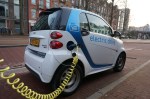
Car of the future!

** Australia going to build the world’s longest electric vehicle highway. They will build a 1,118 mile highway with free and fast electric charging stations. Read about it at EVhighway 

** A new local law will require all new homes built in South Miami to install solar panels. The idea was pushed by a teenage climate activist, and will began this September. Read more about it at South Miami.

These bags will dissolve in a few months. We should all be using them!

** Yay, Kenya is enforcing a tough plastic bag-ban. Read at Kenya. 

Currently these biodegradable products are available in the USA, and can be purchased at food-coops and some grocery stores.

Filling the Swamp with Plastic

Plastic breaks into tiny pieces, wildlife thinks it’s food, and it might last forever!

Humans have created 9 billion tons of plastic since 1950 and most of this plastic still exists on earth. Only 9 percent has been recycled, and 11 percent incinerated. That leaves 80 percent of the plastic ever produced floating around in our waterways, poisoning fish, or releasing chemicals in landfills. As citizens of this planet we should be doing everything we can to reduce the amount of plastic we use.

There were two sad set-backs for plastic in our environment this past week, and both were pandering to big business and lobbyists, or “filling the swamp”.

First, our national parks had made an effort to begin banning plastic water bottles, but the new deputy secretary of the interior, with ties to the plastic bottle industry, changed the policy. Read about it here.

Second, on what should have been an easy issue, the Minneapolis City Council tabled a five-cent fee to be placed on plastic bags. The lobbyists and the plastic industry wins over our lakes and streams.

Never should plastic have been allowed to be produced without a plan to dispose of it. Sixty-seven years later plastic manufacturers and lobbyists are thriving, and elected officials continue to “fill the swamp” taking campaign money from them.  If our parks and cities don’t lead by example our environment lacks places it can turn for leadership!

Please do what you can to reduce your plastic foot-print!

Simple ways to reduce your plastic pollution:

Bring you own bag
Bring your own bag
  1. Start simple and add one idea at a time
  2. Bring your own shopping bags
  3. Buy bulk and refill your own containers
  4. Don’t purchase bottled water
  5. Say “No” to straws, plastic spoons, forks, and knives
  6. Always choose glass containers over plastic!
  7. Never purchase products packaged in Styrofoam (Be aware of meat and produce trays)
  8. Recycle, recycle, recycle and reuse.


It’s Monday, Go Meatless!

It’s Meatless Monday
Animal protein production requires more than eight times as much fossil-fuel energy than production of plant protein. Meat and cheese production also requires large amounts of pesticides, chemical fertilizer, fuel and water. The animals generate toxic manure and wastewater that can pollute our groundwater, rivers, lakes and streams. The number one way you can reduce your carbon food print is by eating less meat and less dairy.” Do It Green Minnesota

Reduce your meat consumption, and also reduce your food waste. If everyone does a small amount it can make a big difference!