Start From Where you Are!

Yes, we all can make a difference. Small changes can lead to big changes.

A great thought for the day. How can we have more control? The world can be a discouraging place. Especially when we have elected officials that are taking us in the wrong direction and wasting taxpayer dollars. The only thing we have control of is our own behavior, and instead of being angry we can use that energy to make a positive difference. Below are some ways you can make a positive impact without much effort. Good Luck. Below is from the Carbon Almanac:

When countries and companies lessen their commitment to targets and activities for climate change, it can be disheartening as systemic change is critical for big impact. If you feel powerless to influence systemic change, you can start where you are.

Some ideas of how to start:

  • Start by having a conversation with friends
  • Start by taking one less trip in a combustion engine vehicle
  • Start by shopping at a thrift store
  • Start by buying produce that is not wrapped in plastic
  • Start by bringing a reusable mug to your favourite cafe
  • Start by finding a local environmental group

And my list to get you started:

*Always carry reusable shopping bags

*Never idle the engine of your car

*Write letters to elected officials and newspapers expressing your opinion (positive and negative)

*Plant a native plant or a native tree

*Listen, smile and be kind

The key is to start (or keep) taking action. One action can lead to another and then another. And by sharing what you are doing, you can inspire others to join.

Earth Overshoot

On July 24, we had used all the resources that the Earth can generate in a year. We are using more resources than we can replace, or living on borrowed time.
The day we want to reach is December 31.

How can we use ;ess resources

From the Carbon Almanac. On July 24 we hit Earth Overshoot Day for 2025. Earth Overshoot Day is noted every year and the date is announced on World Environment Day. It marks the day when “humanity’s demand for ecological resources and services … exceeds what Earth can regenerate in that year”. Global Footprint Network, a research organization focused on the operation of the human economy within the Earth’s ecological limits, hosts and calculates when Earth Overshoot Day will occur, with this year showing that humanity is using the planet’s resources 80% faster than ecosystems can regenerate. July 24 is the earliest in the year that Earth Overshoot Day has fallen, with past dates going back to 1971. In those 54 years, humanity reached its overshoot day on December 31 once, in 1972. 

Calculations for overshoot day are based on the National Footprint and Biocapacity Accounts, and this year’s calculations revealed that due to the ocean’s reduced capacity to store carbon, an increase in per capita Footprint and a reduced per capita biocapacity, Earth Overshoot Day fell eight days earlier than it did in 2024. In addition to Earth Overshoot Day, Country Overshoot Days are also calculated each year, seen here. These dates represent when the planet’s ecological resource budget would be used up if every place on Earth consumed at the same level as residents in that particular country. 

Credit: Global Footprint Network 2025, www.overshootday.org and www.footprintnetwork.org.

A campaign working to reduce the strain on the Earth’s resources and bring humanity’s consumption into better balance is #MoveTheDate. The goal is to move the date of Earth Overshoot Day to December 31 or later every year, ensuring that the resources taken from the planet can be sustainability regenerated by the ecosystems. Solutions range across five major areas: planet, cities, energy, food and population. This solutions map tracks solutions being implemented across the world. Check it out to see if there are any near you. 

Visit the Earth Overshoot Day website to learn more about how it is calculated, as well as the economic and ecological implications of humanity’s continued overuse of resources. 

My Five things you can do:

Strive for zero waste–Reuse, Reuse, Reuse and Refuse!

Drive Less

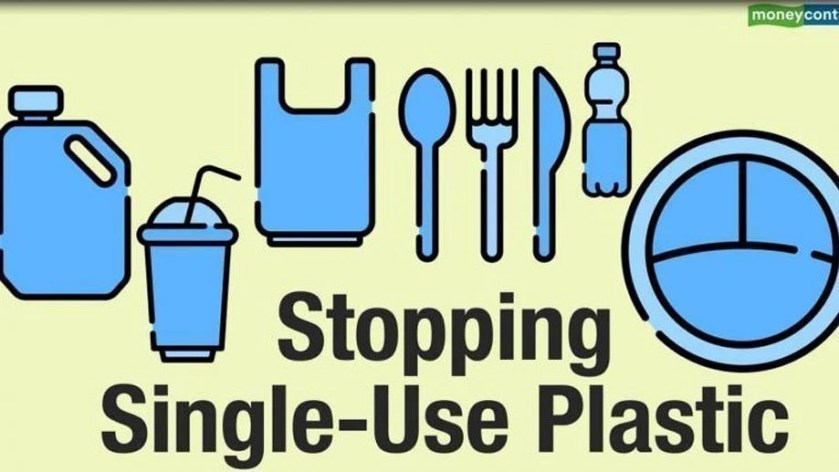
Reduce your plastic footprint–No single use plastic!

Plant native plants and raingardens without chemicals!

Don’t waste food.

Small Actions Matter

Refuse, Refill, Repair, Reuse, Regenerate, Rethink, Share

Reducing your use of single-use plastic makes a big difference!

Small acts adding up to more
Below is from the Carbon Almanac!
“We don’t have to engage in grand, heroic actions to participate in change. Small acts, when multiplied by millions of people, can transform the world.” – Howard Zinn
Consider what you buy. Everything we purchase has made an impact on the environment through carbon emissions. Some more than others. Is your item available second-hand?Our actions matter. We can make a difference before it’s too late. 
Small actions when coordinated with others can lead to systemic change.What are things you can do?Get engaged in your local government. Listen to a meeting, reach out to your representative, sign a petition. Local environmental policies have a direct impact on our lives and our voices can make a difference.Involve your community. Bring people together to enjoy conversations and spark ideas on what actions to take.
Consider what your buy. Everything we purchase has made an impact on the environment through carbon emissions. Some more than others. Is your item available second-hand?Our actions matter. We can make a difference before it’s too late. 

World’s Indigenous People

We are all connected!

This is from the Carbon Almanac!

Today we celebrate International Day of the World’s Indigenous Peoples. 

Raoni Metuktire is an Indigenous Brazilian leader and environmentalist. Born in 1932, he has seen a lot of change due to climate change. 

In The Carbon Almanac, we feature his quote and it serves as a reminder that we are all connected.

We all breathe this one air, we all drink the same water. We all live on this one planet. We need to protect the Earth. If we don’t, the big winds will come and destroy the forest. Then you will feel the fear that we feel.