Planet Awareness

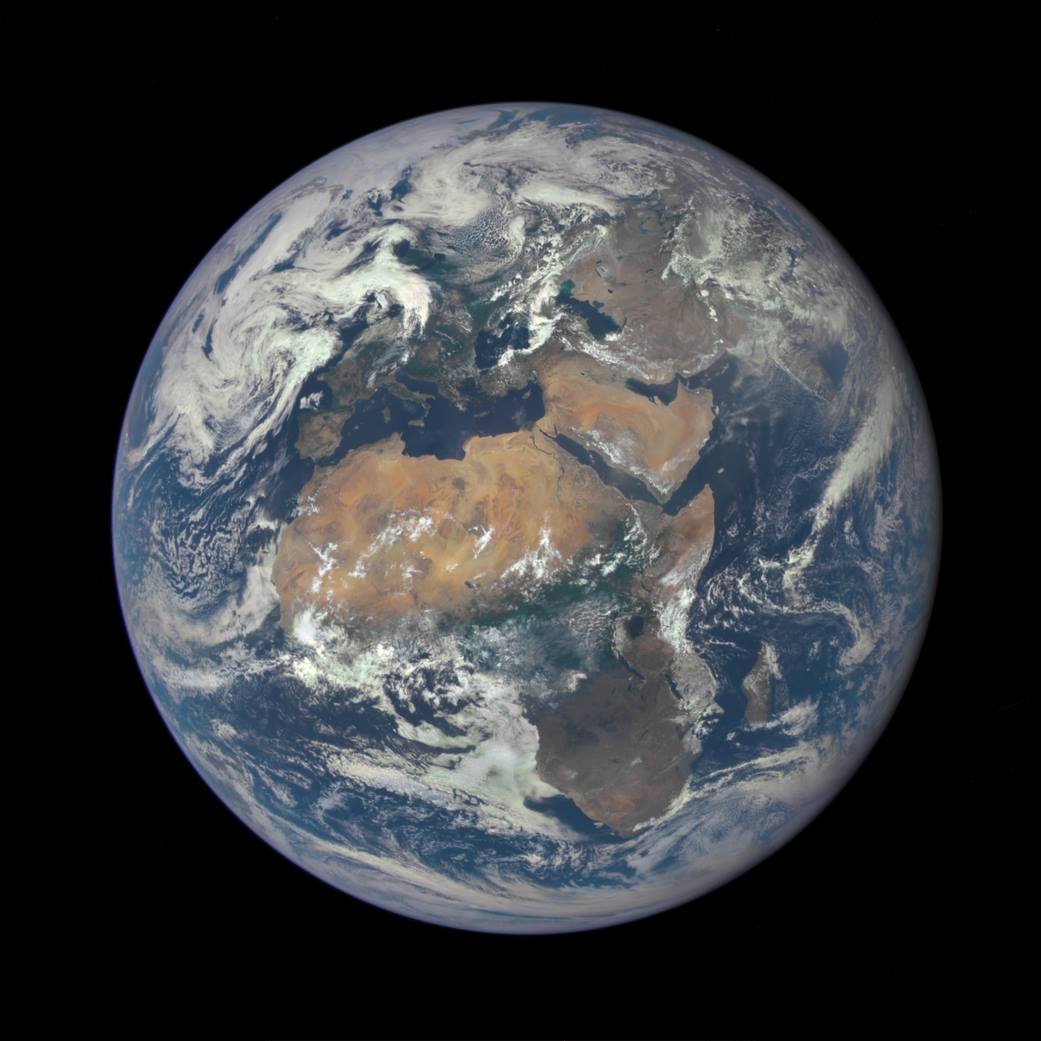
Consider our Earth when you make choices for your day.

Every day is full of choices. You won’t be perfect, but make it a habit to become aware! Our air, water, wildlife, and all living things thank you.

Below is from The Carbon Almanac:

Salvador Dalí once said, “Have no fear of perfection—you’ll never reach it.”

He wasn’t talking about the environment. But he could have been.

Somewhere along the way, the idea that if we’re going to care about the planet, we have to do it right. The right purchase. The right diet. The right commute. And if we can’t be sure we’re doing it right, a strange kind of paralysis sets in where it seems it is better to do nothing than to do something imperfectly and get it “wrong.”

Waiting for the perfect option is a very effective way to never act at all. And the perfect option doesn’t exist as every decision has trade-offs. 

So if we can’t make the perfect choice, then we should be looking for the next best choice. The choice that we don’t make on autopilot. When we pause to weigh the planet in a decision, we’re not just making one choice. We’re practicing a habit of attention. And that habit doesn’t stay contained to the one decision in front of us. It grows. The more often we consciously factor in impact, the more naturally it shows up in the next decision, and the one after that. Awareness builds on itself in a way that a single “perfect” decision never could.

The real question isn’t “did I make the perfect choice?” It’s simpler than that: “did I include the impact on the environment in my thinking?”

The more we do that, the better we will become at making the next best choice.

Picture of Lake Superior

Clean water and clean air depend on every day good choices.

Hope

Start the day with hope. Spring will come! Collective positive energy can make things better.

All people matter!

Embrace a new year and each new day with hope!

The road is before us!
It is a new day, a new beginning,
And it is filled with hope.”
Walt Whitman

Start each day with hope!

2025 has been a hard year. Wars are raging, too many die from gun violence, democracy is threatened, ICE is threatening communities, climate change brings storms, fires, drought and flooding. But we must move forward toward a new world. Our mental health is so much better if we start each day with hope and positive energy to make things better.

Below is from the NYT today:

While optimism is the belief that the future will be better, hope is the belief “that we have the power to make it so,” said Chan Hellman, the director of The Hope Research Center at the University of Oklahoma. It is “one of the strongest predictors of well-being,” he said. It helps improve the immune system and aids recovery from illness. More hopeful people may actually grow taller than less hopeful people.

To cultivate hope, people need three things. They first need to be able to envision a better future, either personally or collectively. Second, they need the willpower or motivation to move toward that future. And third, they must be able to chart “a path from where they are to where they want to be,” he added.

How to be more hopeful
There are a few ways, experts say.

People can set specific goals and then “begin brainstorming the pathways or road maps” to achieve them, ideally by writing them down, Hellman said. That can start small. “It is much better to set and focus on short-term goals rather than long-term, abstract goals,” he added.


That can often mean speaking more positively about other people. People gossip three times as much about the selfish things others do than about the generous things they do. To address that, an expert suggested “positive observation.”
Share one story of something positive that you observed or did that day. The research finds that when you know you’re going to have to share something, you pay a lot more attention to it.

Lift every voice and sing
Till earth and Heaven ring
Ring with the harmonies of Liberty;
Let our rejoicing rise,
High as The list’ning skies,
let it resound loud as the Rolling sea

James Weldon Johnson, 1900