This is from the Story of Stuff. I hope you will give it some thought and make thoughtful purchases for the holidays and all year. “This time of year, the pressure to buy more — and waste more — is everywhere. Black Friday doorbusters, holiday flash sales, limited-time offers: overconsumption during the holidays isn’t an accident. It’s by design.
And the consequences are massive. Americans generate 25% more waste between Thanksgiving and New Year’s — an extra one million tons of trash every week. From impulse purchases tossed by January, to mountains of packaging, the holiday season has become a pipeline of extraction, production, shipping, and disposal.
What we rarely see are the impacts hidden upstream. Most of a product’s environmental footprint happens long before it reaches your door — through rapid mining of raw materials, energy-intensive manufacturing, and global shipping emissions that fuel the climate crisis.
Fast fashion hauls and holiday overbuying only accelerate the damage. Every second, a garbage truck’s worth of clothing is landfilled or burned. Electronics, toys, gadgets, and seasonal “stuff” flood into toxic e-waste dumps around the world.” Story of Stuff
Trying to be more climate friendly with gift giving this year? This holiday gifting guide will help you get in the spirit while saving you money and deepening the meaningfulness of your holiday season.
On July 24, we had used all the resources that the Earth can generate in a year. We are using more resources than we can replace, or living on borrowed time. The day we want to reach is December 31.
How can we use ;ess resources
From the Carbon Almanac. On July 24 we hit Earth Overshoot Day for 2025. Earth Overshoot Day is noted every year and the date is announced on World Environment Day. It marks the day when “humanity’s demand for ecological resources and services … exceeds what Earth can regenerate in that year”. Global Footprint Network, a research organization focused on the operation of the human economy within the Earth’s ecological limits, hosts and calculates when Earth Overshoot Day will occur, with this year showing that humanity is using the planet’s resources 80% faster than ecosystems can regenerate. July 24 is the earliest in the year that Earth Overshoot Day has fallen, with past dates going back to 1971. In those 54 years, humanity reached its overshoot day on December 31 once, in 1972.
Calculations for overshoot day are based on the National Footprint and Biocapacity Accounts, and this year’s calculations revealed that due to the ocean’s reduced capacity to store carbon, an increase in per capita Footprint and a reduced per capita biocapacity, Earth Overshoot Day fell eight days earlier than it did in 2024. In addition to Earth Overshoot Day, Country Overshoot Days are also calculated each year, seen here. These dates represent when the planet’s ecological resource budget would be used up if every place on Earth consumed at the same level as residents in that particular country.
A campaign working to reduce the strain on the Earth’s resources and bring humanity’s consumption into better balance is #MoveTheDate. The goal is to move the date of Earth Overshoot Day to December 31 or later every year, ensuring that the resources taken from the planet can be sustainability regenerated by the ecosystems. Solutions range across five major areas: planet, cities, energy, food and population. This solutions map tracks solutions being implemented across the world. Check it out to see if there are any near you.
Visit the Earth Overshoot Day website to learn more about how it is calculated, as well as the economic and ecological implications of humanity’s continued overuse of resources.
My Five things you can do:
Strive for zero waste–Reuse, Reuse, Reuse and Refuse!
Drive Less
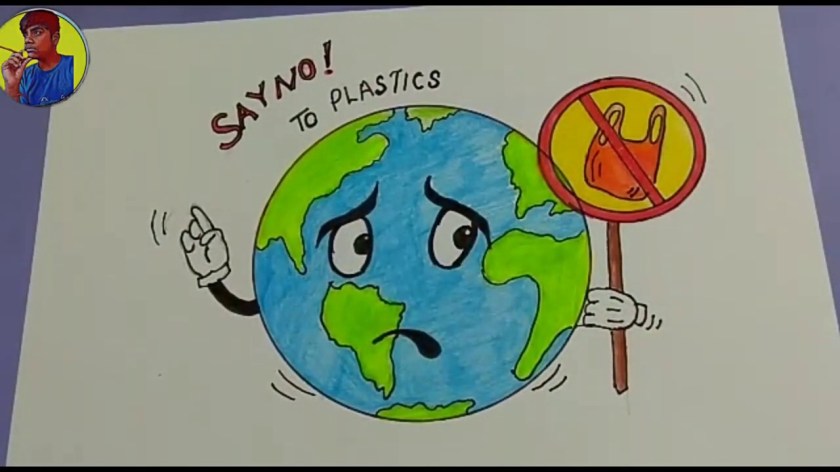
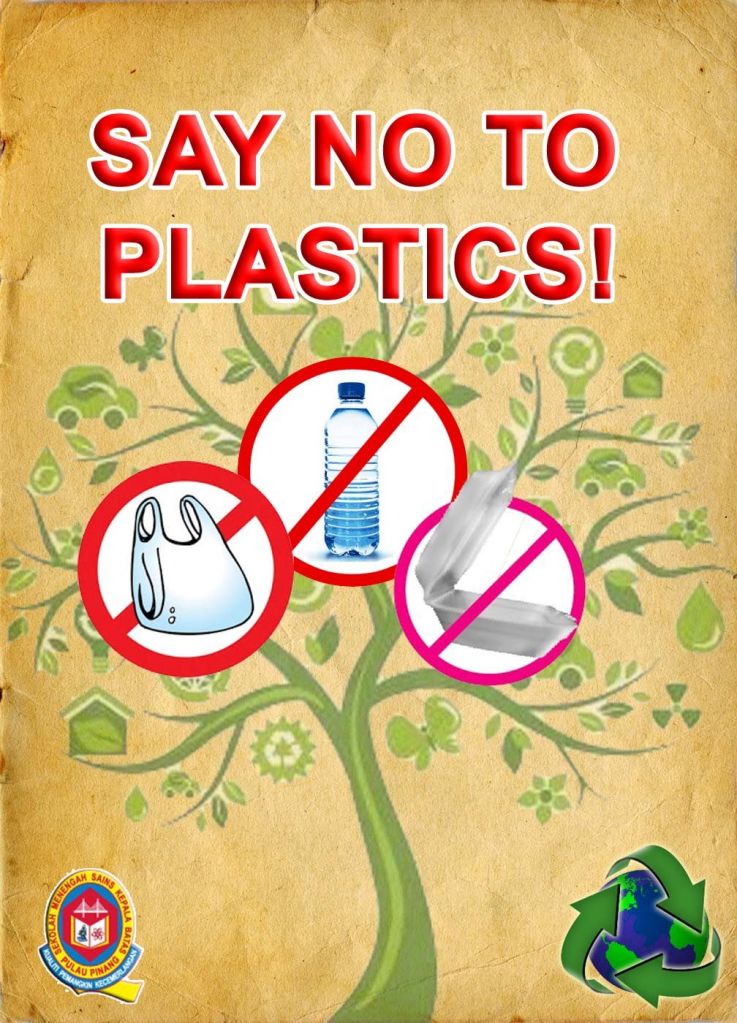
Reduce your plastic footprint–No single use plastic!
Plant native plants and raingardens without chemicals!
We are in a climate crisis, a waste crisis, and a plastic crisis. The last thing we need is for people to purchase more landfill junk. Everyone has a right to clean water and clean air. Buying less stuff, and producing less waste helps keep our water and air clean.
Purchase items of quality and things you really need this holiday. Also, become aware of the plastic that you send to the landfill.
Zero Waste is moving from our throw-away and overconsumption culture to a more sustainable way of reusing and refusing.
Food waste in landfills produces harmful methane gas.
The EPA reports that garbage increases 25% between Thanksgiving and New Year’s. Here are new ways to reduce your waste.
Six ideas to help you reduce your plastic this Thanksgiving from my friends at Beyond Plastic
1. Choose Scratch Over Store-Bought
Most store-bought dishes from supermarkets and restaurants will be packaged in plastic containers. To avoid the unnecessary plastic, focus on cooking from scratch. Ingredients like vegetables, flour, butter, and nuts can be commonly found in non-plastic packaging. For items like nuts and dried fruits, see if your local market, co-op or health food store has a bulk section and bring your own bags to fill up! When faced with a choice of packaging, choose glass or paper over plastic. If you’re looking for inspiration, see our (newly expanded) recipe suggestions below.
2. Shop Local
Shopping locally not only reduces your meal’s carbon footprint, but you can bring your own bags and containers and you’re less likely to encounter plastic packaging than at your grocery store. Small businesses also need our support more than ever during the pandemic. Give your community your thanks by supporting each other!
If you don’t have the time or inclination to make pumpkin, pecan, or apple pie from scratch, check your local bakery. While you’re there, pick up the bread you’ll need to make your stuffing and bring it all home in your reusable bags. Visit your local farmers market to pick up potatoes, squash, sweet potatoes, carrots, onions, greens, and more. If your farmers market is closed for the season, many CSAs (community supported agriculture) also offer a special one-time Thanksgiving share of goodies to anyone, even if you’re not a subscriber.
3. Use Sustainable Decor
Forget the dollar store, make the perfect fall decor for your table setting with things from your backyard and local farm stand. Pressed leaves and pumpkins make for great wall and table adornments! Check out some DIY ideas here. And don’t forget to get the kids involved!
4. Serve on Reusable Dishes & Dinnerware
Plastic utensils and cups end up in landfills, incinerators, or waterways where they can pose a threat to wildlife. Set your table with a beautiful tablecloth, ceramic or metal plates, cups, serving platters, metal utensils (got a set of silverware from your parents or grandparents you can bust out?), and cloth napkins. This can also include glass pitchers or bottles for drinks. If your family enjoys seltzer, consider investing in a SodaStream or other carbonation machine (tip: choose the model that comes with glass bottles over plastic). If you have kids, assign them the task of polishing silver—they may find it deeply satisfying. Sticking to reusables only will not only reduce your waste but also save you money. Get family or friends to help wash anything delicate that can’t go in the dishwasher and toss all your cloth items in the washing machine afterwards. No muss, no fuss, and, more importantly, no WASTE.
5. Provide or Bring Reusable Containers for Leftovers
Going to family or friend’s home for dinner? Bring your own glass or metal containers to cart home some delicious leftovers. There are also some great beeswax-coated fabric wraps out there these days that can take the place of plastic wrap or tinfoil. If you are hosting the dinner, remind guests to bring reusable containers with them. If you have extras to spare (say from all those take-out containers you saved during COVID lockdown), you can offer them to guests who’ve forgotten to bring their own. If you haven’t yet invested in glass or metal containers, don’t let that stop you – just bring plastic tupperware or clean yogurt containers, etc., but make sure not to heat anything up in those containers later to avoid the chemical leaching that occurs when hot food comes into contact with plastic. If you do use aluminum foil, when you’re done, don’t forget to gently clean and dry it and save it to use again.
6. Compost!
Compost any scraps from cooking or leftovers that aren’t being saved, as well as any compostable decor you’ve put up or used on the table once you tire of it. Reminder, if your Thanksgiving dinner includes a turkey, make stock out of the carcass before you compost it—you can make an excellent, very flavorful turkey soup or freeze it for months. If you’re not sure what can and can’t be composted, check out this helpful list. If you don’t have a backyard compost, see if your city or town has a local composting system. If they don’t, look into how to start one. HINT: This could be a great project for a Beyond Plastics Local Group or Affiliate to take on.
Plastic is a problem not just because it becomes litter but because it poses a real and immediate threat to human health. We must reduce the plastic we consume! Please sign the petition below from Earthday.org
Please sign the petition calling for a strong global plastics treaty
Plastics have a huge impact on human health, leaching harmful chemicals into our food, water, and air leading to hormonal issues,2 increased cancers risks,3 and developmental issues.4 As the plastics breakdown into micro and nano-plastics they are able to penetrate every aspect of our lives and their production pumps emissions directly into the atmosphere further exacerbating the climate crisis.5 That’s why Earth Day 2024’s theme is Planet vs. Plastics, which we believe embodies the struggle we all face for human and planetary health. We must demand action from world leaders to address the issue. The Global Plastics Treaty is the first step to united global action6 — but we need to make sure that they commit to effective measures instead of just do lip service. Please sign the petition calling for a strong Global Plastics Treaty. SIGN NOW
As with any international treaty, success is impossible without strict enforcement and commitment by participating countries.
Here are our demands to the United Nations and World Government Organizations:
-Support a highly ambitious Global Plastic Treaty that binds all to the same standards -A 60% of reduction of all fossil fuel-based plastic production by 2040 -Require producers and retailers of plastics to be liable for the cost of any environmental or health-related damages in accordance with the “producer pays” principle -Public and private sector investments in innovation to replace all fossil fuel-based plastics -Ban all plastic-related tobacco products including, but not limited to tobacco filters and e-cigarettes -Ban the export of plastic waste -End the incineration of plastic waste -Support innovative solutions and alternatives to plastic in all sectors -Fully finance education and public awareness campaigns to inform the public about reasons and strategies for ending plastic pollution
Plastic pollutes our Earth and is harmful to our health!
Plastic is made from fossil fuels with many toxic chemicals added.
This post has nothing to do with Greenpeace. I liked this logo
If plastic were a country it would be the 5th largest emitter of greenhouse gases. Plastic pollutes our planet at every stage of its life, it also causes disease and death.
Plastic is made from fossil fuels and also toxic chemicals. Many thousands of unregulated chemicals are added to make plastic soft, hard; fire resistant or whatever chemicals are needed to create the plastic product. These harmful chemicals leach into the food and drinks of the products they package.
Just knowing this about plastic do you really want to package your food or drinks in it? Not only is plastic leaching into our food, but it is also shedding particles everywhere. These particles, called microfibers, can be found every place on Earth and these microfibers carry with them the toxic plastic chemicals contained in plastic. Many of us consume a credit card of plastic particles a week.
More bad news about plastic! Plastic is difficult to recycle. All the chemicals and different types of plastic make it hard to recycle and hard to turn into new markets. Recycling plastic makes it more toxic. Only about 5 to 9 percent of all the plastic produced has ever been recycled.
Every person on our planet needs to reduce their dependence on plastic, most of all our children. We don’t know what the long-term effects will be, but many of the chemical additives in plastic are known to cause cancer and other serious diseases. PFAS, phthalates and bisphenols and many others, added to plastic, should be taken seriously, and the producers and manufacturers of plastic need to be held responsible for the harm they contribute to our health and our planet.
Please sign this petition calling for the US to join the Global Plastics Treaty encouraging the White House to commit to end the production and sale of single-use plastics, combat plastic pollution, and require producers and retailers of plastics to be liable for the cost of any environmental or health-related damages.
Most important, start this moment to reduce your plastic exposure/ footprint.
Always carry a reusable glass or metal water bottle, and reusable shopping bags with you.
Learn to refuse single-use plastics, such as plastic water bottles and coffee cups, straws, plastic bags and plastic utensils.
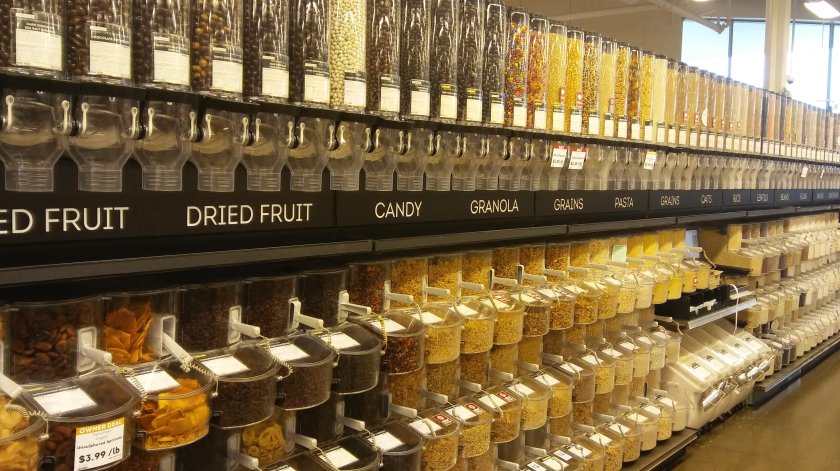
Purchase fruit and produce in the bulk section, and don’t place items in plastic bags.
Always search out products in glass jars instead of plastic containers.
When you must buy plastic products, choose ones that you can recycle rather than ones you must put in the trash.
Bring your own containers and shop the bulk section of your local food coop.
Please sign the petition calling for the US to join the Global Plastics Treaty, you can help encourage the United States to end the production and sale of single-use plastics by 2030, introduce measures to combat plastic pollution by regulating the entire life cycle of plastic, and requiring producers and retailers of plastics to be liable for the cost of any environmental or health-related damages.
It is World Refill Day! One of the best ways to reduce your plastic footprint is to refill your own containers. Grains, nuts, beans, and spices are so easy to purchase in bulk. From my experience, food coops are the easiest places to bring and use your own containers. Yesterday, my husband and I filled over ten of our own containers at a food coop. That’s a huge reduction in packaging! Don’t start with more than two or three items. Those at the coop will be glad to help you get started. Usually you begin with a tare weight of your container, fill your container with the item you want, label the number of the product on the container with the tare weight. Your coop might have a different process, but it will be similar to this. It sounds confusing, but it is easy when you see the entire process.
As a global movement, we have the power to create a wave of change. By choosing to reuse, we’re saving millions of pieces of plastic and sending a message to the rest of the world that the solutions to plastic pollution and the climate crisis are there – and together we can keep our environment, oceans, cities and communities plastic-free for the future.
Our throwaway culture is polluting our planet and we need to turn off the tap when it comes to single-use plastic. Globally, we use millions of tonnes every year and it’s becoming clear that we can’t recycle our way out of our plastic problem. Plastic is not only polluting our planet, impacting communities around the world, and contributing to the climate crisis, but it’s making its way into our bodies through the air we breathe and the food we eat.
It is America Recycles Day. Is it a joke or is it real?
Producers of plastic need to be held responsible for the environmental disaster they have created! What do all those recycling numbers (1-7) mean?
Are we living in a fantasy world about recycling? For many years I have been so hopeful and happy as recycling has become the norm, but now new studies show it is not as wonderful as we had hoped. Only 5 to 9 percent of plastic produced has ever been recycled. The fact is, a lot of plastic packaging, even with those silly 1-7 numbers, is NOT recyclable! Companies and plastic producers **greenwash by claiming to recycle more than they do, and they greenwash by claiming their product is recyclable.
What about recycling paper, metal and glass? Are these recyclables? Paper, metal, and glass are valuable to recyclers, and do have a new life when recycled. Paper, glass and metal all have markets for their recycled material and can be recycled over and over.
Plastic is another issue. Markets for plastic are scarce. Also, plastic is loaded with harmful chemicals, and after being recycled the toxics become more concentrated. Even though the plastic chemical industry says they are recycling their products, the reality is very different. It makes me very sad, but I’m afraid the recycling of plastic is becoming a myth
“There’s a long history of corporations, and especially plastic makers, touting their products as recyclable to prevent regulation and public backlash. Many plastic items in the grocery store have a set of three arrows forming a triangle with a number in the middle—but it’s not a recycling symbol. It’s a resin stamp indicating roughly the type of plastic it is. The petrochemical industry created it to make consumers think the item is recyclable.” Greenpeace Report: ‘Most Plastic Is Just Not Recyclable’
Landfill or recycle: Working to recycle is still better than sending the packaging to the landfill. The plastic will sit in the landfill 5oo or longer years, where at least with recycling there is a chance, maybe someday, it will be turned into something new. Officials where I live claim collected plastic is turned into decking, siding, and lawn chairs. I still hope that is the case!
As a society we need to hold the producers of plastic accountable to create a product that can be recycled, a product that doesn’t contain toxic chemicals. Producers of plastic need to be held accountable for their product’s end of life.
Please recycle as much as you can, but also reduce the plastic that you use and plastic. Our planet and your health will be better for it! Thank you.
**What is Greenwashing? Pretending to be greener than in reality you are.
If plastic were a country, it would be the fifth largest emitter of greenhouse gases. Plastic is stuffed with harmful chemicals, and even though we are told it is recyclable this report shows how plastic recycling is NOT working!
“More plastic is being produced, and an even smaller percentage of it is being recycled,” says Lisa Ramsden, senior plastic campaigner for Greenpeace USA. “The crisis just gets worse and worse, and without drastic change will continue to worsen as the industry plans to triple plastic production by 2050.”
Coca Cola produces 3 million tons of plastic packaging a year – equivalent to 200,000 bottles a minute. That needs to change.






 Health4earth