April 7, 2023 ̶ World Health Day ̶ the World Health Organization will observe its 75th anniversary.
On World Health Day reduce your stress, go for a walk, eat healthy, reduce your plastic exposure, and be kind!
In 1948, countries of the world came together and founded WHO (World Health Organization) to promote health, keep the world safe and serve the vulnerable – so everyone, everywhere can attain the highest level of health and well-being.
My Earth month suggestions and the things I do most days are to purchase less junk, reduce my plastic use, pick up litter, and work hard to end food waste.
This month calendar has lots of ideas to be healthy and active. Add picking up litter and being kind to your daily activities.
Letter to the Startribune editorial page: While it is exciting that spring is coming, now is the also the time we see all the trash that has been snow-covered during our long winter. In this state of 10,000 lakes and many beautiful rivers, too much of this trash will end up polluting our waters if not cleaned up. I urge all reading this to do your part, and encourage others, too, to pick up as much trash as you are willing and able. If you are a homeowner, perhaps you can start with the trash in the street in front of your house. Perhaps carry a bag while walking and pick some up while exercising. Anything is a start and appreciated. Dave Councilman, St. Louis Park
What are you looking forward to this April? Enjoy, and make it worthwhile!
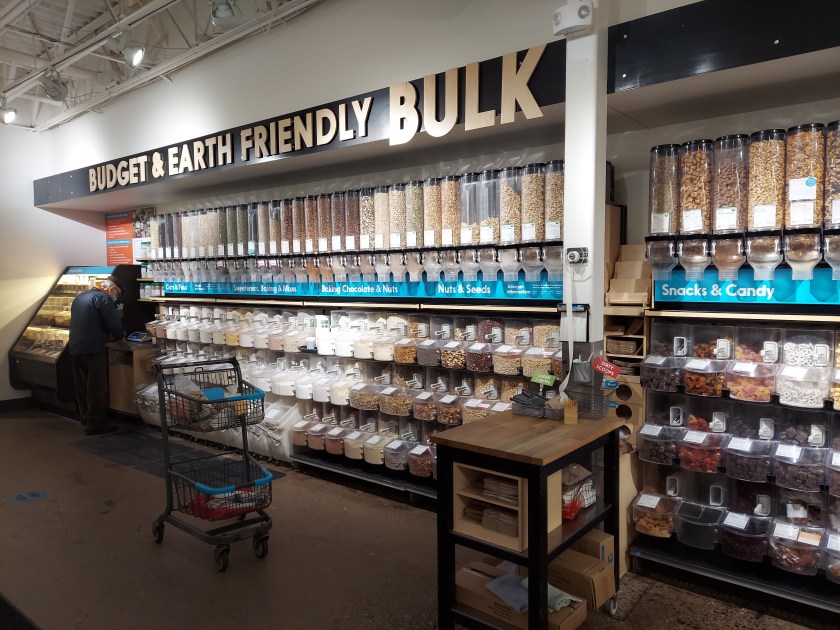
Refill your own containers in the bulk section of food co-ops.
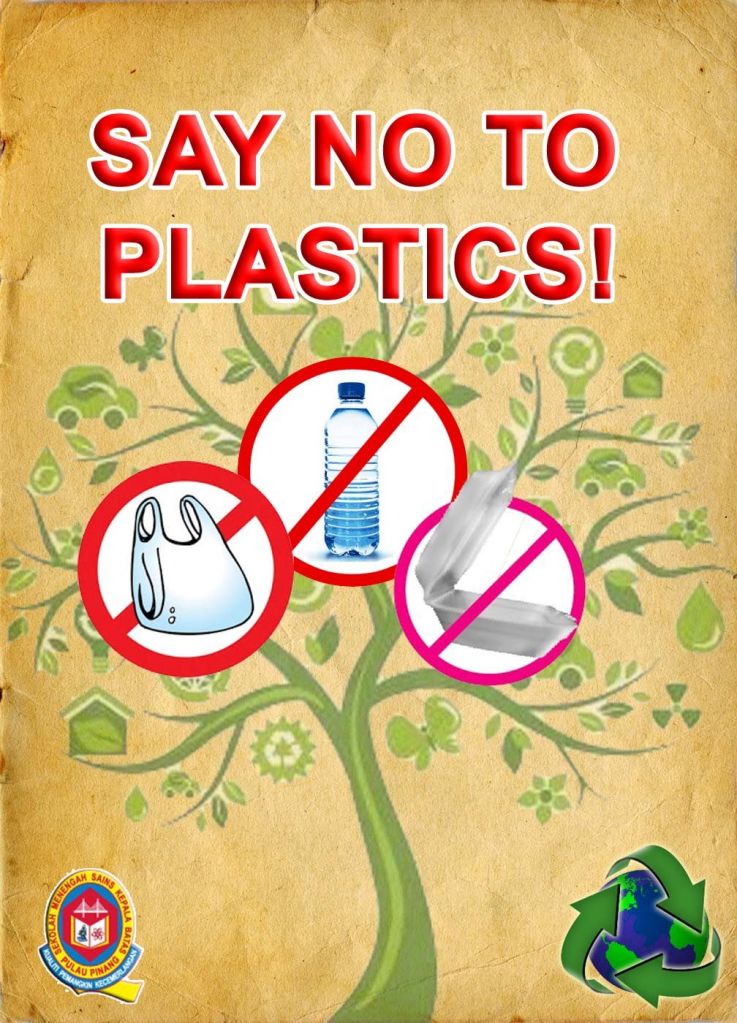
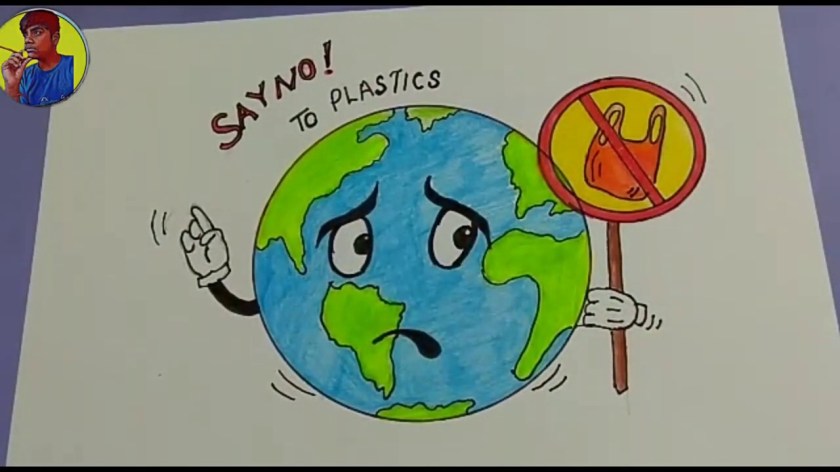
Reduce your plastic consumption!
“Zero-waste initiatives can foster sound waste management and minimize and prevent waste. This contributes to reducing pollution, mitigating the climate crisis, conserving biodiversity, enhancing food security and improving human health. The International Day of Zero Waste aims to promote sustainable consumption and production patterns and raise awareness about how zero-waste initiatives contribute to the advancement of the 2030 Agenda for Sustainable Development.
Humanity generates an estimated 2.24 billion tons of municipal solid waste annually, of which only 55 per cent is managed in controlled facilities. By 2050, this could rise to 3.88 billion tons per year. The waste sector is a significant contributor to greenhouse gas emissions in urban settings and biodiversity loss. Around 931 million tons of food is wasted each year, and up to 37 million tons of plastic waste is expected to enter the ocean annually by 2040.
The United Nations General Assembly formally recognized the importance of zero-waste initiatives and proclaimed 30 March as the International Day of Zero Waste, to be observed annually beginning in 2023.
Zero-waste initiatives can foster sound waste management and minimize and prevent waste. This contributes to reducing pollution, mitigating the climate crisis, conserving biodiversity, enhancing food security and improving human health.
The United Nations Environment Programme and UN-Habitat will facilitate the observance of the Day. All Member States, organizations of the United Nations system and relevant stakeholders are encouraged to implement zero-waste initiatives at local, regional, subnational and national levels.” The United Nations
Every Action Matters! Treat everyone with respect.
Fill the world with positive energy, listen intensely and remember to smile!
There is a solution to gun violence, at least some of it, but Americans are incapable of electing leaders with good sense, and gun violence in America is rampant. Death by guns has become the number one killer of America’s children and teens. Why do we vote from fear rather than truth and understanding?
“It’s time for America to prioritize the safety and well-being of its citizens over corporate interests and the opportunism of politicians.”
A hundred years from now, historians will study the first decades of this century and shake their heads in disbelief about this age of folly. They will wonder why problems that caused unmeasurable harm to so many people were discussed as if there was no readily available solution.
One of these problems is school shootings.
While all western countries have adopted gun control laws that have proved exceptionally effective in reducing mass shootings, the U.S. can’t solve its gun pandemic. The latest addition to America’s heavy book of gun misery and shame was just hours ago when a woman entered a Christian school in Nashville and fatally shot three children and three staff members. Then the police fatally shot her.
End of story.
Not for the family members; think of the lifelong trauma for the parents of these kids. And think of the lives not lived, playing, studying, loving, and caring. But thoughts don’t help, and prayers have proven to be just as useless in preventing the next shooting as the politicians that refuse to take action on gun control.
In a democracy, people vote for politicians that will govern the country for them. However, if corporate greed has taken over democracy, lives become the currency to pay for the higher shareholder value of gun factories. Therefore, gun control in America is about the moral values of politicians.
The only country in the world with more guns than people
The U.S. has more guns than people, with 121 guns for each hundred Americans, which was still 88 in 2011. It puts America at the top position on the world ranking of gun ownership. The runner-up is Yemen, with 53 percent. It’s lonely at the top.
And the numbers of mass shootings in the U.S. are on the rise, increasing from 273 in 2014 to 647 last year. Sadly, this means you will forget about today’s mass shooting in Nashville. Because who can remember more than 600 names of towns where mass shootings occur yearly in the U.S.?
I’m a Dutchman, and I can quickly sum up all the city names where we ever had a mass shooting in the Netherlands in my lifetime; it’s not difficult to remember two city names.
We have more bicycles than people, while the U.S. has more guns than inhabitants. Bikes are good for your health, and people who cycle to work are happy. But the positive effect of firearms on health remains to be proven, nor do guns seem to make people particularly happy.
And a few more statistics: in the U.S., 79 percent of homicides are gun-related killings; in the U.K., that is four percent. Every half hour, an American is fatally shot.
An assault weapons ban
While I type these numbers, I check for the latest updates. No surprises here; politicians, gun lobbyists, and journalists all have their playbooks ready. So I read about useless details and know now what door the shooter used to get into the school (lesson learned: all schools lock your side door). President Biden, for decades already on the right (meaning left) side of gun history, calls on Congress to pass an assault weapons ban. Parents are interviewed, describing the horror, as if I need to be convinced. I read that the fire department created a reunification area, and the church opened its doors. For thoughts. And for prayers, of course.
Let’s pray for politicians who actually do what they are supposed to do; to lead, to represent the will of the overwhelming majority (57%) who want stricter gun laws. As a politician, you’re not supposed to get rich; you’re asked by your people to serve. You’re also not supposed to be the voice of the 10% of the voters who want less strict gun laws unless you represent that minority.
Perhaps it is time to add a name and a picture to this story. The Republican Andrew Ogles represents the Nashville district where the latest school shooting occurred. He reacted to the shooting by saying he was “utterly heartbroken” by the shooting.
Not so fast: this is the 2021 Christmas card of Ogles and his happy family, showing a true Christian spirit.
Fast forward to 2123, when those historians of the future study the news clippings of March 27, 2023. Again, they wearily shake their heads. They conclude that a massive structural failure in American politics allowed the killing of its people to go on. At the same time, there was no other western country with a killing score that even remotely came near to the nearly two mass shootings per day record of the U.S.
And the future historians will study the wisdom of Rep. Ogles who expressed today: “We are sending our thoughts and prayers to the families of those lost”.
It’s time for America to prioritize the safety and well-being of its citizens over corporate interests and the opportunism of politicians.
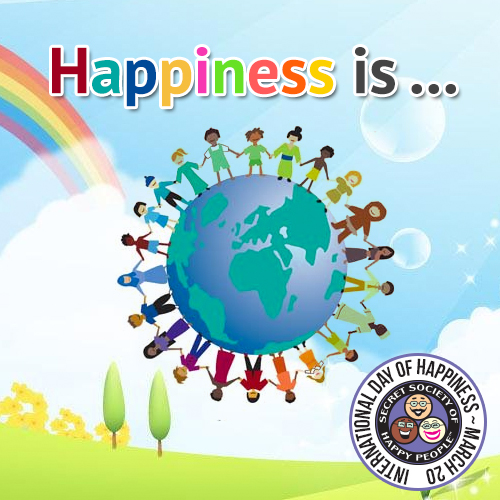
On this International Day of Happiness, practice compassion, kindness and empathy and strive to make this planet a better place where all can live happily. Please bring Joy to the People around you and have fun!
My ideas to have a happier day:
!. Smile and be kind
2. Appreciate the nature around you.
3. Look at people and listen deeply.
4. Take a break from your phone
5. Go for an outdoor walk
6.Take a deep breath
7. Help another person and give them a big hug.
8. Eat only healthy food
9. Do something good for the Earth, pick up litter, buy nothing, no to plastic, plant-based eating, don’t waste food.
Below is from the International Day of Happiness website:
On this International Day of Happiness 2023, let us remind ourselves and those around us that although it is difficult to be happy in testing times, it is also the only thing that helps us get through the tough times.
This year, you can do your bit by spreading happiness among your social circles. Even simple acts that don’t require much effort, too, stand the potential of bringing great joy to people around us.
Here is what you can do:
1. Spend time doing something you love
2. Do something nice for someone
3. Spend time with your loved ones
4. Do something that will make you feel healthy like working out, eating clean or quitting smoking
5. Help needy individuals by either giving them food or donating to them something you don’t use anymore.
On this International Day of Happiness, practice compassion, kindness and empathy and strive to make this planet a better place where all can live happily.
People have plastic trashed the world’s oceans. Our oceans hold 21,000 pieces of plastic for each person on Earth! That is 170 trillion pieces of ocean plastic, unfortunately there is probably much more.
Creek near my home drains into the Mississippi River, and then into the Gulf of Mexico.
I live in the middle of the United States about as far away from an ocean as possible yet the plastic from my neighborhood can easily reach the Gulf of Mexico. A creek 5 blocks from my house runs into the Mississippi River which runs into the world’s oceans. A plastic bottle from Minneapolis finds an easy, but long journey into our oceans. Everywhere on Earth there are rivers and streams carrying plastic trash. Read more at: Oceans littered with 171 trillion plastic pieces – BBC News
These rivers carrying plastic and other trash drain into the Gulf of Mexico.
START NOW! Wherever you live, the easiest and most direct way that you can get started is by reducing your own use of single-use plastics. Single-use plastics include plastic bags, water bottles, straws, cups, utensils, dry cleaning bags, take-out containers, and any other plastic items that are used once and then discarded.
Every day we should be working to reduce our exposure to plastic.
The tragic chemical spill in Palestine, Ohio highlights how dangerous plastic production is to the public. Plastic creates pollution from every stage of its life, from the extraction of fuel, to shipping and manufacturing, and then end of life disposal. Plastic is made from fossil fuels. Why would we want something made of fossils fuels to store our food, make our baby toys and bottles or line our water pipes. PVC pipes can leech chemicals into our drinking water. Plastic containers contain toxins and microfibers, and the disposal of plastic creates harmful pollution from burning, sitting in landfills or floating in our lakes, streams and oceans.
Producers of plastic need to be held responsible for the products they produce and the hazardous waste they create. This should include the production pollution created, the shipping and the disposal. This would save taxpayers lots of money!
Below is a sampling of op-eds that have been written on this deadly disaster.
The East Palestine disaster was a direct result of the country’s reliance on fossil fuels and plastic. The hazardous chemicals being transported by the derailed train — including vinyl chloride, a known carcinogen — are used to make PVC, the world’s third most used type of plastic, typically used in pipes to deliver drinking water, packaging, gift cards, and toys that kids chew on.
Plastic threatens human health at every stage of its life cycle, from the toxic substances released into the air during fossil fuel extraction, to the dangerous transport of these chemicals, to the plastic particles and toxins we consume from our food and drinking water, to the hazardous emissions from facilities burning or burying the waste after consumer use.
Every year, millions of trains with highly toxic cargo pass close to our homes, schools, and public spaces. This includes poisonous substances like vinyl chloride, as well as coal, oil, and gas. There are simple ways that state and national leaders can ensure that a disaster like this doesn’t happen again. This includes requiring better train braking systems and early warning systems. Some materials, like vinyl chloride, are toxic at every stage and should no longer be in use. Unfortunately, rail companies like Norfolk Southern continue to lobby to avoid regulation and safety measures, and they’ve also slashed their workforce, making an already risky situation even worse.
NY Times Op Ed by Rebecca Fuoco and David Rosner:
Freight trains typically transport more than two million carloads of hazardous materials each year, including many chemicals. Vinyl chloride is particularly dangerous and increasingly common, used primarilyto make polyvinyl chloride, better known as PVC, a hard plastic resin used to produce pipes, wire, cable coatings and packaging. We should begin phasing out the use of this chemical.
Albert Einstein described feelings of awe as “the source of all true art and science.” he said, “Look deep into nature and you will understand everything better!”
An amazing live oak tree in Texas
I feel awe for our amazing, beautiful country, and have been on a wonderful winter road trip into the center of the United States. We traveled from Minnesota to Texas and the Gulf of Mexico. We drove through a landscape of snow and wind generators in Iowa, and the flat farming prairies of Nebraska, Kansas and Oklahoma, and then through the hill country of Texas into the flat flood plain of the Gulf of Mexico. Next, heading north into the swampland of Louisianna and Arkansas, the hills of Tennesse and Kentucky into the farmlands of Illinois, and finally back into hilly Wisconsin and lake-covered Minnesota. The landscapes and terrain change, but so do the people, plants, trees, birds and the weather.
Knees of the bald cypress tree
I am intrigued by the live oaks of Texas and the cypress trees of Louisianna and Arkansas, and also by the incredible diversity of trees in Tennessee. We love the unique birds of the Gulf of Mexico, but also love seeing our Minnesota birds in a different habitat.
As I travel, I cherish meeting people from all over the world, but especially enjoy how pleasant and friendly people are in the Southern part of the United States. Many go out of their way to greet you on the street, “How’re ya doin?” or “Hi honey!” Something I don’t experience in Minnesota, Michigan, Wisconsin or Iowa. In the North we all can be kinder/friendlier and smile more!
Take an Awe Walk in your neighborhood, noticing things as if for the first time.
Describe to a friend or write about a time you once felt awe.
Visit a museum or planetarium.
Get up early to watch the sunrise.
Play amazing music. (Beethoven’s Fifth comes up often. Psychologist Michelle Shiota suggests Alison Krauss’ “Down to the River to Pray” and Carlos Santana’s live “Europa.”)
Plastics are common because they are cheap, lightweight, and versatile. More than one-third of plastics are used for packaging, including food packaging, grocery bags, and straws, which are all items that get tossed after one use. Plastic use has increased 20 times since the 1960s and will continue to increase if changes aren’t made.
The amount of plastic we use is problematic because:
Most plastics are made from oil. About 4% to 8% of the world’s oil production is for plastics.
Many plastics can’t be recycled. In Hennepin County, less than half of the total plastic generated is recycled.
Plastics collect in our lakes and rivers and break down into micro and nanoplastics. These are threats for birds and wildlife and have known and unknown concerns for human health.
Micro and nanoplastics have been found in our soil, water, and food. About 60% of microplastics come from high-income countries in the form of tire dust, pellets, textiles, and personal care products.
Your plastic footprint
When you’re starting a journey to use less plastic, a good first step is to quantify your personal impact. By estimating the waste you create, you can decide what to focus on during these four weeks. The Omni Calculator plastic footprint calculator is one such calculator that you could use.
Replacing disposables with reusables
Once you have a better idea how much plastic you use, get started today with these five simple swaps for single-use items:
Plastic bags: Start using your reusable bags for groceries, produce, and more, including clothing, shoes, gifts, or whatever you buy. Keep some bags near your door or in the car for easy access.Plastic storage baggies: Plenty of alternatives for plastic zip bags exist. Use reusable containers in glass, ceramic, metal, or choose reusable snack bags.Plastic utensils: Start by bringing your own reusable utensils for your home packed meals, then start refusing disposable utensils when they are offered in restaurants or to-go. Find a few reusable utensils at a thrift store if you don’t want to risk losing pieces of your regular set.Plastic wrap: Use reusable containers with lids for storing foods, place a plate over a bowl in the refrigerator, or try an option like beeswax cloth to wrap over the top of your containers.Straws: Cut back your use or eliminate plastic straws by using a reusable straw instead. Request no straw when you place orders in person or online.
It is the responsibility of each and every one of us to ensure that history does not repeat itself.
Seventy-eight years ago, on January 27, 1945, soldiers of the Red Army opened the gates of Auschwitz Concentration Camp. At first, everything seemed abandoned, but then they realized there were still thousands of people. About 7,000 prisoners awaited liberation in the Main Camp, Birkenau, and Monowitz.
Georgii Elisavetskii, one of the first Red Army soldiers to step into Auschwitz, a complex of over 40 concentration and extermination camps, described what happened then: “They rushed toward us shouting, fell on their knees, kissed the flaps of our overcoats, and threw their arms around our legs,”
Over a million people deported to Auschwitz perished there, and it is estimated that six million Jews were exterminated in the death camps.
Each year on the anniversary of the camp’s liberation, we remember and pay our respects to the victims; we should not forget them on all other days, and we should continue to do so for years to come. But there is another aspect to these commemorations; they increase our awareness of atrocities such as genocide and war. It is a first step for each of us to gain insight into what ideologies and actions can lead to such terrible acts, as well as into strategies that can be implemented to prevent them from occurring.
It makes commemoration not only somber but also inspirational because it links the past to the future. The dangerous mix of ingredients that led to hate, discrimination, and, ultimately, the unprecedented crime of the Holocaust may haunt humanity again in the future. Understanding what happened is the first step to avoiding repetition. And unfortunately, parallels between current events and the rise of fascism in the 1930s are easier to recognize in several of today’s societies than just a decade ago.
This brings me to this image I saw months ago circulating on social media.
It’s a warning for all of us that the law should never be confused with a moral compass. Always think critically, question the actions of our leaders, and never blindly follow the directions they put in place.
Our hearts should be filled with humanity, compassion, and kindness. While reading about the Auschwitz liberation, I was struck by the love and tenderness of one man who wrote to his wife and daughter while living in the hell of the extermination camp and realizing he would not survive.
Life in Auschwitz-Birkenau was filled with fear and uncertainty, especially for those chosen to work in the Sonderkommando. They were forced to carry out tasks in and around the gas chambers and were well aware that the Nazis would not let them live to ensure they would never disclose to the world what had happened there.
One of them, Hersz Strasfogel, wrote a letter in November 1944 and it is one of the only five buried accounts by former Auschwitz Sonderkommando that have been unearthed. It was discovered buried near the gas chamber ruins after World War II. The letter was written to his wife and daughter, who were living in France then. It became known as the Chaïm Herman letter but has, after extensive historical research, in 2019 been attributed to Hersz Strasfogel. Both of them did not survive Auschwitz.
When I write today with great risk and danger, I do it in order to tell you that this is my last letter, our days are numbered and if one day you receive this missive, you will have to include me among the millions of our brothers and sisters who had vanished from this world. I am taking this opportunity of assuring you that I am leaving calmly and perhaps heroically (this will depend on circumstances), with one sorrow only that I cannot see you once more, not even for one moment…I ask your forgiveness, my dear wife, if there had been, at various times, trifling misunderstandings in our life, now I see how one was unable to value the passing time; I constantly thought here that, should I by some miracle get out of here, I would begin a new life… but alas, this is impossible, nobody gets out of here, all is over…I am sending you my last farewell for ever, these are my last greetings, I embrace you most heartily for the last time and I beg you once more, do believe me that I am going away calmly, knowing that you are alive and our enemy is broken…Farewell my dear wife and my dear Simone, accept my wishes and live in Peace, may God keep you in His care.Thousands of kisses from your father and husband.
Let me end with a quote from one of the other four letters that have been found, written by Zalman Gradowski, and found buried at an Auschwitz crematorium site:
Dear finder of these notes, I have one request of you, which is, in fact, the practical objective for my writing … that my days of hell, that my hopeless tomorrow will find a purpose in the future.
He wrote so that his execution would find a purpose. He wrote so that we know, will never forget, and will prevent that we confuse the law with our moral compass.
If you are a parent or a teacher, please ensure the next generation learns these lessons from history. Teach kids and students to think for themselves and have their own values and beliefs.
Especially in today’s world, where populism is rising, it is crucial to think critically and question our leaders’ actions rather than blindly following the laws they put in place.
It is the responsibility of each and every one of us to ensure that history does not repeat itself.














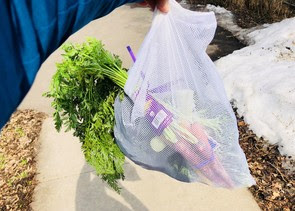 Plastic bags: Start using your reusable bags for groceries, produce, and more, including clothing, shoes, gifts, or whatever you buy. Keep some bags near your door or in the car for easy access.Plastic storage baggies: Plenty of alternatives for plastic zip bags exist. Use reusable containers in glass, ceramic, metal, or choose reusable snack bags.Plastic utensils: Start by bringing your own reusable utensils for your home packed meals, then start refusing disposable utensils when they are offered in restaurants or to-go. Find a few reusable utensils at a thrift store if you don’t want to risk losing pieces of your regular set.Plastic wrap: Use reusable containers with lids for storing foods, place a plate over a bowl in the refrigerator, or try an option like beeswax cloth to wrap over the top of your containers.Straws: Cut back your use or eliminate plastic straws by using a reusable straw instead. Request no straw when you place orders in person or online.

 Health4earth