I love this from Beyond Plastic!
6 Steps to a Plastic-Free Holiday Dinner

1. Choose Scratch Over Store-Bought

Most store-bought dishes from supermarkets and restaurants will be packaged in plastic or other disposable containers. To avoid the unnecessary plastic, focus on cooking from scratch. Ingredients like vegetables, flour, butter, and nuts can be commonly found in non-plastic packaging. For items like nuts and dried fruits, see if your local market, co-op or health food store has a bulk section and bring your own bags to fill up! When faced with a choice of packaging, choose glass or paper over plastic. If you’re looking for inspiration, see our (newly updated and expanded) recipe suggestions below. As long as you plan ahead, there should be plenty of time to make things from scratch.
2. Shop Local
Shopping locally reduces your meal’s carbon footprint and helps support local small businesses which need our business more than ever thanks to the growth of online grocery ordering from Amazon and other etailers. Show your community your thanks by supporting local businesses!
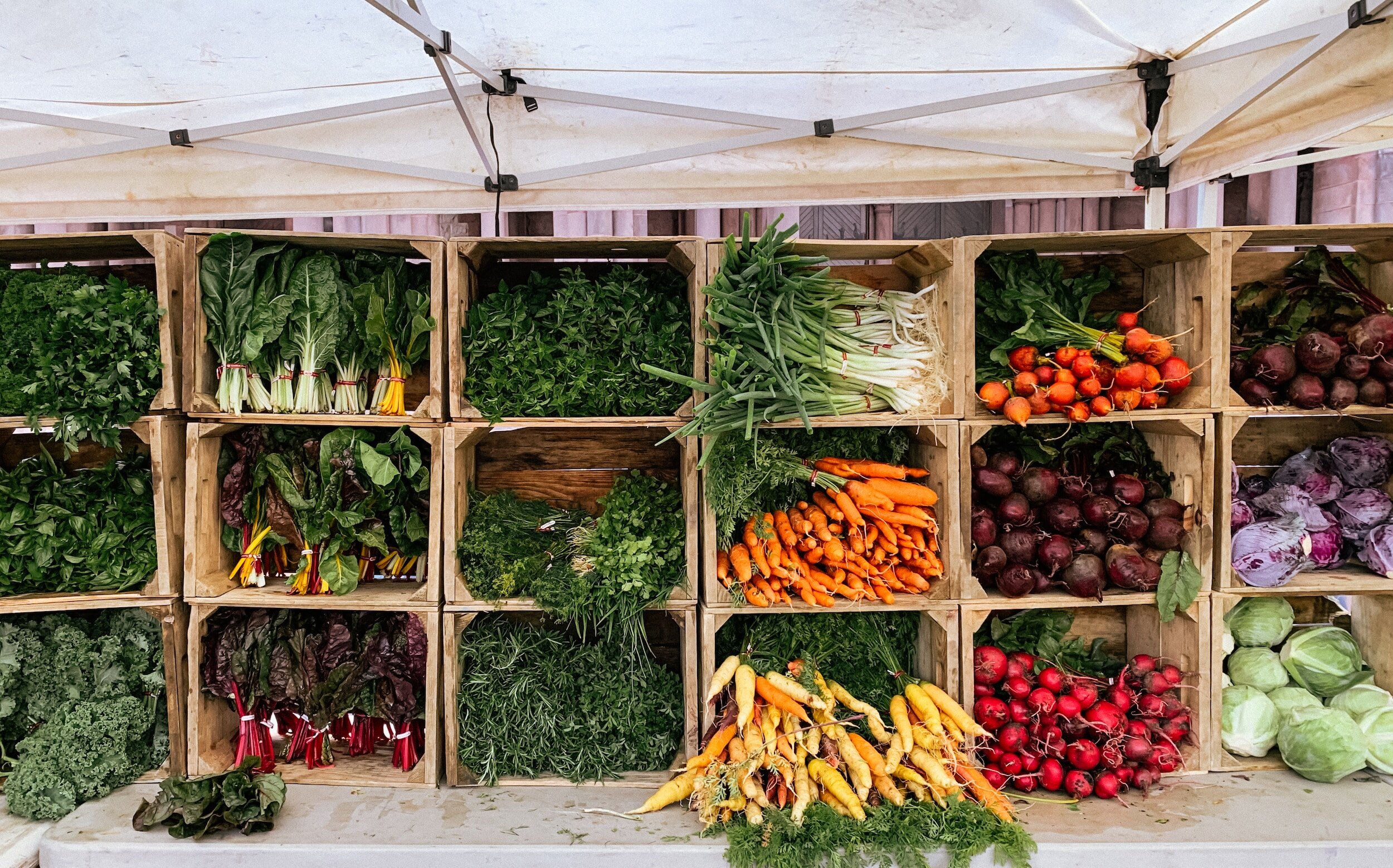
If you don’t have the time or inclination to make pumpkin, pecan, or apple pie from scratch, check your local bakery. While you’re there, pick up the bread you’ll need to make your stuffing and bring it all home in your own reusable bags. Visit your local farmers market to pick up potatoes, squash, sweet potatoes, carrots, onions, greens, leeks, parsnips, and more. If your farmers market is closed for the season, many CSAs (community supported agriculture) also offer a special one-time Thanksgiving share of goodies to anyone, even if you’re not a subscriber.
3. Use Sustainable Decor
Forget the dollar store, you can make beautiful fall decor for your table setting and dining room with things from your backyard and local farm stand. Pressed leaves, squash, and pumpkins make for great wall and table adornments. Check out some good DIY ideas here. And don’t forget to get the kids involved!

4. Serve on Reusable Dishes & Dinnerware
Plastic utensils and cups end up in landfills, incinerators, or waterways where they can pose a threat to wildlife. Set your table with a beautiful tablecloth, ceramic or metal plates, cups, serving platters, metal utensils (got a set of silverware from your parents or grandparents you can bust out?), and cloth napkins. If you’re hosting a big gathering and don’t have enough plates, glasses, serving dishes, or cutlery, take a trip to your closest thrift shop, ReStore or Salvation Army to pick up more on the cheap (there’s often some real gems and some actual silverware mixed in with the cheaper stuff.) You can serve your drinks in glass pitchers or bottles. If your family likes seltzer, consider investing in a machine to carbonate your own “bubbly water”. Tip: choose the model that comes with glass bottles over the plastic ones. If you have kids, assign them the task of polishing silver—they may find it deeply satisfying. Sticking to reusable tableware will not only reduce your waste but also save you money. Get your family or friends to help you wash anything delicate that can’t go in the dishwasher and toss all your cloth items in the washing machine afterwards. No muss, no fuss, and, more importantly, no WASTE.

5. Provide or Remind People to Reusable Containers for Leftovers

Going to family or friend’s home for dinner? Bring your own glass or metal containers to cart home some delicious leftovers. There are also some great beeswax-coated fabric wraps out there these days that can take the place of plastic wrap or tinfoil. If you are hosting the dinner, remind guests to bring reusable containers with them. If you have extras to spare (say from all those take-out containers you saved during COVID lockdown), you can offer them to guests who’ve forgotten to bring their own. If you haven’t yet invested in glass or metal containers, don’t let that stop you – just bring plastic tupperware or clean yogurt containers, etc., but make sure not to heat anything up in those containers later to avoid the chemical leaching that occurs when hot food comes into contact with plastic. If you do use aluminum foil, when you’re done, don’t forget to gently clean and dry it and save it to use again.
6. Compost Your Food Scraps and Decorations!
Compost any scraps from cooking or leftovers that aren’t being saved, as well as any compostable decor you’ve put up or used on the table once you tire of it. Reminder, if your Thanksgiving dinner includes a turkey, you can make delicious, nourishing stock out of the carcass before you compost it. You can then make an excellent, very flavorful turkey soup or freeze the stock for several months. If you’re not sure what can and can’t be composted, check out this helpful list. If you don’t have a backyard compost, see if your city or town has a local composting system. If they don’t have one yet, look into how to start one. HINT: This could be a great project for a Beyond Plastics Local Group or Affiliate to take on.

RECIPE SUGGESTIONS (updated and expanded for 2024!)
Vegetarian and Vegan Recipes
- 40 Vegan Thanksgiving Recipes from Love and Lemons
- Vegetarian Thanksgiving Recipes from 101 Cookbooks
- Vegetarian Thanksgiving Recipes from Cookie and Kate
- 65 Vegetarian Thanksgiving Recipes from Bon Appetit
- Vegetarian Thanksgiving Recipes from The New York Times
Regionally and Globally-Inspired Recipes
- Asian-Inspired Thanksgiving Recipes from Omnivore’s Cookbook
- Asian-Inspired Thanksgiving Recipes from I Heart Umami
- Foraged and Fermented Recipes from Chelsea Green Publishing
- Indian-Inspired Thanksgiving Recipes from Moon Rice
- Native American Chefs’ Recipes from The Smithsonian Magazine
- Soul Food Thanksgiving Recipes from Dash of Jazz
- Southern Thanksgiving Recipes from The Pioneer Woman



 Different stores and markets offer varying options for how you purchase food, so your ability to buy just the right amount of food may depend on where you shop.Get familiar with what your grocery store offers for produce and bulk goods. There may be more options than you noticed.
 Opt for unpackaged produce when possible. If your store sells packaged items, try nearby stores offering loose produce. By purchasing only what’s necessary for your meal plan (especially fresh produce), you could significant cut the amount of food you waste.