A Tribute to The International Day of Peace. Please Live Peace, Be Peace, Push Peace, Vote for Peace and Meditate or pray for Peace. These wars in Ukraine and Gaza just can’t continue!
Last night I had the Strangest Dreem by Ed McCurdy
Last night I had the strangest dream I ever dreamed before I dreamed the world had all agreed To put an end to war
I dreamed I saw a mighty room The room was filled with men And the paper they were signing said They’d never fight again
And when the papers all were signed And a million copies made They all joined hands and bowed their heads And grateful prayers were prayed
And the people in the streets below Were dancing round and round And guns and swords and uniforms Were scattered on the ground
Last night I had the strangest dream I ever dreamed before I dreamed the world had all agreed To put an end to war
Sun Day
Sun Day is a day of action on September 21, 2025, celebrating solar and wind power, and the movement to leave fossil fuels behind. Solar energy is now the cheapest source of power on the planet – and gives us a chance to actually do something about the climate crisis. But fossil fuel billionaires are doing everything they can to shut it down. We will build, rally, sing, and come together in the communities that we need to get laws changed and work done.
Every year the countries of the world produce more plastic, and there is no end in sight. Production. of plastic keeps growing.
The list below is composed by the Plastic Pollution Coalition. Let’s work every day to reduce our consumption of plastic. Never use plastic utensils, plastic bags or straws
Plastic never goes away. It doesn’t break down; it only breaks up into smaller and smaller pieces. These microplastics and nanoplastics are harmful and are everywhere now, including in our bodies.
Plastic pollutes the environment, wildlife, and people.
Plastic is not safe. Plastic leaches toxic chemicals and sheds plastic particles at all stages of its existence.
Plastic especially harms communities living near petrochemical and plastic infrastructure.
The more plastic companies make and we use, the more we contribute to pollution and climate change.
Plastic was not designed to be recycled, and most plastic does not get recycled in the way we’ve been led by industry to believe.
To solve the plastic pollution crisis, industries must stop producing so much plastic. Instead of single-use plastics, we need to use nontoxic reuse and refill systems and regenerative materials.
Taking action on an individual level, using less plastic, and demanding policy action to hold producers accountable can help support the systemic changes to shift away from society’s reliance on plastics.
On July 24, we had used all the resources that the Earth can generate in a year. We are using more resources than we can replace, or living on borrowed time. The day we want to reach is December 31.
How can we use ;ess resources
From the Carbon Almanac. On July 24 we hit Earth Overshoot Day for 2025. Earth Overshoot Day is noted every year and the date is announced on World Environment Day. It marks the day when “humanity’s demand for ecological resources and services … exceeds what Earth can regenerate in that year”. Global Footprint Network, a research organization focused on the operation of the human economy within the Earth’s ecological limits, hosts and calculates when Earth Overshoot Day will occur, with this year showing that humanity is using the planet’s resources 80% faster than ecosystems can regenerate. July 24 is the earliest in the year that Earth Overshoot Day has fallen, with past dates going back to 1971. In those 54 years, humanity reached its overshoot day on December 31 once, in 1972.
Calculations for overshoot day are based on the National Footprint and Biocapacity Accounts, and this year’s calculations revealed that due to the ocean’s reduced capacity to store carbon, an increase in per capita Footprint and a reduced per capita biocapacity, Earth Overshoot Day fell eight days earlier than it did in 2024. In addition to Earth Overshoot Day, Country Overshoot Days are also calculated each year, seen here. These dates represent when the planet’s ecological resource budget would be used up if every place on Earth consumed at the same level as residents in that particular country.
A campaign working to reduce the strain on the Earth’s resources and bring humanity’s consumption into better balance is #MoveTheDate. The goal is to move the date of Earth Overshoot Day to December 31 or later every year, ensuring that the resources taken from the planet can be sustainability regenerated by the ecosystems. Solutions range across five major areas: planet, cities, energy, food and population. This solutions map tracks solutions being implemented across the world. Check it out to see if there are any near you.
Visit the Earth Overshoot Day website to learn more about how it is calculated, as well as the economic and ecological implications of humanity’s continued overuse of resources.
My Five things you can do:
Strive for zero waste–Reuse, Reuse, Reuse and Refuse!
Drive Less
Reduce your plastic footprint–No single use plastic!
Plant native plants and raingardens without chemicals!
The last half of July is here. Remember it is Plastic Free July.
Beyond Plastic has a calendar of ideas to work on your Plastic free journey. I strongly suggest you visit a food coop where you can fill your own containers, day 16.
Reduce, reuse and refill are the only real solutions to the growing plastic pollution crisis outside of policy change so find and visit a refill store near you, and get to it!
Invite friends, family and neighbors over for a sewing party to create produce or shopping bags to donate to a co-op or food pantry, or to give customers outside of a larger grocery store before they enter.
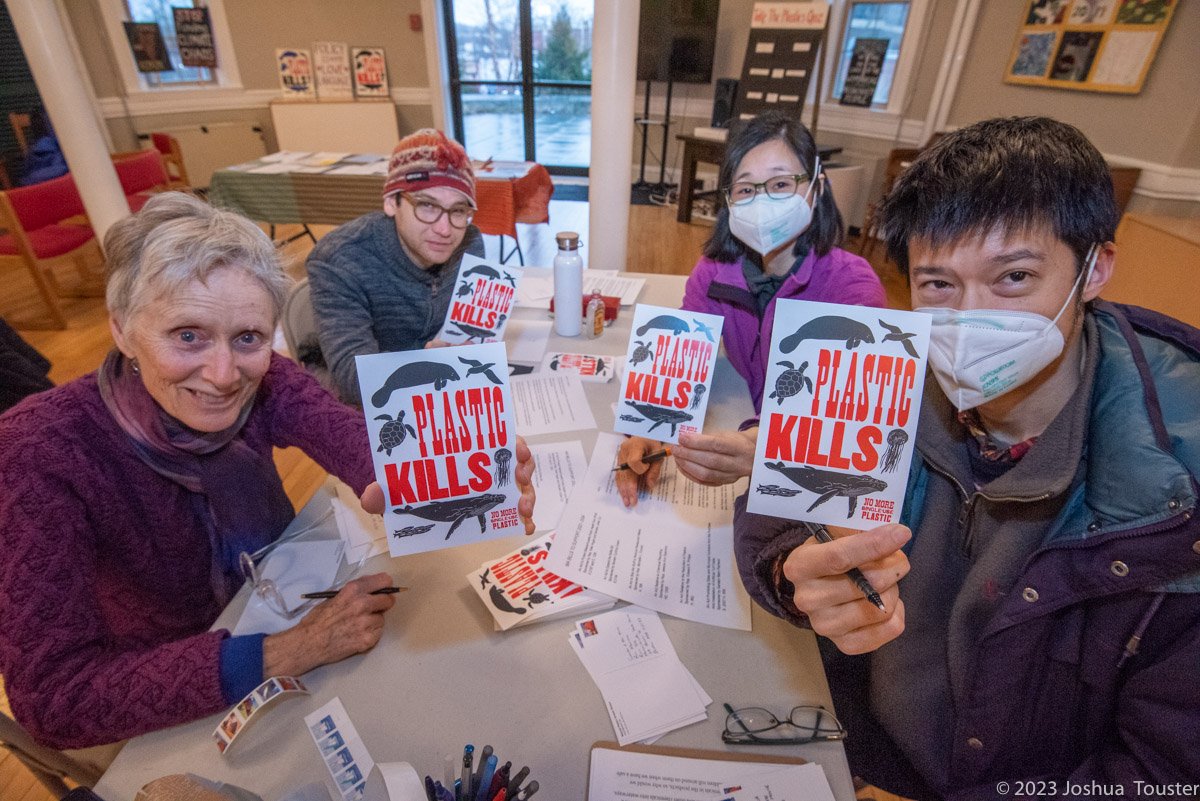
Summer is a great time to host a postcard party and postcards are a great way to deliver a short note to your elected officials about a particular bill and how you’d like them to support it.
This summer, while the grill and air are hot, host a plastic-free BBQ or other event. Download our guide on Hosting a Plastic-Free, Low Waste Event to help you prepare.
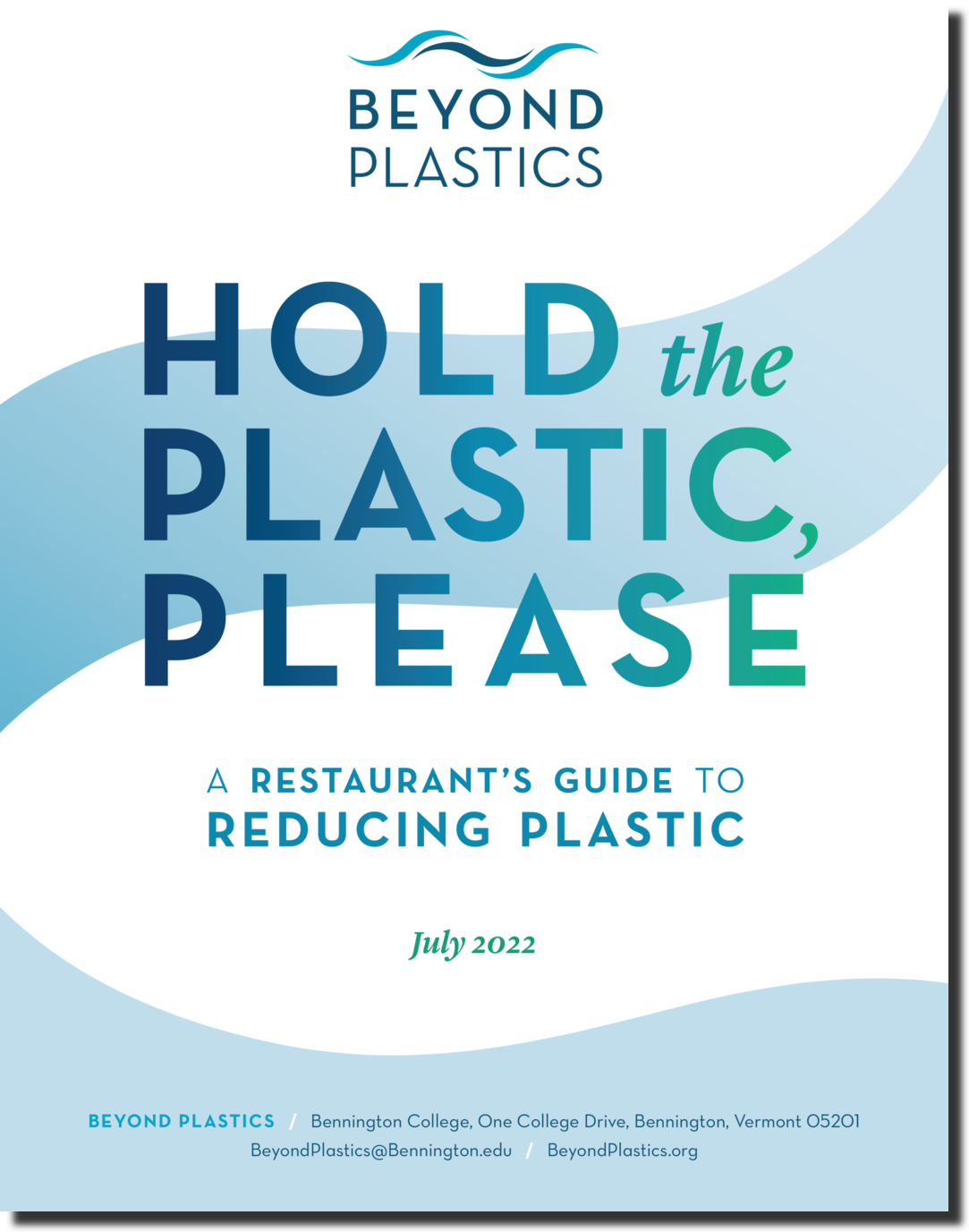
Give out this one-page handout on reducing plastic to your favorite restaurants, cafes, and bars. If you want extra credit, you can offer to conduct a plastic audit for the establishment using the template from our guide, “Hold the Plastic Please, A Restaurant’s Guide to Reducing Plastic”.
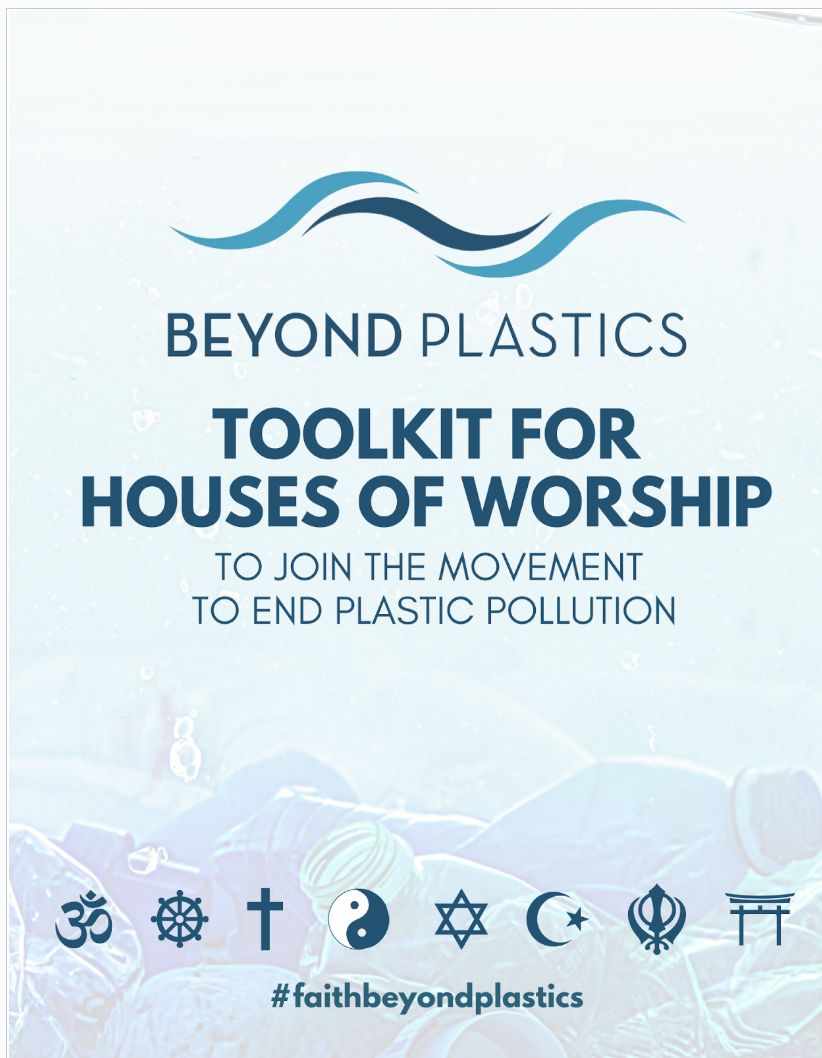
Are you part of a faith community? Download the Beyond Plastics Toolkit for Houses of Worship, share it with the leadership, and offer to help them take the practical steps it lays out.
We hope you’ve made some progress toward your plastic-free goals and would love for you to share them with us. Follow Beyond Plastics on your favorite social media platforms, post a photo of your action and tag us!
Join the growing grassroots movement of people working to reduce plastic pollution in their own towns and cities! Check out our map to see if there is a Beyond Plastics Local Group or Affiliate near you. If not, find 2-3 people who want to start one.
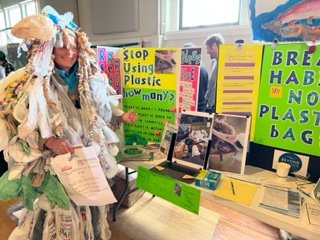
Take today to assemble your plastic bag monster from the bags or single-use items you collected all month long. Snap a photo, post on social media and tag both @beyondplastics and @plasticfreejuly.
My yard is at peak. Unfortunately, it is also in a drought. Some places are challenged with flooding, but it is dry in my neighborhood. Native plants don’t need chemicals, and they adapt to wet and dry weather extremes
I don’t water, and hope for rain.
Native plants attract the bees’ birds and butterflies. The monarch butterflies and the hummingbirds are thrilled with these native flowers in my yard
Yay, It’s Plastic Free July. Join millions of people working to reduce their plastic use
Start refusing plastic today!
We have a plastic problem. Plastic pollutes our earth from it’s extraction to it’s end of life.It pollutes our water air and land. Plastic is made of fossil fuels and contains harmful chemicals are needed to make it plastic. It breaks down into tiny fibers called microplastics. These tiny microplastics have been found in our brains, blood and in every organ in or body. Do you want plastic in your brain? Plastic permeates our lives, and we would all be healthier by reducing our plastic use.
Plastic may feel convenient, but the long-term costs are serious:• Only 9% of all plastic ever made has been recycled• The rest ends up in landfills, waterways, or breaks down into microplastics. Some of these microplastics end up in fish, plants, animals and human beings. Reducing your plastic exposure is not easy, but it is important.
We all see plastic litter that is harmful to our waterways and our environment, but we are just be learning that plastic contains harmful chemicals and that it breaks down into microfibers. We can’t see these chemicals or the microfibers that can harm our bodies.
Plastic contains thousands of harmful chemicals that are especially harmful to children. These chemicals leach from plastic containers into our food and bodies. Plastic chemicals contain serious hormone disrupters that can cause obesity, diabetes, cancers and birth defects.
Water from plastic bottles has about double the microplastic level of tap water on average, according to a 2018 study published in the journal Frontiers in Chemistry. So unless your tap water is contaminated with unsafe elements, such as lead, it’s probably best to drink tap. Fill up a metal reusable bottle for when you go out. You can always filter your tap water. Depending on the filter, that may further reduce microplastic levels. (Check CR’s ratings of water filters.)
Do: Heat food in or on the stove, or by microwaving in glass. Don’t: Microwave in plastic.
Some heated plastics have long been known to leach chemicals into food. So if you’re warming up food, use a pan in the oven or on the stove, or if you’re microwaving, use a glass container. Also, avoid putting plastics in the dishwasher because of the high heat involved in cleaning.
Do: Buy and store food in glass, silicone, or foil. Don’t: Store food in plastic, especially plastic that may contain harmful chemicals.
The American Academy of Pediatrics has said that plastic food containers with the recycling codes 3, 6, and 7 may contain potentially harmful chemicals, unless they’re labeled “biobased” or “greenware.” Don’t store food in these types of containers. Instead, use containers made of glass or silicone, or wrap your food in aluminum foil. If you’re storing food in or eating food out of plastic containers, know that plastics with recycling codes 1 and 2 are more likely to be recyclable—though they are usually recycled into lower-quality plastics. And there still may be harmful or unknown chemicals in any type of plastic.
Do: Eat fresh food as much as possible. Don’t: Rely on processed food wrapped in plastic.
The more processed or packaged a food is, the higher the risk that it contains worrisome chemicals. Food cans are often lined with bisphenol A (or similar compounds). Buy fresh food from the supermarket, and—as much as possible—try to use refillable containers if your market allows. (Of course, with shopping made difficult by the coronavirus pandemic, prioritize your health and shop however is most feasible and safest.) Certain markets let you fill up cardboard or reusable containers with bulk items and weigh them, or you can use your own mesh bags for produce. Raw meat and fish need to be kept separate for safety reasons, but ask the store fishmonger or butcher to wrap these foods in wax paper instead of plastic. Take cloth—not plastic—reusable bags to the store to take your groceries home.
Do: Vacuum regularly. Don’t: Allow household surfaces to get dusty.
The dust in your house could be loaded with microplastics and chemicals that are found in plastic, such as phthalates. Cleaning up dust may help reduce the amount of plastics you inhale, especially if you are stuck inside for long periods of time during a period of social distancing. CR recommends vacuuming regularly with a HEPA filter, which is best for trapping dust. (Check CR’s ratings of vacuums.)
Do: Work with your community. Don’t: Assume your impact is limited to what you do in your personal life.
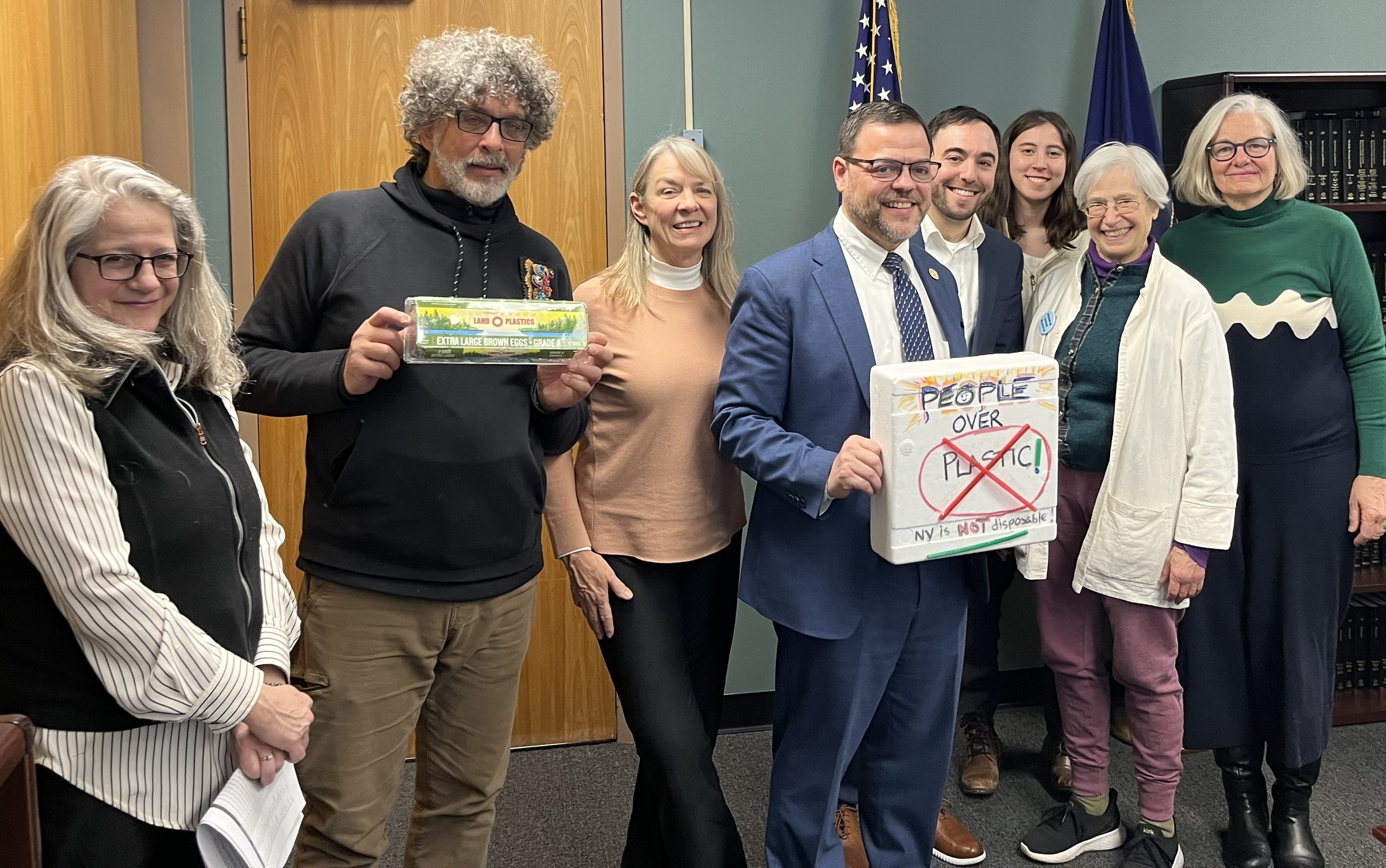
Legislation to limit the use of single-use plastics and plastic production may pull the biggest levers, but joining forces with community-level recycling groups can truly make a difference. Look for so-called zero-waste groups, which can offer guidelines for how to recycle or compost all your garbage—and which lobby for local rules that can restrict throwaway items. When possible, shop at markets that source goods locally, so they don’t require as much packaging and shipping. Seek out groups such as Upstream, a nonprofit working to create reusable takeout packaging for restaurants. And when possible, educate yourself about and support any city, county, and state legislation limiting single-use plastics.
My list to reduce your plasticfootprint:
Always carry a reusable glass or metal water bottle, and reusable shopping bags with you.
Learn to refuse single-use plastics, such as plastic water bottles and coffee cups, straws, plastic bags and plastic utensils.
Purchase fruit and produce in the bulk section, and don’t place items in plastic bags.
Always search out products in glass jars instead of plastic containers.
When you must buy plastic products, choose ones that you can recycle rather than ones you must put in the trash.
Bring your own containers and shop the bulk section of your local food coop.
I was surprised to hear about No Buy July. Surprised, but also pleased. As a zero-waste person, I worry about the harm consumerism does to our planet. Our air and water suffer from production, transportation and the disposal of so many purchases that are not necessary. We are passing a way of life of consumerism on to our children when we already have a planet that can’t support our American lifestyles.
We all need clean air and water. Less consumerism and less trash make a difference in protecting our planet.
Michelle Singletary has good suggestions to participate in No Buy July
Shopping shouldn’t be thought of as entertainment.
Don’t define yourself as a consumer.
Stop spemding to save
Start saving by having a plan and a purpose for how you spend your money. Read her column here:
In honor of Plastic-free July, buy yourself a wooden cutting board.
Plastic cutting boards (made from chemicals sourced from fossil fuels) are a staple in many of our kitchens. But did you know that they have actually been found to be a significant source of microplastics in our food? This study estimated that a person, on average, consumes between 7.4g-50.7g of microplastics from a polyethylene cutting board each year, and 49.5g from a polypropylene one. These microplastics have many potential health risks such as increased risk of disease, artery blockage and inflammation.
In this NBC News article, Victoria Fulfer, a postdoctoral fellow at the University of Rhode Island, gives a demonstration to show how easily microplastics can end up in food and water. After cutting two slices of a white onion and rinsing the slices, she filtered the water used in the rinse. When the filter was placed under a microscope it revealed small pieces of plastic that had transferred from the cutting board to the onion.
All cutting boards, including plastic ones, should be replaced when there is evidence of excessive wear and tear, such as deep grooves in the surface. These grooves can make it harder to properly clean the board, and it makes it easier for microplastics to transfer from plastic cutting boards. This article talks about how damage to the surface of plastics further increases the release of microplastics, and goes more in depth on possible health risks associated with them.
Maybe replacing your plastic cutting boards with wooden or bamboo ones could be your first step to reducing plastic use in your daily life, or maybe you have already started the process and this is another step in your journey. Above is from The Carbon Almanac
For the health of your family, switch to a wooden cutting board














 Health4earth