The world is facing a trash crisis a climate crisis and a plastic crisis and they are all related to our overconsumption.
So few people connect the climate crisis to the purchases they make. Overconsumption is harmful to our air, to our water and to our health. Landfills and incinerators harm our health. We need to stop competing to be just like everyone else. When we shop purchase items that are of high quality and items that will last a long time. None of us need more junk!
Instead of a season of overconsumption and waste, make it a season of friendship, love and community. That doesn’t mean buy me a gift!
Whether it’s choosing to shop secondhand rather than buy new or simply pausing before you hit the checkout button, we can all rethink the way we consume.
Unsubscribe from sales communication and unfollow brands on social media: We all get those pesky marketing emails, physical mail, and texts, not to mention an onslaught of social media sales messaging, around the holidays. We encourage you to ditch the noise – join over 2 million people who did here. Catalog Choice is a free, online service that will help you save trees, prevent fraud, and fight junk mail. What’s not to love?
The holiday season doesn’t have to be about more Stuff. Together, we can turn the tide against corporate-driven overconsumption and reclaim the real joy of the holiday season.
“ExxonMobil lied to further its record-breaking profits at the expense of our planet and possibly jeopardizing our health” Attorney General Rob Bonta
Plastic is harmful to our earth and to our bodies. The producers of plastic should be held accountable.
“For decades, ExxonMobil has been deceiving the public to convince us that plastic recycling could solve the plastic waste and pollution crisis when they clearly knew this wasn’t possible. ExxonMobil lied to further its record-breaking profits at the expense of our planet and possibly jeopardizing our health,” Rob Bonta, Attorney General, California
A coalition of environmental groups have joined together to take ExxonMobile to court. Surfrider Foundation, the Sierra Club, Heal the Bay, and San Francisco Baykeeper are taking on the world’s largest producer of single-use plastic polymers for their claims about plastic.
The lawsuit was filed in San Francisco, California and states that ExxonMobile knowingly hid the truth about the harm caused by plastic and misled the public about its recyclability.
Niall McCarthy, partner at the law firm that is representing the coalition, said:
“Some of the greatest progress in American history was caused by civil lawsuits holding the powerful accountable for their actions. This is another such case brought by the most prominent environmental nonprofits in California who are willing, for the public good, to take on a company worth billions. The case will expose the devastation caused by single-use plastics and the deceptive recycling myth pushed by plastic producers such as ExxonMobil. The case, at its core, is about accountability. ExxonMobil’s promises of being a good corporate citizen are divorced from the reality of its conduct. As detailed in the complaint, ExxonMobil’s single use plastics are smothering California’s environment.”
We have a plastic problem. Manufacturing plastic creates air pollution, single-use plastic ends up in the ocean, toxic chemicals, and microplastics find their way into our food and water. Plastic permeates our lives, and we would all be healthier by reducing our plastic use.
Make it fun this month as you try to reduce the plastic you expose your family and yourself to plastic. See below for ideas to reduce your plastic exposure.
We all see plastic litter that is harmful to our waterways and our environment, but we might just be learning that plastic contains harmful chemicals and that it breaks down into microfibers. We can’t see the chemicals or the microfibers that can harm our bodies.
Plastic contains thousands of harmful chemicals that are especially harmful to children. These chemicals leach from plastic containers into our food and bodies. Plastic contains serious hormone disrupters that can cause obesity, diabetes, cancers and birth defects.
Water from plastic bottles has about double the microplastic level of tap water on average, according to a 2018 study published in the journal Frontiers in Chemistry. So unless your tap water is contaminated with unsafe elements, such as lead, it’s probably best to drink tap. Fill up a metal reusable bottle for when you go out. You can always filter your tap water. Depending on the filter, that may further reduce microplastic levels. (Check CR’s ratings of water filters.)
Do: Heat food in or on the stove, or by microwaving in glass. Don’t: Microwave in plastic.
Some heated plastics have long been known to leach chemicals into food. So if you’re warming up food, use a pan in the oven or on the stove, or if you’re microwaving, use a glass container. Also, avoid putting plastics in the dishwasher because of the high heat involved in cleaning.
Do: Buy and store food in glass, silicone, or foil. Don’t: Store food in plastic, especially plastic that may contain harmful chemicals.
The American Academy of Pediatrics has said that plastic food containers with the recycling codes 3, 6, and 7 may contain potentially harmful chemicals, unless they’re labeled “biobased” or “greenware.” Don’t store food in these types of containers. Instead, use containers made of glass or silicone, or wrap your food in aluminum foil. If you’re storing food in or eating food out of plastic containers, know that plastics with recycling codes 1 and 2 are more likely to be recyclable—though they are usually recycled into lower-quality plastics. And there still may be harmful or unknown chemicals in any type of plastic.
Do: Eat fresh food as much as possible. Don’t: Rely on processed food wrapped in plastic.
The more processed or packaged a food is, the higher the risk that it contains worrisome chemicals. Food cans are often lined with bisphenol A (or similar compounds). Buy fresh food from the supermarket, and—as much as possible—try to use refillable containers if your market allows. (Of course, with shopping made difficult by the coronavirus pandemic, prioritize your health and shop however is most feasible and safest.) Certain markets let you fill up cardboard or reusable containers with bulk items and weigh them, or you can use your own mesh bags for produce. Raw meat and fish need to be kept separate for safety reasons, but ask the store fishmonger or butcher to wrap these foods in wax paper instead of plastic. Take cloth—not plastic—reusable bags to the store to take your groceries home.
Do: Vacuum regularly. Don’t: Allow household surfaces to get dusty.
The dust in your house could be loaded with microplastics and chemicals that are found in plastic, such as phthalates. Cleaning up dust may help reduce the amount of plastics you inhale, especially if you are stuck inside for long periods of time during a period of social distancing. CR recommends vacuuming regularly with a HEPA filter, which is best for trapping dust. (Check CR’s ratings of vacuums.)
Do: Work with your community. Don’t: Assume your impact is limited to what you do in your personal life.
Legislation to limit the use of single-use plastics and plastic production may pull the biggest levers, but joining forces with community-level recycling groups can truly make a difference. Look for so-called zero-waste groups, which can offer guidelines for how to recycle or compost all your garbage—and which lobby for local rules that can restrict throwaway items. When possible, shop at markets that source goods locally, so they don’t require as much packaging and shipping. Seek out groups such as Upstream, a nonprofit working to create reusable takeout packaging for restaurants. And when possible, educate yourself about and support any city, county, and state legislation limiting single-use plastics.
My list to reduce plastic:
Always carry a reusable glass or metal water bottle, and reusable shopping bags with you.
Learn to refuse single-use plastics, such as plastic water bottles and coffee cups, straws, plastic bags and plastic utensils.
Purchase fruit and produce in the bulk section, and don’t place items in plastic bags.
Always search out products in glass jars instead of plastic containers.
When you must buy plastic products, choose ones that you can recycle rather than ones you must put in the trash.
Bring your own containers and shop the bulk section of your local food coop.
We all can make a difference by reducing our plastic footprint.
The theme for this year’s Earth Day is Planet VS Plastic. The hazards of plastic are great, and we all need to take steps to reduce the harmful effects of plastic pollution in our environment and bodies.
What will you do to help our warming planet?
Greenpeace has nothing to do with this post.
Things you should know about plastic:
Plastic is made of fossil fuels and contains many toxic chemicals that are harmful to our health.
These toxic chemicals leach into our food from plastic packaging.
Plastics break down into microplastic. We each consume about a credit card of microplastic a week from our food and environment. These microfibers are found in our lungs, brains, blood and arteries.
When plastic is recycled it becomes more toxic.
40% of plastic is single-use.
The production of plastic continues to increase.
If plastic were a country, it would be the 5th largest emitter of greenhouse gases. Much of plastic’s pollution affects minorities and people without power.
Clothing with polyester and nylon contain plastic.
The producers of plastic should be held responsible for the harm they create in the environment and our bodies.
By banning the worst forms of single-use plastic, holding plastic producers accountable for their waste, getting wasteful packaging off store shelves, and more — a future beyond plastic is possible.
Water is Life, we must do a better job of protecting our waters.
World Water Day March 22, 2024 is the United Nations observance day dedicated to highlighting the importance of freshwater. It serves as a reminder of the critical role water plays in our lives and ecosystems.
“Water for Peace” is this year’s theme. fostering peace, prosperity, and conflict prevention in the role water plays in the world.
It is shameful the poor job we do to take care of our fresh water. Our fresh waterways are teaming with microplastics, nitrates and forever chemicals. None of these safe for human exposure. In some places invasiive speciaes have been introduced that also change the entire ecosystem of our water ways.
73 percent of Minnesota nitrate pollution comes from cropland, primarily through agricultural drainage systems below cropped fields and by nitrate pollution leaching into groundwater, and then moving underground until it reaches streams. 78% of nitrate pollution to the Mississippi River in our state is fr…See more on fmr.org
At least 70 million Americans get their water from a system where toxic PFAS “forever chemicals” were found at levels that require reporting to the Environmental Protection Agency. That’s according to new data the EPA released in its ongoing 5-year review of water systems across the nation. The number will almost certainly grow as new reports are released every three months. USA Today, March 21.2024
Careless humans have transported invasive plants and animals with their boats and equipment. Invasive species disrupt aquatic ecosystems, endanger native species, and have far-reaching consequences that harm the eco-system of waterways.
What are a few things you can do to protect our waterways?
1. Always clean your boats and equipment before entering lakes.
2. Pick up litter
3. Keep the storm drains near your home free of leaf debris and plastic waste.
4. Reduce the plastic you use, and always make sure your plastic waste is in the correct place, either recycling, landfill waste or hopefully to be reused again.
5. Plant deep rooted plants that absorb water runoff, like native grasses and native plants.
6. Create rain gardens or adjust your drain spouts to drain onto your lawn or gardens.
“The environment is where we all meet; where we have a mutual interest; it is the one thing we share.” Lady Bird Johnson
One presidential candidate has promised that he will eliminate the U.S. Environmental Protection Agency (EPA) if he wins, which means we can kiss the best, most important parts of the Clean Air Act and the Clean Water Act goodbye, along with almost every other federal clean air and water safeguard.
And if you want even more evidence that this candidates extremism will mean havoc for our nation and our planet, look no further than his stance on the climate crisis: he has called it a hoax created “by and for the Chinese.” Read the entire article here.
How can E-Commerce be more environmentally friendly?
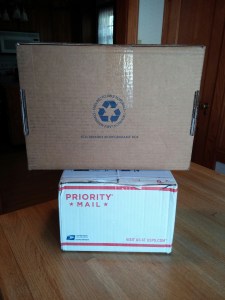
As a person who prefers to walk or take the bus to do my shopping, I thought Fed Ex and UPS delivering packages was a good thing; it cut down on my driving. packages came in cardboard, not plastic, and it seemed like an efficient way to shop. I don’t like some of the oversize shipping boxes, or the Styrofoam and packing peanuts I see littering the street. The article below came as a surprise to me.
What can you do instead? 1. Bundle your own shopping trips into one trip. 2. Slow down, do you really need an item shipped to you in 2 hours? 3. BUY LESS 4. Return Packing peanuts to UPS. 5. Reuse packaging.
What can shippers do to be more sustainable? Refuse to use Styrofoam? Bundle their deliveries? What do you think?
Biodegradable packing materials offer a low-waste alternative to polystyrene packing peanuts. High-profile companies, including Dell and furniture-maker Steelcase, have already embraced a foam-like packaging made from mushrooms, eliminating the waste from polystyrene.
When shipping packages yourself, simply use paper from your recycling bin to insulate breakables rather than reaching for polystyrene peanuts. Crumpled newsprint, junk mail and other waste paper will do the job just as well and will be far easier for your recipient to recycle.
Hello, welcome to March blogging. The hope of spring fills my thoughts.
I blog on environmental issues, and am most interested in clean water and clean air.
My mission is: Everyday appreciating our beautiful earth, and working for healthy communities through fewer chemicals, less waste, And more fun!
“Can anyone believe it is possible to lay down such a barrage of poisons on the surface of the earth without making it unfit for all life” Rachel Carson
A Fritillary on Menardia
Our pollinators are declining at a rapid rate. Yes, there are things that each one of use can do. Calling for more research is a waste of valuable time. It is time for everyone to act.
Below is a good commentary on the loss of our bees:
So what can you do? We are so awash in chemicals we aren’t even aware of them anymore. Below is a list of things that can make a difference for pollinators and for your health, also.
1. Reduce all yard chemicals, and reduce the size of your mowable yard with flowers that pollinators love.
2. Plant more flowers that attract a variety of pollinators. My favorite for Minnesota and
English: Culver’s root, Veronicastrum virginicum. Shot from above at around 4pm, Leland IL. (Photo credit: Wikipedia)
Wisconsin are: Bee Balm, Culver’s Root. Cone Flowers, Hyssop, chives, Russian Sage, Liatris (blazing star), wild geranium, and golden rod.
3. Buy organically produced food, and reduce the beef you eat.
4. Reduce the amount of chemicals in your home for cleaning and construction.
5. Support candidates and elected officials that believe in global warming.
6. Never throw chemicals, worms or fish(they can be invasive) into our streams, lakes or storm drains.
7. And..basically anything you do to for clean air, clean water. and save energy helps all wildlife and humans.






 Health4earth