Drive less: Walk, bike, ride share, Carpool, combine errands, and take public transport.
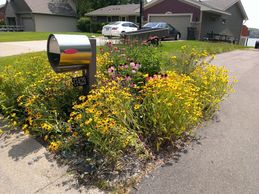
Protect butterflies and bees: Add more pollinator friendly plants to your yard or balcony, and eliminate your use of pesticides, and all chemicals in your home. Your family, your pets, birds and butterflies will be much healthier.
Reduce or eliminate beef from your diet. Producing beef uses lots of energy! Go meatless and fishless several days a week!
Reduce all plastic use, and recycle, recycle and recycle everything you can. Always work for zero waste.
Become a climatarian: Always consider the earth when you make decisions
Walk: Everyday get outside to enjoy nature.
Finally, work to elect leaders that believe in climate change, clean air and clean water, and support clean renewable energy solutions
Ways to be a better environmental steward from Ecowatch
From Earth911 ways to be more sustainable. Read at Earth911
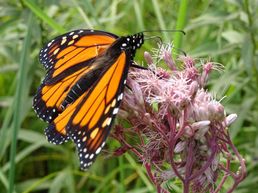
Butterfly Weed is blooming along some interstate highways.
When I see the mowing down native plants pollinators I get angry. My husband and I have just completed a driving loop from Minneapolis to Chicago and back through Iowa. We have traveled Interstate East 94, West Interstate 80 and Interstate 35 North. The entire road trip I surveyed the status of mowing and blooming plants. The shoulders of most of the interstates are not over-mowed, but they are mowing the center median which doesn’t make sense? The best plants can grow in the median if allowed to survive. Some farmers are mowing along the interstates and they do get a little extreme with their mowers. Educating, educating and educating is what we need to continue to do, and it does make a difference. Below is a sample letter I sent to my rural town road crew. I hope you can modify it and send to your local and state government.
Dear local government road crew,
Pollinators, (bees, butterflies and birds) are in trouble in the United States. They have faced serious habitat loss. Last year and the past few years their numbers seemed smaller compared to the years before. Bees and butterflies need the nectar and pollen from flowers for their survival. The Obama Administration is working to plant pollinator plants along our interstate highways to improve bird, bee and butterfly habitat. The plants along the roadways in our town are a natural habitat for birds, butterflies and bees. Now as the daisies, lupine and other wild plants bloom we have beautiful roadways for residents and food for butterflies and bees.
I am writing to ask you to not mow the entire right-a-way along our town roads until maybe late August or even better would be September. I know you need to mow for safety, and that is important. Could you please not mow every flower down until early fall? Maybe mow just a strip along the roads leaving plant food for our pollinators. The bees, butterflies, birds and humans would thank you for the needed nectar, and fabulous summer beauty.
If I can get a commitment from you to mow a little later, I will spread milkweed seeds along the town roads creating more butterfly and bee habitat.
Thank you,
Your name
Wisconsin energy co-ops to create monarch butterfly habitat
Searching for milkweed along our roads and highways!
It’s raining this week where I live. How can we use all this water rushing into the storm drains and at the same time improve the quality of the water runs from our roofs, sidewalks, driveways and streets? This water picks up many pollutants as it races to our lakes and rivers. There are things we can do to lessen this pollution such as sweeping our driveways and sidewalks and not using chemicals on our lawns. A good way to clean this polluted run-off is to direct the water into a garden, a rain garden. Today as it rains I can see the water rush into my rain gardens where my deep-rooted plants help clean this water as it drains into the earth below. This past week I have been part of a team that installed two rain gardens. Both gardens captured water that would run into the Mississippi River. We had fun, and were thrilled we helped to “plant for clean water.”
What is a rain garden?
The water that runs off our houses sidewalks, driveways and streets contains pollutants that run directly into our streams and lakes. A rain garden captures this water and the plants in the garden actually purify the water filtering out the pollutants. Like a friend said, “It’s like magic!”
An aspect of climate change is we can go for months without any precipitation then watch out…. inundation, too much rain. Rain gardens are a valuable tool to use and manage the water that falls on our properties. The plants should not need to be watered so we conserve water
Advantages of rain gardens:
1. They conserve water by managing rainfall
This is a narrow ditch for collecting run-off
2. Rain gardens filter out pollutants
3. Blooming plants add beauty to your yard
4. Rain gardens often use native plants that bees, birds and butterflies love.
Simple steps to creating a rain garden:
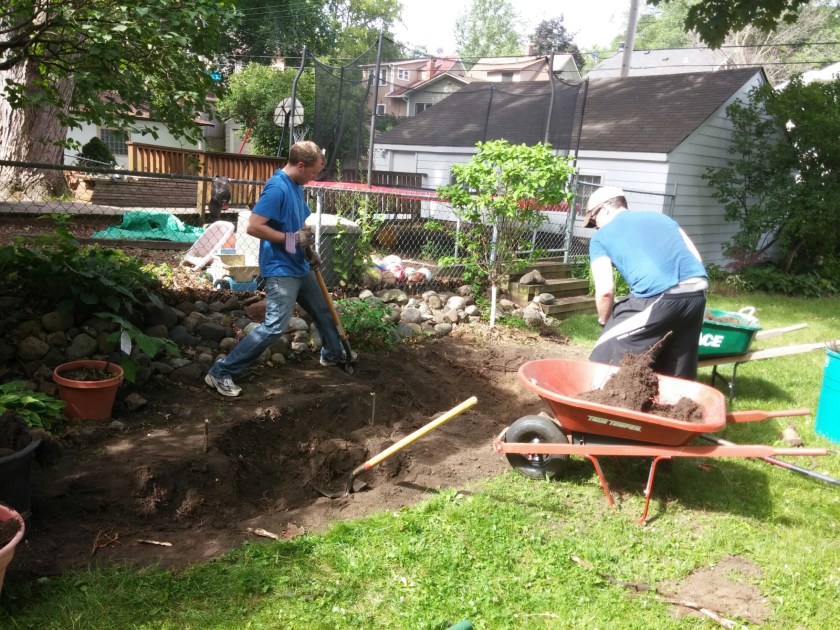
1. Remove the sod and dig a hole. It must be at least 10 feet from your house and where you can direct a drain-spout, driveway or sidewalk to drain rain water. Most rain garden holes are about 12 inches deep with wide 3 feet slanted sides surrounding the garden. The bottom of the garden should be flat.
Digging the hole for the garden
2. Mix in about one inch of compost to the bottom and sides of your new garden
3. Cover the garden with a layer of several inches of double or triple shredded mulch.
Spreading the compost, next add the shredded mulch
4. Plant deep-rooted plants. Most of the plants you love will work matching the degree of sun and shade. Also, always work to have a variety of plants that bloom at different times for the bees and butterflies.The bottom plants need to be water tolerant. Some bottom plants I have used are: liatris, swamp milkweed, turtlehead, Culver’s root, blue flag iris, sensitive fern, cardinal-flower, blue lobelia and many kinds of sedges.
5.. Water–If it is dry, you need to water the new plants for the first couple of months.
How can we help our pollinating wildlife? If everyone added just a few native plants to their yard it would make a big difference to help bees, butterflies, and birds stay healthy. I love spring plants and love the bees, butterflies and birds they bring. Because we don’t use chemicals our yard is pollinator friendly.
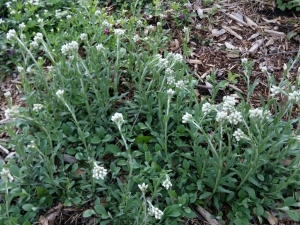
Pussy toes add texture and interest, and are hosts to the American lady butterfly
This time of year we are share and transplant our plants to other people’s gardens. I am thrilled to be able to spread these bee and butterfly magnets to anyone who will love them.
This morning we had chickadees building nests(front and back yards), wrens building nests in two house(they couldn’t decide on one), three bunnies, and a hungry hummingbird. This is an end of May view of some of the best pollinator native plants blooming now in our Minneapolis yard:
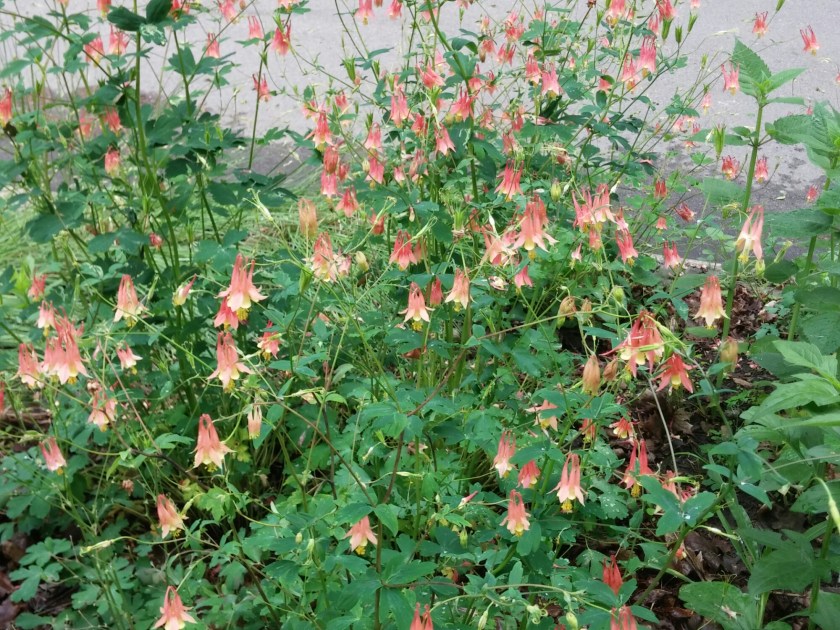
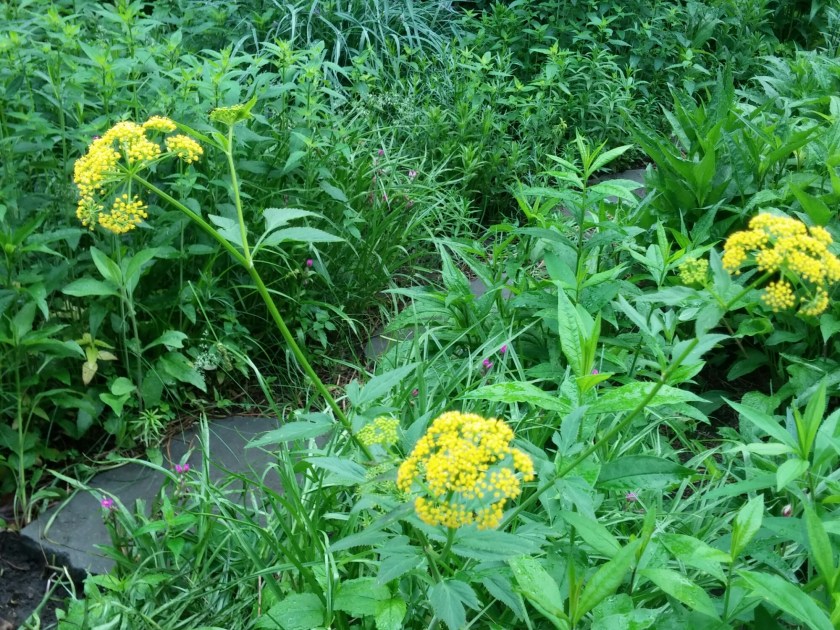
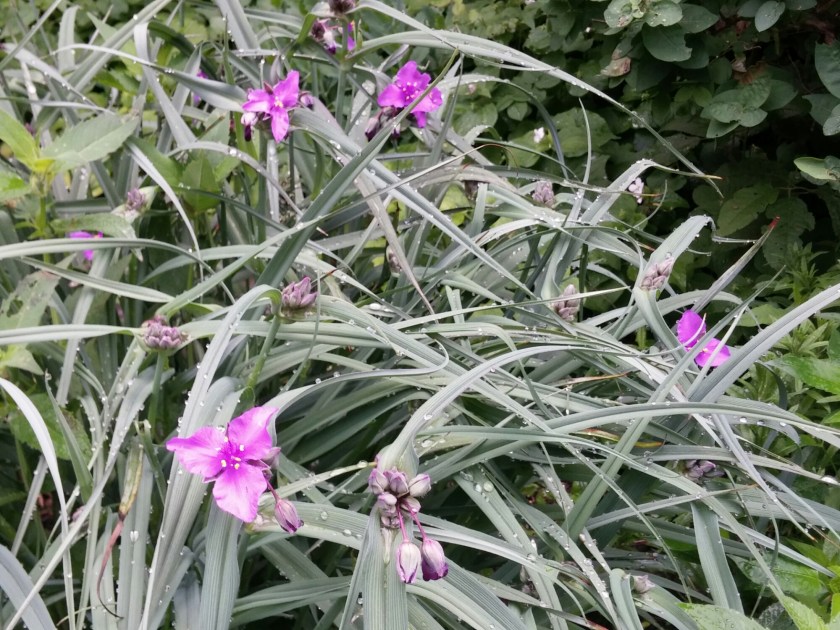
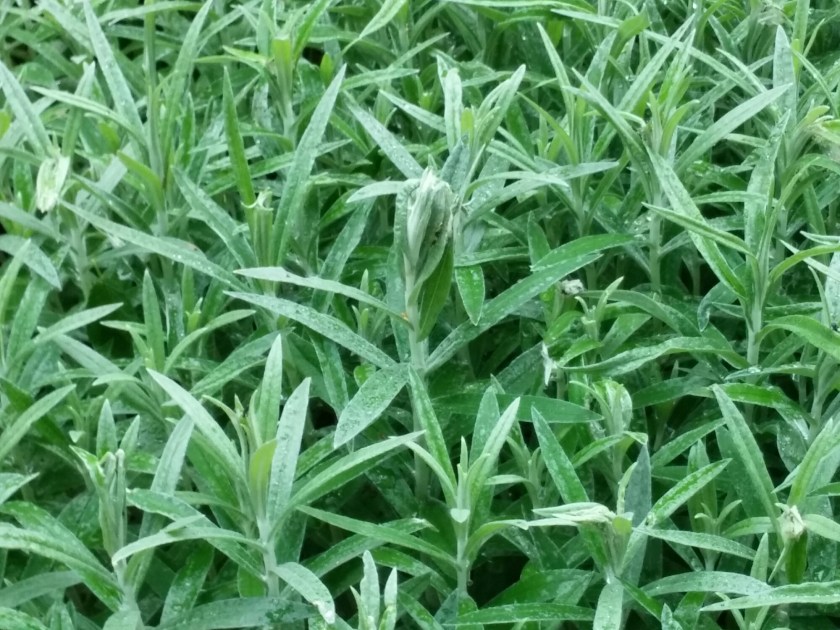
The native columbine is a magnet for bees, butterflies and hummingbirds and people!The golden Alexander is a host to the black swallow tail butterflyBees love the spiderwortThe Painted lady butterflies have laid eggs on these pearly everlasting.
Canada anemone
Violets(hosts for the fritillary butterflies) Virginia waterleaf, and many other groundcover also are blooming
If each of us does a little bit, we can make a BIG difference!
Below is from the Minnesota Pollution control. View on their website here
Turf grass lawns require lots of maintenance—watering, the burning of fossil fuels for mowing and other upkeep, pesticides, and fertilizers—which impact water quality and can contribute to climate change.
Many of the non-native, ornamental plants we plant in our gardens have little value to wildlife. Some of these flowering ornamental plants produce no nectar or pollen for bees or butterflies.
You can play an important role in helping to preserve species and biodiversity in your own yard by landscaping and gardening with native plants. Replacing turf grass and non-native plants with natives—even in small sections of your yard or garden—pays big environmental dividends!
Some of the many benefits of native plants
Planting a variety of native plants increases biodiversity. We need biodiversity—it runs the ecosystem on which we depend.
Native plants provide food and shelter for wildlife. Many insects require a specific host plant to lay their eggs on and the young to feed on (e.g. monarchs and milkweeds). Animals require many different plants throughout their life cycles to remain healthy and robust.
Native plants are adapted to the local climate and soil conditions where they occur naturally. Many native plants have deep roots, and require little to no watering once established. These deep roots decrease erosion and filter stormwater, nutrients, and pollutants that would otherwise end up in our lakes, ponds, wetlands and streams.
Tips to get you started
Learn what you have. This will save you time and energy later on. Learn to distinguish non-native weeds from native plants. Manage the aggressive, perennial invasive plants that will compete with the native plants for space, water and nutrients. Leave or transplant any native plants you might already have in your yard.
Start small. Perhaps you have an area of your lawn or garden that needs a re-do. Areas of lawn where grass doesn’t grow well or that you are tired of mowing are perfect candidates to get you started. Reduce some areas of turf and add a pollinator garden or a raingarden.
Pick the right plants for the right place. Native plants come in a variety of colors, shapes and sizes. Some plants grow well in full sun with sandy soils, others prefer wet soils or shady areas.
Variety is the spice of life. Try to have plants that flower in succession—different plants that bloom from early spring all the way through to the fall. Plant a variety of different types of plants—flowers, grasses, sedges, shrubs and trees. The larger variety of plants you have will support a larger variety of life.
Avoid neonics. Neonicitinoid pesticides are systemic pesticides that are taken up within the plant. There is mounting evidence that neonics are harmful to pollinators and other beneficial insects. To avoid harming beneficial insects, ask the retailer before purchase if plants have been treated with systemic pesticides.
Native landscaping doesn’t have to look “wild.” You may prefer a wild look. If you want a more manicured garden, plant selection is important. You can also utilize mulch, spacing, strips of grass, paths, and attractive fencing for a more formal look.
Support local native plant nurseries and companies. There are many great companies in Minnesota that specialize in growing or managing native plants/invasive plants. They have the expertise to give you some ideas of what plants might work for your situation. Native plant nurseries in your area will have grown local ecotype native plants—ones that came from your region that are adapted to local conditions.
Be okay with bugs!Only a small percentage of insects are pests, and the damage they do is aesthetic and oftentimes tolerable. Insects form the base of the food web. Without insects, there can be no mammals, birds, reptiles, or other forms of “higher” life.
Don’t have a yard? Consider adopting a local park or open space for planting natives. Be sure to ask for permission first. Or support non-profits and other organizations that are doing this type of work.
If each of us does a little bit, we can make a BIG difference!
This morning I was walking a bridge crossing the Big Blue River in Nebraska. Never have I seen a river so full of sediment! The name “Big Blue” was full of irony for me. I know many of the local water sources in this area of Nebraska are poisoned with nitrates, and children should not be drinking this water. Farming areas of Iowa and Minnesota are having the same water pollution problem. The major source of nitrates are fertilizers on farm fields, and farmers are not regulated by the Clean Water Act. We are all guilty of dirty water and can do much better at protecting our waters. The run-off from our houses, driveways and roads are major contributors to our polluted lakes rivers and streams. Farmers need to better, but so do all of us!
10 actions you can take to improve lakes, rivers and streams from Hennepin County.
When it rains, the storm water that runs off driveways, lawns, houses and parking lots can carry pollutants like oil, paint and chemicals down storm sewers and into nearby lakes, streams and rivers. By taking the following easy, no-cost or low-cost steps, you can have a big impact on reducing runoff and protecting our water resources and wildlife habitat. Hennepin County
1. Use your runoff
You can keep water in your yard and reduce runoff by directing downspouts onto your lawn or garden or into a rain barrel. Rainwater is free and naturally “soft,” so it is ideal to use in watering your lawn or garden.
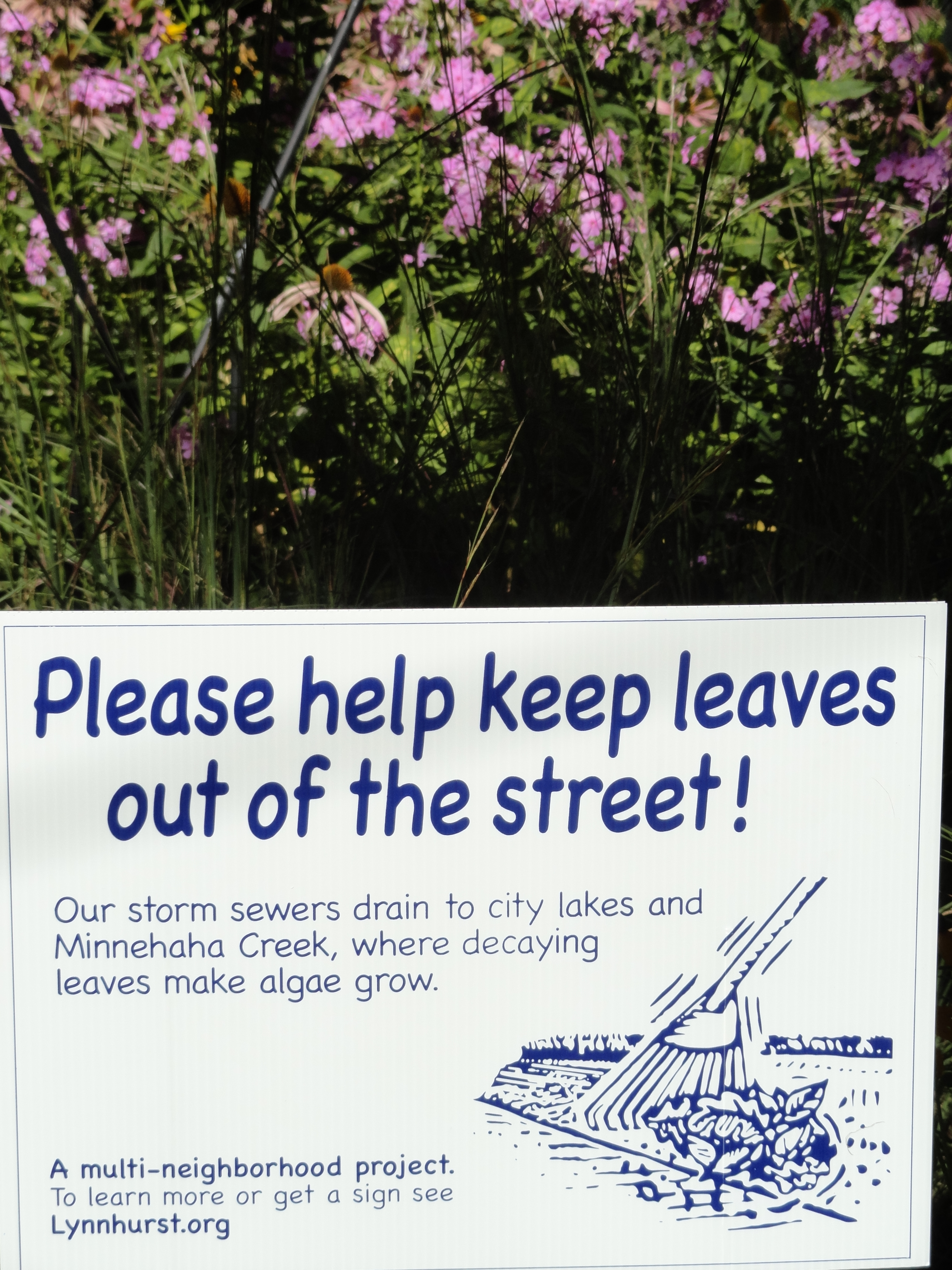
2. Don’t rake grass clippings and leaves into the street
Leave them on your lawn, use them for compost, or bag them up. Grass clippings and leaves left in the street end up in the storm sewer, where they are carried to nearby lakes and streams. Clippings and leaves contain phosphorus and other nutrients that feed algae and other aquatic plants. This can cause excess algae growth that can negatively impact other plants and wildlife and can be unsafe for pets.
3. Scoop the poop
Grab a bag when you grab the leash and pick up after your pets. Pet waste left on the ground can be washed into lakes and rivers with rainwater and runoff. Pet waste contains bacteria that can cause illness in humans and animals.
4. Use chemicals wisely
Read and follow the label instructions when using herbicides and pesticides. Use the minimum amount needed to control the problem. If you can, consider using alternative or natural remedies to control weeds and pests, or remove the problem by hand.
5. Fertilize smart
Sweep up any fertilizer that spills onto hard surfaces. Excess fertilizer washes away into nearby lakes or streams where it can feed algae, causing rapid growth known as algae blooms. Algae blooms stress fish and wildlife and make swimming and fishing unpleasant or impossible.
6. Keep a healthy lawn
A healthy, vigorous lawn needs less watering, fewer chemicals and less maintenance. Aerate your lawn periodically to loosen the soil. Seed bare patches to prevent erosion and soil loss. Mow at a higher setting. Grass mowed to a height of 2 ½ to 3 inches develops deeper, healthier roots and has a competitive advantage over weeds.
7. Plant a rain garden
Rain gardens are depressions planted with a diverse mix of native wildflowers and grasses
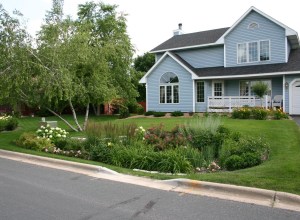
Rain gardens collect water run-off
designed to collect rainwater and allow it to soak into the soil. This will reduce the water running off your property into storm sewers.
8. Replace turf with native plants
Swap some of your high-maintenance lawn for low-maintenance native ground cover, plants or grasses. Many native plants develop deeper root structures than turf grass, which reduces runoff by allowing for better water infiltration.
Deep-rooted plants absorb more water than turf grass
9. Reduce your footprint
Replace some pavement – such as a walk, patio or driveway – with pavers or pervious pavement. The porous surface will allow water to seep through.
10. Adopt a storm drain
Keep neighborhood storm drains free of leaves, seeds and grass clippings. Storm drains are directly connected to nearby water bodies. Water running into storm drains can carry with it anything dumped nearby including leaves, grass clippings, soil, oil, paint and chemicals. Keeping storm drains clear will protect the water quality of nearby lakes, streams and rivers.
***If you own property on a lake, pond, river or stream you should install a tree and plant buffer strip to keep pollutants from running into the water.
How can you help our pollinators? Our pollinators are struggling to survive. There are things we can do in our yards to help pollinators. The mono-culture of perfect green turf grass lawns does nothing to help our struggling pollinators.
Blue Salvia are loved by bees. (not native)
I have been on a road trip from Minnesota, through Iowa, Missouri, Kansas, Nebraska, and South Dakota, and have been amazed at the manicured thick turf grass that dominates in parks and lawns. Turf grass has no value for pollinators, and when fertilized adds unhealthy chemicals harmful to pollinators, humans, pets, wildlife and our water bodies. Adding a diversity of fresh new plants and removing some lawn can make a big difference for our pollinators.
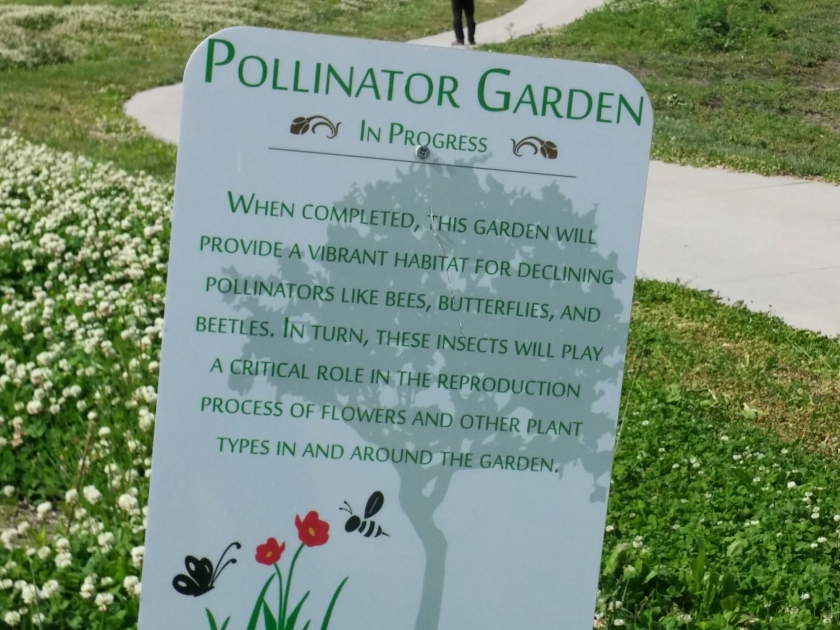
Walking a trail in Lincoln, Nebraska I was thrilled at their efforts to help our pollinators. They are allowing clover and native plants to grow. I even saw a few milkweed popping up.
Just a few changes can make a big difference for pollinators.(bees, butterflies, and birds)
Spring is a fabulous time to add new plants to your yard. A wide diversity of plants helps
Foam flower is an early blooming plant
our pollinators. Native plants don’t need chemicals so they are the healthiest for you, children, pets, and the pollinators. More garden diversity, and less chemicals creates a win-win for our earth and us all!
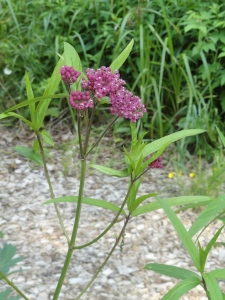
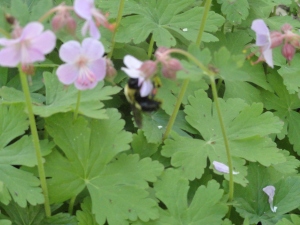
Always consider how to add more milkweed. Swamp milkweed has been the most successful for me.Wild geranium, easy to grow, is loved by bees and butterflies and is early blooming
Plant your yard with plants the bees, butterflies and birds love
Each of us is so unaware of the damage we are doing to our earth. This week I was at a seminar on pollinators. Minnesota has lost two of its native butterflies, the Dakota Skipper and Poweshiek Skippering. and many more bees and butterflies are declining in numbers. Also, I was surprised so many people don’t know about neonicotinoids. Neonicotinoids are harmful systemic pesticides that weaken pollinators
Round up kills the plants that bees and butterflies need for food and egg laying !
Why is there is so much buzz about bees during the winter? The United Nations announced that we are loosing many of our important pollinators that are vital to the pollination of many important food crops.
What is causing this loss? The major reasons we are loosing species of native butterflies, bees and birds is because of mono-crop planting, habitat loss, and our obsession with pesticides. The combination of these three is making it hard for pollinators to survive.
Even a small yard can make a difference for pollinators. First, add more native plants to your yard, they don’t need chemicals. Plant for different bloom times, diverse flowers, and never purchase a plant treated with neonicotinoids ! Be careful and read directions with any chemicals you use on your yard….Try to go without! Finally, bees and butterflies love blooming dandelions and clover…Let them bloom, then weed them out!
Native plants are needed as host and nectar plants as our native butterflies, bees and birds go about pollinating our food plants as they forage for their own sustenance.
Native plants have deep roots which absorb excess rainfall and prevent water from running directly into our rivers and streams helping to provide clean water for everyone.
Native plants instead of turf lawns help reduce our carbon footprint.
Dried up cone flowers are a gift to the birds. I took this picture in July
As I write this the goldfinch are eating seeds from dried up purple cone flowers, and hummingbirds are still flitting around for nectar. Below is an excellent article on fall gardening by writer Val Cunningham. My suggestions follow.
My additional suggestions for fall gardening are:
*Pull out all the invasive and bad plants
*Plan for next year. What worked and what didn’t work? How can you add more native
Hummingbirds and bees love this red menardia
plants ? (My favorites are milkweed, Liatris, cone flowers, bee balm hyssop, wild geranium and asters)
*Plan where you can add a rain garden next year to capture the rain from your house, driveway or yard. http://bluethumb.org/raingardens/
Birds love driveways with seeds and leaves, but please keep our waterways clean by sweeping sidewalks, driveways and street from leaves and debris.

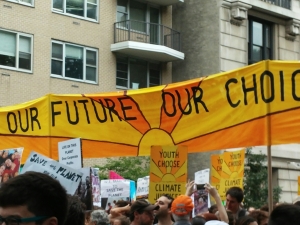 Buy less stuff: Reuse, reuse and reuse the things you have
 and eliminate your use of pesticides, and all chemicals in your home. Your family, your pets, birds and butterflies will be much healthier.











 Health4earth