Preserve and cherish the pale blue dot, the only home we have ever known! Carl Sagan
Can’t wait to see the first butterfly. This is the mourning cloak, usually the earliest butterfly
Be kind to our Earth and to all people and all life!
Yay, April, the best month of the year. It is a month of Hope and Joy. It is Earth Month, calling us to action to protect our Earth. It is native plant month and Arbor Day and Earth Day. It is a month to watch for migrating birds, clean up our yard and finally ride our bikes. April is a month to spend outside!
Unfortunately, my country is at war. We need to be concerned and speak out against killing people, wasting money, and harming our earth, but we can’t allow a few silly men to destroy our joy.
Every day I spend time outside; I look for new spring happenings, I look for new buds, new birds, new sounds, and new life. I focus on what is joyful and good and spend time with good people. I work daily on reducing the plastic we use in our home, we drive minimally, clean storm drains, and strive for creating zero waste.
The New York Times has a new, “Look for the Good newsletter sign up to get next week’s sent to your inbox.
Important: The Earth is not merely a resource to be exploited; it is sacred ground, our shared home. What we do to the Earth, we do to ourselves and to all of those who come after us. What exactly do religions teach us about Earth Stewardship? Read more: https://www.plasticpollutioncoalition.org/…/sacred…
Be kind, be safe and enjoy your time outside. PEACE on EARTH
This is from the Story of Stuff. I hope you will give it some thought and make thoughtful purchases for the holidays and all year. “This time of year, the pressure to buy more — and waste more — is everywhere. Black Friday doorbusters, holiday flash sales, limited-time offers: overconsumption during the holidays isn’t an accident. It’s by design.
And the consequences are massive. Americans generate 25% more waste between Thanksgiving and New Year’s — an extra one million tons of trash every week. From impulse purchases tossed by January, to mountains of packaging, the holiday season has become a pipeline of extraction, production, shipping, and disposal.
What we rarely see are the impacts hidden upstream. Most of a product’s environmental footprint happens long before it reaches your door — through rapid mining of raw materials, energy-intensive manufacturing, and global shipping emissions that fuel the climate crisis.
Fast fashion hauls and holiday overbuying only accelerate the damage. Every second, a garbage truck’s worth of clothing is landfilled or burned. Electronics, toys, gadgets, and seasonal “stuff” flood into toxic e-waste dumps around the world.” Story of Stuff
Trying to be more climate friendly with gift giving this year? This holiday gifting guide will help you get in the spirit while saving you money and deepening the meaningfulness of your holiday season.
I wanted to share an invite to Zero Waste Fest on Saturday, October 11 at Burroughs Community School in Minneapolis. It’s a free, all-day community event with panels, food, music, kid’s activities, and lots of hands-on ways to get involved in building a future without waste. Zero Waste Fest — MN Zero Waste Coalition
The day runs from 10am to 4pm and includes:
Inspiring panels on:
Building a Zero Waste Future in Minnesota
Plastic is a Justice Issue: Fighting Pollution from Production to Disposal
From Throwaway to Reuse: Reclaiming Culture, Creating Systems
Tabling from organizations around MN supporting zero waste
Clothing swaps and mending
Food, art, and music!
It’s free and open to everyone. I’d love for you to join us and help spread the word!
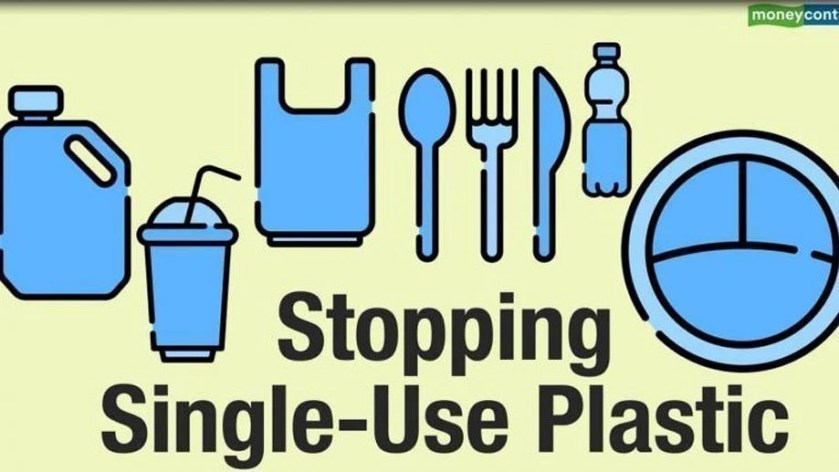
Reducing your use of single-use plastic makes a big difference!
Small acts adding up to more Below is from the Carbon Almanac! “We don’t have to engage in grand, heroic actions to participate in change. Small acts, when multiplied by millions of people, can transform the world.” – Howard Zinn Consider what you buy. Everything we purchase has made an impact on the environment through carbon emissions. Some more than others. Is your item available second-hand?Our actions matter. We can make a difference before it’s too late. Small actions when coordinated with others can lead to systemic change.What are things you can do?Get engaged in your local government. Listen to a meeting, reach out to your representative, sign a petition. Local environmental policies have a direct impact on our lives and our voices can make a difference.Involve your community. Bring people together to enjoy conversations and spark ideas on what actions to take. Consider what your buy. Everything we purchase has made an impact on the environment through carbon emissions. Some more than others. Is your item available second-hand?Our actions matter. We can make a difference before it’s too late.
“Act as if what you do makes a difference. It does.” — William James
Refuse to consume so much junk. Avoid Target and The Dollar Store.
What is the single best thing I can do for the planet? Maybe the best two things I can do? The New York Times put this question to some experts. It was actually the most click on article on Earth Day.
They have sone good suggestions, but we all have such different lifestyles and ways we are all harmful to the planet in the way we live. We all need to take inventory of the ways we are harmful to clean air and clean water. Everyone can buy less stuff. Do we really need all the Easter eggs and decorations everywhere the past two months? Do you really need that extra shirt or pair of shoes? What can you purchase second hand or reuse?
Cutting meat consumption and driving less are huge, but so is not wasting so much food, and reducing our single-use plastic
The New York Times asked their experts how to be the best planetary citizens?
I think their ideas are thoughtful and interesting. It is worth a read
“The thing
First, it’s important to understand that climate change is a symptom of a larger issue: ecological overshoot, or the fact that humans are consuming resources faster than they can regenerate and producing more waste and pollution than nature can absorb, said William Rees, a human and ecological economist and professor emeritus at the University of British Columbia. The most effective solutions, then, address not just greenhouse gas emissions but overall consumption and pollution.
One of the most effective ways to avoid consumption in the first place, Dr. Rees said, is to have a smaller family. But that might not be a realistic option for many people, for all kinds of personal, cultural and other reasons.
As The New York Times’s ethics columnist has pointed out, it might also be realistic to think that children who are raised with a sense of responsibility could — in personal and collective ways — be part of the solution, ensuring human survival on a livable planet by promoting adaptation, resilience and mitigation.
A less complicated recommendation is to cut back on meat. “On all these different metrics, eating a plant-based diet broadly improves sustainability,” said Seth Wynes, a scientist specializing in climate change mitigation at the University of Waterloo in Ontario.
I make zero waste a game to waste as little as I can.
Our landfills are overflowing, and we just keep purchasing junk and many things we can live without. Consumerism contributes to global warming as do our landfills and burning of trash. We must cut back, maybe not to total zero waste, but creating less waste overall.
Zero waste is not easy, but it is possible. Reducing our waste forces a new look to what we buy. Reducing purchases makes us pay attention to what we buy. Do we really need all the junk we purchase?
March 30 is the UN’s International Day of Zero Waste. This year’s focus is on reducing waste in the fashion industry and helping to advance circular solutions. We have a choice how we spend our dollars, and spending our money on good long lasting products should be a priority. Many items are expensive right now and I bet you can monitor and adjust to be happy with what you already have.
Avoid the fashion fads. Do you really want someone else telling you what to buy and wear. Be your own person create your own look! If your truly want to live on a planet with clean air and clean water we need to cut back! “We still have the ability to stop the worst from happening to our planet. The power to do this is in our hands—we just need to use it.” Katherine Hayhoe
We just need to get in the habit of reusing and fixing what we have. Most of us have closets full of clothes we barely use. Shop your closet and create a new outfit with the clothes you have. Be creative
Many say to me, “But it was so cheap!” No, it’s not cheap with the harm it does to our planet! Manufacturing, shipping, and disposal takes lots of time and energy. Most of it not healthy for anyone.
How can you help to reduce your addiction to fast fashion clothing? Some ideas:
Shop your own closet, or the closet of a friend or relative.
Purchase secondhand. Some secondhand stores even have personal shoppers for you to use.
Buy quality over quantity
Mend clothes rather than throwing them away
Intentionally select the brands you purchase from and learn about their sustainability practices
Make a decision you didn’t need this item after all
Melissa Clark is an extraordinaire food writer for the New York Times. She has set her food resolutions for 2025.
She is missing the most important food resolution: REDUCE your food waste! Food waste is an enormous waste of energy. time and water. Food waste is an enormous contributor to our climate crisis. Read about it here:
New Year’s resolutions are fast upon us, and chances are that your list will include some version of trying to eat better. I’m here to help.
Food is both my profession and my obsession, which means it’s my job to consume delicious things every single day, reveling in each bite of tangy arugula salad, silky roasted salmon or gooey blackout cake. The key for me is to maximize the pleasure while also leaning into moderation, and to generally eat more sustainably.
I want to share this balancing act with you. Here’s my approach, broken down into easily digestible morsels.
1. Learn to cook something — or something new.
If you’re just starting out in the kitchen, make 2025 the year you learn to cook. The recipe columnists and editors at New York Times Cooking have compiled a recipe collection for absolute beginners, and in the course of 10 dishes you’ll acquire basic skills to bolster your confidence.
Start with Eric Kim’s tuna mayo rice bowl, which doesn’t even require turning on the stove if you have leftover rice or a rice cooker. Genevieve Ko’s cheesy eggs on toast is equally good for breakfast as it is for dinner. And my lemony chicken with potatoes and oregano is easy to make on a sheet pan, and it’s just the thing to slather with your favorite condiment, be it chile sauce, mayonnaise, mustard or all three.
Keeping your pantry well stocked will get you halfway there — and here are some tips on how to do just that. Even on nights when I don’t have time to plan or run to the store, I know I’ll still be able to cook something incredibly satisfying that’s often faster and cheaper than getting takeout.
If you’re a seasoned cook but feel tapped out for inspiration, commit to making one new recipe per month. You get bonus points if it includes ingredients or techniques you’ve never tried before. Dishes like one-pot mushroom and ginger rice (which calls for velveting the mushrooms) and crunchy scrunched cabbage salad with fried almonds are just waiting to help you get back in your groove. You can also sign up for our What to Cook newsletter for even more suggestions.
2. Eat less meat.
Cutting back on meat gets easier for me as the years go by. As it turns out, the less meat I eat, the less of it I crave. (That is sadly untrue of cookies, though.) And replacing animal-based foods with whole grains, legumes and nuts has been linked to a lower risk of Type 2 diabetes and cardiovascular disease.
Now, I mostly use meat as seasoning for vegetables, beans or pasta. A little prosciutto, a sprinkle of bacon or a few ounces of ground turkey go a long way.
Drinking more moderately is about emphasis in my book. I’ve come to realize that drinking more low- or no-alcohol cocktails and mocktails is just as satisfying as drinking alcohol.
I’ve also discovered that the ceremony of having a drink is just as important as what’s in the glass, if not more so. Give me something with a deep bittersweet tang in a fancy coupe as a gateway to a congenial evening, and I won’t ever miss the hangover.
The world is facing a trash crisis a climate crisis and a plastic crisis and they are all related to our overconsumption.
So few people connect the climate crisis to the purchases they make. Overconsumption is harmful to our air, to our water and to our health. Landfills and incinerators harm our health. We need to stop competing to be just like everyone else. When we shop purchase items that are of high quality and items that will last a long time. None of us need more junk!
Instead of a season of overconsumption and waste, make it a season of friendship, love and community. That doesn’t mean buy me a gift!
Whether it’s choosing to shop secondhand rather than buy new or simply pausing before you hit the checkout button, we can all rethink the way we consume.
Unsubscribe from sales communication and unfollow brands on social media: We all get those pesky marketing emails, physical mail, and texts, not to mention an onslaught of social media sales messaging, around the holidays. We encourage you to ditch the noise – join over 2 million people who did here. Catalog Choice is a free, online service that will help you save trees, prevent fraud, and fight junk mail. What’s not to love?
The holiday season doesn’t have to be about more Stuff. Together, we can turn the tide against corporate-driven overconsumption and reclaim the real joy of the holiday season.
Most store-bought dishes from supermarkets and restaurants will be packaged in plastic or other disposable containers. To avoid the unnecessary plastic, focus on cooking from scratch. Ingredients like vegetables, flour, butter, and nuts can be commonly found in non-plastic packaging. For items like nuts and dried fruits, see if your local market, co-op or health food store has a bulk section and bring your own bags to fill up! When faced with a choice of packaging, choose glass or paper over plastic. If you’re looking for inspiration, see our (newly updated and expanded) recipe suggestions below. As long as you plan ahead, there should be plenty of time to make things from scratch.
2. Shop Local
Shopping locally reduces your meal’s carbon footprint and helps support local small businesses which need our business more than ever thanks to the growth of online grocery ordering from Amazon and other etailers. Show your community your thanks by supporting local businesses!
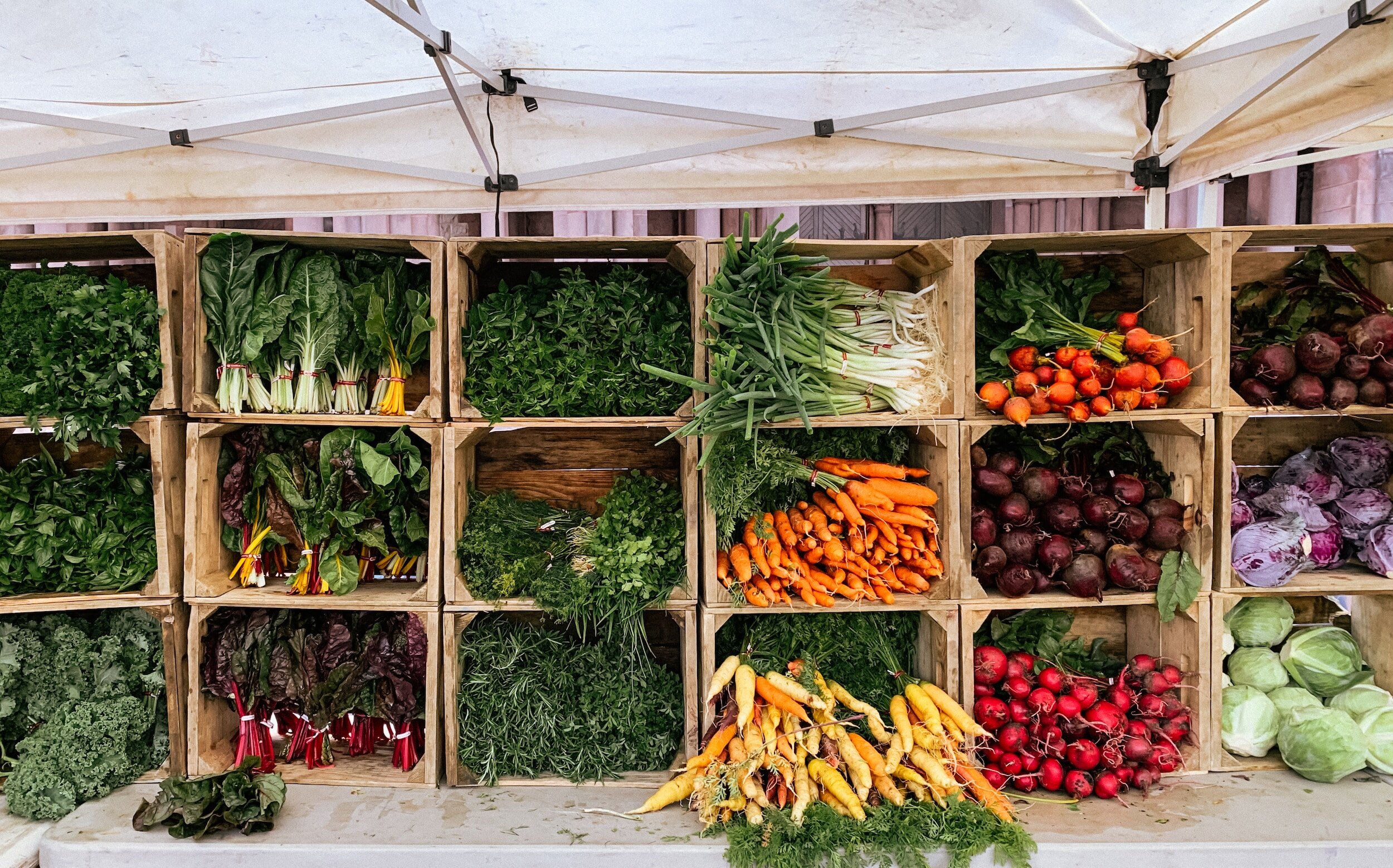
If you don’t have the time or inclination to make pumpkin, pecan, or apple pie from scratch, check your local bakery. While you’re there, pick up the bread you’ll need to make your stuffing and bring it all home in your own reusable bags. Visit your local farmers market to pick up potatoes, squash, sweet potatoes, carrots, onions, greens, leeks, parsnips, and more. If your farmers market is closed for the season, many CSAs (community supported agriculture) also offer a special one-time Thanksgiving share of goodies to anyone, even if you’re not a subscriber.
3. Use Sustainable Decor
Forget the dollar store, you can make beautiful fall decor for your table setting and dining room with things from your backyard and local farm stand. Pressed leaves, squash, and pumpkins make for great wall and table adornments. Check out some good DIY ideas here. And don’t forget to get the kids involved!
4. Serve on Reusable Dishes & Dinnerware
Plastic utensils and cups end up in landfills, incinerators, or waterways where they can pose a threat to wildlife. Set your table with a beautiful tablecloth, ceramic or metal plates, cups, serving platters, metal utensils (got a set of silverware from your parents or grandparents you can bust out?), and cloth napkins. If you’re hosting a big gathering and don’t have enough plates, glasses, serving dishes, or cutlery, take a trip to your closest thrift shop, ReStore or Salvation Army to pick up more on the cheap (there’s often some real gems and some actual silverware mixed in with the cheaper stuff.) You can serve your drinks in glass pitchers or bottles. If your family likes seltzer, consider investing in a machine to carbonate your own “bubbly water”. Tip: choose the model that comes with glass bottles over the plastic ones. If you have kids, assign them the task of polishing silver—they may find it deeply satisfying. Sticking to reusable tableware will not only reduce your waste but also save you money. Get your family or friends to help you wash anything delicate that can’t go in the dishwasher and toss all your cloth items in the washing machine afterwards. No muss, no fuss, and, more importantly, no WASTE.
5. Provide or Remind People to Reusable Containers for Leftovers
Going to family or friend’s home for dinner? Bring your own glass or metal containers to cart home some delicious leftovers. There are also some great beeswax-coated fabric wraps out there these days that can take the place of plastic wrap or tinfoil. If you are hosting the dinner, remind guests to bring reusable containers with them. If you have extras to spare (say from all those take-out containers you saved during COVID lockdown), you can offer them to guests who’ve forgotten to bring their own. If you haven’t yet invested in glass or metal containers, don’t let that stop you – just bring plastic tupperware or clean yogurt containers, etc., but make sure not to heat anything up in those containers later to avoid the chemical leaching that occurs when hot food comes into contact with plastic. If you do use aluminum foil, when you’re done, don’t forget to gently clean and dry it and save it to use again.
6. Compost Your Food Scraps and Decorations!
Compost any scraps from cooking or leftovers that aren’t being saved, as well as any compostable decor you’ve put up or used on the table once you tire of it. Reminder, if your Thanksgiving dinner includes a turkey, you can make delicious, nourishing stock out of the carcass before you compost it. You can then make an excellent, very flavorful turkey soup or freeze the stock for several months. If you’re not sure what can and can’t be composted, check out this helpful list. If you don’t have a backyard compost, see if your city or town has a local composting system. If they don’t have one yet, look into how to start one. HINT: This could be a great project for a Beyond Plastics Local Group or Affiliate to take on.
RECIPE SUGGESTIONS (updated and expanded for 2024!)



 Read more:
  https://www.plasticpollutioncoalition.org/…/sacred…






 Health4earth