If plastic were a country, it would be the fifth largest emitter of greenhouse gases. Plastic is stuffed with harmful chemicals, and even though we are told it is recyclable this report shows how plastic recycling is NOT working!
“More plastic is being produced, and an even smaller percentage of it is being recycled,” says Lisa Ramsden, senior plastic campaigner for Greenpeace USA. “The crisis just gets worse and worse, and without drastic change will continue to worsen as the industry plans to triple plastic production by 2050.”
Coca Cola produces 3 million tons of plastic packaging a year – equivalent to 200,000 bottles a minute. That needs to change.
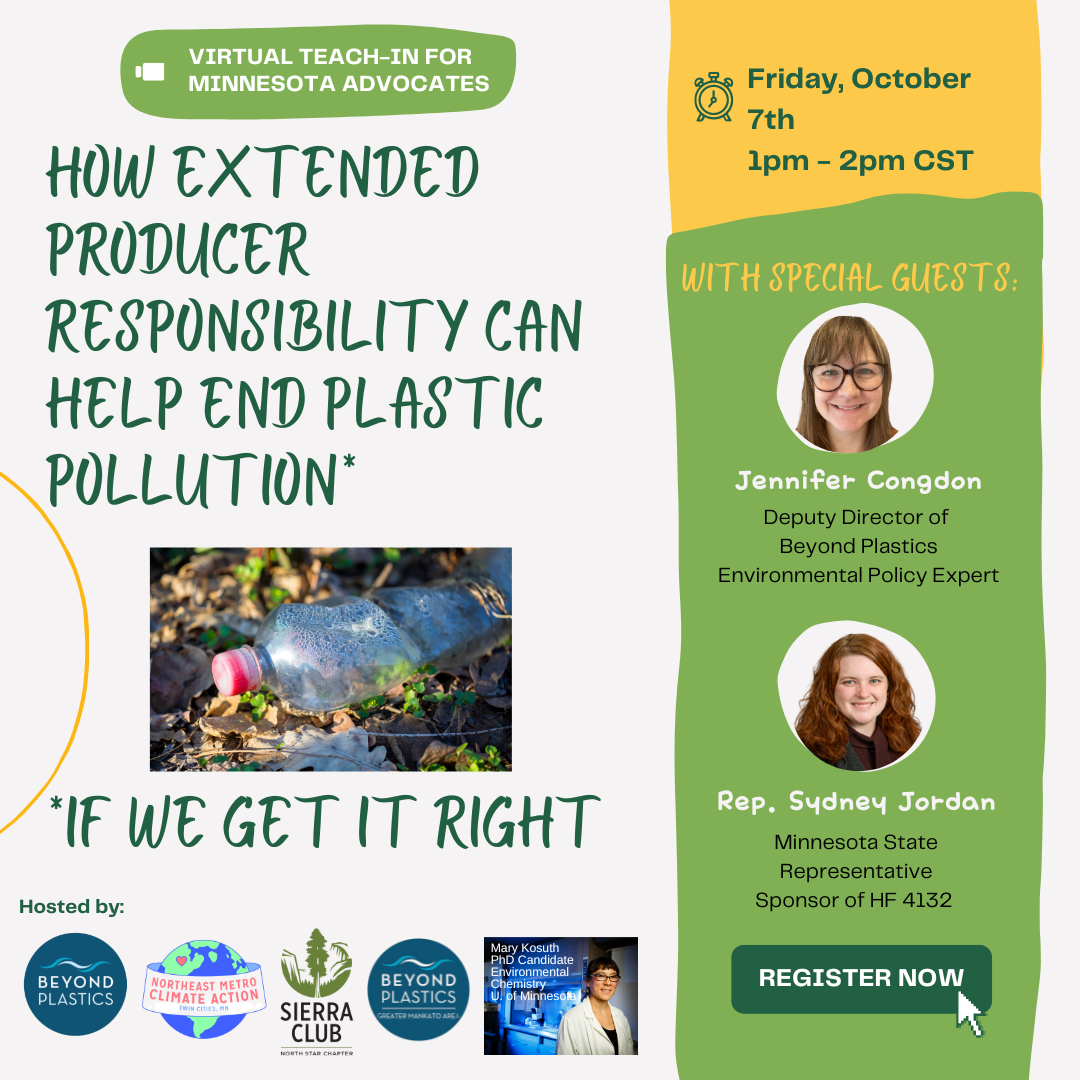
We are in a plastic crisis, and we must begin to hold the producers responsible. Join our seminar with Beyond Plastics to learn more. RSVP to get the Zoom link for the meeting.
World Cleanup Day is the world’s largest one-day civic action engaging more than 191 countries to tackle the global waste crisis. World Cleanup Day is not just about cleanups. It’s a strong and unique movement that shares the dream of a waste-free world. Join World Cleanup Day on 17th September 2022!
“Every person on earth bears responsibility for good earth stewardship” Pope Francis
Northern Pearly Eye
How did we ever get sold on the fact that a green monoculture of a turf lawn was a good thing everyone wanted to copy? I love walking in green spaces, but should a green space have more variety than being just like everyone else trying to be like everyone else. Has our climate crisis brough us to a time we question the feasibility of maintaining something that harms instead of adding a positive to our environment?
What is my problem with a turf grass lawn?
First it takes lots of water to keep it green and needs poisonous chemicals. We have been in a drought, and homeowners are watering the sidewalk and the street trying to keep their lawns green. A weed free lawn requires lots of chemicals which run down the street into the storm drains and then into our lakes and streams where they stimulate the growth of algae. See the evidence on ponds and lakes covered with algae muck which can be fatal to dogs and wildlife. Muck covered lakes is not a natural happening!
A monoculture turf grass lawn has no benefit to pollinators. Pollinators love flowers free of chemicals and plants that are native to the area. They also like color and fragrance. The best is native plants have deep roots and can survive without much water.
Deep rooted native plants
You can create a friendly yard by just not mowing it, but I recommend thinking about a happy bee lawn. Bee lawns composed of various low growing plants don’t require chemicals and are not toxic to humans and pets. Also children can run and play on them just like turf grass. The butterflies and bees love diversity, scent and color. Some of my favorites are native violets and barren wild strawberries, both are very easy to grow and can be mowed a few times a summer. See the link below on bee lawns. Some people like non-native clover and creeping Charlie.
Violets are great for bee lawns.
Start with a small section of your yard, mow it short and work in some seeds (violets, strawberry, clover, creeping thyme, heal all) with a rake or hoe, and keep moist until you get some new sprouts. Find seeds at https://www.prairiemoon.com/
Clean water and air are important to our survival!
“Air, water and plastic pollution is a chronic challenge. Microplastics have been found worldwide, and the risk to human health is an open question.
New research as Stockholm University suggests that rainwater isn’t safe to drink anywhere on Earth, due to the presence of PFAS or forever chemicals found in food packaging, electronics, cosmetics and cookware.” Paul Douglas, Meteorologist
While the EPA, state/local agencies, and the environmental industry at-large work to eliminate PFAS exposure risk, there are a few simple steps anyone can take to reduce exposure to these harmful chemicals.
Start with awareness. Become aware of PFAS, the potential risk of chemical exposure, and spread the news. Reading this article is a good place to start.
Research your local water utility to learn if the water supply has been sampled for PFAS. If they are detected, ask what is being done about it. Most water utilities provide periodic reports on water quality and can be found through the tap water database tool published by the Environmental Working Group.
Look for PFAS-free alternatives in your consumer purchases. Inquire about everyday consumer products that may contain PFAS, including food wrappers, cosmetics, dental floss, and weather-resistant clothing. Look for safer alternatives. Although you will likely not be at significant risk by continuing to wear your PFAS-treated shoes and boots, the continued manufacturing usage of PFAS leads to the contamination of groundwater and drinking water, and the risk of health effects.
I would add: Reduce the plastic you use for food storage, and the plastic you purchase. Also, don’t use non-stick pans.
“If you are not doing something positive (for the environment) you are part of the problem” Don Shelby, former news anchor
If everyone does a positive Earth action everyday it will make a big difference
Lift up our planet!
We all know the Earth is suffering, it is burning up. Floods, wildfires, record temperatures, and storms are harming many people. A sick planet leads to unhealthy sick people and for long-term consequences for our children.
Every day in August plan a positive action of kindness for our planet. It doesn’t have to be difficult: Pick up a piece of trash. Bring your reusable bags and your reusable cup/bottles to work and shopping. Maybe decide to drive less by running one less errand or not idling your car. How about a plastic- free day? Maybe use up all your leftovers and waste less food. Maybe plan out a deep-rooted pollinator garden for your yard or clean a storm drain. Maybe have a meatless day? Good Luck and thank you!
The accumulation of plastic in our bodies can be dangerous, especially for our children.
Plastic is everywhere and new and current research is showing it is not a healthy product for us to be using. Not only are our bodies contaminated by plastic microfibers, but also toxic chemicals such as forever chemicals (PFAS) and Phthalates. These chemicals accumulate and builds up in our bodies over time, which causes me to worry about the future of our children. See my ideas for reducing plastic at the bottom of this post.
There are of chemicals in plastic that are harmful for our body, and also bad for earth effect. To be wise, it’s better to at least reduce the use of plastic in our daily life. 15 List of Chemicals in Plastic – Properties – Dangers – AZ Chemistry
The first list of chemicals in plastic is Phthalate, the esters of phthalic acid. The main use of phthalate is as plasticizers, to increase flexibility, transparency, durability, and longevity. Factories made phthalate by reacting phthalic anhydride with alcohols. What Is Plastic Made Of? (reference.com)
What can you do? Start the change to a plastic-free life now, but it takes years. Please don’t go buy all new things, just start replacing items as they are needed.
– Don’t eat on plastic or Styrofoam plates or use plastic utensils, and don’t drink out of plastic bottles.
-Always purchase bulk fresh fruits and vegetables and never in plastic containers or plastic bags.
-Choose glass over plastic, and transition to storing food in glass or metal containers.
-Never purchase # 7 plastic products. They are a mixture of different plastics.
-It is possible to live a good life without Baggies!
-Transition your clothes to natural fibers like cotton and wool.
Be healthier and avoid the chemicals contained in plastic!
Plastic Free July is about creating awareness about our plastic problem and to encourage individuals to move to a plastic-free lifestyle. Working together we can make a difference to reduce our plastic use and create a world free of plastic pollution.
Other than being light weight, plastic is not a good product. It is made of fossil fuels, and the production of plastic creates air pollution. It pollutes our waterways and land. Plastic also contains toxic chemicals which can poison our food and health. https://azchemistry.com/list-of-chemicals-in-plastic
Plastic reduction is not easy, start small with one thing to eliminate. I have 4 ideas for your #plasticfreeJuly: Start your #plasticfree month by deciding to bring your own bags and decide “no plastic bags” or use a reusable water bottle and choose not to purchase bottled water or soda. Or decide every bit of plastic you purchase must be recyclable (a lot is not), and then make sure it is recycled. Maybe, bare purchase your produce or meat without plastic. You know what plastic you use. Look at the plastic waste you create, what can you eliminate? Good Luck!
I challenge you to a July without plastic bags or plastic bottles.
States and Countries are changing the discussion on plastic:
Landmark legislation in California will reduce single-use plastic by 25% over the next ten years. The ambitious law requires at least 30% of plastic items sold or bought in California are recyclable by 2028 and economic responsibility falls to producers. It’s the first state in the US to approve such sweeping restrictions. Guardian
June is Clean a Storm Drain month. It is also World Oceans Month. Keeping storm drains clean keeps trash and pollutants from entering our oceans and waterways that drain into the oceans.
If everyone does a little it adds up to a lot! Collective action matters.
Storm drains feed directly into our local lakes and rivers, unfiltered, so it’s important to keep them clear for cleaner and healthier waterways. June is an important time to keep the seeds, grass and sticks that are collecting on our streets and sidewalks out of our storm drains. While they might be “natural” debris they become pollution when large quantities hit the water, break down, and become food for algae.
Sweep Up and Clean Up. Be part of a community effort for clean water! Thank you.
If you breathe air or drink water, you should care about the health of our Earth.
We all know the Earth is suffering. What we fail to recognize is that a sick planet leads to unhealthy sick people and for long-term consequences for our children.
We must hold business accountable for the plastic they produce, and they must be held accountable if they pollute our air and water. Our elected officials need to be held accountable to hold oil companies and plastic producers to rigorous standards. Most important, we also have to hold ourselves accountable for how we pollute our air and water. Holding ourselves personally responsible is what we can control!
Even little things can make a huge difference if we work together. On Earth Day recalibrate your life to do three simple things a week to lighten our Earth’s load:
Choose one day to eat meatless, choose one day to not drive, and choose one day to be plastic-free. On plastic-free day don’t purchase or use anything plastic, and don’t or eat or drink food from plastic containers.
Don’t eat or drink from plastic
Every Day do something kind, and please take three breaths for peace in Ukraine.
Peace For Ukraine!
This reading list is too long, but I hope you can read at least one of these excellent articles:
And from my city: Kick single use plastics. In Minneapolis, less than half of plastics are recycled. Most plastics are made from oil and gas. About 4% to 8% of the world’s oil product is for plastics, and most plastics are thrown away after a single use. Plastics collect in our lakes and rivers and break down into micro and nanoplastics. One way to help is to bring your own bag to grocery and convenience stores.
Coca-Cola produces 200,000 new plastic bottles a minute and sells112 billion plastic beverage bottles worldwide every year for a total of roughly 3 million metric tons of plastic packaging. The majority of Coca-Cola’s plastic bottles are not recycled and only 11.5% are made from recycled material. Many of Coca-Cola’s plastic bottles end up littered in the world’s rivers and ocean.





 Health4earth