The ocean covers over 70% of the planet. It is our life source, supporting humanity’s sustenance and that of every other organism on earth.
The ocean produces at least 50% of the planet’s oxygen, it is home to most of earth’s biodiversity, and is the main source of protein for more than a billion people around the world. Not to mention, the ocean is key to our economy with an estimated 40 million people being employed by ocean-based industries by 2030.
Even though all its benefits, the ocean is now in need of support.
With 90% of big fish populations depleted, and 50% of coral reefs destroyed, we are taking more from the ocean than can be replenished. We need to work together to create a new balance with the ocean that no longer depletes its bounty but instead restores its vibrancy and brings it new life.
“Planet Ocean: tides are changing”, is the theme for World Oceans Day 2023 – the UN is joining forces with decision-makers, indigenous leaders, scientists, private sector executives, civil society, celebrities, and youth activist to put the ocean first. The UN
There’s just something about being outside that seems to lift your mood and bring on the happy. Happy May!!
I hope you can spend lots of hours outside this May. Clean air is crucial to being outside! What can you do to ensure our air is clean?
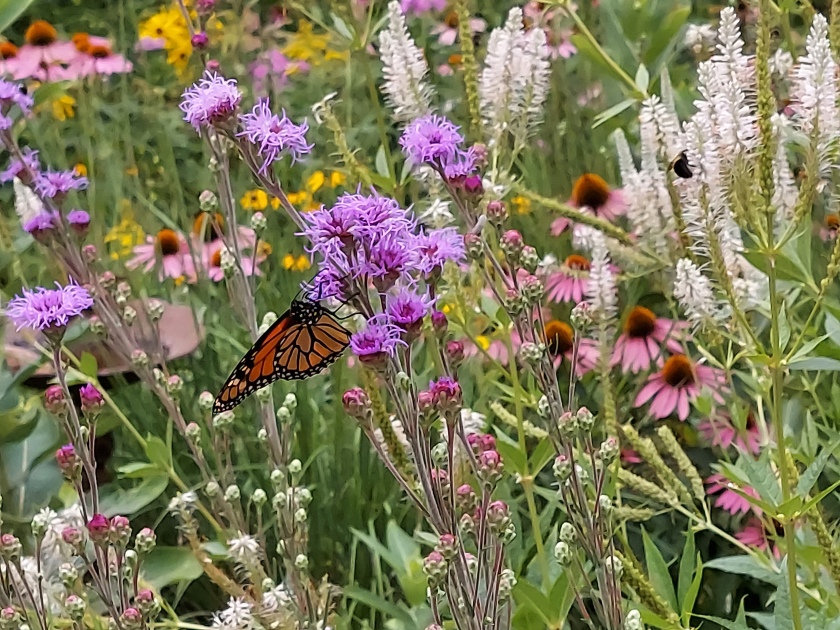
Native plants bring birds butterflies and bees into your yard. They also need no chemicals, and create cleaner air!
Hooray for May. It has been a long snowy winter where I live. This May get outside to experience the beauty of nature. Time outside demands fresh air. It’s a big frustration for me when I go outside, and someone is using a smelly lawn mower/leaf blower, or the airplanes overhead are spewing bad air Why people need to idle their engines as they read their phones is a mystery to me? Please turn your engine off. **This May spend time outside and work for clean air! There’s just something about being outside that seems to lift your mood and bring on the happy.
I have just been out walking along a river near my house. It was so quiet, the baby leaves are just popping on the trees. Manny rich colors, and wow, beautiful wildflowers appearing! I saw my first bull snake. Pay attention and nature will award you!
-Work for clean air. Never idle your car engine, don’t use your power lawn mower or leaf blower, and please avoid outdoor fires. All these polluting activities contribute to our climate crisis. Every action matters!
-Two or more days a week leave your car in the garage.
-Take a breath, clean air! Thank you.
-Clean air is an environmental justice issue. Read about it here. Never support the burning of garbage or chemical recycling.***
-Participate in No Mow May https://www.ecowatch.com/no-mow-may-uk.html No Mow May is under way! #NoMowMay encourages people to resist the call of the lawn mower and leave lawns untouched until the end of May for the benefit of: pollinators, biodiversity and clean air!
-Enjoy a peaceful bike ride away from traffic!
**Idling your car wastes fuel, money, and causes air pollution and health problems. It is better to turn off the ignition if waiting more than 10 seconds, as restarting the car does not use more gas than idling.
***What is chemical recycling? The process primarily involves converting plastic into fuel that is then incinerated. Far from actual recycling, it’s really just an expensive and roundabout way of burning fossil fuels. The chemicals industry is lobbying hard to get two types of these plastic-to-fuel incinerators — pyrolysis and gasification — exempt from regulations under the Clean Air Act.
The Actions For Happiness groups has a calendar of activities to help make May meaningful and kinder!
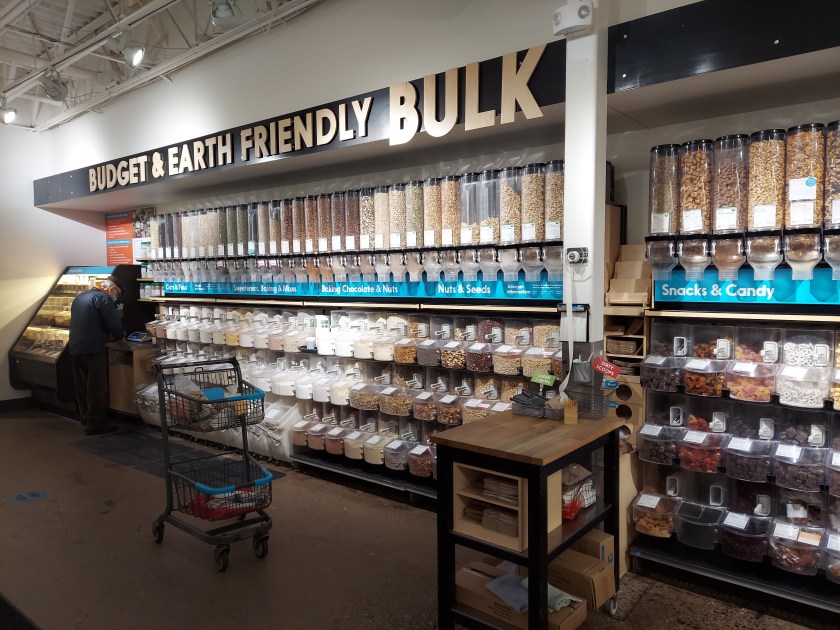
Refill your own containers in the bulk section of food co-ops.
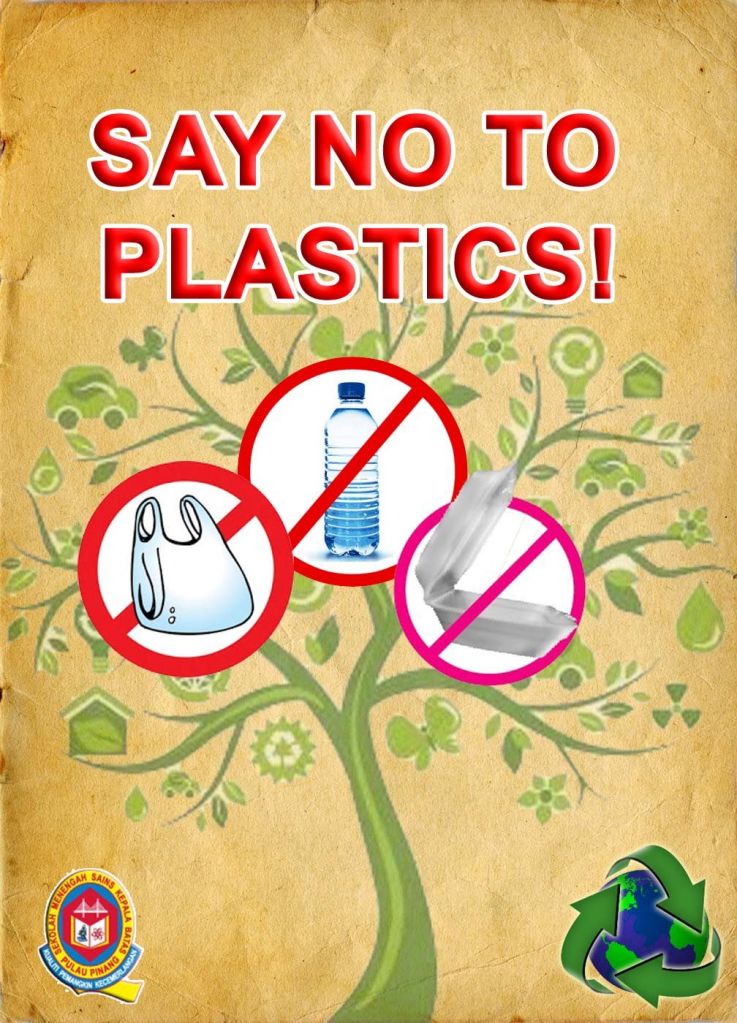
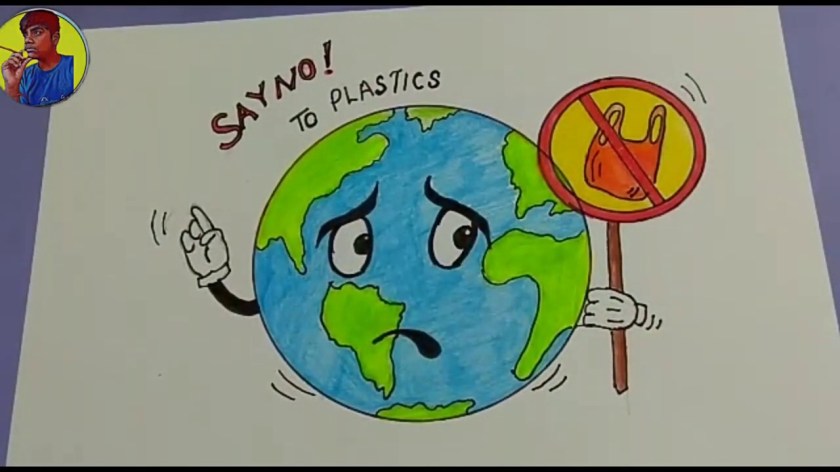
Reduce your plastic consumption!
“Zero-waste initiatives can foster sound waste management and minimize and prevent waste. This contributes to reducing pollution, mitigating the climate crisis, conserving biodiversity, enhancing food security and improving human health. The International Day of Zero Waste aims to promote sustainable consumption and production patterns and raise awareness about how zero-waste initiatives contribute to the advancement of the 2030 Agenda for Sustainable Development.
Humanity generates an estimated 2.24 billion tons of municipal solid waste annually, of which only 55 per cent is managed in controlled facilities. By 2050, this could rise to 3.88 billion tons per year. The waste sector is a significant contributor to greenhouse gas emissions in urban settings and biodiversity loss. Around 931 million tons of food is wasted each year, and up to 37 million tons of plastic waste is expected to enter the ocean annually by 2040.
The United Nations General Assembly formally recognized the importance of zero-waste initiatives and proclaimed 30 March as the International Day of Zero Waste, to be observed annually beginning in 2023.
Zero-waste initiatives can foster sound waste management and minimize and prevent waste. This contributes to reducing pollution, mitigating the climate crisis, conserving biodiversity, enhancing food security and improving human health.
The United Nations Environment Programme and UN-Habitat will facilitate the observance of the Day. All Member States, organizations of the United Nations system and relevant stakeholders are encouraged to implement zero-waste initiatives at local, regional, subnational and national levels.” The United Nations
Every day we should be working to reduce our exposure to plastic.
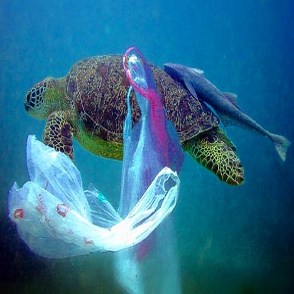
The tragic chemical spill in Palestine, Ohio highlights how dangerous plastic production is to the public. Plastic creates pollution from every stage of its life, from the extraction of fuel, to shipping and manufacturing, and then end of life disposal. Plastic is made from fossil fuels. Why would we want something made of fossils fuels to store our food, make our baby toys and bottles or line our water pipes. PVC pipes can leech chemicals into our drinking water. Plastic containers contain toxins and microfibers, and the disposal of plastic creates harmful pollution from burning, sitting in landfills or floating in our lakes, streams and oceans.
Producers of plastic need to be held responsible for the products they produce and the hazardous waste they create. This should include the production pollution created, the shipping and the disposal. This would save taxpayers lots of money!
Below is a sampling of op-eds that have been written on this deadly disaster.
The East Palestine disaster was a direct result of the country’s reliance on fossil fuels and plastic. The hazardous chemicals being transported by the derailed train — including vinyl chloride, a known carcinogen — are used to make PVC, the world’s third most used type of plastic, typically used in pipes to deliver drinking water, packaging, gift cards, and toys that kids chew on.
Plastic threatens human health at every stage of its life cycle, from the toxic substances released into the air during fossil fuel extraction, to the dangerous transport of these chemicals, to the plastic particles and toxins we consume from our food and drinking water, to the hazardous emissions from facilities burning or burying the waste after consumer use.
Every year, millions of trains with highly toxic cargo pass close to our homes, schools, and public spaces. This includes poisonous substances like vinyl chloride, as well as coal, oil, and gas. There are simple ways that state and national leaders can ensure that a disaster like this doesn’t happen again. This includes requiring better train braking systems and early warning systems. Some materials, like vinyl chloride, are toxic at every stage and should no longer be in use. Unfortunately, rail companies like Norfolk Southern continue to lobby to avoid regulation and safety measures, and they’ve also slashed their workforce, making an already risky situation even worse.
NY Times Op Ed by Rebecca Fuoco and David Rosner:
Freight trains typically transport more than two million carloads of hazardous materials each year, including many chemicals. Vinyl chloride is particularly dangerous and increasingly common, used primarilyto make polyvinyl chloride, better known as PVC, a hard plastic resin used to produce pipes, wire, cable coatings and packaging. We should begin phasing out the use of this chemical.
Plastics are common because they are cheap, lightweight, and versatile. More than one-third of plastics are used for packaging, including food packaging, grocery bags, and straws, which are all items that get tossed after one use. Plastic use has increased 20 times since the 1960s and will continue to increase if changes aren’t made.
The amount of plastic we use is problematic because:
Most plastics are made from oil. About 4% to 8% of the world’s oil production is for plastics.
Many plastics can’t be recycled. In Hennepin County, less than half of the total plastic generated is recycled.
Plastics collect in our lakes and rivers and break down into micro and nanoplastics. These are threats for birds and wildlife and have known and unknown concerns for human health.
Micro and nanoplastics have been found in our soil, water, and food. About 60% of microplastics come from high-income countries in the form of tire dust, pellets, textiles, and personal care products.
Your plastic footprint
When you’re starting a journey to use less plastic, a good first step is to quantify your personal impact. By estimating the waste you create, you can decide what to focus on during these four weeks. The Omni Calculator plastic footprint calculator is one such calculator that you could use.
Replacing disposables with reusables
Once you have a better idea how much plastic you use, get started today with these five simple swaps for single-use items:
Plastic bags: Start using your reusable bags for groceries, produce, and more, including clothing, shoes, gifts, or whatever you buy. Keep some bags near your door or in the car for easy access.Plastic storage baggies: Plenty of alternatives for plastic zip bags exist. Use reusable containers in glass, ceramic, metal, or choose reusable snack bags.Plastic utensils: Start by bringing your own reusable utensils for your home packed meals, then start refusing disposable utensils when they are offered in restaurants or to-go. Find a few reusable utensils at a thrift store if you don’t want to risk losing pieces of your regular set.Plastic wrap: Use reusable containers with lids for storing foods, place a plate over a bowl in the refrigerator, or try an option like beeswax cloth to wrap over the top of your containers.Straws: Cut back your use or eliminate plastic straws by using a reusable straw instead. Request no straw when you place orders in person or online.
As our planet continues to warm, we are facing many consequences. California is facing incredible rains, Europe has unheard of winter warmth, and where I live, we have smelly bad air warnings. We cannot throw up our hands and claim there is nothing we can do. Every activity we participate in affects our warming planet. Can we buy less, drive less, eat less meat and use less plastic? Little things make a big difference.
If you can, stay off the road two days a week or more. You’ll reduce greenhouse gas emissions by an average of 1,590 pounds (721 kilograms) per year [source: EPA]. It’s easier than you think. You can combine your errands — hit the school, grocery store and dog daycare in one trip. And talk to your boss about teleworking. It’s a boon for you and your company. But being car conscious also means maintaining your car on a regular basis. You can improve your gas mileage by 0.6 percent to 3 percent by keeping your tires inflated to the proper pressure, and be sure to make necessary repairs if your car fails emission [source: EPA].
Give Up Plastics
The statistics are shocking: People around the world buy 1 million plastic drinking bottlesevery minute, and use up to 5 trillion single-use plastic bags every year. Humans are addicted to plastic, and hardly any of it — about 9 percent — gets recycled. A staggering 8 million tons (7.25 metric tons) ends up in the ocean every year. Break the cycle. Stop buying bottled water. Say no to plastic shopping bags and use cloth bags instead. Don’t use plastic straws. Drink from a reuseable cup instead of a plastic one. Avoiding plastic can divert a ton of waste from the oceans and landfill.
Clean air and clean water are better for all of us. Buy less and drive less.
How can you turn food waste into a game! ideas for frittas, soup, rice bowls, wraps and grain bowls below.
We have a crisis of food waste in the United States. Households account too much wasted food. Not only does wasting food, waste valuable resources and lots of water, but also food in our landfills decomposes creating and giving off methane gas which is a harmful air pollutant contributing to global warming.
Melissa Clark for the New York Times is writing about ideas to deal with food waste
“Susan Shain’s recent article for The New York Times has jolted me back into my composting groove. She wrote about how an Ohio community substantially reduced its food waste, which is a huge contributor to greenhouse gases and responsible for twice as many emissions as commercial aviation in the United States. That’s a lot of emissions.
Households, she writes, “account for 39 percent of food waste in the United States, more than restaurants, grocery stores or farms. Change, then, means tackling the hard-wired habits of hundreds of millions of individuals, community by community, home by home.”
The statistics left me nowhere to hide. What we do in the kitchen can make a difference: creating meal plans, shopping with a list, composting and using up the leftovers.
This last one is my happy place. I turn it into a game, saving bits of this and that in little containers, then puzzling out how to use them to seed future meals.
That handful of sautéed kale, those roasted vegetables, a tranche of salmon fillet? Chop it all up and fold it into a creamy risotto for color and flavor, or make a base for a loaded frittata.
If you have a motley band of root vegetables softening in your produce drawer, perhaps from an overenthusiastic spree at the farmers’ market or a surprise bonanza from your CSA box, you can upcycle them into a warming, adaptable vegetable soup. Enlist your wilted or leftover greens; rutabagas, turnips and kohlrabi, come on in!
As for leftover dessert, a batch of brookies or bread pudding (made from stale bread). Let’s just say this is never an issue in my sweet-toothed family. We gleefully finish every crumb.
The first round of negotiations on a global treaty to halt plastic pollution has ended in a split on whether goals and efforts should be global and mandatory, or voluntary and country-led.
More than 2,000 delegates from 160 countries met in Uruguay for the first of a planned five sessions of the Intergovernmental Negotiating Committee (INC), a UN negotiating body aimed at crafting the first legally binding agreement by the end of 2024.
The world desperately need a plastics treaty and it will be a long process to agree to something. The chemical industry that produces plastic plans to make more and more plastic, and controlling a strong industry is difficult! They argue recycling is the answer, but they have done a terrible job making plastic recyclable and safe for the public. Recycling is not the answer, less than 9 percent has been recycled since plastic’s creation.
If there is one thing you do for your health, don’t drink bottled water!
Plastic particles are in our organs and blood streams. Plastic particles are in our babies when they are born. Plastic contains lots of toxics, I would avoid eating and drinking from plastic containers!





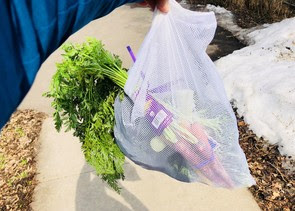 Plastic bags: Start using your reusable bags for groceries, produce, and more, including clothing, shoes, gifts, or whatever you buy. Keep some bags near your door or in the car for easy access.Plastic storage baggies: Plenty of alternatives for plastic zip bags exist. Use reusable containers in glass, ceramic, metal, or choose reusable snack bags.Plastic utensils: Start by bringing your own reusable utensils for your home packed meals, then start refusing disposable utensils when they are offered in restaurants or to-go. Find a few reusable utensils at a thrift store if you don’t want to risk losing pieces of your regular set.Plastic wrap: Use reusable containers with lids for storing foods, place a plate over a bowl in the refrigerator, or try an option like beeswax cloth to wrap over the top of your containers.Straws: Cut back your use or eliminate plastic straws by using a reusable straw instead. Request no straw when you place orders in person or online.


 Health4earth