Planet over Plastic

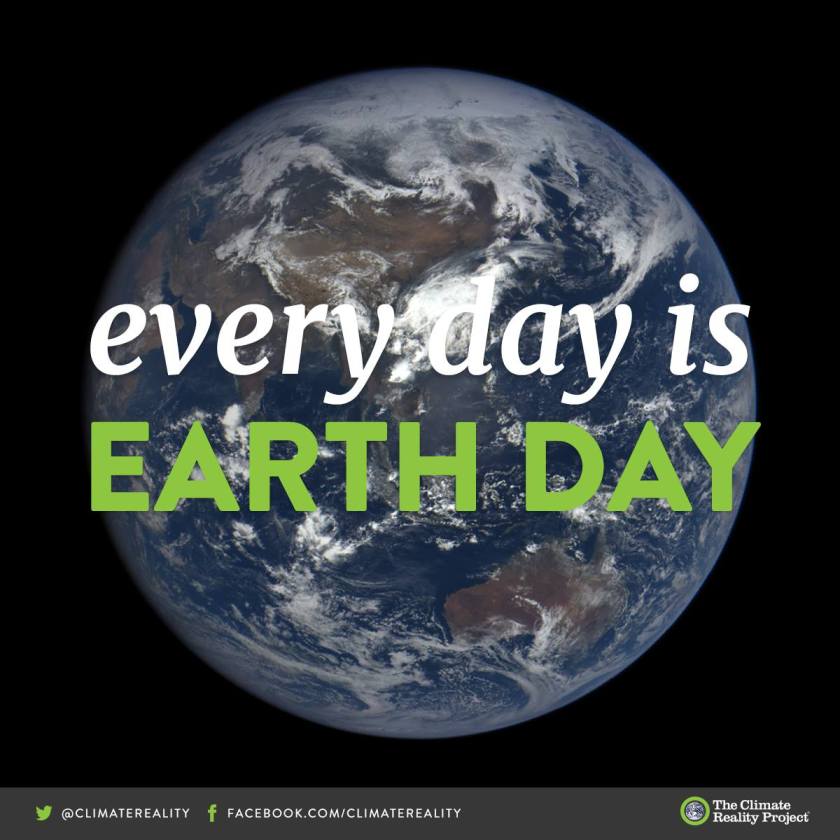
Happy Earth Day!

We all can make a difference by reducing our plastic footprint.

The theme for this year’s Earth Day is Planet VS Plastic. The hazards of plastic are great, and we all need to take steps to reduce the harmful effects of plastic pollution in our environment and bodies.

earth day

What will you do to help our warming planet?

Greenpeace has nothing to do with this post.

Things you should know about plastic:

  1. Plastic is made of fossil fuels and contains many toxic chemicals that are harmful to our health.
  2. These toxic chemicals leach into our food from plastic packaging.
  3. Plastics break down into microplastic. We each consume about a credit card of microplastic a week from our food and environment. These microfibers are found in our lungs, brains, blood and arteries.
  4. When plastic is recycled it becomes more toxic.
  5. 40% of plastic is single-use.
  6. The production of plastic continues to increase.
  7. If plastic were a country, it would be the 5th largest emitter of greenhouse gases. Much of plastic’s pollution affects minorities and people without power.
  8. Clothing with polyester and nylon contain plastic.
  9. The producers of plastic should be held responsible for the harm they create in the environment and our bodies.

By banning the worst forms of single-use plastic, holding plastic producers accountable for their waste, getting wasteful packaging off store shelves, and more — a future beyond plastic is possible.


1. Sandra Laville, “Single-use plastics a serious climate change hazard, study warns,” The Guardian, May 15, 2019.
2. “What do plastics have to do with climate change?” United Nations Development Programme, November 15, 2022.
3. Oliver Milman, “‘Deluge of plastic waste’: US is world’s biggest plastic polluter,” The Guardian, December 1, 2021.
4. “We know plastic pollution is bad — but how exactly is it linked to climate change?,” World Economic Forum, January 19, 2022.
5. “We know plastic pollution is bad — but how exactly is it linked to climate change?,” World Economic Forum, January 19, 2022.
6. “Reducing plastic waste in the states” U.S. PIRG, July 26, 2022.
7. Celeste Meiffren-Swango, Jenn Engstrom and Mark Morgenstein, “Statement: Amazon to phase out single-use plastic shipping bags,” Environment America, July 19, 2023. https://www.youtube.com/watch?v=80Rya-ZOJ7g (microplastics)

Future generations deserve a safe and healthy future, free from the plastic waste crisis — and we can make it happen.

Donate to non-profits working to end plastic pollution:

https://www.bennington.edu/center-advancement-of-public-action/environment-and-public-action/beyond-plastics

Plastic Pollution Coalition

The Story of Stuff https://www.storyofstuff.org/

Ways to reduce your plastic use:

  • Always carry a reusable glass or metal water bottle, and reusable shopping bags with you.
  • Learn to refuse single-use plastics, such as plastic water bottles and coffee cups, straws, plastic bags and plastic utensils. 
  • Purchase fruit and produce in the bulk section, and don’t place items in plastic bags. 
  • Always search out products in glass jars instead of plastic containers. 
  • When you must buy plastic products, choose ones that you can recycle rather than ones you must put in the trash. 
  • Bring your own containers and shop the bulk section of your local food coop.
  • Purchase clothing made from cotton and wool instead of polyester or poly fibers. https://www.npr.org/2023/07/19/1188343293/is-toxic-fashion-making-us-sick-a-look-at-the-chemicals-lurking-in-our-clothes
  • Store food in glass containers instead of plastic.
  • Ditch the baggies!

Plastics Treaty

We need the United States to support a strong plastic’s treaty. Use the link below to demand strong leadership from the USA for this treaty.

We need swift and urgent action. Plastic pollution is a global problem in need of global solutions. Plastic production, use, and disposal threaten Earth’s communities, air, water, biodiversity, and soils. With the UN’s Global Plastics Treaty negotiations now underway, the US government (USG) has the unique opportunity to play a key role in the change we need on a worldwide level: instead of leading the world in generating the plastic pollution crisis, it’s time for the USG to lead by forging ambitious solutions. Read full letter at this link: Letter to U.S. Government Officials involved in UN Global Plastics Treaty negotiations

Can you join me and take action? Click here: https://actionnetwork.org/petitions/global-plastics-treaty-us?source=email&

Thanks!

Tips to fight food waste

Waste less food: Food Waste Prevention Week is April 1-7

One trillion dollars of food is wasted yearly. We can all do better!

People are starving in Gaza, Sudan, Syria and other places in the world, let’s not waste food.

**Why is reducing food waste so important?

It saves Money

Wasting food is expensive. Every year, Americans lose more than $218 billion on wasted food. In Florida, the average family of four throws out around $1,600 worth of food annually. Households are responsible for the most wasted food. If we begin to reduce and prevent food waste, we can save that money that is wasted on spoiled food.

It reduces hunger in our communities

In the US, approximately 40% of all food grown and produced is never eaten. That’s a lot of food wasted that could go to people that don’t have access to food. 1 in 5 people lack consistent access to nutritious food, while up to 3 million tons of wasted food goes to landfills annually. Recovered food provides an additional source of nutritious food.

It protects the environment

Reducing food waste is the #1 personal action to reduce greenhouse gas emissions, while safeguarding critical natural resources. When food is wasted, it goes into a landfill. Once in a landfill, food waste breaks down and emits greenhouse gasses, including carbon dioxide (CO2) and methane (CH4). Methane is 30 times more potent than carbon dioxide, making it more damaging to the environment. If we reduce food waste, we could save the environment from this damage.

What Can I Do?

At home
  • Save leftovers and store/freeze food in portion-ready containers
  • Cook only what is needed for that meal
  • Make one night a weekly “leftover” night to empty the refrigerator before shopping again
  • Audit what you throw away; it will influence your next shopping trip
  • Keep kitchen essentials on hand (grains, spices, sauces) that bring new life to old meals
  • Freeze ripe fruits and vegetables for baking, cooking and filling in gaps in recipes
  • Compost 
At the grocery store
  • Plan menus for the week and prepare a shopping list
  • Stick to your shopping list
  • Match your shopping to the reality of your week
  • Buy smaller quantities, if appropriate, to avoid spoilage and waste
  • Don’t shop hungry
  • Pay in cash so the amount your spending is tangible
  • If you bought items that you won’t use, donate them before the expiration date

At work
  • If you bring a lunch, bring only what you will eat
  • In the case of leftovers, save for the next day, if you have a work refrigerator
  • If you brought too much, share with others
  • If ordering takeout/delivery, save leftovers or share an order
  • Bring leftovers from dinner last night

Check out these resources to reduce food waste and spread the word with your community, https://stopfoodwaste.ecochallenge.org 

**This information is from the city of Minneapolis and Hennepin County

https://www.ecowatch.com/global-food-waste-un-report.html

Microplastics, a Problem!

Microplastic particles are found everywhere on the planet. They are in the air, water, and soil, and they are in us, in every organ of our bodies. This cannot be healthy and we need to decrease our exposure to plastic.

A new study on microplastics finds evidence that that micro plastics could be the cause of heart attacks and strokes. Scary stuff!

Scientists have long known that microplastics can infiltrate the human body. But they didn’t know what the presence of these tiny plastic particles might mean for human health. Until now. A new study published in the New England Journal of Medicine finds that people with microplastics in their heart are at higher risk for heart attack, stroke, and death.

Easy ways you can reduce your plastic footprint:

  • Always carry a reusable glass or metal water bottle, and reusable shopping bags with you.
  • Learn to refuse single-use plastics, such as plastic water bottles and coffee cups, straws, plastic bags and plastic utensils. 
  • Purchase fruit and produce in the bulk section, and don’t place items in plastic bags. 
  • Always search out products in glass jars instead of plastic containers. 
  • When you must buy plastic products, choose ones that you can recycle rather than ones you must put in the trash. 
  • Bring your own containers and shop the bulk section of your local food coop.
  • Purchase clothing made from cotton and wool instead of polyester or poly fibers. https://www.npr.org/2023/07/19/1188343293/is-toxic-fashion-making-us-sick-a-look-at-the-chemicals-lurking-in-our-clothes
  • Store food in glass containers instead of plastic.
  • Ditch the baggies!

Invest in Women

International Women's Day

https://www.un.org/en/observances/womens-day

From the United Nations:

Here are five key areas needing joint action:

  • Investing in women, a human rights issue: Time is running out. Gender equality is the greatest human rights challenge, benefiting everyone.
  • Ending poverty: Due to the COVID pandemic and conflicts, 75 million more people have fallen into severe poverty since 2020. Immediate action is crucial to prevent over 342 million women and girls living in poverty by 2030.
  • Implementing gender-responsive financing: Conflicts and rising prices may lead 75% of countries to cut public spending by 2025, negatively impacting women and their essential services.
  • Shifting to a green economy and care society: The current economic system disproportionately affects women. Advocates propose a shift to a green economy and care society to amplify women’s voices.
  • Supporting feminist change-makers: Despite leading efforts, feminist organizations receive only 0.13% of official development assistance.

This International Women’s Day, let’s unite to transform challenges into opportunities and shape a better future for all!

Contribute to Peace

I’m for anything that is peaceful and kind. Get outside in March and please contribute peace to a Mindful March

Mindfulness helps us respond more wisely, especially in difficult times. So let’s pause, breathe and choose to live mindfully this month. By cultivating inner peace we can contribute to peace in the world around us too.

Look for beauty and live with awareness and kindness every day!

Consumer Reports

Producers of packaging need to be held responsible for how they are exposing consumers to harmful chemicals.

Chemicals in plastic packaging can leak into our food. Also, the plastic breaks into tiny particles (microfibers) that we consume when we are eating. None of this can be healthy for the consumer.

Harmful material in our food is upsetting. Producers of plastic need to be held responsible for the packaging they use. Corporations think they should regulate themselves. That is clearly not working! We need tough standards for our food packaging, but also in cosmetics, toys and other packaging as well.

Consumer Reports sent a letter to General Mills this week over relatively high levels of plastic chemicals called phthalates found in several products, including Cheerios, Yoplait, Progresso vegetable soup and cans of Annie’s organic cheesy ravioli.

Phthalates are “plasticizers” used in the production of plastic to make them stronger and softer and are commonly used in vinyl flooring, shampoos and plastic packaging. Health impacts in humans need further study, says the Centers for Disease Control and Prevention, but scientists have found strong associations between chronic exposure and issues with reproductive systems and child development.

Read the entire article:

Just a year ago, the board at General Mills said that General Mills needed to reduce the plastic in their packaging https://foodindustryexecutive.com/2022/09/general-mills-shareholders-support-plastic-reduction-proposal-preliminary-results/

More articles:

Walter Morris, “Hyattsville residents raise concerns about plastic pellets spilled in train derailment,” NBC4 Washington, October 3, 2023.
2. Neel Dhamesha, “The massive, unregulated source of plastic pollution you’ve probably never heard of,” Vox, May 6, 2022.
3. Karen McVeigh “Nurdles: the worst toxic waste you’ve probably never heard of,” The Guardian, November 29, 2021.
4. Karen McVeigh, “Nurdles: the worst toxic waste you’ve probably never heard of,” November 29, 2021.
5. Lisa Frank, “New bill would stop companies from dumping plastic,” U.S. PIRG, May 25, 2022.
6. “Our waters shouldn’t be dumping grounds for plastic,” U.S. PIRG, October 3, 2023.
7. Doyle Rice, “Oh, yuck! You’re eating about a credit card’s worth of plastic every week,” USA Today, June 12

The Year of the Dragon

Happy New Year!

Wishing you good luck and good fortune in 2024, the year of the dragon.

The Vietnamese are so happy traveling home, decorating, planting red and gold flowers. I have been in Vietnam for the past month and loved their excitement.

We can learn something from them: Be kind, be happy, honor our ancestors, and eat healthy food

Red and gold decorations and red and gold flowers.

The year of the dragon

Vietnamese flag

A beautiful country

Cave of the Buddhas in Laos

Seven story pagoda

https://www.chinahighlights.com/travelguide/special-report/chinese-new-year

Plastic in our Food and Water

Many reasons to use a non-plastic reusable water bottle.

New studies on plastic start to emerge.

In a trailblazing new study, researchers have discovered bottled water sold in stores can contain 10 to 100 times more bits of plastic than previously estimated — nanoparticles so infinitesimally tiny they cannot be seen under a microscope.

Disposed plastic water bottles blanket a beach in New Taipei, Taiwan in 2022.

The plastic water bottle industry is booming. Here’s why that’s a huge problem

At 1,000th the average width of a human hair, nanoplastics are so teeny they can migrate through the tissues of the digestive tract or lungs into the bloodstream, distributing potentially harmful synthetic chemicals throughout the body and into cells, experts say.

One liter of water — the equivalent of two standard-size bottled waters — contained an average of 240,000 plastic particles from seven types of plastics, of which 90% were identified as nanoplastics and the rest were microplastics, according to the new study. https://www.cnn.com/2024/01/08/health/bottled-water-nanoplastics-study-wellness/index.html?utm_term=17051508781315d4f59f626ee&utm_source=cnn_Weekly+LBB+Automated&utm_medium=email&bt_ee=uul4Fxg9FZKZA30rzJn08%2BUBxjUR1MOAuPwj1fjq3OFfXysulwJVn0gwksla8rm%2B&bt_ts=1705150878134 Source CNN

And from Consumer Reports:

Another new report finds that 84 out of 85 supermarket foods and fast foods had plastic chemicals in them — including cereal, yogurt and even baby food.1

We shouldn’t be so nonchalant about harmful chemicals in the food we eat, and especially not in the food we serve to babies.

Tell the U.S. Food and Drug Administration: Test for, limit and, wherever possible, eliminate plastic chemical contamination in food.

Among the chemicals found in the food were “plasticizers” like BPA, once found in so many plastic water bottles, and phthalates, a chemical used to make plastic more durable.

Companies have allowed these plasticizers into a dizzying range of food products. But they seem to have forgotten to ask themselves: Should we?

After all, chronic exposure to plasticizers can disrupt the production and regulation of estrogen and other hormones, and potentially increase the risk of birth defects, cancer, diabetes, infertility, neurodevelopmental disorders, obesity and other health problems.2

We can’t keep letting companies get away with this “ask for forgiveness, not permission” approach to harmful substances in our food.

Join PIRG in urging the FDA to help get plastic chemicals out of our food. Add your name

1. Jonathan Stempel, “Consumer Reports finds ‘widespread’ presence of plastics in food,” Reuters, January 4, 2024

Plastic and Human Health

I hope we can all start the year with hope for peace and joy and a healthier cleaner planet. Every action we take matters Our collective actions, can contribute to positive change and help us to feel we are making a difference, and we are!

If plastic were a country, it would be the fifth largest emitter of green house gases!

Easy ways you can reduce your plastic footprint:

  • Always carry a reusable glass or metal water bottle, and reusable shopping bags with you.
  • Learn to refuse single-use plastics, such as plastic water bottles and coffee cups, straws, plastic bags and plastic utensils. 
  • Purchase fruit and produce in the bulk section, and don’t place items in plastic bags. 
  • Always search out products in glass jars instead of plastic containers. 
  • When you must buy plastic products, choose ones that you can recycle rather than ones you must put in the trash. 
  • Bring your own containers and shop the bulk section of your local food coop.
  • Purchase clothing made from cotton and wool instead of polyester or poly fibers. https://www.npr.org/2023/07/19/1188343293/is-toxic-fashion-making-us-sick-a-look-at-the-chemicals-lurking-in-our-clothes
  • Store food in glass containers instead of plastic.
  • Ditch the baggies!

Why you should reduce your plastic exposure?

From Beyond Plastic:

file:///C:/Users/healt/Downloads/Plastics+and+Human+Health+Dec+2023.pdf

Over 98% of plastics are made from fossil carbons such as oil and gas. Turning these substances into plastics involves the addition of petrochemical additives – quite a lot of them. Over 13,000 chemicals are known to be involved in the production of plastic.
More than 2300 of these are “chemicals of concern.” Some are highly toxic, and
include carcinogens, neurotoxicants, and endocrine disruptors. These chemicals pose serious risks to human health because they can leach or migrate at every stage of plastics’ life cycle.

Food Packaging: When food or beverage is packaged in plastic, chemical
additives can leach into what we eat.

Microplastics: Plastics don’t biodegrade; they break up into smaller and
smaller pieces known as micro- and nanoplastics, which are so small that they
become caught up in the air we breathe, the water we drink, and the food we
eat. These pieces are present almost everywhere researchers have ever
looked, including inside the human body. Scientists have detected plastic
particles in human lung tissue, intestinal tissue, blood, breast milk, the muscle
of the heart, and both sides of the placenta – including inside fetuses and
newborn babies.


Cell damage: Plastic particles inside the body can irritate, inflame, and even
puncture cells. This is especially concerning in the intestine and lung, where
microplastics make direct contact with thin, sensitive tissue.


Chemical leaching: Microplastics never stop leaching their chemical contents.
Once they are inside the human body, they can act like tiny trojan horses,
spilling out chemical additives for as long as they are present.
Over 98% of plastics are made from fossil carbons such as oil and gas. Turning these substances into plastics involves the addition of petrochemical additives – quite a lot of them. Over 13,000 chemicals are known to be involved in the production of plastic.
More than 2300 of these are “chemicals of concern.” Some are highly toxic, and
include carcinogens, neurotoxicants, and endocrine disruptors. These chemicals pose serious risks to human health because they can leach or migrate at every stage of plastics’ life cycle.

Cancer: Many of the chemical additives in plastics are known to cause cancer.
Bisphenol A, phthalates, and polyvinyl chloride, for instance, are welldocumented carcinogens.


Endocrine Disruption: A great number of additives mimic hormones and
disrupt signaling throughout the body. They can scramble appetite cues and
metabolism, leading to obesity, diabetes, high blood pressure, and heart
disease. They can hijack reproductive signals, speeding puberty, lowering
sperm counts, and prompting infertility. Endocrine disruptors are also
associated with cancer – especially breast, prostate, and testicular cancers.
Neurological Effects: Endocrine disruption can disturb brain development,
leading to lower IQ, ADHD, and autism-spectrum disorders.
Go to http://www.beyondplastics.org and email us at beyondplastics@bennington.edu
to learn about the tools we have to reduce our exposure to harmful plastics and petrochemicals.
Besides limiting your own personal plastic use, what can be done?
Nearly half of all plastics manufactured today are single use items and
packaging. Legislation that reduces the production of these items and
mandates extended producer responsibility will go a long way toward
relieving health risks. It is vital that lawmakers regulate the chemical content
and toxicity of plastic. Many of the chemicals used to manufacture plastic are
unnecessary and can be banned and substituted with safer alternatives.
The brains and bodies of infants, fetuses, and small children undergo
exquisitely complicated and carefully timed changes. When these are
disrupted, the effects can be permanent – and profound. Infants and fetuses
also face risks of prematurity, stillbirth, low birth weight, birth defects of the
reproductive organs, impaired lung growth, and childhood cancer.