Earth Overshoot

On July 24, we had used all the resources that the Earth can generate in a year. We are using more resources than we can replace, or living on borrowed time.
The day we want to reach is December 31.

How can we use ;ess resources

From the Carbon Almanac. On July 24 we hit Earth Overshoot Day for 2025. Earth Overshoot Day is noted every year and the date is announced on World Environment Day. It marks the day when “humanity’s demand for ecological resources and services … exceeds what Earth can regenerate in that year”. Global Footprint Network, a research organization focused on the operation of the human economy within the Earth’s ecological limits, hosts and calculates when Earth Overshoot Day will occur, with this year showing that humanity is using the planet’s resources 80% faster than ecosystems can regenerate. July 24 is the earliest in the year that Earth Overshoot Day has fallen, with past dates going back to 1971. In those 54 years, humanity reached its overshoot day on December 31 once, in 1972. 

Calculations for overshoot day are based on the National Footprint and Biocapacity Accounts, and this year’s calculations revealed that due to the ocean’s reduced capacity to store carbon, an increase in per capita Footprint and a reduced per capita biocapacity, Earth Overshoot Day fell eight days earlier than it did in 2024. In addition to Earth Overshoot Day, Country Overshoot Days are also calculated each year, seen here. These dates represent when the planet’s ecological resource budget would be used up if every place on Earth consumed at the same level as residents in that particular country. 

Credit: Global Footprint Network 2025, www.overshootday.org and www.footprintnetwork.org.

A campaign working to reduce the strain on the Earth’s resources and bring humanity’s consumption into better balance is #MoveTheDate. The goal is to move the date of Earth Overshoot Day to December 31 or later every year, ensuring that the resources taken from the planet can be sustainability regenerated by the ecosystems. Solutions range across five major areas: planet, cities, energy, food and population. This solutions map tracks solutions being implemented across the world. Check it out to see if there are any near you. 

Visit the Earth Overshoot Day website to learn more about how it is calculated, as well as the economic and ecological implications of humanity’s continued overuse of resources. 

My Five things you can do:

Strive for zero waste–Reuse, Reuse, Reuse and Refuse!

Drive Less

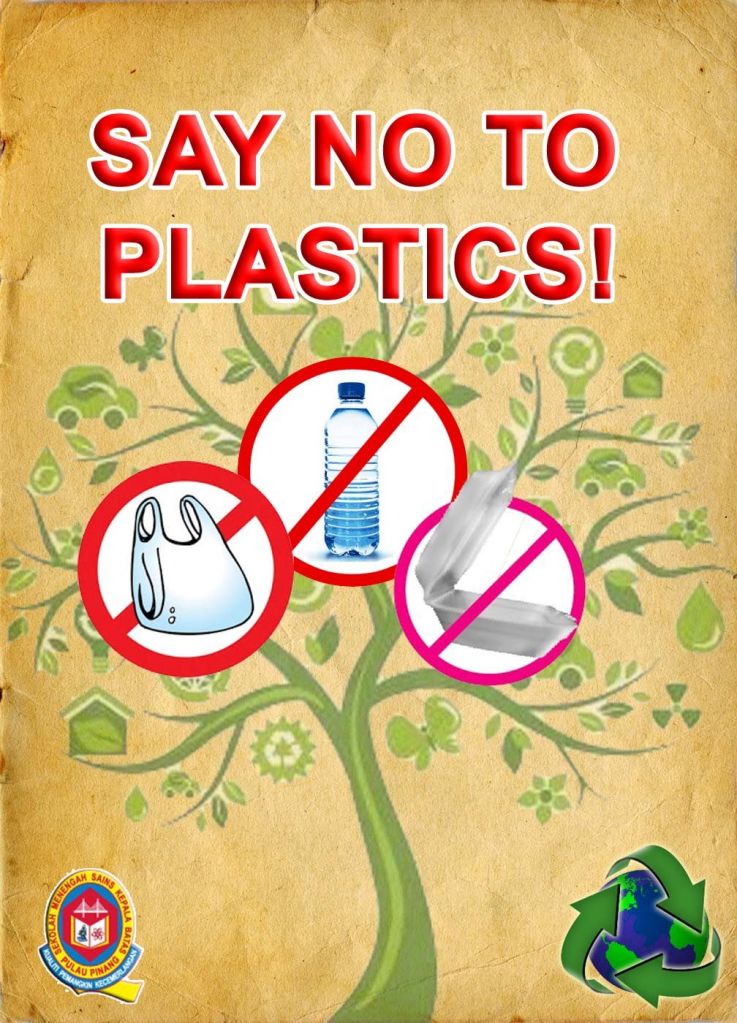
Reduce your plastic footprint–No single use plastic!

Plant native plants and raingardens without chemicals!

Don’t waste food.

Blue Zones and Our Planet

The choices we make for food are some of the most powerful we make for the planet. Reducing our meat consumption, reducing foot waste, and reducing plastic packaging make a huge impact.

This is such a thoughtful Earth Day post by Dan Buettner. I need to share it! Enjoy.

“On the places where people live the longest, Earth Day isn’t a date on the calendar.

It’s a way of life.

In Ikaria, Greece, families gather around tables that haven’t changed much in generations—bowls of beans, fresh vegetables, wild herbs, and homemade bread. In Okinawa, Japan, elders still tend small garden plots, growing the same nutrient-rich foods they’ve eaten since childhood. In Nicoya, Costa Rica, meals are cooked slowly, with care—and rarely, if ever, wasted.

No compost bins. No food miles calculators. Just deeply rooted habits that naturally care for the Earth.

1. The quiet climate action on your plate

Globally, what we eat has a bigger impact on the planet than how we commute or what we recycle. But in blue zone communities, where chronic disease is rare and centenarians are common, food systems look strikingly different from the modern industrial model.

People grow what they can, shop close to home, and cook meals from scratch. It’s not about perfection—it’s about patterns. These aren’t grand gestures or sweeping declarations of sustainability. They’re quiet, everyday acts: soaking beans overnight. Picking greens before lunch. Making soup with what’s left in the fridge.

Over time, those patterns add up—not just to better health, but to a lighter impact on the Earth.

2. Plants, beans, and the power of simplicity

At the heart of every long-lived kitchen is a humble foundation: beans. Black beans in Nicoya. Garbanzo beans in Ikaria. Soybeans in Okinawa. They’re eaten nearly every day, often with greens, grains, or root vegetables.

This isn’t just a healthy way to eat—it’s one of the most sustainable. According to environmental researchers, shifting toward a plant-forward diet can significantly reduce greenhouse gas emissions, conserve water, and use less land.

And yet, the secret isn’t just what’s on the plate. It’s the simplicity of it. Meals are built around a few affordable, nourishing ingredients. They’re not flashy, but they’re deeply satisfying—and deeply kind to the planet.

3. Homegrown, seasonal, and slow

Long before “farm-to-table” became a restaurant trend, it was simply how people ate. In blue zones, food is closely tied to the rhythms of the land. Tomatoes are eaten in summer. Squash in fall. Greens in spring. Root vegetables in winter.

Backyard gardens are common. So are farmers’ markets and community exchanges, where excess harvests are shared instead of tossed. Eating this way naturally cuts down on packaging, long-haul transportation, and overprocessing.

But more than that, it builds connection—to the Earth, to the seasons, and to each other. In every longevity hotspot, food isn’t just fuel. It’s a daily relationship with the land.

4. Fewer packages, more presence

A meal made from scratch doesn’t just nourish your body. It also avoids the packaging, additives, and excess waste that come with processed convenience foods.

In blue zones, people rarely rely on single-use plastics or highly packaged meals. Leftovers are stored in reused jars. Lunches are wrapped in cloth. Bread is baked, not bought. There’s a natural resourcefulness that comes from making do with what you have—and wasting as little as possible.

But the deeper benefit might be this: when meals take time, they also become something to slow down for. Cooking becomes a ritual. Eating becomes a shared experience. And in a world that often feels rushed, that presence is a gift—to both you and the planet.

5. A better way, one bite at a time

You don’t need to grow your own food or cut out all packaging to make a difference. Start with what feels doable.

Try cooking one plant-forward meal each day. Choose in-season produce when you can. Make beans in big batches. Learn one simple recipe that becomes your new staple. Keep a cloth tote in your car. Compost your scraps if you’re able.

Small changes, done consistently, can be powerful. And they often ripple out—toward better health, deeper joy, and a gentler impact on the Earth.

This Earth Day, remember: the way we eat is one of the most personal—and powerful—climate choices we make.

And if it also adds years to your life? Even better.
” Dan Buettner

In the blue zone of Sardinia, akentannos is a toast often used. It means ‘May you live to be 100 years.’

Akentannos!

…And tread lightly on our Earth!

Resolutions for Eating

Reducing food waste is SO important!

Melissa Clark is an extraordinaire food writer for the New York Times. She has set her food resolutions for 2025.

She is missing the most important food resolution: REDUCE your food waste! Food waste is an enormous waste of energy. time and water. Food waste is an enormous contributor to our climate crisis. Read about it here:

And then read Melissa’s resolutions below:

3 resolutions for eating and drinking in 2025

New Year’s resolutions are fast upon us, and chances are that your list will include some version of trying to eat better. I’m here to help.

Food is both my profession and my obsession, which means it’s my job to consume delicious things every single day, reveling in each bite of tangy arugula saladsilky roasted salmon or gooey blackout cake. The key for me is to maximize the pleasure while also leaning into moderation, and to generally eat more sustainably.

I want to share this balancing act with you. Here’s my approach, broken down into easily digestible morsels.

1. Learn to cook something — or something new.

If you’re just starting out in the kitchen, make 2025 the year you learn to cook. The recipe columnists and editors at New York Times Cooking have compiled a recipe collection for absolute beginners, and in the course of 10 dishes you’ll acquire basic skills to bolster your confidence.

Start with Eric Kim’s tuna mayo rice bowl, which doesn’t even require turning on the stove if you have leftover rice or a rice cooker. Genevieve Ko’s cheesy eggs on toast is equally good for breakfast as it is for dinner. And my lemony chicken with potatoes and oregano is easy to make on a sheet pan, and it’s just the thing to slather with your favorite condiment, be it chile sauce, mayonnaise, mustard or all three.

Keeping your pantry well stocked will get you halfway there — and here are some tips on how to do just that. Even on nights when I don’t have time to plan or run to the store, I know I’ll still be able to cook something incredibly satisfying that’s often faster and cheaper than getting takeout.

If you’re a seasoned cook but feel tapped out for inspiration, commit to making one new recipe per month. You get bonus points if it includes ingredients or techniques you’ve never tried before. Dishes like one-pot mushroom and ginger rice (which calls for velveting the mushrooms) and crunchy scrunched cabbage salad with fried almonds are just waiting to help you get back in your groove. You can also sign up for our What to Cook newsletter for even more suggestions.

2. Eat less meat.

Cutting back on meat gets easier for me as the years go by. As it turns out, the less meat I eat, the less of it I crave. (That is sadly untrue of cookies, though.) And replacing animal-based foods with whole grains, legumes and nuts has been linked to a lower risk of Type 2 diabetes and cardiovascular disease.

Now, I mostly use meat as seasoning for vegetables, beans or pasta. A little prosciutto, a sprinkle of bacon or a few ounces of ground turkey go a long way.

Maple-roasted tofu with butternut squash and baconspicy tomato white bean stew, and one-pot tortellini with prosciutto and peas all keep the meat minimal and the satisfaction high. (For some meatless recipe ideas, subscribe to my colleague Tanya Sichynsky’s vegetarian newsletter, The Veggie.)

3. Drink less alcohol.

Drinking more moderately is about emphasis in my book. I’ve come to realize that drinking more low- or no-alcohol cocktails and mocktails is just as satisfying as drinking alcohol.

I’ve also discovered that the ceremony of having a drink is just as important as what’s in the glass, if not more so. Give me something with a deep bittersweet tang in a fancy coupe as a gateway to a congenial evening, and I won’t ever miss the hangover.

A sweet and citrusy nonalcoholic French 75, an olive filled nonalcoholic dirty lemon tonic and a ruby-hued hibiscus fizz are fit for festive toasting or quiet imbibing, whatever the occasion.

2025 is looking delicious, indeed.

Tips to fight food waste

Waste less food: Food Waste Prevention Week is April 1-7

One trillion dollars of food is wasted yearly. We can all do better!

People are starving in Gaza, Sudan, Syria and other places in the world, let’s not waste food.

**Why is reducing food waste so important?

It saves Money

Wasting food is expensive. Every year, Americans lose more than $218 billion on wasted food. In Florida, the average family of four throws out around $1,600 worth of food annually. Households are responsible for the most wasted food. If we begin to reduce and prevent food waste, we can save that money that is wasted on spoiled food.

It reduces hunger in our communities

In the US, approximately 40% of all food grown and produced is never eaten. That’s a lot of food wasted that could go to people that don’t have access to food. 1 in 5 people lack consistent access to nutritious food, while up to 3 million tons of wasted food goes to landfills annually. Recovered food provides an additional source of nutritious food.

It protects the environment

Reducing food waste is the #1 personal action to reduce greenhouse gas emissions, while safeguarding critical natural resources. When food is wasted, it goes into a landfill. Once in a landfill, food waste breaks down and emits greenhouse gasses, including carbon dioxide (CO2) and methane (CH4). Methane is 30 times more potent than carbon dioxide, making it more damaging to the environment. If we reduce food waste, we could save the environment from this damage.

What Can I Do?

At home
  • Save leftovers and store/freeze food in portion-ready containers
  • Cook only what is needed for that meal
  • Make one night a weekly “leftover” night to empty the refrigerator before shopping again
  • Audit what you throw away; it will influence your next shopping trip
  • Keep kitchen essentials on hand (grains, spices, sauces) that bring new life to old meals
  • Freeze ripe fruits and vegetables for baking, cooking and filling in gaps in recipes
  • Compost 
At the grocery store
  • Plan menus for the week and prepare a shopping list
  • Stick to your shopping list
  • Match your shopping to the reality of your week
  • Buy smaller quantities, if appropriate, to avoid spoilage and waste
  • Don’t shop hungry
  • Pay in cash so the amount your spending is tangible
  • If you bought items that you won’t use, donate them before the expiration date

At work
  • If you bring a lunch, bring only what you will eat
  • In the case of leftovers, save for the next day, if you have a work refrigerator
  • If you brought too much, share with others
  • If ordering takeout/delivery, save leftovers or share an order
  • Bring leftovers from dinner last night

Check out these resources to reduce food waste and spread the word with your community, https://stopfoodwaste.ecochallenge.org 

**This information is from the city of Minneapolis and Hennepin County

https://www.ecowatch.com/global-food-waste-un-report.html

Make Thanksgiving Plastic-Free

Six ideas to help you reduce your plastic this Thanksgiving from my friends at Beyond Plastic

1. Choose Scratch Over Store-Bought

Most store-bought dishes from supermarkets and restaurants will be packaged in plastic containers. To avoid the unnecessary plastic, focus on cooking from scratch. Ingredients like vegetables, flour, butter, and nuts can be commonly found in non-plastic packaging. For items like nuts and dried fruits, see if your local market, co-op or health food store has a bulk section and bring your own bags to fill up! When faced with a choice of packaging, choose glass or paper over plastic. If you’re looking for inspiration, see our (newly expanded) recipe suggestions below.

2. Shop Local

Shopping locally not only reduces your meal’s carbon footprint, but you can bring your own bags and containers and you’re less likely to encounter plastic packaging than at your grocery store. Small businesses also need our support more than ever during the pandemic. Give your community your thanks by supporting each other!

If you don’t have the time or inclination to make pumpkin, pecan, or apple pie from scratch, check your local bakery.  While you’re there, pick up the bread you’ll need to make your stuffing and bring it all home in your reusable bags. Visit your local farmers market to pick up potatoes, squash, sweet potatoes, carrots, onions, greens, and more. If your farmers market is closed for the season, many CSAs (community supported agriculture) also offer a special one-time Thanksgiving share of goodies to anyone, even if you’re not a subscriber. 

3. Use Sustainable Decor

Forget the dollar store, make the perfect fall decor for your table setting with things from your backyard and local farm stand. Pressed leaves and pumpkins make for great wall and table adornments! Check out some DIY ideas here. And don’t forget to get the kids involved!

4. Serve on Reusable Dishes & Dinnerware 

Plastic utensils and cups end up in landfills, incinerators, or waterways where they can pose a threat to wildlife. Set your table with a beautiful tablecloth, ceramic or metal plates, cups, serving platters, metal utensils (got a set of silverware from your parents or grandparents you can bust out?), and cloth napkins. This can also include glass pitchers or bottles for drinks. If your family enjoys seltzer, consider investing in a SodaStream or other carbonation machine (tip: choose the model that comes with glass bottles over plastic). If you have kids, assign them the task of polishing silver—they may find it deeply satisfying. Sticking to reusables only will not only reduce your waste but also save you money. Get family or friends to help wash anything delicate that can’t go in the dishwasher and toss all your cloth items in the washing machine afterwards. No muss, no fuss, and, more importantly, no WASTE.

5. Provide or Bring Reusable Containers for Leftovers

Going to family or friend’s home for dinner? Bring your own glass or metal containers to cart home some delicious leftovers. There are also some great beeswax-coated fabric wraps out there these days that can take the place of plastic wrap or tinfoil. If you are hosting the dinner, remind guests to bring reusable containers with them. If you have extras to spare (say from all those take-out containers you saved during COVID lockdown), you can offer them to guests who’ve forgotten to bring their own. If you haven’t yet invested in glass or metal containers, don’t let that stop you – just bring plastic tupperware or clean yogurt containers, etc., but make sure not to heat anything up in those containers later to avoid the chemical leaching that occurs when hot food comes into contact with plastic. If you do use aluminum foil, when you’re done, don’t forget to gently clean and dry it and save it to use again.

6. Compost!

Compost any scraps from cooking or leftovers that aren’t being saved, as well as any compostable decor you’ve put up or used on the table once you tire of it. Reminder, if your Thanksgiving dinner includes a turkey, make stock out of the carcass before you compost it—you can make an excellent, very flavorful turkey soup or freeze it for months. If you’re not sure what can and can’t be composted, check out this helpful list. If you don’t have a backyard compost, see if your city or town has a local composting system. If they don’t, look into how to start one. HINT: This could be a great project for a Beyond Plastics Local Group or Affiliate to take on.


RECIPE SUGGESTIONS (expanded for 2023!)

New Year, Less Food Waste

40% of food is wasted in the United States!

How can you turn food waste into a game! ideas for frittas, soup, rice bowls, wraps and grain bowls below.

We have a crisis of food waste in the United States. Households account too much wasted food. Not only does wasting food, waste valuable resources and lots of water, but also food in our landfills decomposes creating and giving off methane gas which is a harmful air pollutant contributing to global warming.

Melissa Clark for the New York Times is writing about ideas to deal with food waste

Susan Shain’s recent article for The New York Times has jolted me back into my composting groove. She wrote about how an Ohio community substantially reduced its food waste, which is a huge contributor to greenhouse gases and responsible for twice as many emissions as commercial aviation in the United States. That’s a lot of emissions.
Households, she writes, “account for 39 percent of food waste in the United States, more than restaurants, grocery stores or farms. Change, then, means tackling the hard-wired habits of hundreds of millions of individuals, community by community, home by home.”
The statistics left me nowhere to hide. What we do in the kitchen can make a difference: creating meal plans, shopping with a list, composting and using up the leftovers.
This last one is my happy place. I turn it into a game, saving bits of this and that in little containers, then puzzling out how to use them to seed future meals.
That handful of sautéed kale, those roasted vegetables, a tranche of salmon fillet? Chop it all up and fold it into a creamy risotto for color and flavor, or make a base for a loaded frittata.
Half-wilted bunches of cilantro or parsley and bags of baby arugula or spinach can find homes in all kinds of soups, like a lemony turkey and white bean soup, or pasta dishes like a pantry-friendly midnight pasta. Sturdy salads — cucumber or, say, yesterday’s takeout green papaya — will work as a topping for any rice bowl, including sesame salmon and katsudon (pork cutlet bowls, so beloved in the anime series, “Yuri!!! On Ice”).
If you have a motley band of root vegetables softening in your produce drawer, perhaps from an overenthusiastic spree at the farmers’ market or a surprise bonanza from your CSA box, you can upcycle them into a warming, adaptable vegetable soup. Enlist your wilted or leftover greens; rutabagas, turnips and kohlrabi, come on in!
As for leftover dessert, a batch of brookies or bread pudding (made from stale bread). Let’s just say this is never an issue in my sweet-toothed family. We gleefully finish every crumb.
https://www.ecowatch.com/food-waste-guide.html

1. Take inventory of your fridge and pantry before you go shopping to make sure you prevent overbuying.

2. Create a meal plan so you can utilize ingredients appropriately. 

3. Buy “ugly” foods of all shapes and sizes. 

4. Properly store food in the fridge for maximum freshness. 

5. For vegetables past their prime, repurpose them in soups, casseroles, frittatas and more. 

6. Compost! For more on how to do that, see EcoWatch’s composting guide here.

Food waste from PBS:

https://www.pbs.org/newshour/show/food-waste-is-contributing-to-climate-change-whats-being-done-about-it

Reduce Food Waste

end food waste

Wasting food is an enormous waste of valuable resources!

Not only does wasting food, waste valuable resources and lots of water, but also food in our landfills decomposes creating and giving off methane gas which is a harmful air pollutant contributing to global warming.
From Thanksgiving to New Year’s Day, household waste increases by more than 25%. Added food waste, shopping bags, packaging, wrapping paper, bows and ribbons all adds up to an additional 1 million tons a week to our landfills. (Source: EPA)

Food waste from PBS:

https://www.pbs.org/newshour/show/food-waste-is-contributing-to-climate-change-whats-being-done-about-it

Too Much, Not Enough

Drought, famine, flooding, storms, hurricanes. We are living at a time of extremes. There is either not enough water or too much water? Is our beautiful fragile planet paying us back for all the abuse it takes? I think the warming of the oceans has a lot to do with our extremes. Our oceans absorb the carbon dioxide and pollution causing them to warm and oceans have a lot to do with weather systems. Climate change also impacts the intensity of Hurricanes. In recent years, a higher proportion fell into Category 4 and 5, a trend that is expected to continue.

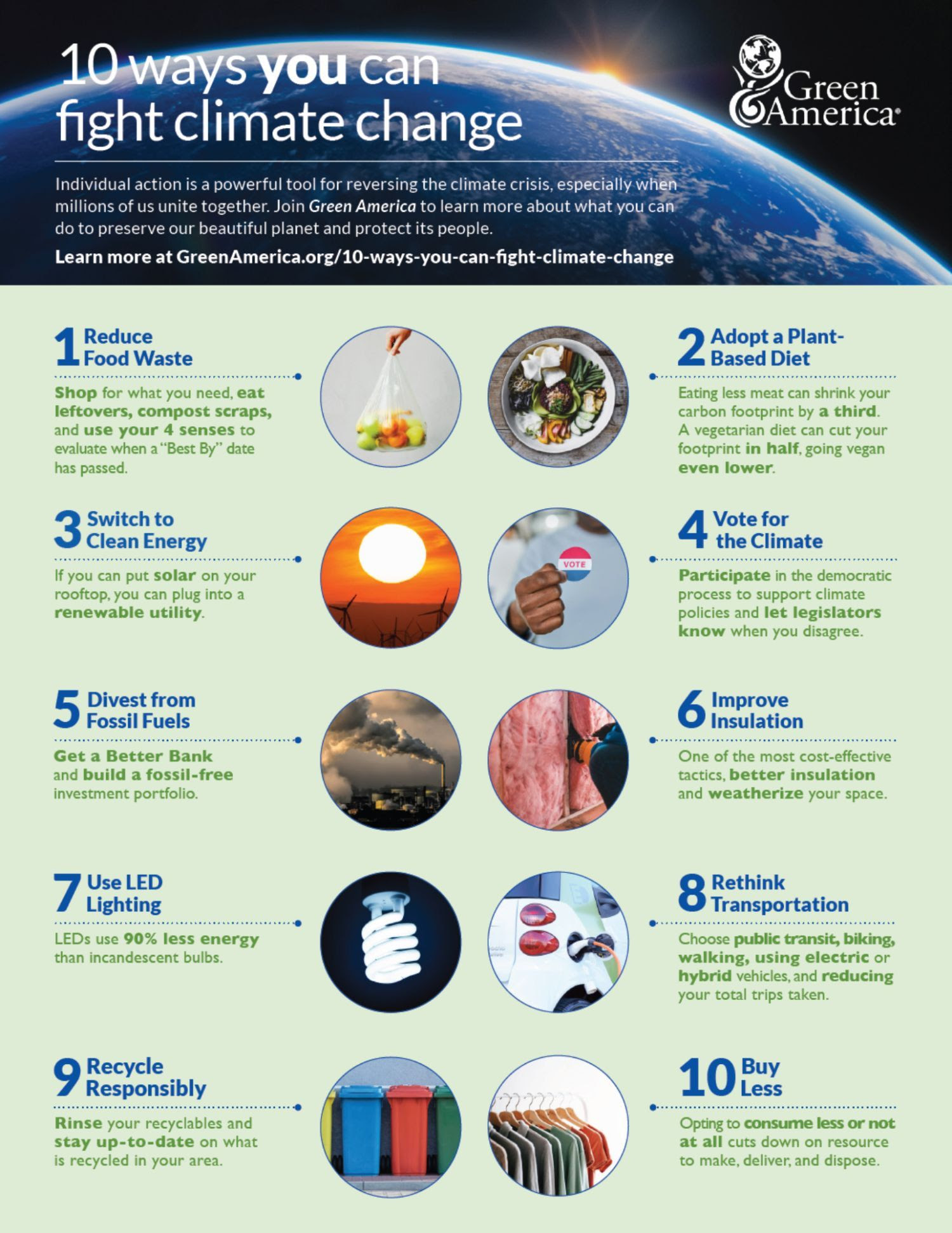
We aren’t doing enough to stop polluting our air. I love this climate poster but it is missing one crucial aspect: Use less plastic! Plastic production is a big contributor to more air pollution. Plastic is made from fossil fuels and contains many harmful chemicals. Also, there is new evidence that plastic pollution is making our oceans more acidic. https://health4earth.com/2022/07/26/how-about-a-dose-of-chemicals/

Our planet needs everyone to do their part. Start by driving less and buying less, and many of the others will fall into line! Individual action is a powerful tool for reversing the climate crisis, especially when millions of us unite together.

Reading list:

Amid a massive American clean energy shift, grid operators play catch-up – Minnesota Reformer 

House Committee Investigates the Role of PR Firms in Spreading Climate Disinformation | Sierra Club

Dutch City Is World’s First to Ban Meat Advertising – EcoWatch

Climate Change Leaves Flood Maps Outdated, FEMA Says – EcoWatch  

Pakistan Floods: What Role Did Climate Change Play? – EcoWatch

Tell President Biden and U.S. climate negotiators: The world must address climate losses and damages (sierraclub.org) 

The Planet | Alexander Verbeek 🌍 | Substack 

What is Zero-Waste?

Refuse, Reuse, Recycle

I use the term zero waste often. It is a daily goal in my household, a goal we work for every day.  Everything we purchase has an impact on our environment from our use of materials and natural resources to the emissions created for manufacturing. Then there is the end of life of a product. Will it sit in a landfill for 500 years polluting the ground and air surrounding it, can it be reused many times, or can it be turned into a new product?

Manufacturing, landfills, garbage burning, and hazardous waste contribute enormously to our warming planet. We need to take all our trash and waste seriously. Remember food waste is waste too!

Unfortunately, we have a long way to go to reach a zero-waste future.  Walking through a grocery or drugstore highlights how far we still have to go. Almost everything is packaged in plastic. Plastic that can’t be recycled!  As consumers we can try to purchase products with a minimum of packaging or refuse to purchase them completely. I often call manufacturers like Field Roast, Morningstar and Bob’s Redmill to request they start to use recyclable packaging.  Currently, in the United States only 9 to 10% of our plastic is recycled. We have a long way to go and need to begin to hold producers of plastic responsible so they produce packaging that can be recycled or reused.

“Reduce, Reuse, Recycle” is how we need to live. Every product we purchase affects our environment; So, before you buy, ask yourself if you really need it? If you do, consider buying gently used instead of new, and look for minimal packaging and shipping.

My county, Hennepin, is creating plans for a zero-waste future:

Hennepin County’s zero-waste vision is a waste management system where all materials are designed to become resources for others to use to systematically avoid and eliminate the volume and toxicity of waste and materials, conserve and recover all resources, and not burn or bury them. The key performance measure is diverting 90% or more of all discarded materials from landfills and incinerators.” Hennepin County

Zero waste is a set of principles focused on waste prevention that encourages the redesign of resource life cycles so that all products are reused. The goal is for no trash to be sent to landfills, incinerators or the ocean. Currently, only 9% of plastic is actually recycled. In a zero waste system, material will be reused until the optimum level of consumption.” The definition adopted by the Zero Waste International Alliance (ZWIA)

Watch The Story of Stuff and learn more about the zero waste movement.

In the United States 30% of our food is wasted. A huge waste of energy, labor and resources. https://www.usda.gov/foodlossandwaste

This is excellent! https://www.ecowatch.com/how-to-store-produce.html

3 Sustainable Choices

A new year, new habits!

“Small acts when multiplied by millions of people, can transform the world!” Greenpeace

The new year has arrived, and we all have the best intentions to have a fresh beginning. With all the uncertainty and discord around us, focusing on something bigger than ourselves helps to rise above all the confusion. Choose to do things that are fun and make you feel better about your place in society.

New goals and new ideas help stimulate new interests and are good for our mental health.  First of all, don’t worry about being perfect, just do something different. No one is perfect, but if everyone does something it adds up to big things for us and our community.

Millions of people around the world have been harmed by storms and our warming world during the past year. With all the harm humans have done to our planet the last hundreds of years, our warming Earth is struggling to find some equilibrium, and we can all lessen our negative impact. By reducing our consumption of the Earth’s resources, we can help our corner of the world and make a big difference. My ideas are to help you think of ways you can make a positive difference and hopefully have fun!

Every day my household works on three big things to reduce our consumption of the Earth’s resources:

Reduce meat consumption

1. Cutting meat consumption and always celebrating meatless Mondays. There are so many meatless options in the frozen food section of grocery stores it can be easy and fun. The hard part is finding meatless options without increasing plastic pollution. Here are some ideas to get you started. Vegan Recipes To Help You Eat Less Meat : Life Kit : NPR  

Quick & Easy Vegetarian Recipes | EatingWell

Vegan Recipes To Help You Eat Less Meat : Life Kit : NPR 

How is plastic in our food affecting our health?

2. Reducing plastic is paramount.  Plastic creates waste and litter, it contributes to climate change, pollutes our water and is harmful to wildlife.  It is concerning how plastic affects our health and what it’s impacts might be for us. We have a lot to learn about how plastic is harming our health. Please reduce your consumption of plastic. Start by using reusable bags, cups and bottles, and then you will slowly learn new ways to reduce plastic in your environment. So much plastic can’t be recycled, but if you must purchase items in plastic, make sure it can be recycled.

Irritable bowel syndrome linked to more microplastics in gut (nypost.com)

end food waste

30 to 40% of food in the USA is wasted!

3. Reduce Food waste.  Food waste is a total waste of water, labor, time and energy. First start with your shopping, don’t buy more than you can use. Buying in bulk is a good way to regulate how much you purchase (bulk can reduce plastic waste also). Second, staying on top of what items are in your refrigerator/freezer is extremely important. Maybe have an “eat first shelf.” I keep a container in my refrigerator to accumulate celery tops and other vegetable scraps for weekly soup making or stir fry.  Finally, turning leftovers into a new meal is one of the best things about cooking. Make it fun and challenging! Wraps and rice bowls are winners!

How to Reduce Food Waste | Sierra Club

Below are many ways you can help our planet and also your soul:

Opinion | 10 New Year’s Resolutions That Are Good for the Soul – The New York Times (nytimes.com)

7 Ways to Make 2022 More Sustainable – Plastic Free Home – Environmental and Zero Waste Blog (theplasticfreehome.com)  

13 sustainable choices for your green life | Minnesota Pollution Control Agency (state.mn.us)  

3 eye-opening, science-based New Year’s resolutions that could help everyone | PBS NewsHour

12 Ways to Live More Sustainably (biologicaldiversity.org)