Reducing your use of single-use plastic makes a big difference!
Small acts adding up to more Below is from the Carbon Almanac! “We don’t have to engage in grand, heroic actions to participate in change. Small acts, when multiplied by millions of people, can transform the world.” – Howard Zinn Consider what you buy. Everything we purchase has made an impact on the environment through carbon emissions. Some more than others. Is your item available second-hand?Our actions matter. We can make a difference before it’s too late. Small actions when coordinated with others can lead to systemic change.What are things you can do?Get engaged in your local government. Listen to a meeting, reach out to your representative, sign a petition. Local environmental policies have a direct impact on our lives and our voices can make a difference.Involve your community. Bring people together to enjoy conversations and spark ideas on what actions to take. Consider what your buy. Everything we purchase has made an impact on the environment through carbon emissions. Some more than others. Is your item available second-hand?Our actions matter. We can make a difference before it’s too late.
The ocean covers over 70% of the planet. It is our life source, supporting humanity’s sustenance and that of every other organism on earth.
The ocean produces at least 50% of the planet’s oxygen, it is home to most of earth’s biodiversity, and is the main source of protein for more than a billion people around the world. Not to mention, the ocean is key to our economy with an estimated 40 million people being employed by ocean-based industries by 2030.
Even though all its benefits, the ocean is now in need of support.
With 90% of big fish populations depleted, and 50% of coral reefs destroyed, we are taking more from the ocean than can be replenished. We need to work together to create a new balance with the ocean that no longer depletes its bounty but instead restores its vibrancy and brings it new life.
“Planet Ocean: tides are changing”, is the theme for World Oceans Day 2023 – the UN is joining forces with decision-makers, indigenous leaders, scientists, private sector executives, civil society, celebrities, and youth activist to put the ocean first. The UN
This week, please become conscious of buying less and using less plastic. Get outside and notice the beauty of spring. I saw my first butterflies, and the migrating birds are on their way! Happy Earth Day!
Mourning Cloak, often the first butterfly to appear
Looking for the perfect practical gift? Reusable metal, glass, or ceramic water bottles and travel mugs are plastic-free gifts that will also help the recipient to reduce future waste! Other zero-waste gifts include bamboo utensil sets, stainless steel straws, loose tea and tea strainers, beeswax food wrap, Swedish reusable cloths, a stainless steel tiffin (perfect for bringing lunch or keeping in your car to have handy if you go out to eat to bring leftovers home in), reusable bowl covers, reusable cotton tote bags, stainless steel or ceramic compost bins for your kitchen, and so much more.
2. Give a Gift Subscription or Certificate To A Zero-Waste Service
Purchasing a gift certificate or subscription to one of the many excellent zero-plastic and low or zero-waste products, stores, and services out there can be a great way to bring a family member or friend into the fold. A few to consider include Plaine Products, Blueland, HumanKind, Package-Free Shop, Superzero, and Loop Store but there are more and more out there to choose from and you might enjoy the research.
3. Support a Local Farm & Feed a Loved One
Consider buying a friend or family member a share (or a half share) in a Community Supported Agriculture (CSA). Are you new to the concept of a CSA? Click here for more info on what a CSA is and how it works. You can look for farms that offer winter CSA shares or purchase one that begins in the spring. This is a great way to support a local farm while also helping the lucky recipient feed themselves and their family with fresh, nutritious goodies. Consider providing some of your favorite recipes along with the CSA share to round out the package. If you don’t know where to start, you can do a search for CSAs through Local Harvest or the USDA’s database.
4. Support Democracy & Your Community With A Newspaper Subscription
Independent media is crucial to a functioning democracy. Whether it is online or paper, for you or for a friend, subscribe to your local newspaper whether it’s a monthly, weekly, or daily.
5. Give an Experience
Gifting experiences is a great way to reduce waste and create lasting memories. Whether it’s a membership to a nature preserve or a local museum or a lift ticket for a near by ski mountain that can be used now or the promise of a long-anticipated trip to Paris, this could be a hit.
6. Choose Plastic-Free Clothing
Everyone loves a comfy pair of PJs or some new socks for the holidays. Unfortunately, most of our clothing is made from synthetic materials like polyester and nylon which contain plastic fibers. But there are plenty of fun and affordable brands that use materials like recycled cotton, linen, and wool. Need somewhere to get started? The free app GoodOnYou can help you find the best brands to buy from this season. Or consider buying a gently used item of clothing from thredUp, Poshmark, or good old eBay.
7. Give the Gift of Giving to Others in Need
For that person who already “has it all,” the gift of giving could be a great choice. Make a donation in their honor to a charity you think they’d appreciate (hint: Beyond Plastics is a great option!) and send them a card sharing the gift. Or, if you think they’d prefer to be more hands-on, consider setting them up with a pre-paid micro-lender account through an organization like Kiva to allow them to choose the recipients of their microloans. This could be a particularly good way to help a young person experience philanthropy directly. Other places with great meaningful virtual gifts that give back include Oxfam America and Heifer International and many environmental nonprofits offer symbolic wildlife adoption programs.
8. Make Your Own Gifts
Homemade items are the way to go for truly unique and special presents. DIY candles, baked goods, bath salts, tea mixes, brownie mix, vanilla extract, spices, and even games can be easy and customizable gifts! Click here for some DIY gift ideas.
9. Buy From Your Local Bookstore
Resist the temptation to buy from Amazon and visit your local bookstore. Wear your mask and spend some time browsing the shelves to see what books might delight a loved one. Many bookstores also sell toys and cards if you’re looking for more than books.
10. Entertain With an Online or Streaming Subscription
Winter is long and entertainment really helps. A subscription or gift certificate to a streaming platform, an audiobook platform, an online music service, or an online newspaper or magazine could help your loved ones stay entertained and informed without requiring any new plastic or disposable items.
11. Choose Plastic-Free Gift Cards Only! Gift cards can be a handy, popular, and sustainable choice if you opt for either an electronic or paper gift card. Gift cards made from polyvinyl chloride (PVC) plastic must be avoided at all costs. Learn more in our fact sheet and opt for a digital or paper card when you shop.
12. Give An Old Item New Life
Re-gifting is great! If you own an item that you’re ready to part with and think someone else would enjoy, wrap it up (see tips below), and pass it along. Vintage and used items also make excellent holiday gifts. There are so many wonderful books, household items, pieces of clothing and jewelry, tools, and more that deserve a second (or third or fourth) chance to be useful and provide joy waiting to be discovered. You can browse eBay or Etsy to find special gifts. Or grab your mask and visit your local antiques shop, second-hand bookstore, thrift store, or auction to look for finds.
13. Wrap It Up Right
Much wrapping paper is non-recyclable (anything glittery, sparkly, etc, won’t be accepted). The good thing is that wrapping paper is not a necessity. This year, look around your home for alternatives. Newspapers and paper grocery bags work really well. If you have kids, drawing, painting or stamping a pattern on a used grocery bag can be a fun activity, too. If you want to go the extra mile, old book pages, tote bags, and scrap fabric make for cute and unique wrapping. In fact, there is a Japanese tradition of wrapping gifts in attractive pieces of cloth called furoshiki. And when you’re unwrapping gifts, save the wrapping paper (or fabric) and ribbons to use them again. If your family enjoys a little friendly competition, you can even keep score to see who can reuse a given piece of paper the most times —warning, this could stretch on for years!
Happy December! Being kind is so easy, and December should be a month of kindness. The Actions for Happiness Calendar is below. Earth kindness is also so important.
During December plastic waste and food waste increases. This December see how you can apply the some of the twelve Rs to reduce your plastic waste footprint. Start by banning all glitter from your home and always bringing your reusable shopping bags.
Happy Thanksgiving! Remember your reusable shopping bags and reusable containers!
Choose Scratch Over Store-Bought
Most store-bought dishes from supermarkets and restaurants will be packaged in plastic containers. To avoid the unnecessary plastic, focus on cooking from scratch. Ingredients like vegetables, flour, butter, and nuts can be commonly found in non-plastic packaging. For items like nuts and dried fruits, see if your local market, co-op or health food store has a bulk section and bring your own bags to fill up! When faced with a choice of packaging, choose glass or paper over plastic. If you’re looking for inspiration, see our recipe suggestions below.
Shop Local
Shopping locally not only reduces your meal’s carbon footprint, but you can bring your own bags and containers and you’re less likely to encounter plastic packaging than at your grocery store. Small businesses also need our support more than ever during the pandemic. Give your community your thanks by supporting each other!
If you don’t have the time or inclination to make pumpkin, pecan, or apple pie from scratch, check your local bakery. While you’re there, pick up the bread you’ll need to make your stuffing and bring it all home in your reusable bags. Visit your local farmers market to pick up potatoes, squash, sweet potatoes, carrots, onions, greens, and more. If your farmers market is closed for the season, many CSAs (community supported agriculture) also offer a special one-time Thanksgiving share of goodies to anyone, even if you’re not a subscriber.
Use Sustainable Decor
Forget the dollar store, make the perfect fall decor for your table setting with things from your backyard and local farm stand. Pressed leaves and pumpkins make for great wall and table adornments! Check out some DIY ideas here. And don’t forget to get the kids involved!
Serve on Reusable Dishes & Dinnerware
Plastic utensils and cups end up in landfills, incinerators, or waterways where they can pose a threat to wildlife. Set your table with reusable plates, cups, serving platters, utensils and napkins. This can also include glass pitchers or bottles for drinks. If your family enjoys seltzer, consider investing in a SodaStream or other carbonation machine (tip: choose the model that comes with glass bottles over plastic). If you have kids, assign them the task of polishing silver—they may find it deeply satisfying. Sticking to reusables only will not only reduce your waste but also save you money.
Provide or Bring Reusable Containers for Leftovers
Going to family or friend’s home for dinner? Bring your own glass or metal containers to cart home some delicious leftovers. There are also some great beeswax-coated fabric wraps out there these days that can take the place of plastic wrap or tinfoil. If you are hosting the dinner, remind guests to bring reusable containers with them. If you have extras to spare (say from all those take-out containers you’ve saved since the lockdown started), you can offer them to guests who’ve forgotten to bring their own. Please remember to take the necessary precautions when interacting with others to avoid the spread of COVID-19.
Compost!
Compost any scraps from cooking or leftovers that aren’t being saved, as well as any compostable decor you’ve put up (once you tire of it). Reminder, if your Thanksgiving dinner includes a turkey, make stock out of the carcass before you compost it—you can make a very flavorful turkey soup or freeze it for months. If you’re not sure what can and can’t be composted, check out this helpful list. If you don’t have a backyard compost, see if your city or town has a local composting system. If they don’t, look into how to start one!
Halloween is a great time to be creative. I love the original costumes that parade to my front door. For me the challenge is how to be plastic-free? I don’t like candy packaging that can’t be recycled and will lie in a garbage dump for 5oo years and struggle every year to find a sustainable treat. Beyond Plastic has some terrific decorating, costume and treat suggestions for a plastic-free Halloween:
First, create a reusable bag to carry with you. turn a washable shopping bag inside and decorate your bag. A perfect way to have your original candy collection bag!
Happy beautiful Halloween!
Turn your clean reusable bag inside out and decorate.
Plastic-free ideas from Beyond Plastic:
Pick plastic-free packages. If you need to stick to packaged candies, there are some options that come wrapped in foil or small thin cardboard boxes. Candies like Dots, Milk Duds, and Junior Mints come in small cardboard boxes, Tootsie Rolls and other fruit chews and Dubble Bubble come wrapped in paper, and there are many small Halloween-themed chocolates that come wrapped in foil that, at least in theory, could be collected and recycled
Costumes
Try to avoid buying new costumes in one of those desperate last-minute trips to the seasonal Halloween Stores that pop up like mushrooms in October because they are cheaply made and are almost always made entirely from plastic.
Instead, plan ahead and visit your local thrift store to find they key elements you need to make your own costumes. Most thrift stores also have pre-loved costumes for sale and you may find a great ready-made costume that way if you start looking early enough. You can also try to borrow either a whole costume or the key elements you need to create your own from a friend or family member. I’ve found that social media can be a big help in crowdsourcing costume ideas, entire costumes, or just certain “ingredients” for them.
Likewise, if you have costumes your kids have outgrown or that you’ve grown tired of, snap a few photos of them and invite your friends to use them this year. Hopefully, they’ll return the favor and you can all save some time, money, and material from the landfill this way.
Decorations
If you want to deck out your house, go for it! But do your best to steer clear of single-use and cheap plastic items that are likely to end up in the trash after a single use. Fortunately, nature makes a gorgeous line of non-toxic, fully compostable Halloween decorations in the form of pumpkins and other decorative gourds along with hay bales, reeds, and ornamental corn.
Here are a few ideas to try, all of which are great activities to do with kids:
Carve pumpkins (this one goes without saying!)
Consider inviting some friends to join you outside on a sunny weekend day and serve (reusable) mugs of mulled cider and donuts to make it a party.
After you’ve scooped out the seeds from your pumpkins, assign someone to clean the goop off them and then roast them for a nutritious and tasty fall snack. Scroll down to the end of this post for the simple directions to make roasted pumpkin seeds.
Click here for some great jack-o-lantern ideas. One fun switch can be to cut the bottom of the pumpkin off rather than the top and rest it on a plate with the cut side down. This allows you to retain the stem which you can turn into an interesting hairdo feature. We also love the “puking” pumpkin concept in which you use the “guts” of the pumpkin.
Help younger kids to draw their designs on and make sure to handle any tricky knife-work.
Provide candles or LED lights for each pumpkin and light them up when night falls for all to enjoy.
Make your own scarecrows. Dig through your ragbag to find some old clothes, buy a bale of hay, stuff the clothes with with hay, and top with a pumpkin head or a burlap or paper grocery bag on which you’ve drawn a funny face. When you’re through with the scarecrows, remove the hay, wash the old clothes and either return them to the rag bag or donate them if there’s still life in them, and compost the rest of the materials. If you live near a farm, note that many farm animals love to eat discarded pumpkins.
Choose LEDs. If you want to light your house up at night beyond the jack-o-lanterns, make sure you purchase LED string lights as they use significantly less energy (hence lower carbon emissions) and will also last longer than incandescent bulbs will.
Make “Halloween Trees”. This idea comes from a project that our digital director grew up doing and that she now does with her own kids. Search outside for fallen branches that mimic the look of gnarled spooky old trees. “Plant” the tree branch in a pot of dirt. Then let the fun begin! Make decorations by cutting bats, black cats and witches out of construction paper and hanging them from the branches with string. Search for small rounded or rectangular stones to serve as gravestones that you can write or paint on “RIP So and So”, “Here Lies…”, and half bury them in the dirt. If you feel like getting really creative, bust out the clay and sculpt some pumpkins, a witch or a skeleton to sprinkle around the ground below the tree. This can keep kids entertained for hours and you can save the best decorations for years to come and continue building on your spooky scenes. Beyond Plastic
If you breathe air or drink water, you should care about the health of our Earth.
We all know the Earth is suffering. What we fail to recognize is that a sick planet leads to unhealthy sick people and for long-term consequences for our children.
We must hold business accountable for the plastic they produce, and they must be held accountable if they pollute our air and water. Our elected officials need to be held accountable to hold oil companies and plastic producers to rigorous standards. Most important, we also have to hold ourselves accountable for how we pollute our air and water. Holding ourselves personally responsible is what we can control!
Even little things can make a huge difference if we work together. On Earth Day recalibrate your life to do three simple things a week to lighten our Earth’s load:
Choose one day to eat meatless, choose one day to not drive, and choose one day to be plastic-free. On plastic-free day don’t purchase or use anything plastic, and don’t or eat or drink food from plastic containers.
Don’t eat or drink from plastic
Every Day do something kind, and please take three breaths for peace in Ukraine.
Peace For Ukraine!
This reading list is too long, but I hope you can read at least one of these excellent articles:
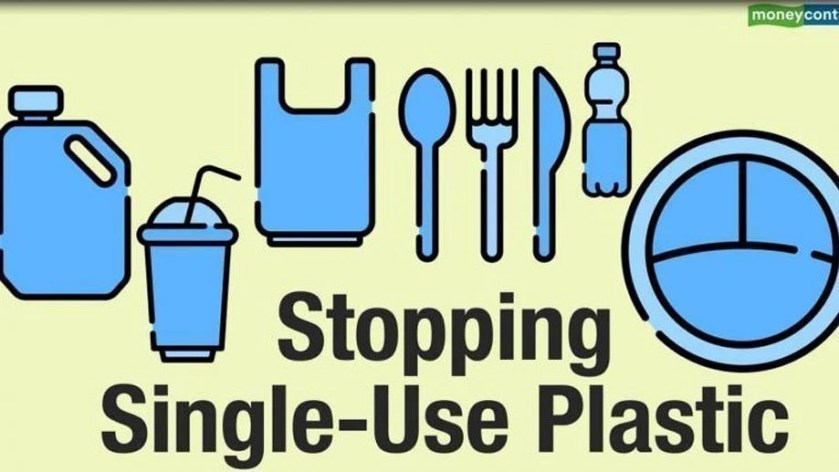
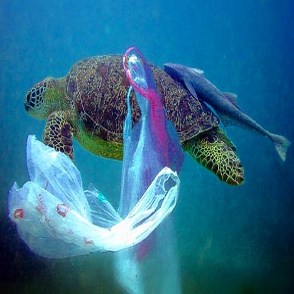
And from my city: Kick single use plastics. In Minneapolis, less than half of plastics are recycled. Most plastics are made from oil and gas. About 4% to 8% of the world’s oil product is for plastics, and most plastics are thrown away after a single use. Plastics collect in our lakes and rivers and break down into micro and nanoplastics. One way to help is to bring your own bag to grocery and convenience stores.
Coca-Cola produces 200,000 new plastic bottles a minute and sells112 billion plastic beverage bottles worldwide every year for a total of roughly 3 million metric tons of plastic packaging. The majority of Coca-Cola’s plastic bottles are not recycled and only 11.5% are made from recycled material. Many of Coca-Cola’s plastic bottles end up littered in the world’s rivers and ocean.
Plastic recycling is very challenging. There is very little regulation of plastic in the United States. Plastic producers claim recycling is the answer to their products, but they don’t want any responsibility to pay for recycling or disposal of their products. They often they say their plastic is recyclable, when in fact it might be just one per cent recyclable or not at all.
Why is plastic recycling so hard? First there are those recycle 1-7 numbers. For something to be recycled it first needs to be collected, and then sorted into those numbers. Next, it needs a market, or someone to buy it. All this makes plastic recycling expensive for communities (tax payers) and it is labor intensive.
I am fortunate to live in a county (Hennepin) that makes this a priority, and I can’t express my gratitude to them enough!
Both Maine and Oregon have passed legislation to hold producers responsible for recycling and disposing of their products. This is a beginning and it is hopeful that more regulation of plastic could happen. As consumers we also have responsibility, when we purchase plastic we reinforce the idea that this is OK, and more of it is produced. The plastic chemical companies are gearing up to produce more plastic for the future, lets work to hold them accountable! Talk to your elected officials about how plastic producers should be held responsible for what happens to long lived plastics after disposal. Manufacturers also need more integrity in labeling what is in their plastic products.
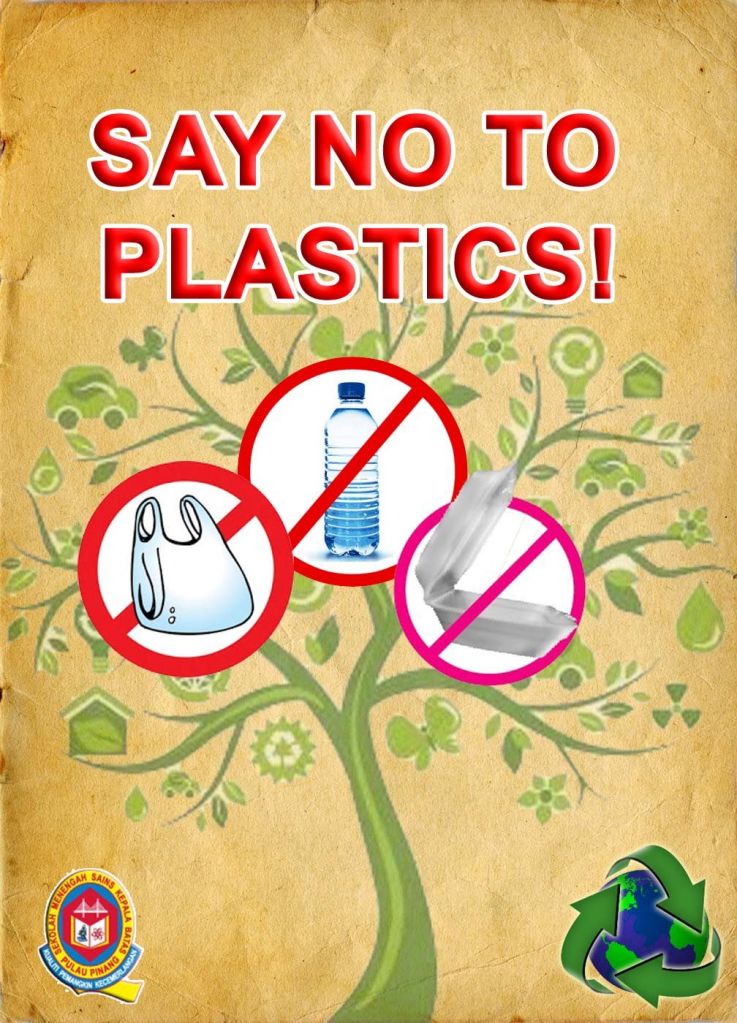
On America Recycles Day recycle more of your paper/cardboard, glass and tin cans, and recycle plastic bottles and containers, but also begin to REDUCE your PLASTIC consumption. Always bring your reusable cups/bottles, and bags for a start.








 Health4earth