

Reducing food waste is SO important!
Melissa Clark is an extraordinaire food writer for the New York Times. She has set her food resolutions for 2025.
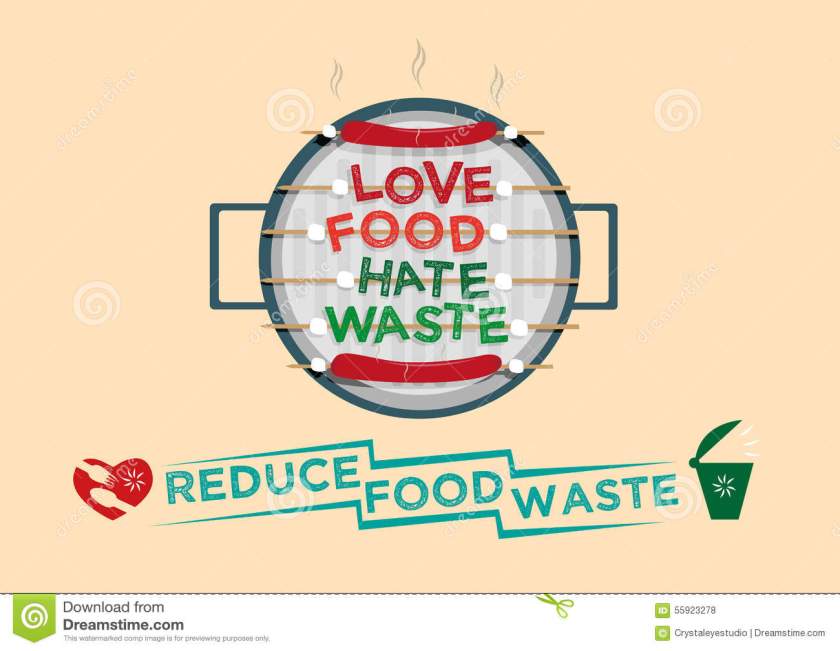
She is missing the most important food resolution: REDUCE your food waste! Food waste is an enormous waste of energy. time and water. Food waste is an enormous contributor to our climate crisis. Read about it here:
And then read Melissa’s resolutions below:
3 resolutions for eating and drinking in 2025
New Year’s resolutions are fast upon us, and chances are that your list will include some version of trying to eat better. I’m here to help.
Food is both my profession and my obsession, which means it’s my job to consume delicious things every single day, reveling in each bite of tangy arugula salad, silky roasted salmon or gooey blackout cake. The key for me is to maximize the pleasure while also leaning into moderation, and to generally eat more sustainably.
I want to share this balancing act with you. Here’s my approach, broken down into easily digestible morsels.
1. Learn to cook something — or something new.
If you’re just starting out in the kitchen, make 2025 the year you learn to cook. The recipe columnists and editors at New York Times Cooking have compiled a recipe collection for absolute beginners, and in the course of 10 dishes you’ll acquire basic skills to bolster your confidence.
Start with Eric Kim’s tuna mayo rice bowl, which doesn’t even require turning on the stove if you have leftover rice or a rice cooker. Genevieve Ko’s cheesy eggs on toast is equally good for breakfast as it is for dinner. And my lemony chicken with potatoes and oregano is easy to make on a sheet pan, and it’s just the thing to slather with your favorite condiment, be it chile sauce, mayonnaise, mustard or all three.
Keeping your pantry well stocked will get you halfway there — and here are some tips on how to do just that. Even on nights when I don’t have time to plan or run to the store, I know I’ll still be able to cook something incredibly satisfying that’s often faster and cheaper than getting takeout.
If you’re a seasoned cook but feel tapped out for inspiration, commit to making one new recipe per month. You get bonus points if it includes ingredients or techniques you’ve never tried before. Dishes like one-pot mushroom and ginger rice (which calls for velveting the mushrooms) and crunchy scrunched cabbage salad with fried almonds are just waiting to help you get back in your groove. You can also sign up for our What to Cook newsletter for even more suggestions.
2. Eat less meat.
Cutting back on meat gets easier for me as the years go by. As it turns out, the less meat I eat, the less of it I crave. (That is sadly untrue of cookies, though.) And replacing animal-based foods with whole grains, legumes and nuts has been linked to a lower risk of Type 2 diabetes and cardiovascular disease.
Now, I mostly use meat as seasoning for vegetables, beans or pasta. A little prosciutto, a sprinkle of bacon or a few ounces of ground turkey go a long way.
Maple-roasted tofu with butternut squash and bacon, spicy tomato white bean stew, and one-pot tortellini with prosciutto and peas all keep the meat minimal and the satisfaction high. (For some meatless recipe ideas, subscribe to my colleague Tanya Sichynsky’s vegetarian newsletter, The Veggie.)
3. Drink less alcohol.
Drinking more moderately is about emphasis in my book. I’ve come to realize that drinking more low- or no-alcohol cocktails and mocktails is just as satisfying as drinking alcohol.
I’ve also discovered that the ceremony of having a drink is just as important as what’s in the glass, if not more so. Give me something with a deep bittersweet tang in a fancy coupe as a gateway to a congenial evening, and I won’t ever miss the hangover.
A sweet and citrusy nonalcoholic French 75, an olive filled nonalcoholic dirty lemon tonic and a ruby-hued hibiscus fizz are fit for festive toasting or quiet imbibing, whatever the occasion.
2025 is looking delicious, indeed.



 Health4earth