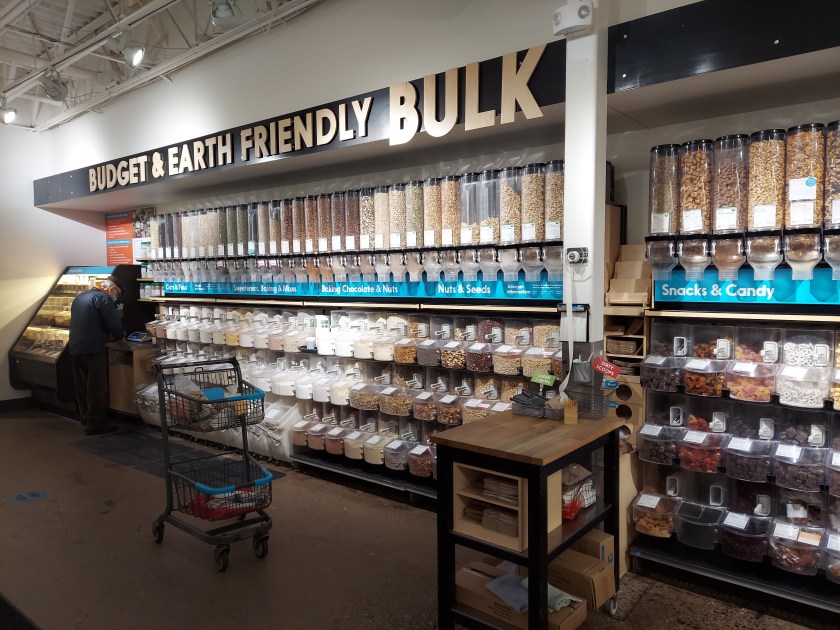
Refill your own containers in the bulk section of food co-ops.
Reduce your plastic consumption!
“Zero-waste initiatives can foster sound waste management and minimize and prevent waste. This contributes to reducing pollution, mitigating the climate crisis, conserving biodiversity, enhancing food security and improving human health. The International Day of Zero Waste aims to promote sustainable consumption and production patterns and raise awareness about how zero-waste initiatives contribute to the advancement of the 2030 Agenda for Sustainable Development.
Humanity generates an estimated 2.24 billion tons of municipal solid waste annually, of which only 55 per cent is managed in controlled facilities. By 2050, this could rise to 3.88 billion tons per year. The waste sector is a significant contributor to greenhouse gas emissions in urban settings and biodiversity loss. Around 931 million tons of food is wasted each year, and up to 37 million tons of plastic waste is expected to enter the ocean annually by 2040.
The United Nations General Assembly formally recognized the importance of zero-waste initiatives and proclaimed 30 March as the International Day of Zero Waste, to be observed annually beginning in 2023.
Zero-waste initiatives can foster sound waste management and minimize and prevent waste. This contributes to reducing pollution, mitigating the climate crisis, conserving biodiversity, enhancing food security and improving human health.
The United Nations Environment Programme and UN-Habitat will facilitate the observance of the Day. All Member States, organizations of the United Nations system and relevant stakeholders are encouraged to implement zero-waste initiatives at local, regional, subnational and national levels.” The United Nations
Looking for the perfect practical gift? Reusable metal, glass, or ceramic water bottles and travel mugs are plastic-free gifts that will also help the recipient to reduce future waste! Other zero-waste gifts include bamboo utensil sets, stainless steel straws, loose tea and tea strainers, beeswax food wrap, Swedish reusable cloths, a stainless steel tiffin (perfect for bringing lunch or keeping in your car to have handy if you go out to eat to bring leftovers home in), reusable bowl covers, reusable cotton tote bags, stainless steel or ceramic compost bins for your kitchen, and so much more.
2. Give a Gift Subscription or Certificate To A Zero-Waste Service
Purchasing a gift certificate or subscription to one of the many excellent zero-plastic and low or zero-waste products, stores, and services out there can be a great way to bring a family member or friend into the fold. A few to consider include Plaine Products, Blueland, HumanKind, Package-Free Shop, Superzero, and Loop Store but there are more and more out there to choose from and you might enjoy the research.
3. Support a Local Farm & Feed a Loved One
Consider buying a friend or family member a share (or a half share) in a Community Supported Agriculture (CSA). Are you new to the concept of a CSA? Click here for more info on what a CSA is and how it works. You can look for farms that offer winter CSA shares or purchase one that begins in the spring. This is a great way to support a local farm while also helping the lucky recipient feed themselves and their family with fresh, nutritious goodies. Consider providing some of your favorite recipes along with the CSA share to round out the package. If you don’t know where to start, you can do a search for CSAs through Local Harvest or the USDA’s database.
4. Support Democracy & Your Community With A Newspaper Subscription
Independent media is crucial to a functioning democracy. Whether it is online or paper, for you or for a friend, subscribe to your local newspaper whether it’s a monthly, weekly, or daily.
5. Give an Experience
Gifting experiences is a great way to reduce waste and create lasting memories. Whether it’s a membership to a nature preserve or a local museum or a lift ticket for a near by ski mountain that can be used now or the promise of a long-anticipated trip to Paris, this could be a hit.
6. Choose Plastic-Free Clothing
Everyone loves a comfy pair of PJs or some new socks for the holidays. Unfortunately, most of our clothing is made from synthetic materials like polyester and nylon which contain plastic fibers. But there are plenty of fun and affordable brands that use materials like recycled cotton, linen, and wool. Need somewhere to get started? The free app GoodOnYou can help you find the best brands to buy from this season. Or consider buying a gently used item of clothing from thredUp, Poshmark, or good old eBay.
7. Give the Gift of Giving to Others in Need
For that person who already “has it all,” the gift of giving could be a great choice. Make a donation in their honor to a charity you think they’d appreciate (hint: Beyond Plastics is a great option!) and send them a card sharing the gift. Or, if you think they’d prefer to be more hands-on, consider setting them up with a pre-paid micro-lender account through an organization like Kiva to allow them to choose the recipients of their microloans. This could be a particularly good way to help a young person experience philanthropy directly. Other places with great meaningful virtual gifts that give back include Oxfam America and Heifer International and many environmental nonprofits offer symbolic wildlife adoption programs.
8. Make Your Own Gifts
Homemade items are the way to go for truly unique and special presents. DIY candles, baked goods, bath salts, tea mixes, brownie mix, vanilla extract, spices, and even games can be easy and customizable gifts! Click here for some DIY gift ideas.
9. Buy From Your Local Bookstore
Resist the temptation to buy from Amazon and visit your local bookstore. Wear your mask and spend some time browsing the shelves to see what books might delight a loved one. Many bookstores also sell toys and cards if you’re looking for more than books.
10. Entertain With an Online or Streaming Subscription
Winter is long and entertainment really helps. A subscription or gift certificate to a streaming platform, an audiobook platform, an online music service, or an online newspaper or magazine could help your loved ones stay entertained and informed without requiring any new plastic or disposable items.
11. Choose Plastic-Free Gift Cards Only! Gift cards can be a handy, popular, and sustainable choice if you opt for either an electronic or paper gift card. Gift cards made from polyvinyl chloride (PVC) plastic must be avoided at all costs. Learn more in our fact sheet and opt for a digital or paper card when you shop.
12. Give An Old Item New Life
Re-gifting is great! If you own an item that you’re ready to part with and think someone else would enjoy, wrap it up (see tips below), and pass it along. Vintage and used items also make excellent holiday gifts. There are so many wonderful books, household items, pieces of clothing and jewelry, tools, and more that deserve a second (or third or fourth) chance to be useful and provide joy waiting to be discovered. You can browse eBay or Etsy to find special gifts. Or grab your mask and visit your local antiques shop, second-hand bookstore, thrift store, or auction to look for finds.
13. Wrap It Up Right
Much wrapping paper is non-recyclable (anything glittery, sparkly, etc, won’t be accepted). The good thing is that wrapping paper is not a necessity. This year, look around your home for alternatives. Newspapers and paper grocery bags work really well. If you have kids, drawing, painting or stamping a pattern on a used grocery bag can be a fun activity, too. If you want to go the extra mile, old book pages, tote bags, and scrap fabric make for cute and unique wrapping. In fact, there is a Japanese tradition of wrapping gifts in attractive pieces of cloth called furoshiki. And when you’re unwrapping gifts, save the wrapping paper (or fabric) and ribbons to use them again. If your family enjoys a little friendly competition, you can even keep score to see who can reuse a given piece of paper the most times —warning, this could stretch on for years!
Wasting food is an enormous waste of valuable resources!
Not only does wasting food, waste valuable resources and lots of water, but also food in our landfills decomposes creating and giving off methane gas which is a harmful air pollutant contributing to global warming. From Thanksgiving to New Year’s Day, household waste increases by more than 25%. Added food waste, shopping bags, packaging, wrapping paper, bows and ribbons all adds up to an additional 1 million tons a week to our landfills. (Source: EPA)
Use your power as a consumer to create a better world!
Today is Buy Nothing Day, it is a day to turn our back on the awful obsession with consumerism we have in the United States. The things we purchase put stress on all our resources, water, air, time, energy, and landfills. All the stuff we buy contributes to the climate crisis! Do you really need more junk? Give thanks for what you have and all the people in your life. Be grateful for our beautiful planet, and for all you have. Instead of shopping spend your day outdoors or spend time doing something creative. Instead of shopping for happiness take deep breaths and do something you love. All the state parks in my state are free today, and I’m off for a long walk!
From Thanksgiving to New Year’s Day, household waste increases by more than 25%. Added food waste, shopping bags, packaging, wrapping paper, bows and ribbons all adds up to an additional 1 million tons a week to our landfills. (Source: EPA)
A consumer is powerful. The choices we make, and what we purchase changes marketing and products, and as consumers we can make a big difference by the choices we make. These choices can make a positive change on the environment creating a more sustainable world.
Heighten your awareness of packaging and waste, choosing products with minimal or no wasteful plastic packaging.
Always shop with reusable bags.
Never purchase products with glitter or Styrofoam. They can’t be recycled and are harmful to wildlife.
Shop reuse stores. Some of my favorite clothes and items come from consignment stores.
Shop bulk items.
Buying in bulk is a good way to manage food waste, and plastic waste. Bring your own bags or containers.
Shop retailers that pay living wages and are local over big box stores.
Buy nothing and reuse what you have!
Purchase items that will last instead of cheap junk.
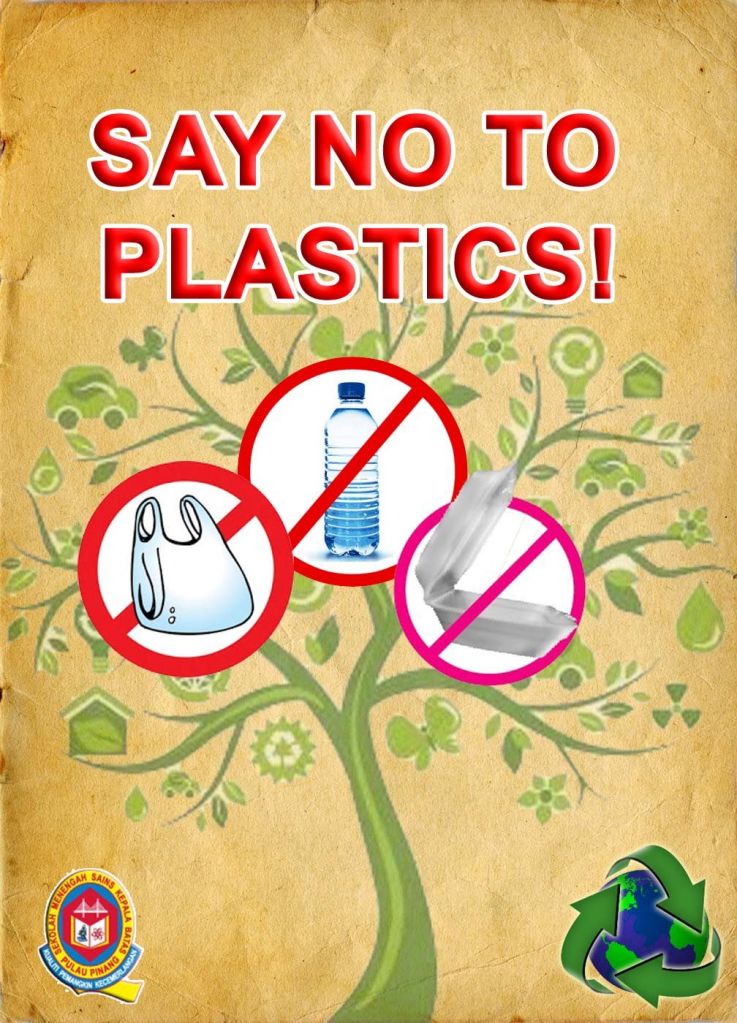
Avoid all single-use plastic
Make your own choices and be creative, don’t be owned by corporations like Apple, Target, Amazon etc.
World Cleanup Day is the world’s largest one-day civic action engaging more than 191 countries to tackle the global waste crisis. World Cleanup Day is not just about cleanups. It’s a strong and unique movement that shares the dream of a waste-free world. Join World Cleanup Day on 17th September 2022!
September is a month of change. Many are going back to school, the weather is changing, days are shorter, and the monarch butterflies and hummingbirds in my yard are refueling for migration. May you take a lesson from the monarch butterflies to be energetic, happy and kind. What can we all do in our little piece of this vast planet to make the world and others happier and more kind?
Monarch butterflies bring joy
We all want our children to be safe, happy and kind. We want them to live in a healthy safe world. Some of this is hard to control, but we expect them to be safe while outside playing, walking to school, taking the bus, in their schools, and in in all aspects of their lives.
Have you thought of the unhealthy plastic children come in contact with daily? Plastic is loaded with unhealthy chemicals, and there are things you can do to reduce plastic exposure. Manufacturers use chemicals to make plastic soft and other chemicals to make it hard. We shouldn’t expose children to unhealthy materials especially when we have no idea what the long-term effects will be on them.
If you have children I would make an effort to reduce their plastic exposure.
Below are some ideas to reduce back to school plastic exposure. I am not recommending you go out and purchase new items, but hoping this list will give you ideas to reduce your plastic consumption, and reuse items you have within your household to keep children safe.
Lunchtime is a common culprit for plastic pollution in a student’s school day. If your student brings their lunch to school, there are many ways to keep the plastic out. Replace the typical plastic zip-top bag, plastic wrap, with aluminum foil, stainless steel food containers, or paper or cloth bags
2. Cotton and wool lunch bags
Once you’ve eliminated plastic from the inside of your student’s lunchbox, it’s time to tackle the lunchbox itself. Washable lunch sacks are a good option, and they are widely available at most secondhand shops. Look for plastic-free options such as old-school aluminum lunch boxes, or a lunch bag made from natural materials like this cotton and wool one from Life Without Plastic.
3. Plastic-free school supply essentials
Many back-to-school supply lists are unfortunately filled with plastic items (which, even worse, are often sold wrapped in plastic packaging). Shop for an excellent selection of plastic-free back-to-school essentials like notebooks, pencils, markers, papers, planners. Look for options that have less plastic!
4. Stainless steel water bottle
Studies show that there is 50% more microplastic in (plastic) bottled water than tap water. And plastic bottles—like all plastics—contain chemicals that harm human health. In addition to being healthy, plastic-free, stainless steel reusable water bottles are long-lasting, economical, and easy to use and clean.
Finally, have a new school year filled with happiness, kindness, and lots of new learning and ideas.
Reading List;
“One out of six children in the United States suffer from a neurodevelopmental disability, and there is strong evidence that links chemical exposures to neurodevelopmental delays.”
Many of the world’s plastic containers and bottles are contaminated with toxic PFAS, and new data suggests that it’s probably leaching into food, drinks, personal care products, pharmaceuticals, cleaning products and other items at potentially high levels.
15 List of Chemicals in Plastic – Properties – Dangers – AZ Chemistry Meanwhile, there are many list of chemicals in plastic are harmful for our body, and also bad for our Earth. To be wise, it’s better to at least reduce the use of plastic in our daily life. Thus, we may replace plastic with more friendly product.
The first list of chemicals in plastic is Phthalate, the esters of phthalic acid. The main use of phthalate is as plasticizers, to increase flexibility, transparency, durability, and longevity. Factories made phthalate by reacting phthalic anhydride with alcohols.
Do we really want to ingest plastic microbeads every time we eat and drink?
Currently I am participating in a community plastic challenge working to reduce the plastic we send to landfills. I’m challenging myself to think of new ways I can reduce plastic in my home and for my family. It is impossible to eliminate all plastic, but we can be healthier by reducing plastic’s impact in our homes and lives.
These are the things I am working on to reduce plastic in my home:
1. Purchase fresh unpackaged produce. Always travel with reusable bags and reusable bottles and containers.
2. Store leftovers in glass containers and jars.
3. Never purchase take-out unless their containers are reusable or compostable.
4. Only cook in glass or metal pans
5. Purchase glass containers over plastic containers. Good examples are mustard, honey, and vinegar.
6. Make a conscious effort to purchase clothes, towels and sheets made of organic cotton and wool, and keeping our surroundings dusted and vacuumed will eliminate some of the microplastics we breathe.
What are the facts we know about plastic?
-Plastic production pollutes our water and air
-Plastic microfibers have been found in the food we eat.
-Micro fibers of plastic are in the clothes we wear and therefore in the air we breathe.
-Plastic is the most common litter found in the oceans.
-Studies are just beginning on how harmful plastic is to our health.
Using glass containers gives me confidence we are reducing our plastic contamination
I use the term zero waste often. It is a daily goal in my household, a goal we work for every day. Everything we purchase has an impact on our environment from our use of materials and natural resources to the emissions created for manufacturing. Then there is the end of life of a product. Will it sit in a landfill for 500 years polluting the ground and air surrounding it, can it be reused many times, or can it be turned into a new product?
Manufacturing, landfills, garbage burning, and hazardous waste contribute enormously to our warming planet. We need to take all our trash and waste seriously. Remember food waste is waste too!
Unfortunately, we have a long way to go to reach a zero-waste future. Walking through a grocery or drugstore highlights how far we still have to go. Almost everything is packaged in plastic. Plastic that can’t be recycled! As consumers we can try to purchase products with a minimum of packaging or refuse to purchase them completely. I often call manufacturers like Field Roast, Morningstar and Bob’s Redmill to request they start to use recyclable packaging. Currently, in the United States only 9 to 10% of our plastic is recycled. We have a long way to go and need to begin to hold producers of plastic responsible so they produce packaging that can be recycled or reused.
“Reduce, Reuse, Recycle” is how we need to live. Every product we purchase affects our environment; So, before you buy, ask yourself if you really need it? If you do, consider buying gently used instead of new, and look for minimal packaging and shipping.
My county, Hennepin, is creating plans for a zero-waste future:
“Hennepin County’s zero-waste vision is a waste management system where all materials are designed to become resources for others to use to systematically avoid and eliminate the volume and toxicity of waste and materials, conserve and recover all resources, and not burn or bury them. The key performance measure is diverting 90% or more of all discarded materials from landfills and incinerators.” Hennepin County
“Zero waste is a set of principles focused on waste prevention that encourages the redesign of resource life cycles so that all products are reused. The goal is for no trash to be sent to landfills, incinerators or the ocean. Currently, only 9% of plastic is actually recycled. In a zero waste system, material will be reused until the optimum level of consumption.” The definition adopted by the Zero Waste International Alliance (ZWIA)
In my meetings some are wondering what big thing they can do to stop climate change. I think many people doing lots of little things to help our planet amount to a lot! We can all make a difference by buying less and wasting less. Thank you!
From Thanksgiving to New Year’s Day, household waste increases by more than 25%. Added food waste, shopping bags, packaging, wrapping paper, bows and ribbons all adds up to an additional 1 million tons a week to our landfills. (Source: EPA)
Enjoy your leftovers!
Make a plan for your holiday left over food. What do you generally do with left over food? 40% of the food in the United States is not eaten, and ends up in our landfills causing an enormous waste of our precious resources. Wasting food is an enormous waste of water, money, time, labor, energy and transportation. The Natural Resources Defense Council (NRDC) has an incredible education campaign to inform the public how much we are wasting. For example the production of one egg takes 55 gallons of water! Their website is savethefood.com
Not only does wasting food, waste valuable resources and lots of water, but also food in our landfills decomposes creating and giving off methane gas which is a harmful air pollutant contributing to global warming
So let’s get creative and “Save the Food.” One of my favorite cooking activities is to reinvent leftovers into a new lunch or dinner stir fry, soup, tacos, enchiladas, salads, fried rice, quinoa bowls and many other things lend themselves to create special meals of leftover food.
Have a fun holiday, and make a creative difference by reusing, planning, seriously cutting waste, and saving food from the garbage!
The world climate summit is taking place in Glascow, Scotland. The world has known for a long time it needs to do something about our warming earth. There has been such a lack of leadership to get something done, and now we have reached a point where it has become hard to ignore. During the first week some important promises to protect forests, reduce methane and reduce coal. Will it be enough? No, but the conversation has begun. Russia and China didn’t attend so continued efforts are needed to keep them moving forward and integrate them into the discussion
In the United States the powerful lobbyists and oil industry have been able to control and stop action, and it is still happening with Joe Manchin as he hauls in the cash to resist a move away from fossil fuels.
Strong leadership and a desire to work together needs to come out of this important conference. Together everyone is the solution to our climate, We must all set this as a priority over greed, lies and waste.
Everyday we make an impact, make it positive!
Speak out for change! Work for a healthy future!
During the pandemic 2020 carbon emissions were reduced and we can do it again. Everyday with just a little effort, we can make an impact, and move to a new future of sustainability Let’s start now by buying less junk, reduce our plastic use**, stop idling our engines, and a couple days a week eat meatless. Try walking and riding public transportation, you might like it!
There are some hopeful things happening in the world:
Amazing: Cars powered by combustion engines now make up less than 10% of sales in Norway, and forecasts suggest the country’s last sale of a new petrol or diesel car will come in April 2022, three years ahead of what was already the world’s most ambitious target. Drive
Russia has committed to carbon neutrality by 2060, Turkey has finally ratified the Paris Agreement, and the UAE has become the first petro-state to commit to net zero by 2050. Critics say these pledges aren’t enough, but they’re missing the point. They’re not promises. They’re ratchets – once announced, they only increase in ambition.
China has begun construction on the largest and most ambitious clean energy project of all time, 100GW of wind and solar in its western desert. That’s more than the entire existing wind and solar capacity of India, and will be able to generate four times as much power as the Three Gorges Dam. Bloomberg
More than 100 countries have joined the Global Methane Pledge with $300 million in funding to cut dangerous methane emissions.
Wealthy nations and billionaires promise billions to support green tech, end deforestation, end coal use, and more but much more is needed.
The important question is what happens after the summit? Countries should be meeting yearly to report their progress and set new goals. Also, continued work needs to be done getting all countries involved.
**Why we need to reduce our use of plastic: Plastics are on track to contribute more climate-change-causing emissions (to the tune of at least 232 million tons of greenhouse gases annually) than coal plants by 2030, according to a new report out of Bennington College. The reason? As fossil fuel companies seek to recoup falling profits, they’re increasing plastics production. REPORT: The New Coal: Plastics & Climate Change — Beyond Plastics – Working To End Single-Use Plastic Pollution




 Buying in bulk is a good way to manage food waste, and plastic waste. Bring your own bags or containers.


