Please sign the petition below asking President Biden to help stop the plastic crisis facing the world.
Plastic will soon outweigh all the fish in the sea, and it’s in our drinking water and on our plates. Yet industry plans to increase plastic production by 40% over the next decade.
President Biden can, and must, act on plastic pollution. We must stop producing more plastic and transform our throwaway economy to a regenerative one.
We demand President Biden take bold actions on plastic pollution and be a #PlasticFreePresident.
550+ organizations recently launched a plan outlining eight actions President Biden can take without Congress to fight the plastic pollution crisis. President Biden must take all eight actions.
My least favorite thing about the December holidays is glitter! How many of the holiday cards will you receive that contain glitter? TOO MANY! Please do not purchase cards wrapping paper or anything containing glitter. Some spread it everywhere by putting it in their hair or in their make-up.
I know some think glitter is festive, but glitter is something we can live without! We know what a mess glitter is to clean up and it creates the same problem in our waterways. It’s impossible to manage and I am sure we ingest some of it also. It is not healthy and some scientists are calling for it to be banned.
A few facts about glitter will surprise you!
Glitter is made of a microplastic known as Mylar, which is hurting ocean life
This plastic accounts for 92.4% of the 5.25 trillion pieces of plastic in the ocean
Marine life is mistaking glitter for food, which is damaging their livers
Every tiny sparkly bit takes thousands of years to break down
The last 3 months have been a real setback to plastic-free living, but now some of the confusion settling down, and we can start to renew commitments to reduce plastic. 2020 which should have been a success story for plastic reduction became a total disaster with all the medical waste, and businesses sliding backward on their commitment to reduce and recycle plastic bags. I was in shock when stores wouldn’t let me use my reusable bags or let me refill my containers, but there is no evidence reusables cause Covid, but be sure to wash them!
Even with Covid cases soaring, we know more, and have learned better ways to be safe. It took about a month of trying different store policies until we were able to come down just right with grocery stores where we felt safe, and had store policies I could tolerate. We all know everyone should wear masks, wash hands and respect everyone’s space.
Reuse and refill your own bottles
I am still able to fill my containers, but not in the quantities I could before the pandemic. By using refillable containers over the years I have kept from using thousands of plastic items. I feel good about that,7 and will someday be back to serious plastic-free living. Plastic is poisoning us. It is in our water, air, and in our food, and it is important to reduce the harm we do to ourselves, wildlife and the Earth.
Reuse as much as possible and avoid using single-use plastic products. Recycling plastic has become questionable in many communities. therefore refuse and reusing plastics are the best practices to work towards. It could be much easier if manufacturers would do their part in cutting down on plastic! Below are the principles I never had to abandon, so far, during the pandemic, and I hope they are suggestions to help you reduce your plastic footprint also:
Never purchase products in Styrofoam. If you purchase meat, use the fresh meat counter. Also, avoid black plastic, which like Styrofoam is hard to recycle.
Cook your own meals instead of using take-out. Challenge yourself to make meals from products that came in paper, metal or bulk, and without plastic packaging.
Always travel with a reusable filled water bottles.
Never use baggies. Put sandwiches and leftovers in reusable containers.
Choose glass bottles instead of plastic.
Never use single-use masks or gloves. Reuse!
There is no evidence Covid-19 is spread by reusable bags, shop stores that let you use reusable bags and work to reduce plastic.
Survey your trash. Is it full of plastic? What can you change?
Trees on bodies of water help to keep water clean.
May is Arbor Month. Do you have a favorite tree? When I was a child I had a young basswood tree growing in my back yard. It was a little tree, but it had enormous leaves. I loved watching that tree grow and change!
Jane Goodall
“The tree I had in the garden as a child, my beech tree, I used to climb up there and spend hours. I took my homework up there, my books, I went up there if I was sad, and it just felt very good to be up there among the green leaves and the birds and the sky” Jane Goodall
Before being logged pine trees originally covered northern Minnesota and Wisconsin.
Find a tree on your walk, in your yard, or neighborhood to enjoy. Observe it everyday. Watch how it changes, notice the shade it gives, the texture of its bark and leaves What kind of seeds does it have? Watch for new growth. How does it help wildlife? What attracted you to it? What beauty and diversity does it add to your environment? Give it a name.
I have a cedar in my backyard full of mysterious activity. All the birds that fly in and out of its secretive branches intrigues me. Cardinals have built a nest hidden in its branches, but it is too busy an environment to raise a family. It does feels like a friendly place, and all the birds love its shelter. I would love to hide in its branches to find out all that goes on within this cedar tree. Unfortunately, the cats in my neighborhood also sit and watch this tree full of bird activity. Please keep your cats inside!
May is a perfect month to plant trees, but always plant something native to your area, and please plant trees friendly to wildlife. Here is the National Wildlife Federation’s list of best trees for wildlife. Oaks are especially good for wildlife.
Trees are beautiful and add so much to make our environment special, but “Foremost might be trees’ role in purifying the atmosphere by absorbing carbon dioxide and releasing oxygen. Of course, they also play a vital role in creating habitats for wild animals, providing food, water and shelter.” Jim Gilbert
How do trees help keep water clean? Trees improve water quality by slowing rain as it falls to the Earth, and helping it soak into the soil. They also prevent soil from eroding into our waterways, reduce storm water runoff, and lessen flood damage.
On this 50th anniversary of Earth Day let’s celebrate our Earth. We ate all in this together, and it’s a wonder how interconnected we all are. Who would think the entire planet could work in solidarity for one thing, healing! Our forced isolation has begun to heal the Earth. The air is clearing, the waterways resting, and wildlife is happy to have quiet and some of their habitat back.
Our Earth is an amazing place, and on this Earth Day think about the wonders of our beautiful planet.
Wonders of our Earth
“There’s wonder everywhere, if only you look for it. Look for it. It might be in a tree outside your window, in the patch of sky you can see if you crane your neck, in the herbs you’re growing, in the nest the swans are building on that open stretch of marsh across the street.” Sam Sifton NYT
All these wonders are connected. We can make the world a better place when we work together in solidarity. Can something good come of this awful crisis? May science, justice and kindness transform our world into a new beginning. Take 3 breaths for peace, and celebrate wonder on this Earth Day!
Clean water, and water use are crucial to our health. Flooding and droughts are serious for our future, and we all have a right to clean drinking water. Become aware of your water usage and how lucky you are to have inexpensive clean drinking water. Water Wednesday is to concentrate on our water usage. It is a day to pick up litter, sweep our sidewalks, and clean debris from our storm drains. Collective positive energy works!
thank you
And an act of Gratitude from The Daily Good: Today’s Daily Good is to prepare notes of appreciation for your waste collection, postal or other workers who provide a public service. You can even ensure it is hands-free by taping it on your door or mailbox or hanging an appreciation in your window. However you communicate it, take a minute today to appreciate the hard work and dedication of those who show up for us and our communities day in and day out.
Nature is not cancelled, pollinators are not cancelled, blooming trees and plants are not cancelled. There is a whole world of beauty outside our homes and from our windows. On this fiftieth anniversary of Earth Day, April 22, celebrations are going virtual, but as individuals I hope we can each think about what our wonderful world means to us. We are all connected and our collective action against Coronavirus is working. Let the healing of our Earth and our people begin, and lets put our collective action together to make a better world. Because we are all connected let’s come out of this crisis stronger as a people and stronger as a society. Our resilience will get us through this. I have a daily activity for everyday as we celebrate and count down to Earth Day. I hope you will join me. Please have fun, connect to nature, experience the hope of spring, be kind, and be part of a healing world!
Meatless Monday
Quinoa Vegetable Stew
Collective action to reduce our meat consumption*** can make a big difference. Monday is a good day to try a new vegetarian dish. Find a recipe for Lentil Cacciatore here. It has been amazing how popular beans have been in this crisis. The grocery store shelves for beans are still empty, and I hope we are cooking and making healthy food choices. Enjoy a meatless day!
Plastic-free/Zero waste Tuesday
Help the environment by reducing food waste
Spending the day at home makes it easy to be plastic-free. Always use real dishes, utensils and glasses/cups. Make Tuesday the day to use up food left-overs from the week. Create wraps, soups or a stew from your left overs. Before the Coronavirus 40% of food was wasted in the United States. With so many hanging out at home I suspect that number is now lower. Let’s save water, labor and energy and continue to reduce food waste.
Water Wednesday
What can we do to keep our water clean?
Clean water and water use have become crucial topics. Flooding and droughts are happening everyday, and we all have a right to clean drinking water. Become aware of your water usage and how lucky you are to have inexpensive clean drinking water. Water Wednesday is to concentrate on our water usage. It is a day to pick up litter, sweep our sidewalks, and clean debris from our storm drains. Redirect your drainspouts onto your lawn, and figure where you could plant a raingarden?Is there a place in your yard or porch/balcony you could add some native plants the bees and butterflies love? Collective positive energy works!
Thoughtful Thursday Everyday should be kind and thoughtful, but make a special effort today. Our collective actions for kindness can make a difference. Put water in your bird baths, fill your bird feeders, check-in with someone you haven’t seen or heard from in awhile. Be kind and smile.
Friday Fun
Common Wood-nymph
Become totally engaged in your surroundings. Create a scavenger hunt: look for sidewalk art, a butterfly, a beautiful tree. Look for blooming flowers, a bird building a nest, something that surprises you or a special cloud. Everyone that finds something new wins!
Singing Saturday What sounds of nature catch your attention? I have birds singing outside my window. Ducks are flying overhead, frogs and crickets will sing soon. Maybe the wind or a rushing creek give you peace. Listen for an enjoyable sound, or maybe listen for complete quiet. Find peace in nature.
Spiritual Sunday
Collective action can create a healthier and happier world.
What ever your spiritual practice, nature can heal us. Today find beauty and love whether through the gospel, through a poem or picture, time outside or a meditation. Dare to dream. Spend the day focusing on what you love and finding beauty in your day. If the weather permits go for a long walk. What do you love, how can you have more of what you love in your life? Find quiet beauty from your walk or from your window. Wishing you peace.
***”Now is the time to try out any plant-based recipes you’ve saved. Fruits and vegetables are rich in antioxidants that keep your immune system strong, and they have a lower carbon footprint, too. For example, beef is about 34 times more climate pollution–intensive than beans and lentils, pound for pound. If you’re finding it hard to keep your produce fresh given your newly limited shopping habits, get creative. Whir brown bananas into smoothies, or simmer soft tomatoes into sauce. There are plenty of ways to salvage fruits and veggies slightly past their prime. So boost your repertoire. Share recipes with friends. And come out on the other side of this crisis a climate-friendly chef.” NRDC
“Climate change will affect the availability, quality and quantity of water needed for basic human needs, thus undermining enjoyment of the basic rights to safe drinking water and sanitation for billions of people, warns the latest UN World Water Development Report.” United Nations
Today as we are all advised to wash our hands because of our world crisis, please take a moment to pause and think about our water. On World Water Day become mindful of your relationship to water on our planet. How do you use water? How many times during the day do you turn on the water faucet? Who keeps the water we drink and use safe? How does the water get to our houses? What can we do to conserve and keep our fresh water clean and safe?
The water we have on Earth is the only water we will ever have. It is used and reused as part of the water cycle. Please be mindful how you use it.
“Today is #InternationalWomensDay and we recognize that women are still far from equal to men in today’s societies. We still have a very long way to go. Those who will suffer the most from the climate- and environmental crisis are the ones who are already the most vulnerable, socially and financially. And that tends to be women living in the global south… We can not have climate justice without gender equality. And remember; what we women want today – and every day- is fundamental equal rights, not congratulations or celebrations.” Greta Thunberg
It seems an irony to be celebrating International Women’s Day after the primary elections in the United States turned away Elizabeth Warren, an outstanding candidate, from running for president. I would like to know where the women of this country are? Why would they vote for old white men when they have a better female choice? It is a mystery.
On this day we are celebrate all the women we know and all they do to make the world a better place and make the lives around them better everyday!
Women and girls need education and family planning so they can take control of their own lives.
Time Magazine’s issue this week is about women leaders of the last 100 years. Just imagine a 100 years from now! 100 women
With some planning you too can have a plastic-free day!
Join me for a plastic-free day. Reducing single-use plastic consumption is an important way we can make a positive difference for our earth. Start with one plastic-free day a week to change the way we live our lives. Join me for a plastic-free day
With a little planning and organization the night before you can have a plastic free day.
First pack your lunch in a reusable plastic-free container, and bring your reusable cup and utensils.
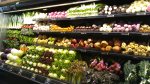
Avoid plastic, purchase produce in bulk without plastic
Next bring your reusable shopping bags to shop for dinner. Making a sheet pan dinner is easier than take-out. Here is a list of sheet pan dinners to last you almost a month. Purchase produce items without plastic wrap and plastic bags. Choose a new grocery store if yours doesn’t offer bulk produce of carrots, onions, potatoes, apples and broccoli. For a protein source visit the meat counter to avoid plastic wrap and Styrofoam trays. Eggs can be purchased plastic-free. Here is a sheet pan dinner using a can of garbanzo beans, and vegetarian sheet pan dinners here.
Why is it important we avoid plastic? Just a 9% of the single-use plastic in the United States is recycled. Plastic breaks into tiny particles, and is eaten by fish, turtles and other marine life. Plastic is made to last, and will stay on Earth hundred of years and maybe forever. I can’t imagine the future of our Earth if we don’t contain this harmful monster.

 Please sign the petition below asking President Biden to help stop the plastic crisis facing the world.