
Category: clean water
Reduce the waste you generate!

“I only feel angry when I see waste, when I see people throwing away things we could use.” Mother Teresa Only 9% of recyclables are recycled in the United States compared with Germany and Norway that recycle in the 60% range. Plastic manufacturers continue to create more plastic and push recycling. Unfortunately, recycling is not a sustainable option. I hope you will work hard to recycle your bottles, containers and paper waste because making things from recycled material is awesome and saves lots of energy and natural resources, but as consumers we need to also purchase items made from recycled materials.
A new paradigm is needed, we all need to reduce the waste and recycling we generate. Wasteful packaging needs to stop! Make it a priority in your life to reduce the waste you generate. Here are some simple ideas to get you started:
First, cook at home instead of take-out. Yes, it is some work, but organizing to have a few meals made ahead or in crock pots can reduce lots of waste and be fun at the same time.
Always carry your reusable water bottle and reusable bags.
Be a smart shopper, always think how you can purchase less waste, especially plastic waste. Don’t purchase plastic or Styrofoam trayed produce. Many stores have cloth bags you can purchase for produce.

Shop in bulk and refill any bottles your grocery store makes possible. Food coops have lots of refill options.
Choose products out of recycled material if you can find them.
Never put plastic bags in your recycling cart, recycle them at your local stores.

Waste Not!
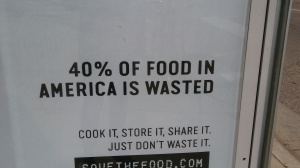
We have a serious problem. 40% of the food in the United States is wasted, and 30% of food worldwide is wasted. What a ridiculous waste of energy, money and water. Read more here.
At the same time over 800 million people don’t have enough to eat, and more land is being cleared everyday for more agriculture. Rotting food waste in landfills creates methane gas that causes pollution. Each one of us needs to reduce our food waste. I have said many times this is one of the hardest things for me to deal with in trying to help our climate crisis. Reducing food waste takes constant vigilance. This week I came home from the farmers market with rotten apples and cucumbers. Being a more thoughtful shopper and buying just what I needed could have helped.
These are important facts we should be aware of, from the IPCC, Intergovernmental Panel on Climate Change: Food production causes 30 % of greenhouse emissions, 80% of global deforestation, and uses 70% of the world’s fresh water!
My advice for managing food waste and working for zero waste in my home:
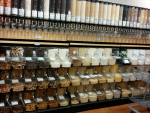
1. First, be mindful of your perishables, use your freezer, buy in bulk to get just what you need, and become aware that gluttony is a form of food waste
2. I save celery tops, onions and raw produce waste to put in a stir fry or soup. One of my favorite things about cooking is how I can use leftovers creatively. I love making wraps, rice or quinoa bowls with food leftovers.
3. Expiration dates are not something I obsess over. Most of the time food is good long past the date.

What things do you do to reduce food waste?
Superior Views in August

Oh August, what an enjoyable month on Lake Superior! The cold wind off the lake subsides making for sunny calm 70 degree days,and the quiet ripple of the waves is soothing. Eagles and sea gulls still screech at each other in their constant conflicts, and a pileated woodpecker bangs on dying trees, but like the hummingbirds most birds are getting ready to head south and are unusually silent.

August is one of my favorite months for watching butterflies. They bring joy as they flit around from plant to plant. The most common in my neighborhood is the white admiral, with frequent sighting of monarchs, fritillaries, and the tiny eastern-tailed blue.
Climate change is affecting the big lake. Weather patterns get stuck, and the rain and high water of the past few years is causing banks to collapse into the lake. Also, plastic is becoming a serious problem. Read about it here.

A MPR photo essay of sunrise on Lake Superior.
Our Actions Matter
What kind of world do we want to live in?
I think most of us would agree we don’t want polluted air and water, or a world without interesting animals, birds, and butterflies. Can we accept a world where people are staving to death? Do we want to live without diversity, in a mono-culture where we can’t accept anything different from how we live? Do we want a world where disrespect is accepted?

Several recent studies and events should wake us up and shake us to action. First a study from the United Nations that says we are going to have a food crisis if we don’t change our land use. We just aren’t going to have food for everyone if we continue on our path of land use and wasting food. The study encourages a reduction in our meat consumption. The raising of meat, especially beef and lamb takes an enormous amount of energy, land, and water resources. It also states we must stop wasting so much food. Read the study comprised by over a hundred scientists here.

Second, how about some plastic in your drink? Plastic is everywhere, and it might never break down. The amount of plastic microfibers in our water and air is troubling. Read about it at Plastic. Read about the plastic in the big lake at Lake Superior.

Finally, the quality of life will decline if we don’t have song birds and crickets singing, if we don’t have eagles, hummingbirds or happy chickadees to entertain us. We all want a world with penguins, giraffes and elephants. Our changing climate makes it necessary that we protect and support animals that will take longer to adjust to this change. Protecting some animals might be as simple as keeping oil and gas companies from drilling in certain areas. Read at Endangered Species Act . The Trump administration intends to end special protections of some of our most cherished animals.
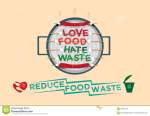
What actions matter? These are the things my household tries to do everyday. If everyone does a little, it adds up to a lot! 1. Reduce food waste. This is the hardest, but the most important! https://savethefood.com/ 2. Eat less meat, https://damndelicious.net/2014/12/02/15-best-quick-easy-meatless-recipes/ 3. Reduce our plastic foot-print and work for zero waste 4. Buy less stuff, and purchase items that will last, not junk! 5. Be kind. It would be a boring world if everyone had blue eyes, blond hair, tiny noses, and a perfect weight. Be respectful of our differences.

If everyone does a little, it adds up to a lot! Our warming planet is real, and we need to find ways use our land more efficiently, and to slow down our warming planet. What do you think? What kind of world do you want to live in?
Small Changes Can Make a Difference
Three months ago two large grocery stores in Australia banned plastic bags. It has lead to an eighty percent reduction in plastic bag use in Australia. Read about it here.
In England retailers are reporting a 90% drop in plastic bag use after a bag fee was introduced in 2015.
Businesses can take leadership and help make enormous changes to help our Earth. Call on Target to help. Here is a petition you can sign to get Target to ban plastic bags. Petition to Target

We can all make a difference also! First you can always bring your reusable/washable bags with you shopping. Make bringing bags a habit. Next, lets get Target to take leadership and ban plastic bags in their stores. Sign the petition, but also ask them to ban plastic bags when you visit their stores. Petition to Target
July, Plastic Free July, is almost over, but it’s not too late to set goals to reduce your plastic use. Start now!
Plastic Free July
It is hopeful that some states and countries have made important laws on the regulation of single-use plastic in the past six months. Where I live the corporations and lobbyists have so much power over the decisions and law making that plastic pollution continues. The first committee where I worked on plastic bag legislation was over 25 years ago!! But I am thrilled with the legislation of other places.
We are living in a time when people don’t want regulation, OK then, take personal responsibility, and reduce your plastic footprint by reusing washable containers, bags and water bottles.
As I write this I am traveling in Ontario, Canada. I was at the grocery store and everyone had their reusable bags. At a restaurant I said, “No straw please!” the waiter response was, “Our straws are made of paper!” WOW! Also, Canada has passed legislation to ban single-use plastic in a few years.
Other places have recently passed single use plastic bans. Read about it at: Maine and Vermont, and California works to regulate all types of plastic packaging. Oregon has bans on plastic bags, and New Zealand has began their bag ban. The European Union is working on single-use plastic bans, and even Thailand is trying to make a positive difference. Maine has passed a Styrofoam container ban that I think is huge!
We can all take personal responsibility and reduce our plastic footprint. Always bring your shopping bags and eliminate those take-out containers unless they are compostable. Everyone making a small effort adds up to an enormous difference!
Here is the Dorset family and their effort to be plastic-free https://www.facebook.com/watch/?v=2150414795256894
Plastic-Free Day
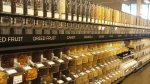
Reducing single-use plastic consumption is an important way we can make a positive change for our earth. We can make a big difference, and change the way we live our lives. Let’s start with One Plastic-Free Day, June 6. It’s not easy reducing your plastic foot-print, but it is possible. Becoming aware of all the plastic we purchase helps to start making change.

It is my hope that if we don’t purchase plastic items corporations will realize they need to make bottles and containers out of something that decomposes and can be composted. The plastic and oil industry will do everything they can to stop progress. That is why the consumer needs to speak!
Plastics are found in the air we breathe, the water we drink, and the fish we eat. I think this raises the bar that we need to make changes to our plastic life-style and fast.
My plastic-free journey has taken several years, it has been challenging, but fun at the same time. Filling bottles and containers with bulk item has just become habit. Food co-ops make it easy. It just takes a little organization to make a grocery list and figure which containers are needed for filling. I reuse the bottles and containers I have accumulated from earlier purchases. Also, we never eat at places that don’t use real dishes and utensils, but are still trying to remember to say, “No straw!” We never leave home without reusable water bottles and washable reusable bags. This past year we have begun making cookies, yogurt and humus with items from bulk shopping. Something I never wanted to take on, but now I make it fun, and zero waste cooking is healthy, rewarding and satisfying.
What are some items that are impossible to purchase in bulk and need to come in plastic?

Here are a few quick easy zero waste ideas from my local county: “There are many ways to avoid single-use items. Want a quick list? Pack your lunch in reusable containers. Forgo the straw in your drink. Bring your own mug to the coffee shop. Bring reusable bags, produce bags and containers to the grocery store. Support businesses that serve food on reusable dishes.” Hennepin County
Read Audubon’s easy ways to reduce plastic waste
Celebrate Trees

The power of trees is enormous. They add beauty and quiet to our lives. Trees work to keep our air and water clean, and they keep us healthy and happy. Be mindful of the trees in your life! Trees create that sense of belonging and community, see the video below.
“Whether you plant trees around your home and property, in your community, or in our national forests, they help fight climate change. Through the natural process of photosynthesis, trees absorb CO2 and other pollutant particulates, then store the carbon and emit pure oxygen. Planting trees helps fight climate change.” Arborday.org
Boycott Plastic
Earth Day is Monday, April 22.

On this Earth Week, can you find ways to reduce your plastic footprint? I am happy with my recent efforts to reduce plastic: Plastic wrapping on toilet paper is gone, milk for yogurt making comes from a reusable bottle, and I refill body lotion jars with scent-free lotion from my local food coop.

Plastic is very harmful to our Earth, but it is also harmful to our health. Read about the seven types of plastic and which ones are the most harmful to our human health here. Also, a new study claims we are even inhaling microplastics. We need to become aware of the harm plastic is doing, and I hope you will start the effort to boycott plastic today.
Ideas from my county to reduce plastic. “There are many ways to avoid single-use items. Want a quick list? Pack your lunch in reusable containers. Forgo the straw in your drink. Bring your own mug to the coffee shop. Bring reusable bags, produce bags and containers to the grocery store. Support businesses that serve food on reusable dishes.” Hennepin County
Read about the ten companies that are flooding our planet with throw away plastic. They need to take responsibility for the harm they are doing!
Below is a video from Greenpeace:

