I wanted to share an invite to Zero Waste Fest on Saturday, October 11 at Burroughs Community School in Minneapolis. It’s a free, all-day community event with panels, food, music, kid’s activities, and lots of hands-on ways to get involved in building a future without waste. Zero Waste Fest — MN Zero Waste Coalition
The day runs from 10am to 4pm and includes:
Inspiring panels on:
Building a Zero Waste Future in Minnesota
Plastic is a Justice Issue: Fighting Pollution from Production to Disposal
From Throwaway to Reuse: Reclaiming Culture, Creating Systems
Tabling from organizations around MN supporting zero waste
Clothing swaps and mending
Food, art, and music!
It’s free and open to everyone. I’d love for you to join us and help spread the word!
The choices we make for food are some of the most powerful we make for the planet. Reducing our meat consumption, reducing foot waste, and reducing plastic packaging make a huge impact.
This is such a thoughtful Earth Day post by Dan Buettner. I need to share it! Enjoy.
“On the places where people live the longest, Earth Day isn’t a date on the calendar.
It’s a way of life.
In Ikaria, Greece, families gather around tables that haven’t changed much in generations—bowls of beans, fresh vegetables, wild herbs, and homemade bread. In Okinawa, Japan, elders still tend small garden plots, growing the same nutrient-rich foods they’ve eaten since childhood. In Nicoya, Costa Rica, meals are cooked slowly, with care—and rarely, if ever, wasted.
No compost bins. No food miles calculators. Just deeply rooted habits that naturally care for the Earth. 1. The quiet climate action on your plate Globally, what we eat has a bigger impact on the planet than how we commute or what we recycle. But in blue zone communities, where chronic disease is rare and centenarians are common, food systems look strikingly different from the modern industrial model.
People grow what they can, shop close to home, and cook meals from scratch. It’s not about perfection—it’s about patterns. These aren’t grand gestures or sweeping declarations of sustainability. They’re quiet, everyday acts: soaking beans overnight. Picking greens before lunch. Making soup with what’s left in the fridge.
Over time, those patterns add up—not just to better health, but to a lighter impact on the Earth. 2. Plants, beans, and the power of simplicity At the heart of every long-lived kitchen is a humble foundation: beans. Black beans in Nicoya. Garbanzo beans in Ikaria. Soybeans in Okinawa. They’re eaten nearly every day, often with greens, grains, or root vegetables.
This isn’t just a healthy way to eat—it’s one of the most sustainable. According to environmental researchers, shifting toward a plant-forward diet can significantly reduce greenhouse gas emissions, conserve water, and use less land.
And yet, the secret isn’t just what’s on the plate. It’s the simplicity of it. Meals are built around a few affordable, nourishing ingredients. They’re not flashy, but they’re deeply satisfying—and deeply kind to the planet. 3. Homegrown, seasonal, and slow Long before “farm-to-table” became a restaurant trend, it was simply how people ate. In blue zones, food is closely tied to the rhythms of the land. Tomatoes are eaten in summer. Squash in fall. Greens in spring. Root vegetables in winter.
Backyard gardens are common. So are farmers’ markets and community exchanges, where excess harvests are shared instead of tossed. Eating this way naturally cuts down on packaging, long-haul transportation, and overprocessing.
But more than that, it builds connection—to the Earth, to the seasons, and to each other. In every longevity hotspot, food isn’t just fuel. It’s a daily relationship with the land. 4. Fewer packages, more presence A meal made from scratch doesn’t just nourish your body. It also avoids the packaging, additives, and excess waste that come with processed convenience foods.
In blue zones, people rarely rely on single-use plastics or highly packaged meals. Leftovers are stored in reused jars. Lunches are wrapped in cloth. Bread is baked, not bought. There’s a natural resourcefulness that comes from making do with what you have—and wasting as little as possible.
But the deeper benefit might be this: when meals take time, they also become something to slow down for. Cooking becomes a ritual. Eating becomes a shared experience. And in a world that often feels rushed, that presence is a gift—to both you and the planet. 5. A better way, one bite at a time You don’t need to grow your own food or cut out all packaging to make a difference. Start with what feels doable.
Try cooking one plant-forward meal each day. Choose in-season produce when you can. Make beans in big batches. Learn one simple recipe that becomes your new staple. Keep a cloth tote in your car. Compost your scraps if you’re able.
Small changes, done consistently, can be powerful. And they often ripple out—toward better health, deeper joy, and a gentler impact on the Earth.
This Earth Day, remember: the way we eat is one of the most personal—and powerful—climate choices we make.
And if it also adds years to your life? Even better.” Dan Buettner
In the blue zone of Sardinia, akentannos is a toast often used. It means ‘May you live to be 100 years.’ Akentannos!
The world is facing a trash crisis a climate crisis and a plastic crisis and they are all related to our overconsumption.
So few people connect the climate crisis to the purchases they make. Overconsumption is harmful to our air, to our water and to our health. Landfills and incinerators harm our health. We need to stop competing to be just like everyone else. When we shop purchase items that are of high quality and items that will last a long time. None of us need more junk!
Instead of a season of overconsumption and waste, make it a season of friendship, love and community. That doesn’t mean buy me a gift!
Whether it’s choosing to shop secondhand rather than buy new or simply pausing before you hit the checkout button, we can all rethink the way we consume.
Unsubscribe from sales communication and unfollow brands on social media: We all get those pesky marketing emails, physical mail, and texts, not to mention an onslaught of social media sales messaging, around the holidays. We encourage you to ditch the noise – join over 2 million people who did here. Catalog Choice is a free, online service that will help you save trees, prevent fraud, and fight junk mail. What’s not to love?
The holiday season doesn’t have to be about more Stuff. Together, we can turn the tide against corporate-driven overconsumption and reclaim the real joy of the holiday season.
It has been a hard week in the United States. The election of Donald Trump has created an exhausted public full of fear and sadness.
Don’t let this president-elect drag us down. Like VP Harris said, “Fill the sky with a billion stars!”
Everyday spend time outside, expend positive energy and kindness, and do something positive for the Earth. Drive less, eat less meat, and use less plastic.
Make telling the truth a priority. Always tell the truth and insist everyone around you tell the truth. Never share ideas that might not be true.
Take a deep breath and take care of yourself. Reduce your social media exposure, smile, be kind and love our earth.
He and SHE seeks!
Try this: When anxiety or overwhelm creeps in, step outside for a 10-minute nature break. Notice the clouds drifting overhead, listen for birdsong, or simply feel the breeze on your face. Even in the heart of the city, a nearby park’s grass and trees can provide this natural reset.
Let nature amplify your joy – whether that’s watching a spectacular sunset, watching a bird or finding a beautiful tree.
We need to go through the stages of grief, and everyone deals with grief at different rates. Give people space. Our values have been rejected and it takes time to come to grips with such a big loss. Read about the stages of grief here.
Please work for peace, harmony and joy for yourself and those around you
Plastic pollutes our Earth and is harmful to our health!
Plastic is made from fossil fuels with many toxic chemicals added.
This post has nothing to do with Greenpeace. I liked this logo
If plastic were a country it would be the 5th largest emitter of greenhouse gases. Plastic pollutes our planet at every stage of its life, it also causes disease and death.
Plastic is made from fossil fuels and also toxic chemicals. Many thousands of unregulated chemicals are added to make plastic soft, hard; fire resistant or whatever chemicals are needed to create the plastic product. These harmful chemicals leach into the food and drinks of the products they package.
Just knowing this about plastic do you really want to package your food or drinks in it? Not only is plastic leaching into our food, but it is also shedding particles everywhere. These particles, called microfibers, can be found every place on Earth and these microfibers carry with them the toxic plastic chemicals contained in plastic. Many of us consume a credit card of plastic particles a week.
More bad news about plastic! Plastic is difficult to recycle. All the chemicals and different types of plastic make it hard to recycle and hard to turn into new markets. Recycling plastic makes it more toxic. Only about 5 to 9 percent of all the plastic produced has ever been recycled.
Every person on our planet needs to reduce their dependence on plastic, most of all our children. We don’t know what the long-term effects will be, but many of the chemical additives in plastic are known to cause cancer and other serious diseases. PFAS, phthalates and bisphenols and many others, added to plastic, should be taken seriously, and the producers and manufacturers of plastic need to be held responsible for the harm they contribute to our health and our planet.
Please sign this petition calling for the US to join the Global Plastics Treaty encouraging the White House to commit to end the production and sale of single-use plastics, combat plastic pollution, and require producers and retailers of plastics to be liable for the cost of any environmental or health-related damages.
Most important, start this moment to reduce your plastic exposure/ footprint.
Always carry a reusable glass or metal water bottle, and reusable shopping bags with you.
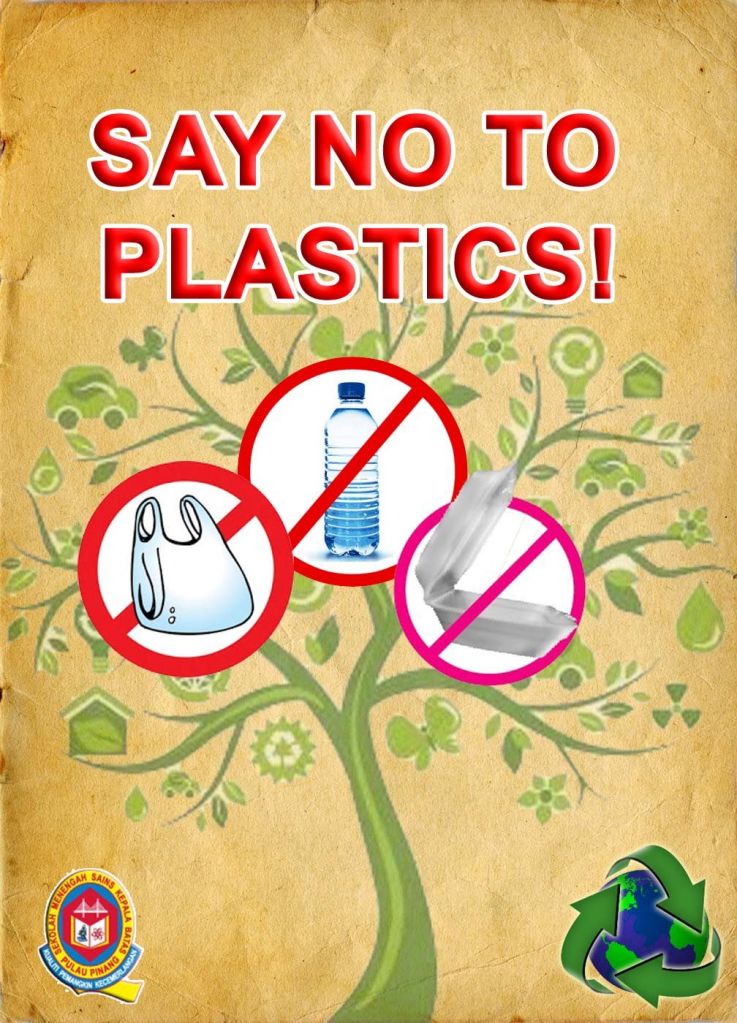
Learn to refuse single-use plastics, such as plastic water bottles and coffee cups, straws, plastic bags and plastic utensils.
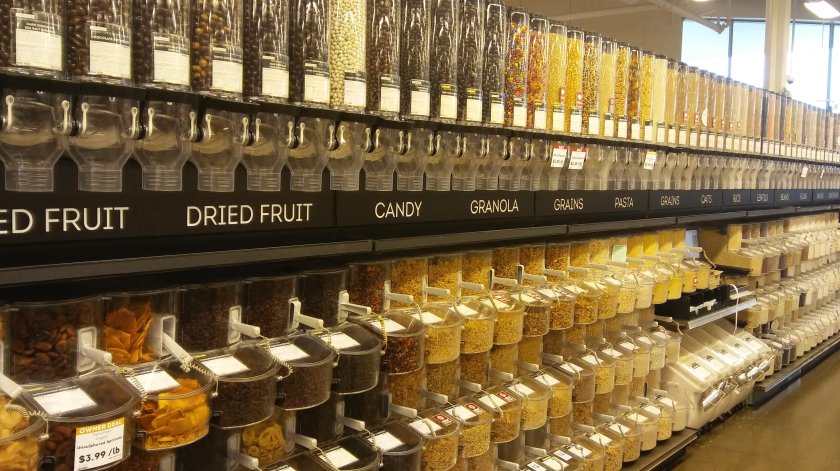
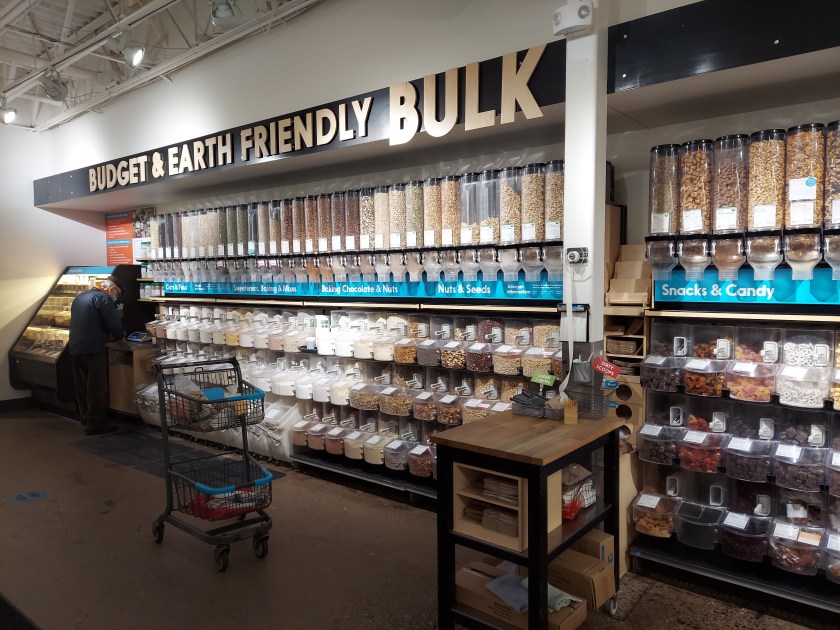
Purchase fruit and produce in the bulk section, and don’t place items in plastic bags.
Always search out products in glass jars instead of plastic containers.
When you must buy plastic products, choose ones that you can recycle rather than ones you must put in the trash.
Bring your own containers and shop the bulk section of your local food coop.
Please sign the petition calling for the US to join the Global Plastics Treaty, you can help encourage the United States to end the production and sale of single-use plastics by 2030, introduce measures to combat plastic pollution by regulating the entire life cycle of plastic, and requiring producers and retailers of plastics to be liable for the cost of any environmental or health-related damages.
It is World Refill Day! One of the best ways to reduce your plastic footprint is to refill your own containers. Grains, nuts, beans, and spices are so easy to purchase in bulk. From my experience, food coops are the easiest places to bring and use your own containers. Yesterday, my husband and I filled over ten of our own containers at a food coop. That’s a huge reduction in packaging! Don’t start with more than two or three items. Those at the coop will be glad to help you get started. Usually you begin with a tare weight of your container, fill your container with the item you want, label the number of the product on the container with the tare weight. Your coop might have a different process, but it will be similar to this. It sounds confusing, but it is easy when you see the entire process.
As a global movement, we have the power to create a wave of change. By choosing to reuse, we’re saving millions of pieces of plastic and sending a message to the rest of the world that the solutions to plastic pollution and the climate crisis are there – and together we can keep our environment, oceans, cities and communities plastic-free for the future.
Our throwaway culture is polluting our planet and we need to turn off the tap when it comes to single-use plastic. Globally, we use millions of tonnes every year and it’s becoming clear that we can’t recycle our way out of our plastic problem. Plastic is not only polluting our planet, impacting communities around the world, and contributing to the climate crisis, but it’s making its way into our bodies through the air we breathe and the food we eat.
My Earth month suggestions and the things I do most days are to purchase less junk, reduce my plastic use, pick up litter, and work hard to end food waste.
This month calendar has lots of ideas to be healthy and active. Add picking up litter and being kind to your daily activities.
Letter to the Startribune editorial page: While it is exciting that spring is coming, now is the also the time we see all the trash that has been snow-covered during our long winter. In this state of 10,000 lakes and many beautiful rivers, too much of this trash will end up polluting our waters if not cleaned up. I urge all reading this to do your part, and encourage others, too, to pick up as much trash as you are willing and able. If you are a homeowner, perhaps you can start with the trash in the street in front of your house. Perhaps carry a bag while walking and pick some up while exercising. Anything is a start and appreciated. Dave Councilman, St. Louis Park
What are you looking forward to this April? Enjoy, and make it worthwhile!
Refill your own containers in the bulk section of food co-ops.
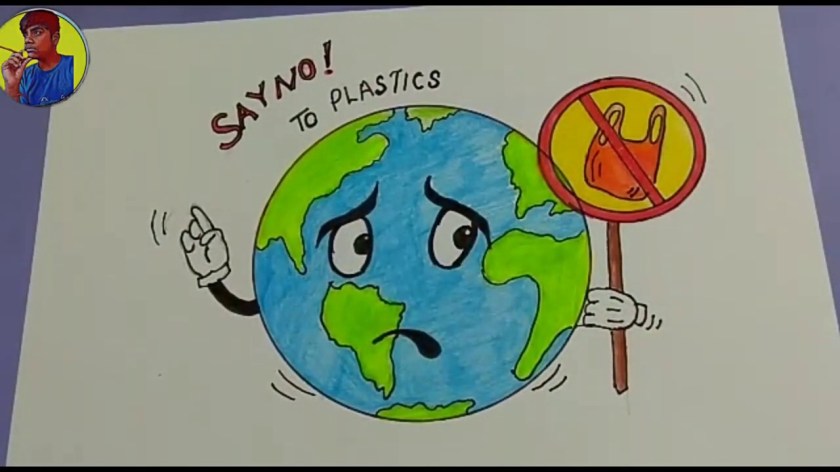
Reduce your plastic consumption!
“Zero-waste initiatives can foster sound waste management and minimize and prevent waste. This contributes to reducing pollution, mitigating the climate crisis, conserving biodiversity, enhancing food security and improving human health. The International Day of Zero Waste aims to promote sustainable consumption and production patterns and raise awareness about how zero-waste initiatives contribute to the advancement of the 2030 Agenda for Sustainable Development.
Humanity generates an estimated 2.24 billion tons of municipal solid waste annually, of which only 55 per cent is managed in controlled facilities. By 2050, this could rise to 3.88 billion tons per year. The waste sector is a significant contributor to greenhouse gas emissions in urban settings and biodiversity loss. Around 931 million tons of food is wasted each year, and up to 37 million tons of plastic waste is expected to enter the ocean annually by 2040.
The United Nations General Assembly formally recognized the importance of zero-waste initiatives and proclaimed 30 March as the International Day of Zero Waste, to be observed annually beginning in 2023.
Zero-waste initiatives can foster sound waste management and minimize and prevent waste. This contributes to reducing pollution, mitigating the climate crisis, conserving biodiversity, enhancing food security and improving human health.
The United Nations Environment Programme and UN-Habitat will facilitate the observance of the Day. All Member States, organizations of the United Nations system and relevant stakeholders are encouraged to implement zero-waste initiatives at local, regional, subnational and national levels.” The United Nations
Plastics are common because they are cheap, lightweight, and versatile. More than one-third of plastics are used for packaging, including food packaging, grocery bags, and straws, which are all items that get tossed after one use. Plastic use has increased 20 times since the 1960s and will continue to increase if changes aren’t made.
The amount of plastic we use is problematic because:
Most plastics are made from oil. About 4% to 8% of the world’s oil production is for plastics.
Many plastics can’t be recycled. In Hennepin County, less than half of the total plastic generated is recycled.
Plastics collect in our lakes and rivers and break down into micro and nanoplastics. These are threats for birds and wildlife and have known and unknown concerns for human health.
Micro and nanoplastics have been found in our soil, water, and food. About 60% of microplastics come from high-income countries in the form of tire dust, pellets, textiles, and personal care products.
Your plastic footprint
When you’re starting a journey to use less plastic, a good first step is to quantify your personal impact. By estimating the waste you create, you can decide what to focus on during these four weeks. The Omni Calculator plastic footprint calculator is one such calculator that you could use.
Replacing disposables with reusables
Once you have a better idea how much plastic you use, get started today with these five simple swaps for single-use items:
Plastic bags: Start using your reusable bags for groceries, produce, and more, including clothing, shoes, gifts, or whatever you buy. Keep some bags near your door or in the car for easy access.Plastic storage baggies: Plenty of alternatives for plastic zip bags exist. Use reusable containers in glass, ceramic, metal, or choose reusable snack bags.Plastic utensils: Start by bringing your own reusable utensils for your home packed meals, then start refusing disposable utensils when they are offered in restaurants or to-go. Find a few reusable utensils at a thrift store if you don’t want to risk losing pieces of your regular set.Plastic wrap: Use reusable containers with lids for storing foods, place a plate over a bowl in the refrigerator, or try an option like beeswax cloth to wrap over the top of your containers.Straws: Cut back your use or eliminate plastic straws by using a reusable straw instead. Request no straw when you place orders in person or online.
As our planet continues to warm, we are facing many consequences. California is facing incredible rains, Europe has unheard of winter warmth, and where I live, we have smelly bad air warnings. We cannot throw up our hands and claim there is nothing we can do. Every activity we participate in affects our warming planet. Can we buy less, drive less, eat less meat and use less plastic? Little things make a big difference.
If you can, stay off the road two days a week or more. You’ll reduce greenhouse gas emissions by an average of 1,590 pounds (721 kilograms) per year [source: EPA]. It’s easier than you think. You can combine your errands — hit the school, grocery store and dog daycare in one trip. And talk to your boss about teleworking. It’s a boon for you and your company. But being car conscious also means maintaining your car on a regular basis. You can improve your gas mileage by 0.6 percent to 3 percent by keeping your tires inflated to the proper pressure, and be sure to make necessary repairs if your car fails emission [source: EPA].
Give Up Plastics
The statistics are shocking: People around the world buy 1 million plastic drinking bottlesevery minute, and use up to 5 trillion single-use plastic bags every year. Humans are addicted to plastic, and hardly any of it — about 9 percent — gets recycled. A staggering 8 million tons (7.25 metric tons) ends up in the ocean every year. Break the cycle. Stop buying bottled water. Say no to plastic shopping bags and use cloth bags instead. Don’t use plastic straws. Drink from a reuseable cup instead of a plastic one. Avoiding plastic can divert a ton of waste from the oceans and landfill.
Clean air and clean water are better for all of us. Buy less and drive less.








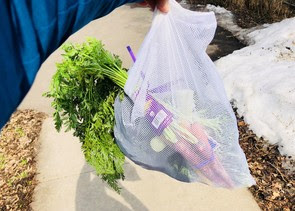 Plastic bags: Start using your reusable bags for groceries, produce, and more, including clothing, shoes, gifts, or whatever you buy. Keep some bags near your door or in the car for easy access.Plastic storage baggies: Plenty of alternatives for plastic zip bags exist. Use reusable containers in glass, ceramic, metal, or choose reusable snack bags.Plastic utensils: Start by bringing your own reusable utensils for your home packed meals, then start refusing disposable utensils when they are offered in restaurants or to-go. Find a few reusable utensils at a thrift store if you don’t want to risk losing pieces of your regular set.Plastic wrap: Use reusable containers with lids for storing foods, place a plate over a bowl in the refrigerator, or try an option like beeswax cloth to wrap over the top of your containers.Straws: Cut back your use or eliminate plastic straws by using a reusable straw instead. Request no straw when you place orders in person or online.

 Health4earth