
 Welcome to February!
See the Actions for Happiness calendar below. I’m wishing you kindness and happiness in February.
Friends are the sunshine of Life!

Welcome to February!
See the Actions for Happiness calendar below. I’m wishing you kindness and happiness in February.
Friends are the sunshine of Life!
Yikes, it’s cold where I live! The high today is -15 F, and with the wind it  feels colder. Please don’t feel sorry for us. It is just another extreme, and we are all living in a time of extremes. We have extreme droughts, extreme rains and storms, and extreme heat. Minnesota might be back to 40 degrees in just a few days, a 70 degree high temperature change in a few days! Yes, extreme!
Most of us would rather be here in the cold than in the extreme heat and drought Australia is experiencing. While our cold weather is a short blip, they are experiencing a long-term extreme. Read about it here.

There are some advantages to a short cold snap like this. We can hope that some of the invasive bugs that are unchecked because of our warmer winters will be stopped or slowed down. The cold will completely freeze over the lakes which make them safer for winter activities, and can also lessen summer algae. My favorite thing about the cold is that the sun often shines making for beautiful bright days.
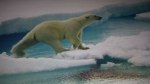
Is this part of climate change? Why does this Arctic air escape the Arctic? The Arctic has warmed faster than the 1.8 degrees the Earth has recently warmed. This warming has weakened the jet stream winds that would normally stay north, but this climate warming has caused these winds to seep south. Our warming planet has confused the jet stream causing them to rush where they normally don’t blow, bringing the Arctic winter cold with them. The extreme heat in Australia is a more serious problem that isn’t a passing scenario like our short-lived northern cold. Yes, our changing climate is real and we are experiencing it every day.
 Don’t waste food, don’t waste plastic and don’t waste energy!
A simple message from David Attenborough
 A new year brings new energy, new projects and hope into our lives. May we move on to a positive new beginning for us all. One thing that 2018 told us is that our Earth is struggling with harmful human activity. Our warming climate and our dependence on single-use plastic can have tragic implications as we move into the future. We can’t predict the future, but plastic waste and climate change are not going away.
If everyone does a small amount it can make a big difference! I have two things you can do to make a big difference on the Earth this new year. Even if you change one thing you do, and focus on that one thing in 2019 you will be making a difference!
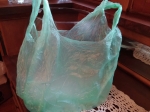
When I started this blog years ago, I was trying to get people to recycle. While I hope you will still recycle what needs to be recycled, it has become harder and harder to recycle that pesky plastic. Glass, aluminum and paper have markets, but we just use so much single-use plastic and there aren’t enough markets for plastic. Plastic can’t be recycled over and over like glass and aluminum.
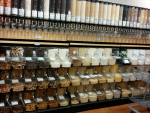
We need to reduce our plastic footprint. Start by changing one thing you purchase in plastic. At our house we refill bottles/containers with bulk at our local coop: soaps, lotions, teas, nuts, rice and almost every dry product we eat. We make our own yogurt, humus and cashew milk. Even as hard as we work on this we can’t avoid all packaging, it is too ubiquitous. As human beings we haven’t figured out our complicated relationship with plastic. The best thing is to avoid it.
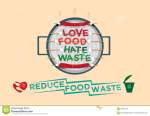 Tackling food waste is another way we can all make a difference. If you purchase in bulk you can get just the amount you need. Forty percent of our food in the USA goes to waste, I mourn the valuable water and energy wasted on uneaten food! How have you done on your holiday leftovers? Freeze, cook, eat that food! Be vigilant. I make it into game with myself to be creative making new items from left-overs to keep from wasting food. Just think of the water and energy that we could save! Also, rotting food waste in landfills creates methane contributing to warming the planet.
Some other ideas to make a difference: Make changes in your kitchen and 10 green resolutions from Earth911. PBS offers three science based ideas here.
Some inspiration from Dan Rather: ” I stand at the precipice of 2019, alongside all of you, and breath deep a spirit of empathy and a determination to do our part to help make this world a better place.”
Happy hopeful new year!
“Happiness is the meaning and purpose of life!” Aristotle
 Happy New Year!
Work for zero waste and reducing food waste!
From Thanksgiving to New Year’s Day, household waste increases by more than 25%. Added food waste, shopping bags, packaging, wrapping paper, bows and ribbons all adds up to an additional 1 million tons a week to our landfills. (Source: EPA)
We can all do something about this tremendous influx of trash and I will be posting ideas for 31 days on how to reduce trash and waste:
Day 31, Set new goals to help the environment for the new year. Suggestions: Be more vigilant about recycling, start a compost bin, recycle all shampoo and cosmetic plastic, use less chemicals, and make a commitment to get outside and appreciate our beautiful earth.
Day 30, Recycle, recycle, recycle Instead of throwing everything in the landfill trash recycle all plastic including plastic wrap and bags. Many communities recycle wrapping paper without glitter. Compost your food waste, and re-gift(give to someone who…
View original post 1,432 more words
“As long as you live, keep learning how to live!” Seneca
Be curious, ask questions, listen, volunteer, read a new book, take a new class, meet a new person, try something new!
What new things would you like to learn? I love this month’s happiness calendar. It’s about learning something new. A friend of mine attends the University Of Minnesota every weekday to study French, just for fun. She’s curious and learning something new! There is so much to learn and enjoy about the Earth and about difference cultures and ideas. So much to learn about science and geography, about history and literature, and on and on. I hope the below calendar makes you curious and helps you learn some new things. I hope it helps you set new goals, and that you have a “New Things November.”

Sundays: Super Sunday! A perfect day for kindness. How can you show people they are special to you, and that you are thinking of them?
Mondays: Make It Respectful Monday! Demand people show you respect, and show them respect back. Aim high, never gossip, lie, bully or make fun of people. Compliment, and active listen.
Tuesdays: Good Thoughts Tuesday! Give yourself a boost of positive energy. Enjoy the day and have fun. Turn off politics, Facebook and Twitter.
Wednesdays: Zero Waste Wednesday! Bring your lunch, use only reusable dishes, glasses and utensils. Cook your dinner, no take-out, and no wasted food! If possible leave your car at home. Have fun being good to the Earth!
Thursdays: Thankful Thursday! Think of all the people you are thankful for. How many times you can say, “Thank you.”
Fridays: Listen/Friendship Friday! Check in with an old friend or make a new friend. Listen and ask questions.
Saturdays: Smile Saturday! The more you smile the happier and better you feel. Good luck!

October is a magical month. Nature’s paint brush thrives with the fall colors. The hues change from green to red to orange to yellow to brown. And the fleeting colors and leaves hang on for life as the wind blows. Today the leaves gently fell from the trees like the first light snowfall. The first half of the month was unseasonably cold, cloudy and rainy, but the bright autumn colors kept the landscape bright and happy. I love October!
The wind dominates the weather. Eighty-mile an hour winds were recorded with twenty-foot waves pounding the Lake Superior shore. Some days and nights the waves from the lake pound our sandstone cliff. The spray can actually travel 75 feet to splash our house.
Interesting birds are migrating through from the north. Yellow rump warblers eat flies sunning themselves on our house, hermit thrush jump in the leaf litter, palm warblers wag their tails, and my favorite white-throated sparrows look for food in the brush. The junkos, harbingers of winter, are everywhere, and groups of snow buntings have just arrived.
Wildlife and humans hunker down into thoughts of the winter ahead. The brisk temperatures and short days become a message that our warmth is fleeting. The chickadees, gold finch and nuthatches are busy emptying our bird feeder. It is amazing they can remember where they hide their seeds. The squirrels and chipmunks wait below for scraps to be part eating and hiding fun.
The big lake is seldom quiet. The sound of moving water and lack of human noise is refreshing. We love our sounds from nature, and our one square inch of silence. https://onesquareinch.org/
 Our everyday activities make a big difference and small positive changes by everyone, can make a big difference to the health of our Earth. A Climatarian thinks about their impact on the Earth everyday, and they work to reduce their daily impact.
The news just keeps getting worse and worse for our warming planet as some places are overwhelmed by drought and fires, and others are inundated with storms and water. Warmer air holds more water and has caused ocean levels to rise causing hurricanes to become more destructive. Wildlife and humans are on the loosing end of this destruction. The lives lost, and the struggle to survive and rebuild are staggering. We are facing a climate breakdown! Read about the latest climate report by the world’s scientists here.
 Instead of trashing our air and water we need new paradigms to live by to protect our home. Our current United States government is determined to make this climate breakdown worse. Our warming planet is not going to heal itself. With a little personal responsibility to reduce our carbon footprint we can have cleaner air and water, and a much healthier planet. Let’s make it a team effort and make it a win-win for us all! As self-described Climatarian below are the things I work on everyday to reduce my footprint on Earth. To be successful start small, and when one thing becomes a habit try to add another.
Take personal responsibility to heal our Earth. My vision of a Climatarian is below. What is yours?

** Work for zero waste by reusing, refilling and refusing. This takes practice and commitment, but it is fun and easy once you get the idea of how, you can become an almost zero waster! Also, don’t waste food: Freeze and label your leftovers, and put them in wraps, stir fry or something you cook next. Be creative! Managing food waste takes constant vigilance. I will help you get started with zero waste, ask me how to begin????
 ** Reduce your meat consumption. We haven’t eaten beef or pork for many years, and I actually forget about purchasing from our local chicken source. Meat takes lots of water and energy to raise, and it is a terrible pollutant to our air and water.
** Drive less: No one wants to reduce their driving, but carpooling, public transportation and walking can be fun. Try it!!

** Consume less! The more we consume the more the planet suffers and the more garbage we generate. Buy less stuff and purchase things that last, and that you will reuse over and over. Try to become part of the circular economy.
And from EcoWatch, things you can do to avoid climate catastrophe. From the Washington Post things you can do for our Earth.

For many of us the past few days have been sad and disappointing. We so want decision makers that we can trust, and who see a vision of justice and respect for all. There is much work to do so we have to jump out of our sadness and work for a better world. Our world still depends on how we each live our life everyday.
The next month is crucial to talk to those running for elected office. Candidates will be everywhere, at your door, at community events and hopefully having debates. Tell them what you expect and what is important so get your one minute speech ready. Take action on the issues that matter to you.
Candidates for office need to hear us say how important clean water and clean air are to us. They need to hear us say that we need plastic bag and Styrofoam bans. They need to hear us say we need easier recycling and organic compost. They need to hear us say it needs to be easier for everyone to vote. They need to hear us say there are too many guns on the street, and of course women’s health care and women’s right to choose. What is important to you? What is your one minute speech?
The quality of our world still depends on how we each live our lives. Get out there make things happen: Vote and get others to vote, be healthy and stop using chemicals, pick up trash, and everyday work for zero waste. Our world depends on how we each live our life and there are many people out there doing magnificent things.
“TO BE HOPEFUL in bad times is based on the fact that human history is a history not only of cruelty, but also of compassion, sacrifice, …courage, kindness. If we see only the worst, it destroys our capacity to do something. If we remember those times and places—and there are so many—where people have behaved magnificently, this gives us the energy to act, and at least the possibility of sending this spinning top of a world in a different direction. And if we do act, in however small a way, we don’t have to wait for some grand utopian future. To live now as we think human beings should live, in defiance of all that is bad around us, is itself a marvelous victory.” –Howard Zinn


