Tomorrow is Earth Day. It is 55th Earth day since the annual event was initiated in the United States on April 22, 1970.
Earth Day was started by Wisconsin Senator Gaylord Nelson because he saw such deterioration of our water and air quality. It was a call to take better care of our planet. The call is even more important today with the terrible effects of climate change and the production of so much plastic which no one could visualize in 1970.
On this Earth Day visualize the world you want to live in and decide what changes you need to make to create the beautiful world you wish for??? How can we insure clean air and clean water for everyone?
Today we celebrate International Day of the World’s Indigenous Peoples.
Raoni Metuktire is an Indigenous Brazilian leader and environmentalist. Born in 1932, he has seen a lot of change due to climate change.
In The Carbon Almanac, we feature his quote and it serves as a reminder that we are all connected.
We all breathe this one air, we all drink the same water. We all live on this one planet. We need to protect the Earth. If we don’t, the big winds will come and destroy the forest. Then you will feel the fear that we feel.
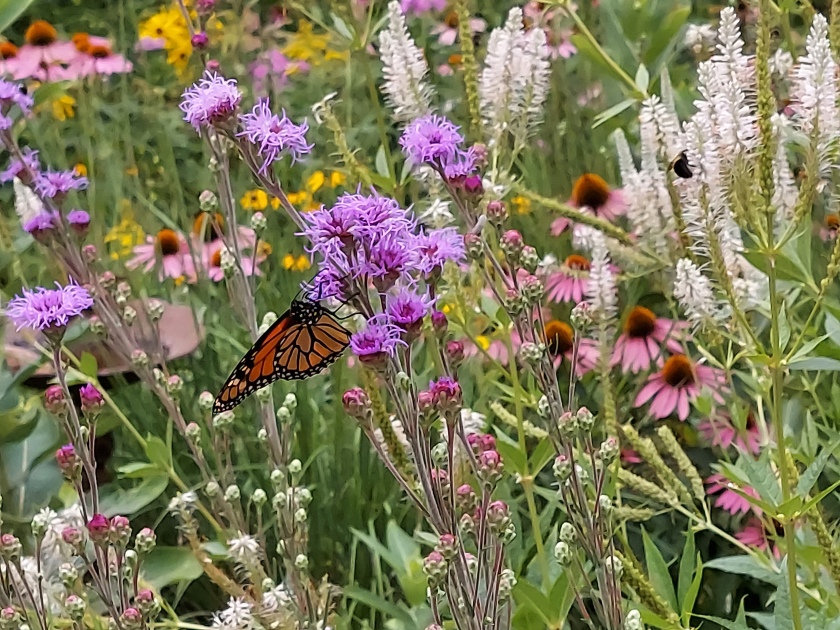
Monarch butterflies are beginning to return to Minnesota and should start arriving in droves in the next two weeks. But the population returning from Mexico will likely be much smaller than in years past.
A years-long drought pattern, winter whiplash and warming temperatures are all hurting the vulnerable species and the plants it relies on to survive, according to University of Minnesota Professor Emilie Snell-Rood, who studies monarchs and other pollinators.
We are in a climate crisis, a waste crisis, and a plastic crisis. The last thing we need is for people to purchase more landfill junk. Everyone has a right to clean water and clean air. Buying less stuff, and producing less waste helps keep our water and air clean.
Purchase items of quality and things you really need this holiday. Also, become aware of the plastic that you send to the landfill.
Zero Waste is moving from our throw-away and overconsumption culture to a more sustainable way of reusing and refusing.
Food waste in landfills produces harmful methane gas.
The EPA reports that garbage increases 25% between Thanksgiving and New Year’s. Here are new ways to reduce your waste.
It is up to all of us to create a healthy environment.
Do we have a right to a clean and healthful environment?
A Montana state judge sided with 16 young people in the country’s first ever constitutional climate case. The judge ruled that youth had a right to a healthy environment. This trial comes after state lawmakers passed legislation that allowed fossil fuel projects to be permitted without considering the climate impact and greenhouse gas emissions from their legislation causing harm and injury to Montana’s youth— a violation of their state constitutional right to a ‘clean and healthful environment.’
This should be a message to all of us. We all need to work to create a “clean and healthful environment” for our youth and for all of us. Everyday, we need to reduce our fossil fuels by driving less, buying less, not idling our cars, and reducing our use of plastic.
According to NOAA, Earth has just experienced the hottest July in 174 years of records, and the hottest eight Julys in the past eight years.
We all have experienced “Global Burning” and tragic weather events causing much loss of life and destruction. We must work together for a more stable future environment with clean air and clean water.
If everybody does a little it adds up to a lot! We all want to live in healthy communities, and everyone must do their part.
On what should have been a beautiful Lake Superior morning, smokey air was creeping across the big lake from fires burning in Canada. Luckily, most days are filled with brisk clear Lake Superior air.
Amazing butterflies, the Compton tortoiseshell.
Sounds of robust birds singing fill the woods. The chestnut sided warbler, song sparrows, oven bird, indigo buntings, red-eyed vireo and many others sing all day long.
The butterflies are the very best, and the contrast to so few butterflies in urban areas is striking. Every amazing butterfly that lives in June is here. They seem to love the host plants I have planted to get them to begin the next generation of butterflies. There is hope for the future if we could get over our addiction to pesticides and plant pollinator gardens.
Milkweed is a wonderful host plant.
The swallow tail is one of the easiest butterflies to identify.
Seeing the bear, fox and big bucks and deer have been a surprise. After several years of scarcity, they are back, and the squirrels, chipmunks and bunnies are almost non-existent.
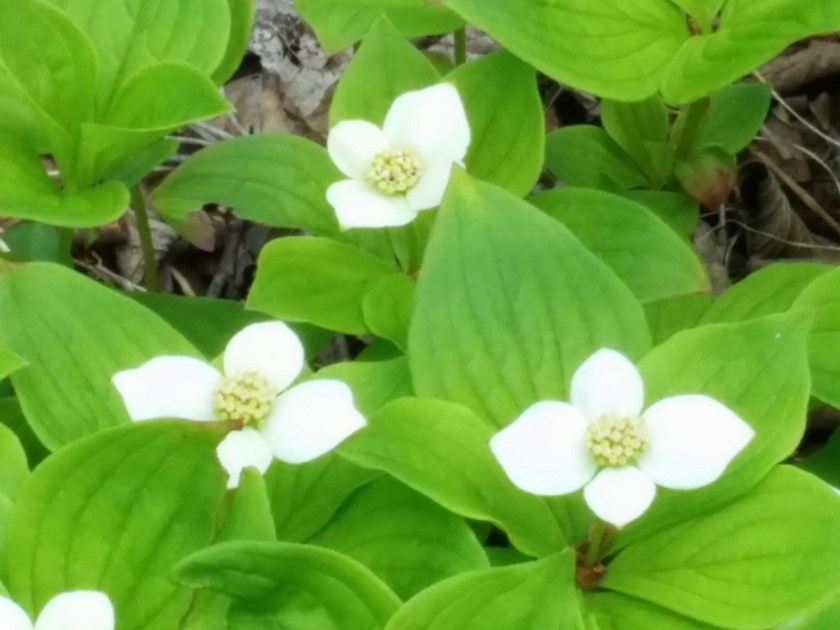
Bunch berries will have red berries later in the summer.
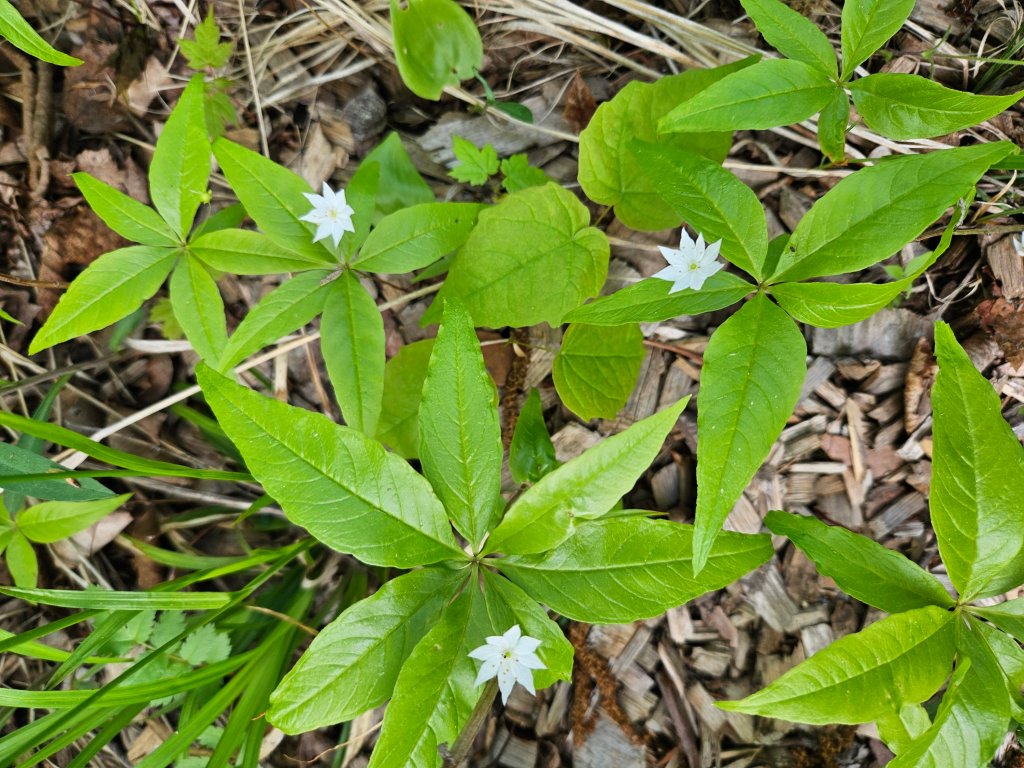
June in the north country of Minnesota and Wisconsin are famous for the beautiful but non-native lupine. They grow in patches everywhere. This year I was struck by all the June white plants blooming. and have enjoyed enormous fields of daisies. I especially love the delicate star flower, the false lily of the valley, the hardy Canada anemone, and classic north woods bunch berries. To experience these beauties, you need to get out of your cars and walk!
I am sad about all the bad air warnings. One week it is wildfire smoke, the next week it is ozone pollution. Our precious summers go too fast to have to stay inside to avoid unhealthy air. Every action matters, and we all can make a difference! Let’s all work harder for clean air.
If everyone does a little, it makes a big difference! Please don’t use your leaf blower or lawn mower if they pollute, and please don’t idle your car/truck.
What can you do to help ozone pollution?
Don’t use lawn mowers or leaf blowers
Use public transportation or carpool. Minimize the use of cars and trucks.
Do not idle your car engine!
Take a long break from your outdoor heaters and fires!
Reduce your plastic use. Plastic pollutes our air and bodies at every stage of its life. Plastic is made from fossil fuels.
Do not use cleaning products that are harmful to the environment and to us.
Buy local products.
Maintain air conditioners, as their malfunctions cause CFC to escape into the atmosphere.
Spend more time indoors, where ozone levels are usually lower.
Choose easier outdoor activities (like walking instead of running) so you don’t breathe as hard.
Plan outdoor activities at times when ozone levels are lower (usually in the morning and evening).
Much of the state is experiencing its third straight day of unhealthy air quality. The culprit this time isn’t wildfire smoke, but rather ozone – a colorless, odorless gas that forms when certain chemicals in the atmosphere interact under intense sunlight.
In practical terms, ozone can cause similar breathing problems as wildfire smoke, and it’s linked to many of the same long-term health ailments, including premature death. But there are enough differences between these two flavors of air pollution that I wrote an explainer on them yesterday, in part to help me fully understand the situation.
One interesting takeaway: when it’s smoky out, experts recommend wearing a mask outdoors or running an air purifier with a HEPA filter inside, which removes smoke and other fine particles from the air. But ozone isn’t a particle, it’s a gas – meaning masks and air filters don’t work against it.
And here’s an especially wild fact to ponder: many companies market “air purifiers” that actually add ozone to indoor spaces. Generally speaking you should steer away from products claiming to use “ionization” or “energized oxygen” to clear the air. The electric processes they rely on produce ozone and actually make the air dirtier.
Other products take this a step further – there’s an entire category of “ozone generators” that deliberately add ozone to the air, under the mistaken belief that ozone molecules remove other pollutants. It’s kind of like pumping car exhaust directly into your house to hide the smell of cigarettes. MN Reformer
And from the American Lung Association: It may be hard to imagine that pollution could be invisible, but ozone begins that way. As ozone concentrates and mixes with other pollutants, we often call it by its older, more common name—smog. It is currently one of the least well-controlled pollutants in the United States. And it is also one of the most dangerous.
Scientists have studied the effects of ozone on health for decades. Hundreds of studies have confirmed that ozone harms people at levels currently found in the United States. In the last decade, we have learned that it can also be deadly.
There’s just something about being outside that seems to lift your mood and bring on the happy. Happy May!!
I hope you can spend lots of hours outside this May. Clean air is crucial to being outside! What can you do to ensure our air is clean?
Native plants bring birds butterflies and bees into your yard. They also need no chemicals, and create cleaner air!
Hooray for May. It has been a long snowy winter where I live. This May get outside to experience the beauty of nature. Time outside demands fresh air. It’s a big frustration for me when I go outside, and someone is using a smelly lawn mower/leaf blower, or the airplanes overhead are spewing bad air Why people need to idle their engines as they read their phones is a mystery to me? Please turn your engine off. **This May spend time outside and work for clean air! There’s just something about being outside that seems to lift your mood and bring on the happy.
I have just been out walking along a river near my house. It was so quiet, the baby leaves are just popping on the trees. Manny rich colors, and wow, beautiful wildflowers appearing! I saw my first bull snake. Pay attention and nature will award you!
-Work for clean air. Never idle your car engine, don’t use your power lawn mower or leaf blower, and please avoid outdoor fires. All these polluting activities contribute to our climate crisis. Every action matters!
-Two or more days a week leave your car in the garage.
-Take a breath, clean air! Thank you.
-Clean air is an environmental justice issue. Read about it here. Never support the burning of garbage or chemical recycling.***
-Participate in No Mow May https://www.ecowatch.com/no-mow-may-uk.html No Mow May is under way! #NoMowMay encourages people to resist the call of the lawn mower and leave lawns untouched until the end of May for the benefit of: pollinators, biodiversity and clean air!
-Enjoy a peaceful bike ride away from traffic!
**Idling your car wastes fuel, money, and causes air pollution and health problems. It is better to turn off the ignition if waiting more than 10 seconds, as restarting the car does not use more gas than idling.
***What is chemical recycling? The process primarily involves converting plastic into fuel that is then incinerated. Far from actual recycling, it’s really just an expensive and roundabout way of burning fossil fuels. The chemicals industry is lobbying hard to get two types of these plastic-to-fuel incinerators — pyrolysis and gasification — exempt from regulations under the Clean Air Act.
The Actions For Happiness groups has a calendar of activities to help make May meaningful and kinder!
Drought, famine, flooding, storms, hurricanes. We are living at a time of extremes. There is either not enough water or too much water? Is our beautiful fragile planet paying us back for all the abuse it takes? I think the warming of the oceans has a lot to do with our extremes. Our oceans absorb the carbon dioxide and pollution causing them to warm and oceans have a lot to do with weather systems. Climate change also impacts the intensity of Hurricanes. In recent years, a higher proportion fell into Category 4 and 5, a trend that is expected to continue.
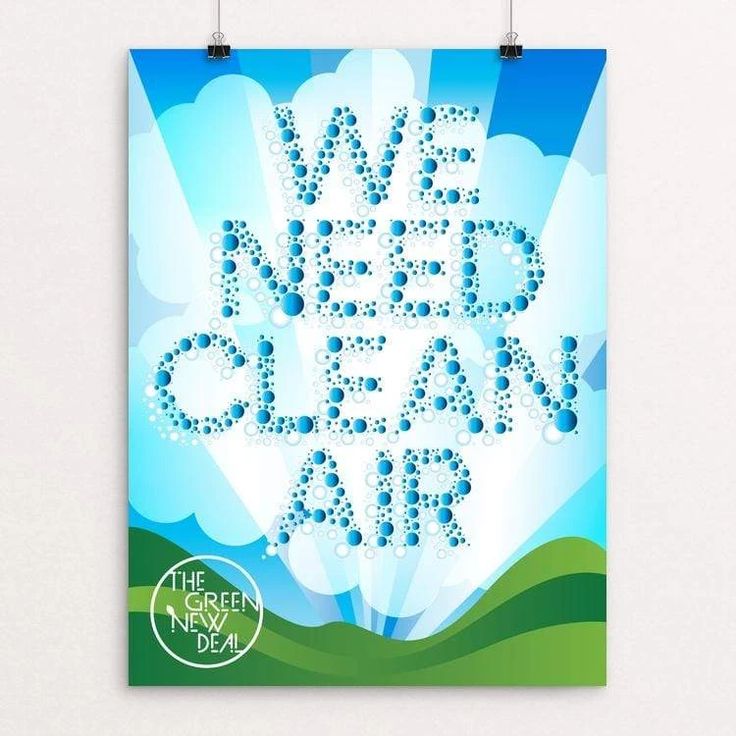
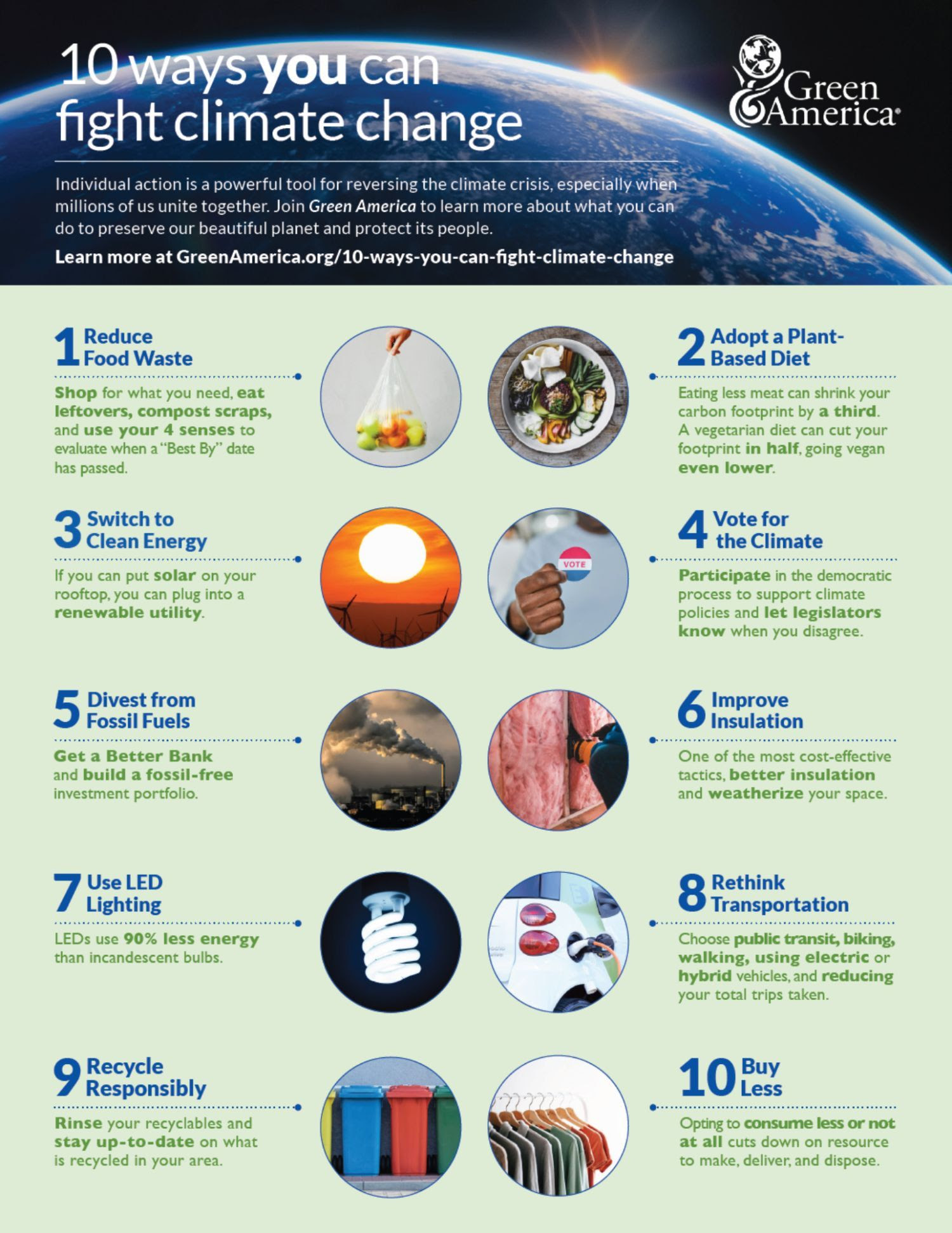
We aren’t doing enough to stop polluting our air. I love this climate poster but it is missing one crucial aspect: Use less plastic! Plastic production is a big contributor to more air pollution. Plastic is made from fossil fuels and contains many harmful chemicals. Also, there is new evidence that plastic pollution is making our oceans more acidic. https://health4earth.com/2022/07/26/how-about-a-dose-of-chemicals/
Our planet needs everyone to do their part. Start by driving less and buying less, and many of the others will fall into line! Individual action is a powerful tool for reversing the climate crisis, especially when millions of us unite together.
Clean water and air are important to our survival!
“Air, water and plastic pollution is a chronic challenge. Microplastics have been found worldwide, and the risk to human health is an open question.
New research as Stockholm University suggests that rainwater isn’t safe to drink anywhere on Earth, due to the presence of PFAS or forever chemicals found in food packaging, electronics, cosmetics and cookware.” Paul Douglas, Meteorologist
While the EPA, state/local agencies, and the environmental industry at-large work to eliminate PFAS exposure risk, there are a few simple steps anyone can take to reduce exposure to these harmful chemicals.
Start with awareness. Become aware of PFAS, the potential risk of chemical exposure, and spread the news. Reading this article is a good place to start.
Research your local water utility to learn if the water supply has been sampled for PFAS. If they are detected, ask what is being done about it. Most water utilities provide periodic reports on water quality and can be found through the tap water database tool published by the Environmental Working Group.
Look for PFAS-free alternatives in your consumer purchases. Inquire about everyday consumer products that may contain PFAS, including food wrappers, cosmetics, dental floss, and weather-resistant clothing. Look for safer alternatives. Although you will likely not be at significant risk by continuing to wear your PFAS-treated shoes and boots, the continued manufacturing usage of PFAS leads to the contamination of groundwater and drinking water, and the risk of health effects.
I would add: Reduce the plastic you use for food storage, and the plastic you purchase. Also, don’t use non-stick pans.








 Health4earth