Reduce your microplastic exposure

Plastic is everywhere. Plastic breaks down into harmful pieces called microplastics. We consume them when we use plastic water bottles, plastic containers and utensils. Below is an article from Wirecutter on how to avoid plastic. It is excellent.

Our bodies are taking in plastic, and it’s more than nature intended.

1. Cut back on bottled water

Some research indicates plastic bottled water may be a significant source of microplastics. While scientists are still studying just how significant, one study from 2019 of water and other commonly consumed food and drink found it to be the most concentrated source.

There is emerging evidence that on average, bottled water contains more microplastics than tap. (One study published in 2024 suggests that we have underestimated measured concentrations.)

Drinking bottled water in a pinch isn’t the end of the world, but if you have concerns about it, you could always consider carrying a reusable steel or glass bottle or tumbler when out and about.

2. Get an NSF-certified water filter

Switching to tap water from plastic bottled water will likely significantly reduce your routine exposure to plastics. But while the average plastic water bottle contains more microplastics and nanoplastics than tap, research shows that tap water may also be a source of microplastics.

Several of our water filter picks are specifically NSF/American National Standards Institute–certified to reduce microplastics, which means they’ve been rigorously tested in an accredited lab. They’re certified only to reduce since the filters cannot guarantee total elimination. Our picks include under-sink filters, such as the Aquasana AQ-5200, and the Brita Elite.
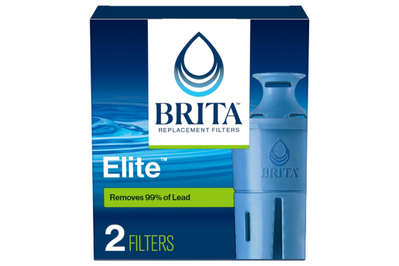
Brita Elite Filter

Yes, it’s ironic that most NSF/ANSI-certified water filters contain plastic. But any microplastic shedding from using the plastic filter is likely to be minimal, as long as you avoid running hot water through the filter and store your water in the fridge, since heat accelerates plastic degradation.

Research suggests that boiling tap water, cooling it, and then filtering it may be especially effective at reducing microplastics, although it’s less practical for most people than simply using a filter.

3. Don’t use plastic to store food

Plastic food storage and packaging is so common that it’s difficult to avoid entirely. But your safest bet is to avoid storing food or liquid in plastic when possible and to minimize exposing any plastic (even those that say they’re BPA-free or microwave-safe) to high heat. Sunlight, acids, and physical erosion can also degrade plastic.

4. Don’t reuse single-use plastics for food and drinks

It’s great to reuse single-use plastic—just not for food. Unless you’re using the plastic in the freezer, save it for something that isn’t food storage or reheating, said Dr. Gillian Goddard, an endocrinologist and author at ParentData, a science-based online resource for parents. That means don’t reuse plastic takeout containers, breastmilk bags, or drink bottles.

5. Don’t microwave in plastic

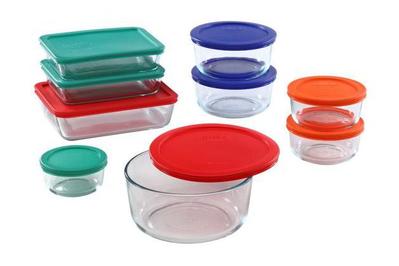
Avoid microwaving or heating food or water in plastic—even if it says it’s microwave-safe, said Tracey Woodruff, director of the Program on Reproductive Health and the Environment at University of California San Francisco. Instead, consider glass or ceramic. The Pyrex Simply Store 18-Piece Set is our pick for the best food storage containers, and they survived our drop tests, stack neatly, and come with user-friendly lids (although you may not want to microwave the plastic lids). Our runner-up, the leakproof Glasslock 18-Piece Container Set, is another great option.

Top pick
6. Wash plastic by hand

Dishwasher temperatures run very hot and can degrade plastic—even dishwasher-safe plastic—and lead to microplastic shedding. Try to wash your plastic food containers by hand.

7. Use wood or bamboo cutting boards

Some research suggests that plastic cutting boards can be a significant source of microplastics in your diet, since repeated cutting on their surface can dislodge particles that adhere to food. Wood cutting boards also have some other advantages: They’re better for your knife blades and last longer than plastic when properly taken care of.

Take special steps for infants and young children

Infants may be exposed to microplastics and nanoplastics in much higher concentrations than adults. Research shows that this exposure may be cause for concern, particularly at critical stages of early development. But much like health risks to adults, it’s important to think of microplastics exposure as just one piece of a child’s overall health.

“I emphasize that before putting much energy and resources into minimizing unknown risks, it is worth attending to reducing the risks we know about,” said Dr. Carlos Lerner, a pediatrician and professor of clinical pediatrics at UCLA Health. He cited following safe sleep recommendations for infants, avoiding secondhand smoke, and practicing good nutrition as examples.

If you want to take a more precautionary approach, avoid using plastic to warm formula or breastmilk. This is the main point of advice from the experts I spoke with, as well as the Cleveland Clinic.

1. Avoid microwaving or heating formula in plastic

Recent evidence shows that polypropylene-bottle-fed babies may swallow very high levels of tiny plastics due to the high temperatures used to sterilize bottles and prepare formula, as well as shaking the bottles to mix. If you want to feed your baby warmed formula and use plastic bottles, consider premixing the formula in a glass container, then cooling it down before transferring it to the feeding bottle.

2. Rinse heat-sterilized plastic bottles before adding formula or breastmilk

If you use heat to sterilize plastic bottles, leave them to cool then rinse them several times before filling them with formula or breastmilk, Lerner suggested.

3. Consider glass or silicone over plastic bottles

If your baby prefers warmed milk or formula, consider heating it in a glass or silicone bottle. (If you don’t use a bottle warmer, we have advice about how to safely do this without one.)

4. Wash hands before eating

For young kids who eat with their hands, try to establish a habit of handwashing before eating, said Woodruff. While handwashing is not always possible, it can help reduce exposure from touching microplastics in dust and soil (and maybe, just maybe, stem the tide of germs).

How worried should you be about microplastics?

Scientists are still studying the exact connections between these teeny tiny pieces of plastic and human health. But it’s clear that exposure to plastic—whether it’s those tiny particles, the chemicals they leach, or a combination—is being linked to a variety of worrying health issues.

Some of those connections still require more research, such as ties to colon cancerrespiratory diseasemetabolic function, and disruption to endocrine systems, while others—like a recent study that found those with levels of plastics in their arteries were at a higher risk for heart attacks, strokes, and death—seem a little more clear.

It’s important to remember that these links point to concerns about the impact of microplastics on public health, but they are not specific, predictable outcomes. “What I’m thinking about is population risk, not a risk to a specific individual,” said Goddard.

The tricky thing is that microplastics and nanoplastics are impossible to avoid, no matter how diligent you are: They’re in the air we breathe, our drinking water, and our food. But scientists aren’t sure what levels of microplastics and nanoplastics we’re each taking in from those sources.

The oft-cited estimate that the average person eats a credit card’s worth of plastic every week has been called into question. But our bodies are certainly taking in plastic, and that’s more than nature intended.

Given the growing body of evidence, it’s possible that we’ll start to see more public health measures that address microplastic pollution. Until then, taking care of your overall health is the first line of defense, followed by taking reasonable steps to reduce microplastic exposure.

dHere is the link if you would like to read their recommendations https://www.nytimes.com/wirecutter/reviews/how-to-avoid-eating-microplastics/

Sources

  1. Tracey Woodruff, director of the Program on Reproductive Health and the Environment at UCSF, phone interview, April 25, 2024
  2. Gillian Goddard, MD, endocrinologist and adjunct assistant professor at NYU Langone Hospital and author of “Hot Flash” newsletter from ParentData, phone interview, April 26, 2024
  3. Carlos Lerner, MD, pediatrician at the Children’s Health Center at UCLA and professor and Jack H. Skirball endowed chair in Pediatrics at UCLA, email interview, April 26, 2024
  4. Hayley Goldbach, MD, board-certified physician and dermatologic surgeon at Brown University, email interview, April 29, 2024

A Plastic-Free Holiday

I love this from Beyond Plastic!

6 Steps to a Plastic-Free Holiday Dinner

1. Choose Scratch Over Store-Bought

Most store-bought dishes from supermarkets and restaurants will be packaged in plastic or other disposable containers. To avoid the unnecessary plastic, focus on cooking from scratch. Ingredients like vegetables, flour, butter, and nuts can be commonly found in non-plastic packaging. For items like nuts and dried fruits, see if your local market, co-op or health food store has a bulk section and bring your own bags to fill up! When faced with a choice of packaging, choose glass or paper over plastic. If you’re looking for inspiration, see our (newly updated and expanded) recipe suggestions below. As long as you plan ahead, there should be plenty of time to make things from scratch.

2. Shop Local

Shopping locally reduces your meal’s carbon footprint and helps support local small businesses which need our business more than ever thanks to the growth of online grocery ordering from Amazon and other etailers. Show your community your thanks by supporting local businesses!

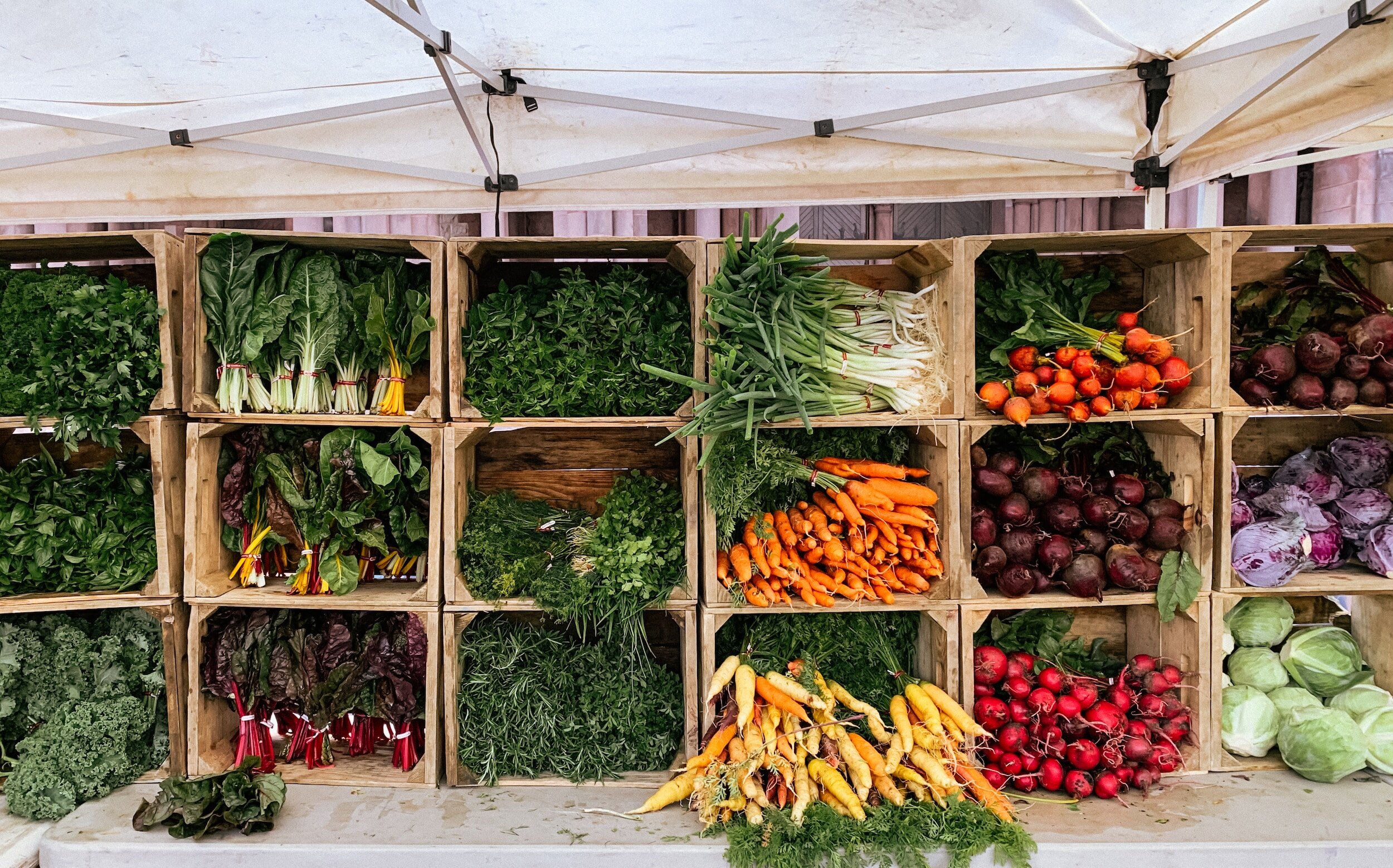
If you don’t have the time or inclination to make pumpkin, pecan, or apple pie from scratch, check your local bakery.  While you’re there, pick up the bread you’ll need to make your stuffing and bring it all home in your own reusable bags. Visit your local farmers market to pick up potatoes, squash, sweet potatoes, carrots, onions, greens, leeks, parsnips, and more. If your farmers market is closed for the season, many CSAs (community supported agriculture) also offer a special one-time Thanksgiving share of goodies to anyone, even if you’re not a subscriber. 

3. Use Sustainable Decor

Forget the dollar store, you can make beautiful fall decor for your table setting and dining room with things from your backyard and local farm stand. Pressed leaves, squash, and pumpkins make for great wall and table adornments. Check out some good DIY ideas here. And don’t forget to get the kids involved!

4. Serve on Reusable Dishes & Dinnerware 

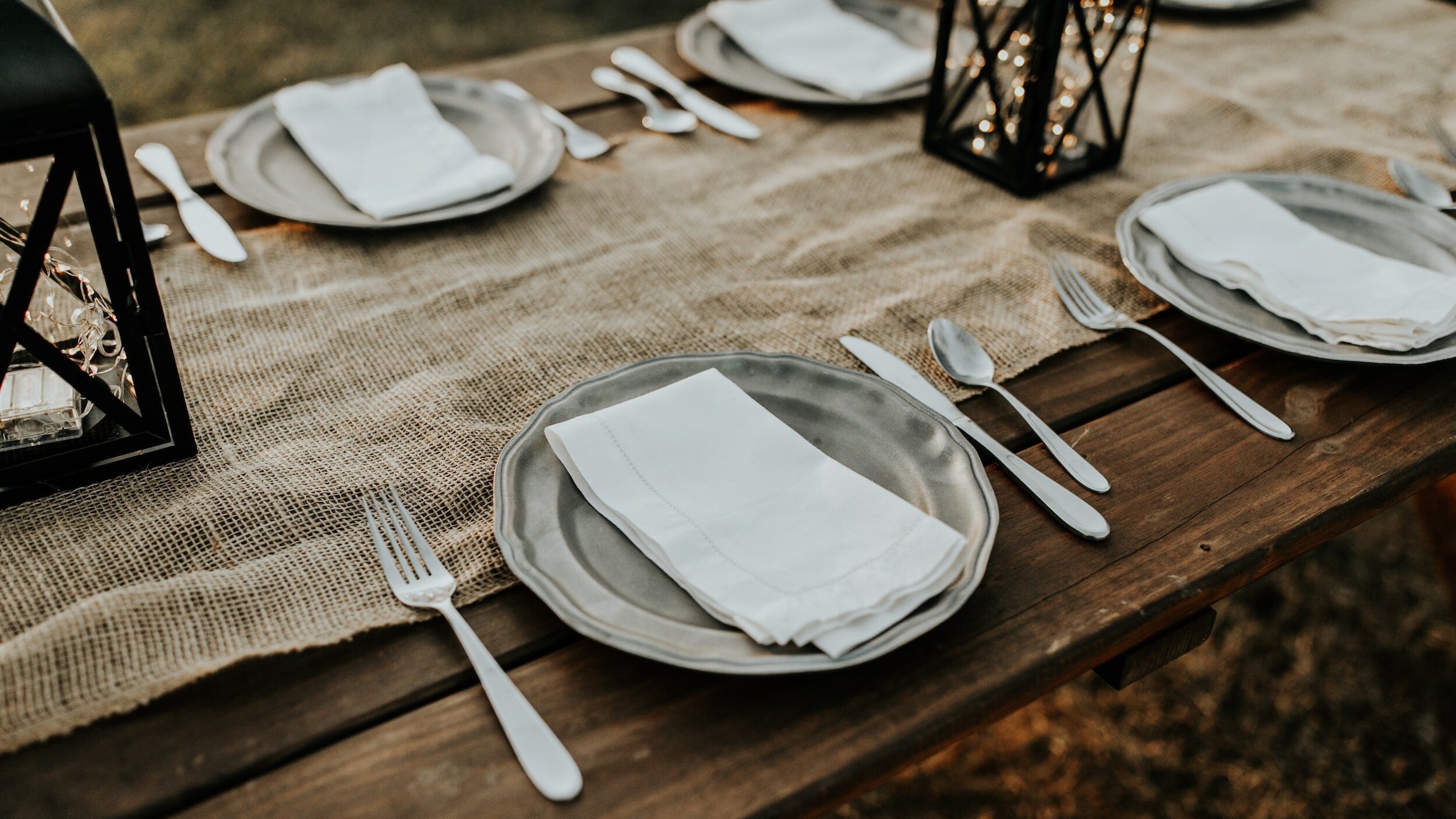
Plastic utensils and cups end up in landfills, incinerators, or waterways where they can pose a threat to wildlife. Set your table with a beautiful tablecloth, ceramic or metal plates, cups, serving platters, metal utensils (got a set of silverware from your parents or grandparents you can bust out?), and cloth napkins. If you’re hosting a big gathering and don’t have enough plates, glasses, serving dishes, or cutlery, take a trip to your closest thrift shop, ReStore or Salvation Army to pick up more on the cheap (there’s often some real gems and some actual silverware mixed in with the cheaper stuff.) You can serve your drinks in glass pitchers or bottles. If your family likes seltzer, consider investing in a machine to carbonate your own “bubbly water”. Tip: choose the model that comes with glass bottles over the plastic ones. If you have kids, assign them the task of polishing silver—they may find it deeply satisfying. Sticking to reusable tableware will not only reduce your waste but also save you money. Get your family or friends to help you wash anything delicate that can’t go in the dishwasher and toss all your cloth items in the washing machine afterwards. No muss, no fuss, and, more importantly, no WASTE.

5. Provide or Remind People to Reusable Containers for Leftovers

Going to family or friend’s home for dinner? Bring your own glass or metal containers to cart home some delicious leftovers. There are also some great beeswax-coated fabric wraps out there these days that can take the place of plastic wrap or tinfoil. If you are hosting the dinner, remind guests to bring reusable containers with them. If you have extras to spare (say from all those take-out containers you saved during COVID lockdown), you can offer them to guests who’ve forgotten to bring their own. If you haven’t yet invested in glass or metal containers, don’t let that stop you – just bring plastic tupperware or clean yogurt containers, etc., but make sure not to heat anything up in those containers later to avoid the chemical leaching that occurs when hot food comes into contact with plastic. If you do use aluminum foil, when you’re done, don’t forget to gently clean and dry it and save it to use again.

6. Compost Your Food Scraps and Decorations!

Compost any scraps from cooking or leftovers that aren’t being saved, as well as any compostable decor you’ve put up or used on the table once you tire of it. Reminder, if your Thanksgiving dinner includes a turkey, you can make delicious, nourishing stock out of the carcass before you compost it. You can then make an excellent, very flavorful turkey soup or freeze the stock for several months. If you’re not sure what can and can’t be composted, check out this helpful list. If you don’t have a backyard compost, see if your city or town has a local composting system. If they don’t have one yet, look into how to start one. HINT: This could be a great project for a Beyond Plastics Local Group or Affiliate to take on.


RECIPE SUGGESTIONS (updated and expanded for 2024!)

Vegetarian and Vegan Recipes

Regionally and Globally-Inspired Recipes

Refresh

It has been a hard week in the United States. The election of Donald Trump has created an exhausted public full of fear and sadness.

Don’t let this president-elect drag us down. Like VP Harris said, “Fill the sky with a billion stars!”

Everyday spend time outside, expend positive energy and kindness, and do something positive for the Earth. Drive less, eat less meat, and use less plastic.

Make telling the truth a priority. Always tell the truth and insist everyone around you tell the truth. Never share ideas that might not be true.

Take a deep breath and take care of yourself. Reduce your social media exposure, smile, be kind and love our earth.

He and SHE seeks!

Try this: When anxiety or overwhelm creeps in, step outside for a 10-minute nature break. Notice the clouds drifting overhead, listen for birdsong, or simply feel the breeze on your face. Even in the heart of the city, a nearby park’s grass and trees can provide this natural reset.

Let nature amplify your joy – whether that’s watching a spectacular sunset, watching a bird or finding a beautiful tree.

We need to go through the stages of grief, and everyone deals with grief at different rates. Give people space. Our values have been rejected and it takes time to come to grips with such a big loss. Read about the stages of grief here.

Please work for peace, harmony and joy for yourself and those around you

Find a beautiful tree

Enjoy and protect nature.

PEACE

Happy October

Be sure to vote

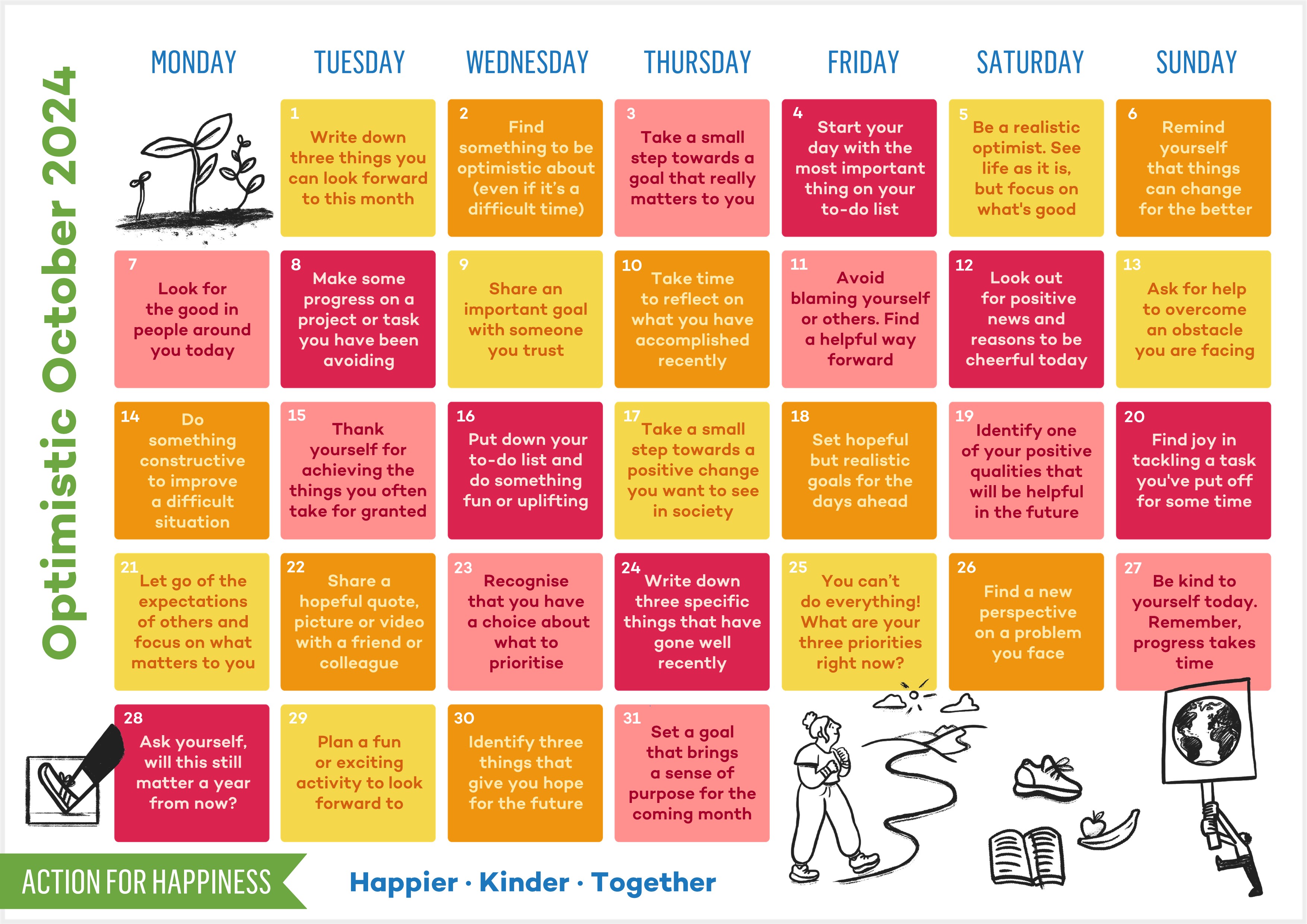
Yes, the world is a disaster. It is being dominated by many very evil men and being ravished by effects of climate change. It is hard to be optimistic for the future. but our own mental health depends on doing something good for the earth and taking good care of ourselves. So, this October do something good for yourself and something good for our planet. Start by using less plastic, use less sugar, drive less and spend more time outside. But most important GO VOTE!

The calendar below gives you some ideas:

Change your Shopping Habits

My life changed when I discovered bulk shopping. I love to choose my own amount, and I feel good about not having to purchase items in plastic. Instead of using plastic bags, bring your own reusable containers,

Shopping bulk helps to manage two big issues that contribute to our climate crisis. A shopper can reduce tons of plastic packaging, and choose as much as you need. This reduces food waste. Bring reusable containers, both big and small. Use whatever you have. I reuse glass mustard jars, pasta jars, pickle jars or cloth bags

The article below from Hennepin County tells you how to shop in bulk. the customers and the store personnel are all willing to help you through this journey. I hope you like this new independence as much as I do!!

Deciding where to shop

Pile of potatoes in grocery storeDifferent stores and markets offer varying options for how you purchase food, so your ability to buy just the right amount of food may depend on where you shop.Get familiar with what your grocery store offers for produce and bulk goods. There may be more options than you noticed.
Person putting produce in grocery bagOpt for unpackaged produce when possible. If your store sells packaged items, try nearby stores offering loose produce. By purchasing only what’s necessary for your meal plan (especially fresh produce), you could significant cut the amount of food you waste.
Buying from the bulk section

Bulk section

No, we don’t mean buying in large quantities like at Costco. The bulk section of a grocery store has self-serve food containers where you can take as much or as little as you need. Using the bulk section for things such as grains, beans, or spices can help you purchase just the amount you need and avoid waste.

Here’s how to buy things in bulk:

  1. Choose the item you want to purchase.
  2. Grab the provided bag or, if your store allows it, your own clean container. If you can use your own container, record the weight of the container when empty, before you fill it up.
  3. Fill your container or bag with the food.
  4. Write the product number, listed as PLU, for the item on the bag or on a sticker or twist tie label.

August Joy

“The environment is where we all meet; where we all have a mutual interest; it is the one thing all of us share.”
— Lady Bird Johnson

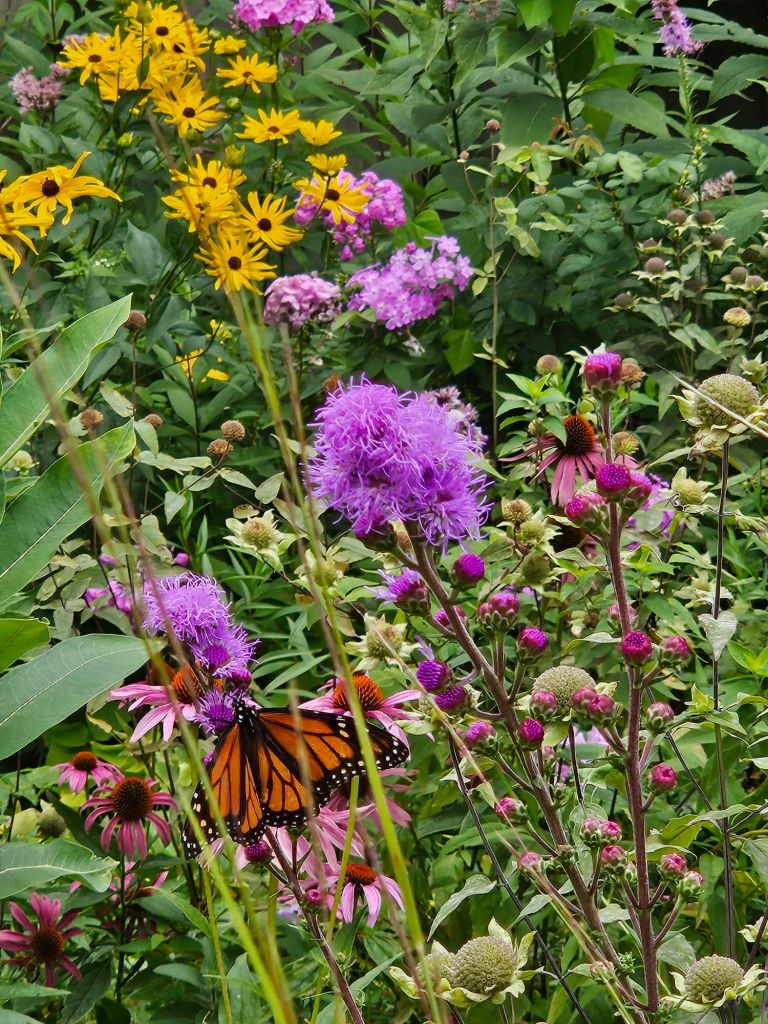
The Monarch butterflies charm me as they play tag, the hummingbirds zip from one flower to the next, and the goldfinch quietly sit on the monarda and eat the seeds. Enormous bees gorge themselves with a bounty of pollinator plants they love. The consistent rains of this summer have created a healthy blooming habitat. All this pollinator activity creates joy!

A Monarch on liatris Hummingbirds love cardinal flowers, and Joe Pye Weed.

Native deep-rooted plants fix many things that are wrong with our world. They do not need fertilizers or chemicals, they don’t need to be watered, and their deep roots absorb water run-off. They help to keep our waterways clean, keep our air clean, and they are beautiful,

Native plants are healthy for wildlife. Birds, bees and butterflies love them and they create vital habitat which has gone missing in recent years.

World’s Indigenous People

We are all connected!

This is from the Carbon Almanac!

Today we celebrate International Day of the World’s Indigenous Peoples. 

Raoni Metuktire is an Indigenous Brazilian leader and environmentalist. Born in 1932, he has seen a lot of change due to climate change. 

In The Carbon Almanac, we feature his quote and it serves as a reminder that we are all connected.

We all breathe this one air, we all drink the same water. We all live on this one planet. We need to protect the Earth. If we don’t, the big winds will come and destroy the forest. Then you will feel the fear that we feel.

A Plastic-Free Future

Plastic is everywhere. It is hazardous to our health and our environment. Lets work together every day to end the Age of Plastic

These outstanding ideas are from Eureka Recycling!

Practical Tips for Going Plastic-Free 

The most powerful zero waste action we can take is not creating waste in the first place. So how do we go about reducing consumption. Here are some helpful tips: 

  1. Start with the Basics: Swap out single-use plastic bags for reusable ones. Keep a stash in your car or by the door so they’re always handy.
  2. Choose Reusables & Say NO to Single-Use Plastic: Carry your own refillable stainless-steel water bottle and use glass containers for food storage. Repurposing glass pasta jars for food storage can be a good option 
  3. Shop Mindfully: When grocery shopping, opt for products with minimal or recyclable packaging. Choose loose fruits and vegetables over those wrapped in plastic and items in glass or cardboard containers over plastic whenever possible. When shopping for clothes, try to choose used clothes and clothing made of cotton or hemp, which can help reduce microfiber pollution Many clothing, especially synthetic fibers like polyester, nylon, and acrylic, are made from plastic polymers. When these synthetic fabrics are washed, they release tiny plastic fibers known as microfibers into the wastewater. These microfibers are too small to be caught by wastewater treatment plants and ultimately end up in rivers, lakes, and oceans. 
  4. Evaluate Necessity vs. Want: Before making a purchase, ask yourself if the item is something you truly need or if it’s just a want. Delaying non-essential purchases can often lead to realizing you don’t need them at all.
  5. Borrow or Share: Borrow or share items that you only need temporarily or infrequently, such as tools, books, or recreational equipment, rather than buying them outright. 
  6. Support Plastic-Free Initiatives: Encourage businesses and local governments to adopt plastic reduction initiatives. When possible, support companies that prioritize sustainable packaging and products. 
  7. Make Your Voice Heard: As we work to advance zero waste legislation at the state and federal levels, we know we cannot recycle our way out of the plastic production and pollution crisis. Let’s work together to hold petrochemical companies accountable and change systems to better support reduction and reuse. 

While Plastic Free July lasts for just one month, the habits we cultivate and policies we advocate for can have a lasting impact. By reducing our plastic consumption, we conserve valuable resources, minimize pollution, and protect wildlife. Moreover, we contribute to a shift in societal norms towards more sustainable living practices. 

Join the movement this Plastic-Free July and let’s make every month an opportunity to support a zero waste future. 

And some ways to reduce your exposure to microplastics

Butterflies

It’s always exciting when the Monarchs arrive!

Joy, we had our first Monarch butterfly in our yard today!

I was surprised to read this about the Monarch butterflies. See below from Minnesota Public Radio

Everyday concentrate on clean air and never burn wood or put dirty air into the atmosphere. That includes driving less!

This is from Minnesota Public Radio:

People can help by planting both native nectar and host plants, like milkweed, reducing pesticide use and mowing less grass less often.

Monarch butterflies are beginning to return to Minnesota and should start arriving in droves in the next two weeks. But the population returning from Mexico will likely be much smaller than in years past.

This winter, the number of eastern monarch butterflies wintering in Mexico was the smallest researchers had recorded in a decade.

A years-long drought pattern, winter whiplash and warming temperatures are all hurting the vulnerable species and the plants it relies on to survive, according to University of Minnesota Professor Emilie Snell-Rood, who studies monarchs and other pollinators.

Wildflower Week

Every day is a wildflower day for me. I plant for the birds, butterflies, and bees and love when they are in my garden. The spring has been spectacular where I live. Trees and bushes are blooming, birds are singing in concert, warblers are migrating through, many butterflies are present, and its sunny and 70 degrees.

The hummingbirds have arrived!

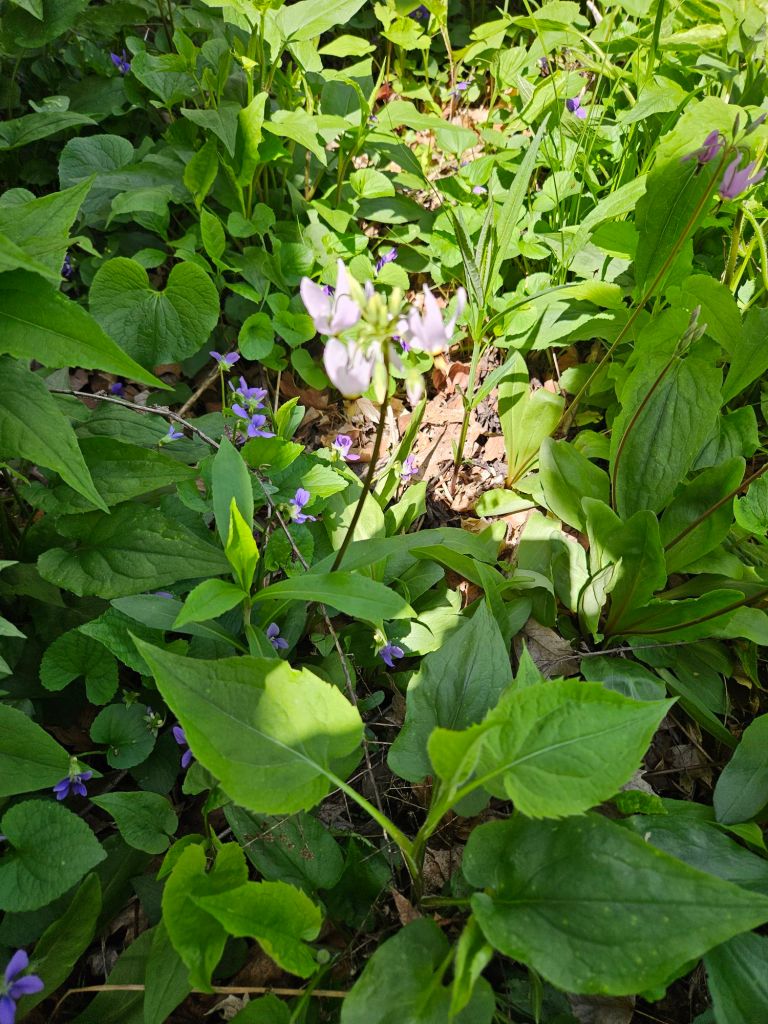
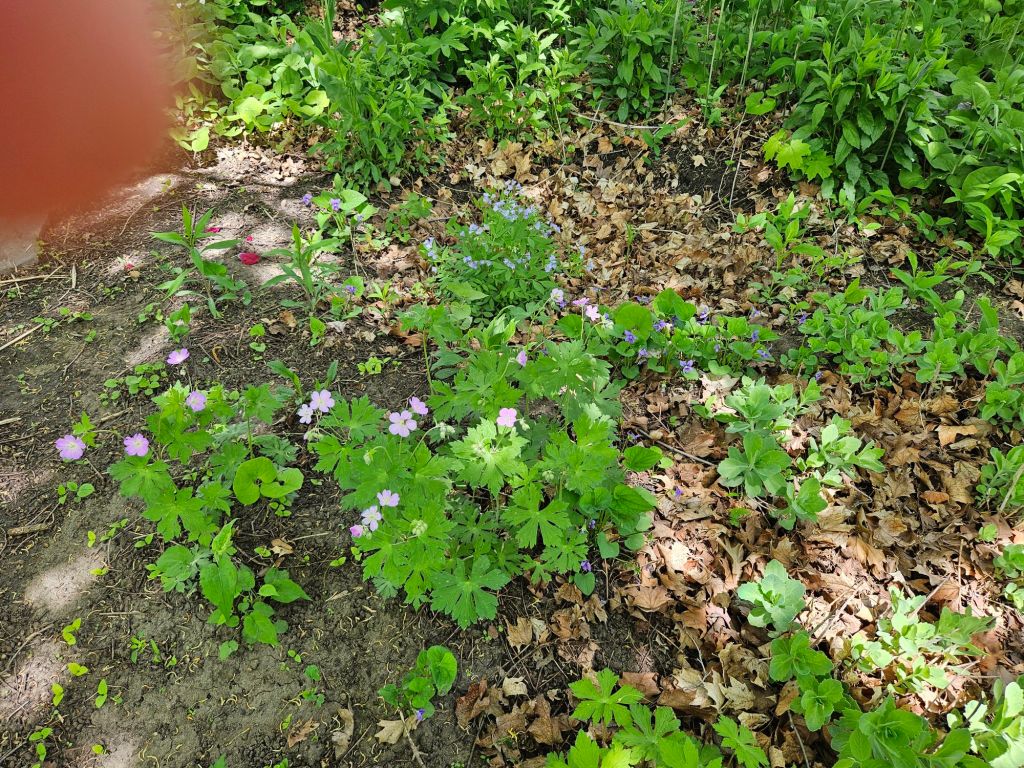
Shooting star , wild geranium, and violets

Marsh Marigolds

Hummingbirds love columbine

It is a perfect time to add some native plants to your garden to draw more birds and butterflies into your yard.

National Wildflower Week was started by Lady Bird Johnson Wildflower Center in Austin, Texas. Find out what wildflowers attract butterflies: http://butterfly-lady.com/plant-native-wildflowers-to…/

Why native plants are important:

  • They are the ecological basis upon which life depends, including birds and people.
  • They provide habitats, food, and shelter for specific insects, birds, mammals, and other animals.
  • They support significantly more wildlife than non-native species.
  • They conserve water, protect soil from erosion, and create habitat for various animals.
  • They offer reduced water use, less maintenance, natural pest control, and environmental sustainability.

Plant Native Wildflowers to Attract Butterflies!