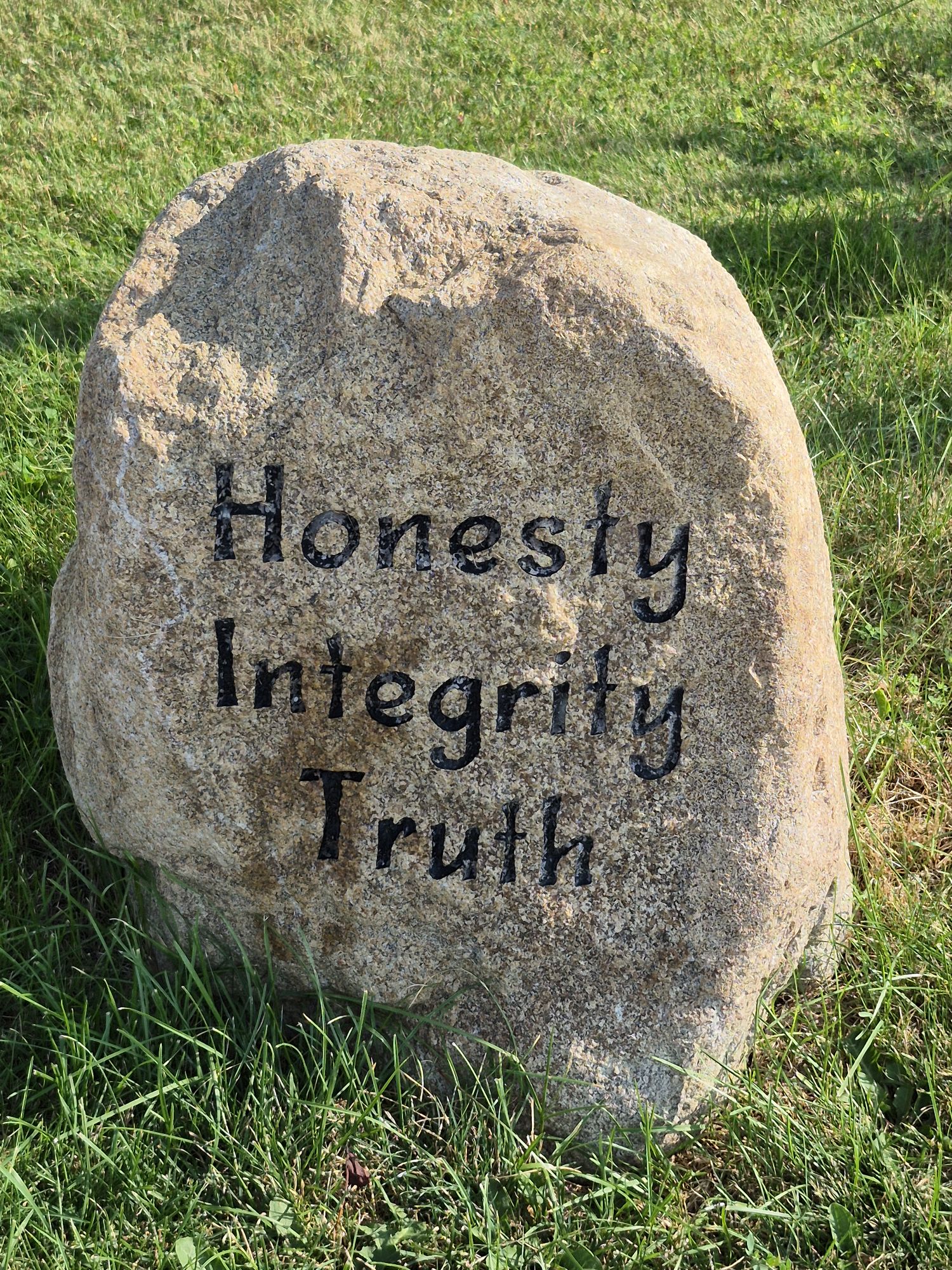
In a world full of fear, be courageous. In a world full of lies, be honest. In a world where there is little caring, be caring. In a world full of copies, be an original. Because the world sees you. Because the world hopes for you. Because the world can be inspired by you. Because the world can get better because of you. Our own life is our message. ~ Thich Nhat Hanh ~ ✨️❤️✨️
“I have the power yo make me happy or unhappy. I can choose what it will be!” Dalia Lama
These are the results of this year’s World Happiness survey. The United States fell to 24th behind Saudia Arabia.
This year’s findings include:The Nordic countries retain the top spots in the world happiness rankings, Finland is No.1 (again!), followed by Iceland then Denmark; Costa Rica has jumped to 4th place. Young people’s happiness is falling in English-speaking countries. In places like North America and Western Europe, young people are significantly less happy than 15 years ago, unlike most of the world, where youth wellbeing has improved. Heavy social media use is linked to lower wellbeing. On average, those who use social media for longer periods report lower life satisfaction than light users. Not all screen time is equal. Activities like messaging, learning, and creating content are linked to higher wellbeing, while passive scrolling, gaming, and “browsing for fun” are linked to lower wellbeing. How social media is designed really matters. Platforms that encourage connection tend to support happiness, while those driven by algorithms, influencers, and comparison tend to harm it Many people feel ‘trapped’ using social media. A lot of users say they’d actually prefer social media didn’t exist, but they keep using it because everyone else does. Connection in real life matters far more. Feeling a sense of belonging (e.g. at school or in community) has a much bigger impact on happiness than reducing social media use alone.
The research is clear – we need to prioritise connection and community over scrolling and disconnection.
The progress to clean energy is hopeful in a world where it is difficult to be hopeful. The demand for electricity is soaring, and data centers are imposing an enormous load on our communities for energy. Unfortunately, some of our elected officials are pushing various types of burning as clean energy. They want to include the burning of garbage as a form of clean energy. Burning in any form from your backyard fires to burning garbage is NOT clean energy.
Today is the International Day of Clean Energy!
Today, let’s think positive and celebrate what is good and getting better!
Today, January 26th, is International Day of Clean Energy. Clean energy refers to electricity generated from sources such as solar, wind, geothermal and hydro that emit little to no greenhouse gas emissions.
The World Resources Institute has summarized the key statistics when it comes to clean energy in this article. The article highlights some positive news such as:
how clean energy is creating the majority of new electricity capacity
Investment in green energy is higher than fossil fuels
Growth in clean energy jobs
There are still challenges to overcome in the industry including distribution of investment and length of time to bring a project from ideation to production. But there is a lot of momentum behind green energy and it will be interesting to see how 2026 shapes up for it.
Everyone needs to work to help our planet. So much leadership is needed!
A chance for other countries to lead. France, Germany, England, Italy, India?
U.S. leaves international climate agencies This week the United States announced it would be leaving 66 international organizations, agencies, and commissions which includes many related to climate change.
Among these is the UN Framework Convention on Climate Change (UNFCCC) which was adopted by all member nations in early 1990s and is considered the treaty which led to 2015’s Paris Agreement. The U.S. also previously announced its withdrawal from the Paris Agreement, which will officially take effect on January 20.
Also included are:
Intergovernmental Panel on Climate Change International Renewable Energy Association International Solar Alliance International Union for Conservation of Nature Intergovernmental Science-Policy Platform on Biodiversity and Ecosystem Services With these actions, the U.S. has further separated itself from other countries in the climate change space. Does its withdrawal give pause to the activities of other nations? Or will it motivate other countries to lead in this evolving space?
This is the coolest newsletter. I hope you will subscribe.
The Daily Difference Newsletter
Join the Daily Difference, a newsletter to help everyone around the world in taking action and making a significant positive impact. It’s not too late. The earth needs passionate people like you to spread the word and create meaningful change.
Taking action to heal the planet doesn’t need to be overwhelming. It doesn’t need to be perfect. It just needs to happen. Take a moment today and be a difference […]
The International Union for Conservation of Nature’s (IUCN) Red List of Threatened Species is a report on the health of the world’s biodiversity. It is a comprehensive source of information […]
Negative climate stories in the United States often make the headlines – cancelling wind farm construction, accelerating oil and gas drilling, rolling back regulations on greenhouse gas emissions and air […]
In Canada, and in many other countries around the world, it is often Indigenous people leading the way in sustainability and stewardship of nature. The Heiltsuk Nation, on British Columbia, […]
In the United Kingdom, companies who make packaging are now having to pay as the Extended Producer Responsibility (EPR) has started its enforcement stage. What is EPR? It is based […]
Mihir Rao, an 18-year-old from Alberta, Canada, is helping other young people to learn how to influence decision-makers. Rao, who is also a winner of the 2025 I-SEA Youth Climate […]
This is from the Story of Stuff. I hope you will give it some thought and make thoughtful purchases for the holidays and all year. “This time of year, the pressure to buy more — and waste more — is everywhere. Black Friday doorbusters, holiday flash sales, limited-time offers: overconsumption during the holidays isn’t an accident. It’s by design.
And the consequences are massive. Americans generate 25% more waste between Thanksgiving and New Year’s — an extra one million tons of trash every week. From impulse purchases tossed by January, to mountains of packaging, the holiday season has become a pipeline of extraction, production, shipping, and disposal.
What we rarely see are the impacts hidden upstream. Most of a product’s environmental footprint happens long before it reaches your door — through rapid mining of raw materials, energy-intensive manufacturing, and global shipping emissions that fuel the climate crisis.
Fast fashion hauls and holiday overbuying only accelerate the damage. Every second, a garbage truck’s worth of clothing is landfilled or burned. Electronics, toys, gadgets, and seasonal “stuff” flood into toxic e-waste dumps around the world.” Story of Stuff
Trying to be more climate friendly with gift giving this year? This holiday gifting guide will help you get in the spirit while saving you money and deepening the meaningfulness of your holiday season.
Tempted to buy extra stuff today? The pressure is on, the ads are running, and it’s hard to avoid all of the sales. Here are a few ideas to manage the shopping frenzy:
Buy nothing.
Step outside and get some fresh air.
Visit your favorite green space.
Call or visit a loved one.
Spend time with yourself or a pet, with your favorite seasonal drink.
Really need an item? Consider buying just essential items that need to be purchased anyway.
Support a local and sustainable small business, instead of big-boxed stores.
Instead of purchasing something new, see if you can buy it second-hand, borrow it from a friend, or rent it.
Feel free to take the pressure off today (if you can), and buy nothing.
Sam Ssifton of the New York Times created this poem from six word phrases sent to him by readers reflecting on their gratitude.
The way my toddler says potstickers. Did scary things. Didn’t die. Encouraging. My backyard garden that feeds us. The cold side of the pillow. We celebrated our 55th wedding anniversary. I’m grateful for being fired.
*
The joy of a wedding dance. New beginnings and a playful Chihuahua. The crow that brings me rubbish. A July day at Wrigley Field. My little orange cat, Cinnamon. America’s compassion finding its voice.
*
Only momentarily a widow. Defibrillators rock! Sun on snow, white diamonds glistening. First house, fresh paint. Goodbye, gray! Family, sobriety, heavy metal, Cheddar cheese. Sun rising. Moon setting. Another day. It won’t always be like this.
*
A man I melt into nightly. I’m grateful for Spam. Comfort food. Hummingbirds. Photocorynus. Clouds. Pula. Haiku. Sprites. Sunny deck, soaring birds, hot coffee. Love, enough money, health, moist turkey. My one wild and precious life.
I hope you have a restorative and grateful holiday. Sam Sifton, NYT
Halloween is a day that is looked forward and cherished by many.
It is also a day that brings lots of extra waste- extra plastic and waste through costumes and decorations. What if we try to reduce so much waste and use what we have?
Instead of buying so much plastic waste maybe make ghosts out of old sheets or make a scarecrow out of old clothes and save money, too
Embrace Halloween as a day to be creative.
Halloween can be a creative time to decorate and create a costume. I look forward to the creative thinking that come to my door. Being creative is more fun!
The hardest part of a plastic-free holiday is finding plastic-free candy, How about apples or tangerines?
Here are some good candy tips tips from Beyond Plastic: Pick plastic-free packages. If you need to stick to packaged candies, there are some options that come wrapped in foil or small thin cardboard boxes. Candies like Dots, Milk Duds, and Junior Mints come in small cardboard boxes, Tootsie Rolls and other fruit chews and Dubble Bubble come wrapped in paper, and there are many small Halloween-themed chocolates that come wrapped in foil that, at least in theory, could be collected and recycled.
Instead of buying a new costume, consider setting up a costume swap party with friends (see some tips here) or creating a homemade costume where face paint replaces a plastic mask. Perhaps there is even the option to rent a costume for the night.
For decorations, look around your home and in nature to see what can be upcycled to help set the scene for Halloween. Cardboard boxes could easily be made into tombstone decorations. String or rope can create thick spider webs. If you are wanting to purchase decor, consider looking for items that will last for several Halloweens.
What about choosing real pumpkins over plastic versions? Not only can you carve how you want, you can roast the seeds. And when done, the pumpkin can be turned into soup or cut into pieces to decompose in a garden or composted.



 Bring your own plastic-free reusable cup for drinks on the go.
 Bring your own metal fork from home so that you can skip plastic utensils.
 Say no to receipts (BPA).
 When it comes to leftovers, store food in glass, ceramics, or stainless steel foodware.
 Shop naked. Buy produce that isn’t wrapped in plastic.
 Don’t forget your reusable bag so that you can skip single-use plastic bags.


 Health4earth