April 7, 2023 ̶ World Health Day ̶ the World Health Organization will observe its 75th anniversary.
On World Health Day reduce your stress, go for a walk, eat healthy, reduce your plastic exposure, and be kind!
In 1948, countries of the world came together and founded WHO (World Health Organization) to promote health, keep the world safe and serve the vulnerable – so everyone, everywhere can attain the highest level of health and well-being.
My Earth month suggestions and the things I do most days are to purchase less junk, reduce my plastic use, pick up litter, and work hard to end food waste.
This month calendar has lots of ideas to be healthy and active. Add picking up litter and being kind to your daily activities.
Letter to the Startribune editorial page: While it is exciting that spring is coming, now is the also the time we see all the trash that has been snow-covered during our long winter. In this state of 10,000 lakes and many beautiful rivers, too much of this trash will end up polluting our waters if not cleaned up. I urge all reading this to do your part, and encourage others, too, to pick up as much trash as you are willing and able. If you are a homeowner, perhaps you can start with the trash in the street in front of your house. Perhaps carry a bag while walking and pick some up while exercising. Anything is a start and appreciated. Dave Councilman, St. Louis Park
What are you looking forward to this April? Enjoy, and make it worthwhile!
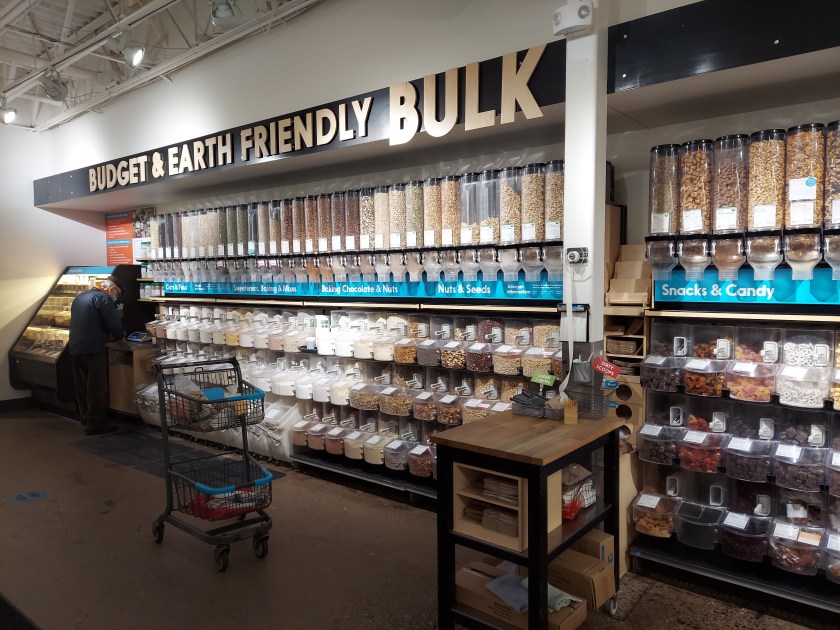
Refill your own containers in the bulk section of food co-ops.
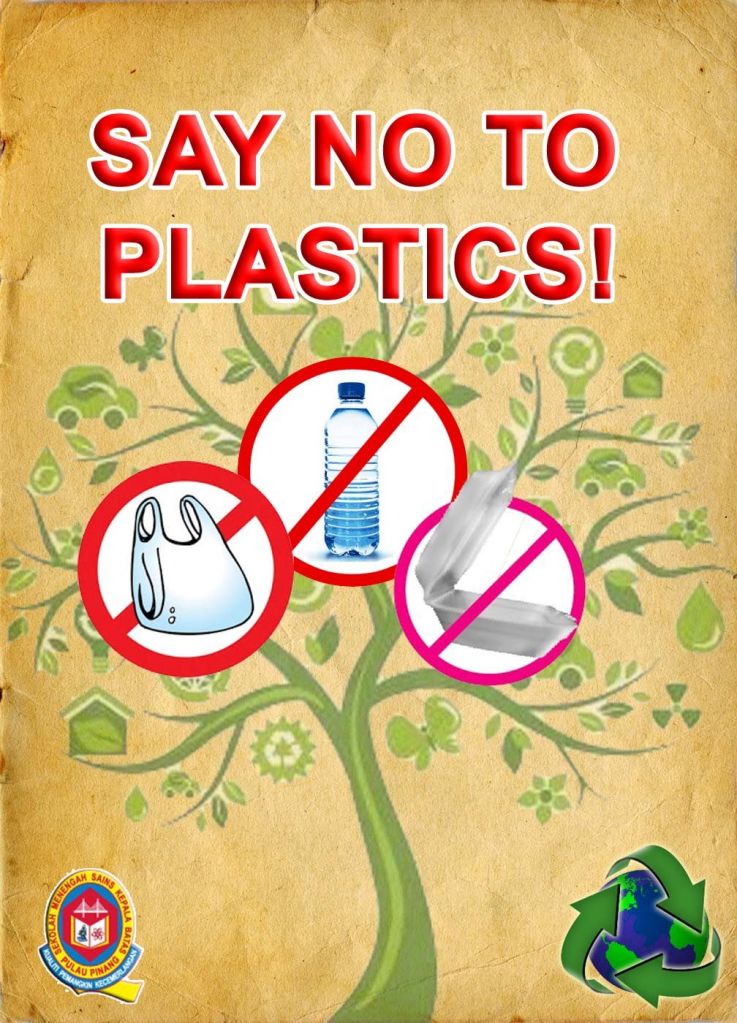
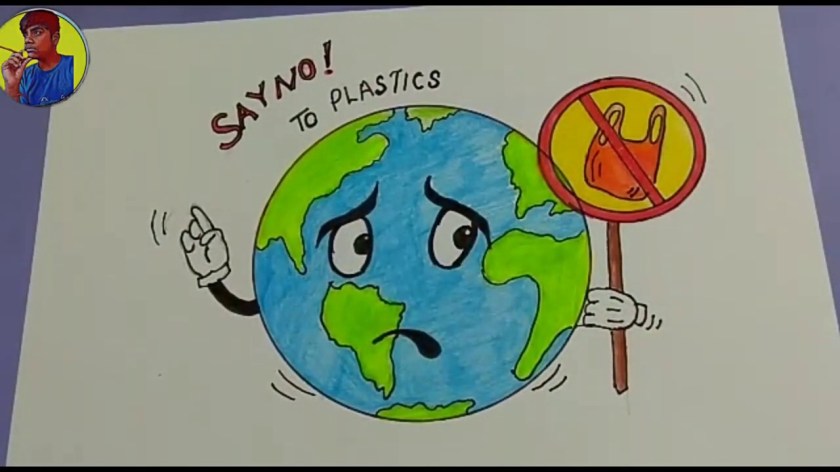
Reduce your plastic consumption!
“Zero-waste initiatives can foster sound waste management and minimize and prevent waste. This contributes to reducing pollution, mitigating the climate crisis, conserving biodiversity, enhancing food security and improving human health. The International Day of Zero Waste aims to promote sustainable consumption and production patterns and raise awareness about how zero-waste initiatives contribute to the advancement of the 2030 Agenda for Sustainable Development.
Humanity generates an estimated 2.24 billion tons of municipal solid waste annually, of which only 55 per cent is managed in controlled facilities. By 2050, this could rise to 3.88 billion tons per year. The waste sector is a significant contributor to greenhouse gas emissions in urban settings and biodiversity loss. Around 931 million tons of food is wasted each year, and up to 37 million tons of plastic waste is expected to enter the ocean annually by 2040.
The United Nations General Assembly formally recognized the importance of zero-waste initiatives and proclaimed 30 March as the International Day of Zero Waste, to be observed annually beginning in 2023.
Zero-waste initiatives can foster sound waste management and minimize and prevent waste. This contributes to reducing pollution, mitigating the climate crisis, conserving biodiversity, enhancing food security and improving human health.
The United Nations Environment Programme and UN-Habitat will facilitate the observance of the Day. All Member States, organizations of the United Nations system and relevant stakeholders are encouraged to implement zero-waste initiatives at local, regional, subnational and national levels.” The United Nations
On this International Day of Happiness, practice compassion, kindness and empathy and strive to make this planet a better place where all can live happily. Please bring Joy to the People around you and have fun!
My ideas to have a happier day:
!. Smile and be kind
2. Appreciate the nature around you.
3. Look at people and listen deeply.
4. Take a break from your phone
5. Go for an outdoor walk
6.Take a deep breath
7. Help another person and give them a big hug.
8. Eat only healthy food
9. Do something good for the Earth, pick up litter, buy nothing, no to plastic, plant-based eating, don’t waste food.
Below is from the International Day of Happiness website:
On this International Day of Happiness 2023, let us remind ourselves and those around us that although it is difficult to be happy in testing times, it is also the only thing that helps us get through the tough times.
This year, you can do your bit by spreading happiness among your social circles. Even simple acts that don’t require much effort, too, stand the potential of bringing great joy to people around us.
Here is what you can do:
1. Spend time doing something you love
2. Do something nice for someone
3. Spend time with your loved ones
4. Do something that will make you feel healthy like working out, eating clean or quitting smoking
5. Help needy individuals by either giving them food or donating to them something you don’t use anymore.
On this International Day of Happiness, practice compassion, kindness and empathy and strive to make this planet a better place where all can live happily.
Every day we should be working to reduce our exposure to plastic.
The tragic chemical spill in Palestine, Ohio highlights how dangerous plastic production is to the public. Plastic creates pollution from every stage of its life, from the extraction of fuel, to shipping and manufacturing, and then end of life disposal. Plastic is made from fossil fuels. Why would we want something made of fossils fuels to store our food, make our baby toys and bottles or line our water pipes. PVC pipes can leech chemicals into our drinking water. Plastic containers contain toxins and microfibers, and the disposal of plastic creates harmful pollution from burning, sitting in landfills or floating in our lakes, streams and oceans.
Producers of plastic need to be held responsible for the products they produce and the hazardous waste they create. This should include the production pollution created, the shipping and the disposal. This would save taxpayers lots of money!
Below is a sampling of op-eds that have been written on this deadly disaster.
The East Palestine disaster was a direct result of the country’s reliance on fossil fuels and plastic. The hazardous chemicals being transported by the derailed train — including vinyl chloride, a known carcinogen — are used to make PVC, the world’s third most used type of plastic, typically used in pipes to deliver drinking water, packaging, gift cards, and toys that kids chew on.
Plastic threatens human health at every stage of its life cycle, from the toxic substances released into the air during fossil fuel extraction, to the dangerous transport of these chemicals, to the plastic particles and toxins we consume from our food and drinking water, to the hazardous emissions from facilities burning or burying the waste after consumer use.
Every year, millions of trains with highly toxic cargo pass close to our homes, schools, and public spaces. This includes poisonous substances like vinyl chloride, as well as coal, oil, and gas. There are simple ways that state and national leaders can ensure that a disaster like this doesn’t happen again. This includes requiring better train braking systems and early warning systems. Some materials, like vinyl chloride, are toxic at every stage and should no longer be in use. Unfortunately, rail companies like Norfolk Southern continue to lobby to avoid regulation and safety measures, and they’ve also slashed their workforce, making an already risky situation even worse.
NY Times Op Ed by Rebecca Fuoco and David Rosner:
Freight trains typically transport more than two million carloads of hazardous materials each year, including many chemicals. Vinyl chloride is particularly dangerous and increasingly common, used primarilyto make polyvinyl chloride, better known as PVC, a hard plastic resin used to produce pipes, wire, cable coatings and packaging. We should begin phasing out the use of this chemical.
Albert Einstein described feelings of awe as “the source of all true art and science.” he said, “Look deep into nature and you will understand everything better!”
An amazing live oak tree in Texas
I feel awe for our amazing, beautiful country, and have been on a wonderful winter road trip into the center of the United States. We traveled from Minnesota to Texas and the Gulf of Mexico. We drove through a landscape of snow and wind generators in Iowa, and the flat farming prairies of Nebraska, Kansas and Oklahoma, and then through the hill country of Texas into the flat flood plain of the Gulf of Mexico. Next, heading north into the swampland of Louisianna and Arkansas, the hills of Tennesse and Kentucky into the farmlands of Illinois, and finally back into hilly Wisconsin and lake-covered Minnesota. The landscapes and terrain change, but so do the people, plants, trees, birds and the weather.
Knees of the bald cypress tree
I am intrigued by the live oaks of Texas and the cypress trees of Louisianna and Arkansas, and also by the incredible diversity of trees in Tennessee. We love the unique birds of the Gulf of Mexico, but also love seeing our Minnesota birds in a different habitat.
As I travel, I cherish meeting people from all over the world, but especially enjoy how pleasant and friendly people are in the Southern part of the United States. Many go out of their way to greet you on the street, “How’re ya doin?” or “Hi honey!” Something I don’t experience in Minnesota, Michigan, Wisconsin or Iowa. In the North we all can be kinder/friendlier and smile more!
Take an Awe Walk in your neighborhood, noticing things as if for the first time.
Describe to a friend or write about a time you once felt awe.
Visit a museum or planetarium.
Get up early to watch the sunrise.
Play amazing music. (Beethoven’s Fifth comes up often. Psychologist Michelle Shiota suggests Alison Krauss’ “Down to the River to Pray” and Carlos Santana’s live “Europa.”)
As our planet continues to warm, we are facing many consequences. California is facing incredible rains, Europe has unheard of winter warmth, and where I live, we have smelly bad air warnings. We cannot throw up our hands and claim there is nothing we can do. Every activity we participate in affects our warming planet. Can we buy less, drive less, eat less meat and use less plastic? Little things make a big difference.
If you can, stay off the road two days a week or more. You’ll reduce greenhouse gas emissions by an average of 1,590 pounds (721 kilograms) per year [source: EPA]. It’s easier than you think. You can combine your errands — hit the school, grocery store and dog daycare in one trip. And talk to your boss about teleworking. It’s a boon for you and your company. But being car conscious also means maintaining your car on a regular basis. You can improve your gas mileage by 0.6 percent to 3 percent by keeping your tires inflated to the proper pressure, and be sure to make necessary repairs if your car fails emission [source: EPA].
Give Up Plastics
The statistics are shocking: People around the world buy 1 million plastic drinking bottlesevery minute, and use up to 5 trillion single-use plastic bags every year. Humans are addicted to plastic, and hardly any of it — about 9 percent — gets recycled. A staggering 8 million tons (7.25 metric tons) ends up in the ocean every year. Break the cycle. Stop buying bottled water. Say no to plastic shopping bags and use cloth bags instead. Don’t use plastic straws. Drink from a reuseable cup instead of a plastic one. Avoiding plastic can divert a ton of waste from the oceans and landfill.
Clean air and clean water are better for all of us. Buy less and drive less.
How can you turn food waste into a game! ideas for frittas, soup, rice bowls, wraps and grain bowls below.
We have a crisis of food waste in the United States. Households account too much wasted food. Not only does wasting food, waste valuable resources and lots of water, but also food in our landfills decomposes creating and giving off methane gas which is a harmful air pollutant contributing to global warming.
Melissa Clark for the New York Times is writing about ideas to deal with food waste
“Susan Shain’s recent article for The New York Times has jolted me back into my composting groove. She wrote about how an Ohio community substantially reduced its food waste, which is a huge contributor to greenhouse gases and responsible for twice as many emissions as commercial aviation in the United States. That’s a lot of emissions.
Households, she writes, “account for 39 percent of food waste in the United States, more than restaurants, grocery stores or farms. Change, then, means tackling the hard-wired habits of hundreds of millions of individuals, community by community, home by home.”
The statistics left me nowhere to hide. What we do in the kitchen can make a difference: creating meal plans, shopping with a list, composting and using up the leftovers.
This last one is my happy place. I turn it into a game, saving bits of this and that in little containers, then puzzling out how to use them to seed future meals.
That handful of sautéed kale, those roasted vegetables, a tranche of salmon fillet? Chop it all up and fold it into a creamy risotto for color and flavor, or make a base for a loaded frittata.
If you have a motley band of root vegetables softening in your produce drawer, perhaps from an overenthusiastic spree at the farmers’ market or a surprise bonanza from your CSA box, you can upcycle them into a warming, adaptable vegetable soup. Enlist your wilted or leftover greens; rutabagas, turnips and kohlrabi, come on in!
As for leftover dessert, a batch of brookies or bread pudding (made from stale bread). Let’s just say this is never an issue in my sweet-toothed family. We gleefully finish every crumb.
What’s better than to end 2022 with stories of good news from the past year. For me the 2022 elections were good news, election deniers lost, and most voters weren’t fooled by poor candidates, and Democracy survived.
Parks are for everyone!
Future Crunch does their annual list of 99 of the best news stories. The reduction of world poverty, protection of land, oceans and the creation of parks made me happy. A decline in smoking and of course increased solar and increased use of electric vehicles all are important good stories.
From the New York Times: Murders in large U.S. cities are down more than 5 percent so far in 2022 compared to the same time last year, according to the research firm AH Datalytics. Gun deaths, injuries and mass shootings are also down this year.









 A supporter celebrates Cuba’s successful referendum to legalize gay marriage on the 25th September 2022
