“Act as if what you do makes a difference. It does.” — William James
Refuse to consume so much junk. Avoid Target and The Dollar Store.
What is the single best thing I can do for the planet? Maybe the best two things I can do? The New York Times put this question to some experts. It was actually the most click on article on Earth Day.
They have sone good suggestions, but we all have such different lifestyles and ways we are all harmful to the planet in the way we live. We all need to take inventory of the ways we are harmful to clean air and clean water. Everyone can buy less stuff. Do we really need all the Easter eggs and decorations everywhere the past two months? Do you really need that extra shirt or pair of shoes? What can you purchase second hand or reuse?
Cutting meat consumption and driving less are huge, but so is not wasting so much food, and reducing our single-use plastic
The New York Times asked their experts how to be the best planetary citizens?
I think their ideas are thoughtful and interesting. It is worth a read
“The thing
First, it’s important to understand that climate change is a symptom of a larger issue: ecological overshoot, or the fact that humans are consuming resources faster than they can regenerate and producing more waste and pollution than nature can absorb, said William Rees, a human and ecological economist and professor emeritus at the University of British Columbia. The most effective solutions, then, address not just greenhouse gas emissions but overall consumption and pollution.
One of the most effective ways to avoid consumption in the first place, Dr. Rees said, is to have a smaller family. But that might not be a realistic option for many people, for all kinds of personal, cultural and other reasons.
As The New York Times’s ethics columnist has pointed out, it might also be realistic to think that children who are raised with a sense of responsibility could — in personal and collective ways — be part of the solution, ensuring human survival on a livable planet by promoting adaptation, resilience and mitigation.
A less complicated recommendation is to cut back on meat. “On all these different metrics, eating a plant-based diet broadly improves sustainability,” said Seth Wynes, a scientist specializing in climate change mitigation at the University of Waterloo in Ontario.
Plastic is everywhere. Plastic breaks down into harmful pieces called microplastics. We consume them when we use plastic water bottles, plastic containers and utensils. Below is an article from Wirecutter on how to avoid plastic. It is excellent.
Our bodies are taking in plastic, and it’s more than nature intended.
1. Cut back on bottled water
Some research indicates plastic bottled water may be a significant source of microplastics. While scientists are still studying just how significant, one study from 2019 of water and other commonly consumed food and drink found it to be the most concentrated source.
There is emerging evidence that on average, bottled water contains more microplastics than tap. (One study published in 2024 suggests that we have underestimated measured concentrations.)
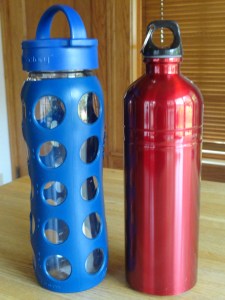
Drinking bottled water in a pinch isn’t the end of the world, but if you have concerns about it, you could always consider carrying a reusable steel or glass bottle or tumbler when out and about.
2. Get an NSF-certified water filter
Switching to tap water from plastic bottled water will likely significantly reduce your routine exposure to plastics. But while the average plastic water bottle contains more microplastics and nanoplastics than tap, research shows that tap water may also be a source of microplastics.
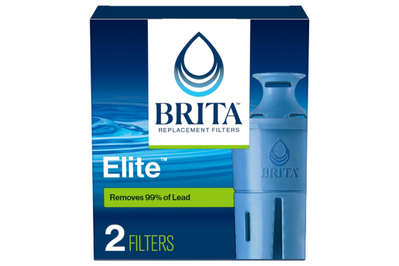
Several of our water filter picks are specifically NSF/American National Standards Institute–certified to reduce microplastics, which means they’ve been rigorously tested in an accredited lab. They’re certified only to reduce since the filters cannot guarantee total elimination. Our picks include under-sink filters, such as the Aquasana AQ-5200, and the Brita Elite.
Yes, it’s ironic that most NSF/ANSI-certified water filters contain plastic. But any microplastic shedding from using the plastic filter is likely to be minimal, as long as you avoid running hot water through the filter and store your water in the fridge, since heat accelerates plastic degradation.
Research suggests that boiling tap water, cooling it, and then filtering it may be especially effective at reducing microplastics, although it’s less practical for most people than simply using a filter.
3. Don’t use plastic to store food
Plastic food storage and packaging is so common that it’s difficult to avoid entirely. But your safest bet is to avoid storing food or liquid in plastic when possible and to minimize exposing any plastic (even those that say they’re BPA-free or microwave-safe) to high heat. Sunlight, acids, and physical erosion can also degrade plastic.
4. Don’t reuse single-use plastics for food and drinks
It’s great to reuse single-use plastic—just not for food. Unless you’re using the plastic in the freezer, save it for something that isn’t food storage or reheating, said Dr. Gillian Goddard, an endocrinologist and author at ParentData, a science-based online resource for parents. That means don’t reuse plastic takeout containers, breastmilk bags, or drink bottles.
5. Don’t microwave in plastic
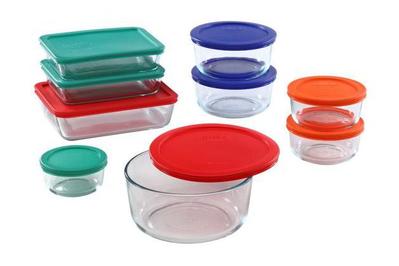
Avoid microwaving or heating food or water in plastic—even if it says it’s microwave-safe, said Tracey Woodruff, director of the Program on Reproductive Health and the Environment at University of California San Francisco. Instead, consider glass or ceramic. The Pyrex Simply Store 18-Piece Set is our pick for the best food storage containers, and they survived our drop tests, stack neatly, and come with user-friendly lids (although you may not want to microwave the plastic lids). Our runner-up, the leakproof Glasslock 18-Piece Container Set, is another great option.
Top pick
6. Wash plastic by hand
Dishwasher temperatures run very hot and can degrade plastic—even dishwasher-safe plastic—and lead to microplastic shedding. Try to wash your plastic food containers by hand.
7. Use wood or bamboo cutting boards
Some research suggests that plastic cutting boards can be a significant source of microplastics in your diet, since repeated cutting on their surface can dislodge particles that adhere to food. Wood cutting boards also have some other advantages: They’re better for your knife blades and last longer than plastic when properly taken care of.
Take special steps for infants and young children
Infants may be exposed to microplastics and nanoplastics in much higher concentrations than adults. Research shows that this exposure may be cause for concern, particularly at critical stages of early development. But much like health risks to adults, it’s important to think of microplastics exposure as just one piece of a child’s overall health.
“I emphasize that before putting much energy and resources into minimizing unknown risks, it is worth attending to reducing the risks we know about,” said Dr. Carlos Lerner, a pediatrician and professor of clinical pediatrics at UCLA Health. He cited following safe sleep recommendations for infants, avoiding secondhand smoke, and practicing good nutrition as examples.
If you want to take a more precautionary approach, avoid using plastic to warm formula or breastmilk. This is the main point of advice from the experts I spoke with, as well as the Cleveland Clinic.
1. Avoid microwaving or heating formula in plastic
Recent evidence shows that polypropylene-bottle-fed babies may swallow very high levels of tiny plastics due to the high temperatures used to sterilize bottles and prepare formula, as well as shaking the bottles to mix. If you want to feed your baby warmed formula and use plastic bottles, consider premixing the formula in a glass container, then cooling it down before transferring it to the feeding bottle.
2. Rinse heat-sterilized plastic bottles before adding formula or breastmilk
If you use heat to sterilize plastic bottles, leave them to cool then rinse them several times before filling them with formula or breastmilk, Lerner suggested.
3. Consider glass or silicone over plastic bottles
If your baby prefers warmed milk or formula, consider heating it in a glass or silicone bottle. (If you don’t use a bottle warmer, we have advice about how to safely do this without one.)
4. Wash hands before eating
For young kids who eat with their hands, try to establish a habit of handwashing before eating, said Woodruff. While handwashing is not always possible, it can help reduce exposure from touching microplastics in dust and soil (and maybe, just maybe, stem the tide of germs).
How worried should you be about microplastics?
Scientists are still studying the exact connections between these teeny tiny pieces of plastic and human health. But it’s clear that exposure to plastic—whether it’s those tiny particles, the chemicals they leach, or a combination—is being linked to a variety of worrying health issues.
Some of those connections still require more research, such as ties to colon cancer, respiratory disease, metabolic function, and disruption to endocrine systems, while others—like a recent study that found those with levels of plastics in their arteries were at a higher risk for heart attacks, strokes, and death—seem a little more clear.
It’s important to remember that these links point to concerns about the impact of microplastics on public health, but they are not specific, predictable outcomes. “What I’m thinking about is population risk, not a risk to a specific individual,” said Goddard.
The tricky thing is that microplastics and nanoplastics are impossible to avoid, no matter how diligent you are: They’re in the air we breathe, our drinking water, and our food. But scientists aren’t sure what levels of microplastics and nanoplastics we’re each taking in from those sources.
The oft-cited estimate that the average person eats a credit card’s worth of plastic every week has been called into question. But our bodies are certainly taking in plastic, and that’s more than nature intended.
Given the growing body of evidence, it’s possible that we’ll start to see more public health measures that address microplastic pollution. Until then, taking care of your overall health is the first line of defense, followed by taking reasonable steps to reduce microplastic exposure.
Plastic is a problem not just because it becomes litter but because it poses a real and immediate threat to human health. We must reduce the plastic we consume! Please sign the petition below from Earthday.org
Please sign the petition calling for a strong global plastics treaty
Plastics have a huge impact on human health, leaching harmful chemicals into our food, water, and air leading to hormonal issues,2 increased cancers risks,3 and developmental issues.4 As the plastics breakdown into micro and nano-plastics they are able to penetrate every aspect of our lives and their production pumps emissions directly into the atmosphere further exacerbating the climate crisis.5 That’s why Earth Day 2024’s theme is Planet vs. Plastics, which we believe embodies the struggle we all face for human and planetary health. We must demand action from world leaders to address the issue. The Global Plastics Treaty is the first step to united global action6 — but we need to make sure that they commit to effective measures instead of just do lip service. Please sign the petition calling for a strong Global Plastics Treaty. SIGN NOW
As with any international treaty, success is impossible without strict enforcement and commitment by participating countries.
Here are our demands to the United Nations and World Government Organizations:
-Support a highly ambitious Global Plastic Treaty that binds all to the same standards -A 60% of reduction of all fossil fuel-based plastic production by 2040 -Require producers and retailers of plastics to be liable for the cost of any environmental or health-related damages in accordance with the “producer pays” principle -Public and private sector investments in innovation to replace all fossil fuel-based plastics -Ban all plastic-related tobacco products including, but not limited to tobacco filters and e-cigarettes -Ban the export of plastic waste -End the incineration of plastic waste -Support innovative solutions and alternatives to plastic in all sectors -Fully finance education and public awareness campaigns to inform the public about reasons and strategies for ending plastic pollution
“Blessed is the season which engages the whole world in a Conspiracy of Love” Hamilton Mable
After nine months of a pandemic everyone needs extra attention! December is a month of Kindness and the Actions for Happiness have many good ideas below. It is a time to reach out and spread good will!
Spread good will and kindness to the Earth also! December is a time that we generate of lots of landfill waste. Too many Amazon and UPS trucks rumble on my street. Use some of your “at home time” to see how you can reuse what you have, simplify your shopping, and generate less garbage by buying less.
December days to celebrate:
December 1, AIDs Awareness Day and National Giving Day
December 2, Pollution Control Day
December 7, Pearl Harbor Day
December 8, Bodhi Day
December 10, Hanukkah, and Human Rights Day
December 15, National Tea Day
December 21, Winter Solstice and the first day of winter
A new year brings new energy, new projects and hope into our lives. May we move on to a positive new beginning for us all. One thing that 2018 told us is that our Earth is struggling with harmful human activity. Our warming climate and our dependence on single-use plastic can have tragic implications as we move into the future. We can’t predict the future, but plastic waste and climate change are not going away.
If everyone does a small amount it can make a big difference! I have two things you can do to make a big difference on the Earth this new year. Even if you change one thing you do, and focus on that one thing in 2019 you will be making a difference!
How are you reducing your plastic footprint?
When I started this blog years ago, I was trying to get people to recycle. While I hope you will still recycle what needs to be recycled, it has become harder and harder to recycle that pesky plastic. Glass, aluminum and paper have markets, but we just use so much single-use plastic and there aren’t enough markets for plastic. Plastic can’t be recycled over and over like glass and aluminum.
Shop in bulk
We need to reduce our plastic footprint. Start by changing one thing you purchase in plastic. At our house we refill bottles/containers with bulk at our local coop: soaps, lotions, teas, nuts, rice and almost every dry product we eat. We make our own yogurt, humus and cashew milk. Even as hard as we work on this we can’t avoid all packaging, it is too ubiquitous. As human beings we haven’t figured out our complicated relationship with plastic. The best thing is to avoid it.
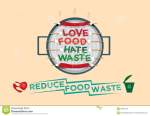
Tackling food waste is another way we can all make a difference. If you purchase in bulk you can get just the amount you need. Forty percent of our food in the USA goes to waste, I mourn the valuable water and energy wasted on uneaten food! How have you done on your holiday leftovers? Freeze, cook, eat that food! Be vigilant. I make it into game with myself to be creative making new items from left-overs to keep from wasting food. Just think of the water and energy that we could save! Also, rotting food waste in landfills creates methane contributing to warming the planet.
Some other ideas to make a difference: Make changes in your kitchen and 10 green resolutions from Earth911. PBS offers three science based ideas here.
Some inspiration from Dan Rather: ” I stand at the precipice of 2019, alongside all of you, and breath deep a spirit of empathy and a determination to do our part to help make this world a better place.”
“Huge news out of the UK today that major supermarket chains and companies are committing to a five-year plan to eliminate plastic pollution, especially in packaging. The video in this article also contains some great tips for personally moving beyond plastics.” Earth911
The Minnesota Legislature is debating preemption laws to keep cities from banning plastic bags and Styrofoam containers. Other legislatures throughout the country are prohibiting cities from banning plastic. In the United States we can’t depend on lawmakers to do what is best for our earth, so we must responsibly choose to do the right thing ourselves. See poster below. I would add to this Bristle poster, Never purchase products in Styrofoam.
Can the Super Bowl go zero waste? If they can, so can you! Minneapolis, location of Super Bowl 52, is an incredible place to go waste-free. We have recycle containers everywhere, and we have weekly home compost pick-up. Hennepin County and Minneapolis are committed to less landfill waste.
I think the NFL is sending an important message, “It is important to reduce our waste!” Yes, one big event is important, and we all need to educate ourselves and try to reduce our own waste. Read about the Super Bowl at zero waste.
Most communities don’t make it as easy as Minneapolis, but in tiny steps, we can all do better. Everyday I think about how I can generate less waste, and I know for a zero waste mentality to be successful, it must be EASY!
An easy way to reduce waste is to think REUSE. Before you throw something away, buy something new, or recycle something, ask yourself, “How can I reuse this?” I purchase products in glass jars that I will reuse, and I do reuse them. I believe in real dishes, real silverware, and cloth napkins. My reusable water bottles travel with me, something the NFL doesn’t allow at games! I reuse my plastic produce bags over and over, and take my reusable containers to fill with bulk items weekly. Hennepin County has a good list of how to start reusing, read it here. Remember to start easy, and you will get better, as you learn more ways to reduce and reuse.
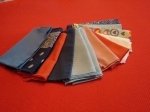
Cloth napkins are the best!
I would start with cloth napkins as the easiest. As you get into the reuse mindset you will see many things you can do to reuse and reduce on your own. Good Luck!
You don’t need plastic bottles!
Get out those real dishes, glasses and silverware for your Super Bowl party and have fun.
Last year I did a series on reducing waste over the holidays. Read it here Maybe just do one thing different this year.
Below is from the Minnesota Pollution Control:
Holiday waste
The presents have been opened and the festivities are over. What’s to be done with all the stuff and waste that’s left? Are there eco-friendly ways to keep it out of the trash?
A lot, and you bet!
The EPA reports that garbage increases 25% between Thanksgiving and New Year’s, and it’s not hard to see why. Drive down any street or alley in late December or early January and you’re likely to see trash bins and bags overflowing with holiday waste. Some of these materials have potential value, which can be lost when they hit the waste stream.
Even if your holidays weren’t the “greenest” on the block, there’s still time afterwards to engage the 5 R’s: Reduce, Reuse, Repurpose, Recycle, and Rethink.
Avoid plastic, fill your glass or metal bottles with water or other liquid.
Bring you own bag
Enjoy this video, as an individual makes a statement on our consumerism. Each American(USA) consumes 4 1/2 pounds of trash a day. As I shop at grocery stores and Menards, I am overwhelmed by the amount of packaging and waste that goes into our purchases.
What can you do to reduce that 4 1/2 pounds a day? I have just returned from a bus zero waste food coop shopping trip, filling my own bottles, and using only packaging that can be composted(paper not plastic). I work everyday to be a climatarian. You don’t need to be as extreme as I am, just become aware! How can we consume less?











 Health4earth