
“Act as if what you do makes a difference. It does.” — William James

Refuse to consume so much junk. Avoid Target and The Dollar Store.
What is the single best thing I can do for the planet? Maybe the best two things I can do? The New York Times put this question to some experts. It was actually the most click on article on Earth Day.
They have sone good suggestions, but we all have such different lifestyles and ways we are all harmful to the planet in the way we live. We all need to take inventory of the ways we are harmful to clean air and clean water. Everyone can buy less stuff. Do we really need all the Easter eggs and decorations everywhere the past two months? Do you really need that extra shirt or pair of shoes? What can you purchase second hand or reuse?
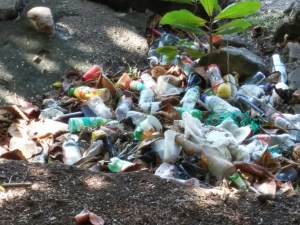
Cutting meat consumption and driving less are huge, but so is not wasting so much food, and reducing our single-use plastic
The New York Times asked their experts how to be the best planetary citizens?
I think their ideas are thoughtful and interesting. It is worth a read
“The thing
First, it’s important to understand that climate change is a symptom of a larger issue: ecological overshoot, or the fact that humans are consuming resources faster than they can regenerate and producing more waste and pollution than nature can absorb, said William Rees, a human and ecological economist and professor emeritus at the University of British Columbia. The most effective solutions, then, address not just greenhouse gas emissions but overall consumption and pollution.
One of the most effective ways to avoid consumption in the first place, Dr. Rees said, is to have a smaller family. But that might not be a realistic option for many people, for all kinds of personal, cultural and other reasons.
As The New York Times’s ethics columnist has pointed out, it might also be realistic to think that children who are raised with a sense of responsibility could — in personal and collective ways — be part of the solution, ensuring human survival on a livable planet by promoting adaptation, resilience and mitigation.
A less complicated recommendation is to cut back on meat. “On all these different metrics, eating a plant-based diet broadly improves sustainability,” said Seth Wynes, a scientist specializing in climate change mitigation at the University of Waterloo in Ontario.
Livestock production accounts for about 14.5 percent of global greenhouse gas emissions. It’s also a major driver of habitat destruction and other environmental harms, including antibiotic resistance, water scarcity, biodiversity loss and pollution.”
Read the entire article below:










 Health4earth