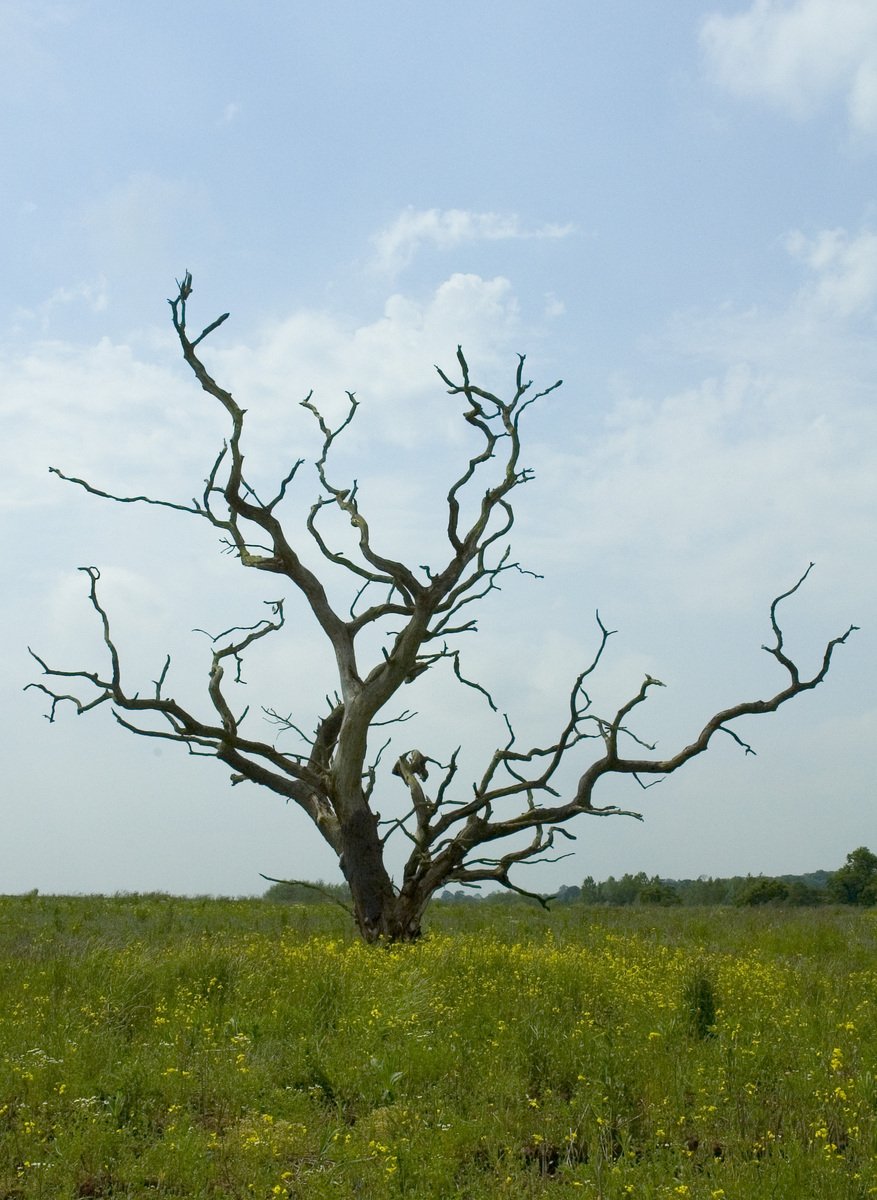
Even dead trees contribute to the environment.
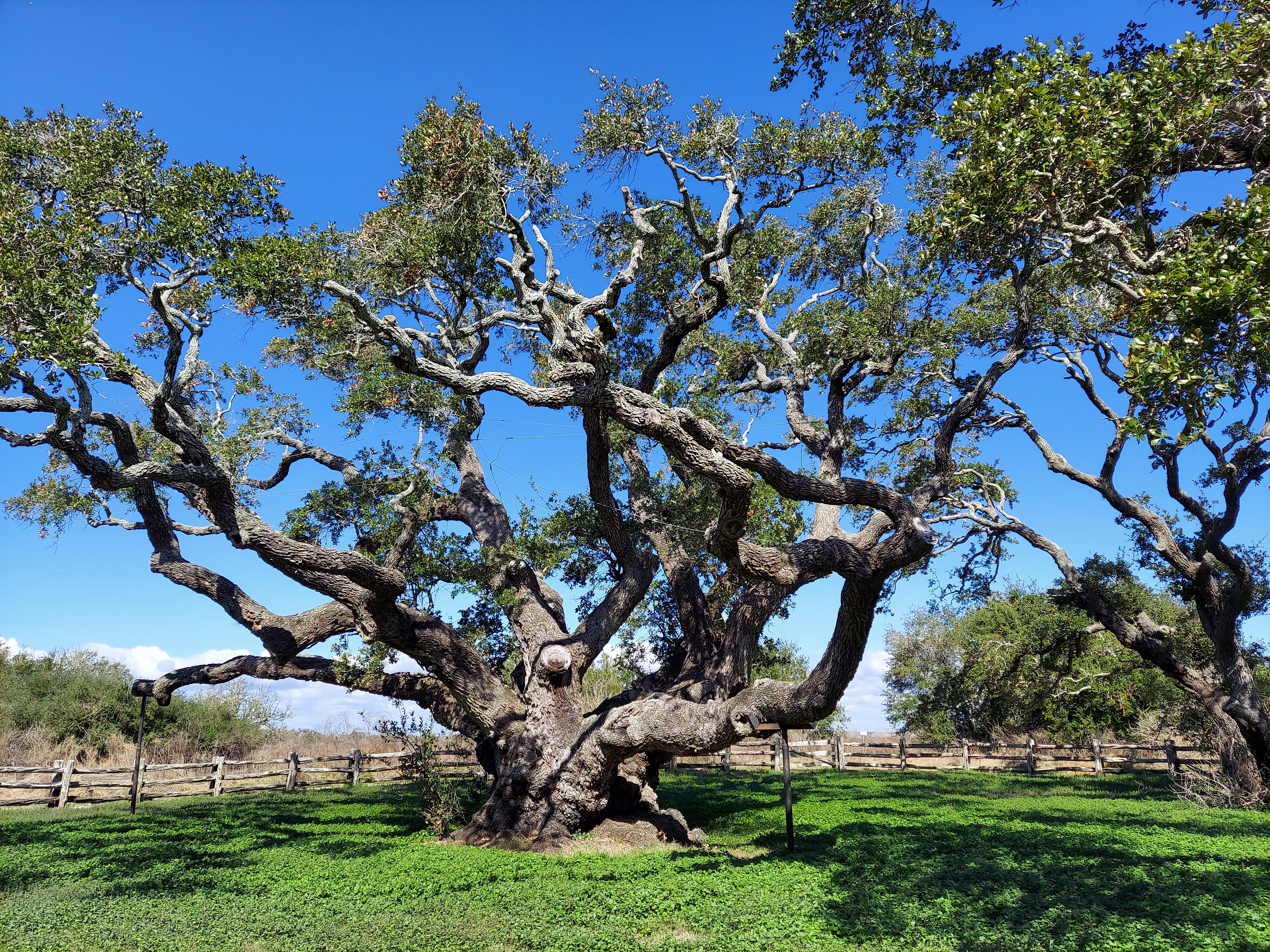
This is a very old oak tree growing in Texas
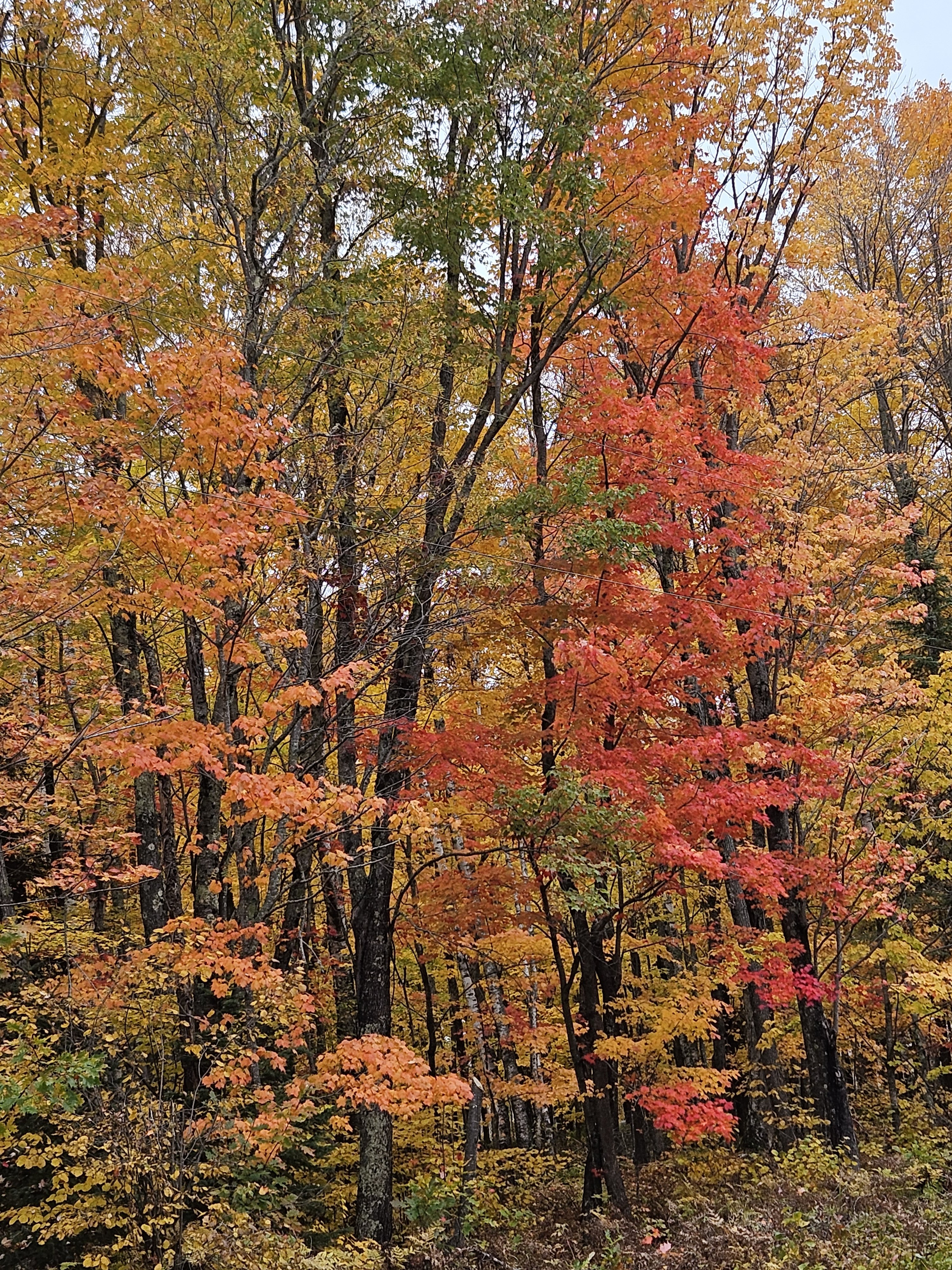
Spectacular trees!
Happy Arbor Day!
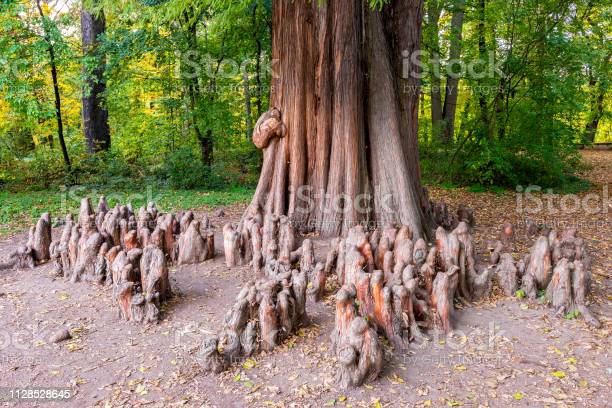
Trees with knees.
The Power of Trees – Health4earth
7 Amazing Ways Oak Trees Help The Environment – Tree Journey | TradeWorks Revenue System™
Do you have a special tree?
Below is a beautiful story about loving trees. How is your favorite tree? Go say hello to it today.
By Kate Morgan
“We take care of things when we have a relationship with them, If you get to know the nature around you, then you value it, and you nurture it, and you protect it.”
RJ Laverne’s childhood home in Detroit had a big elm out front. In fact, the whole neighborhood was lined with them: great, graceful trees whose branches spread across the street to create a shady canopy. Elms were so widely planted in cities and suburbs in the 19th and 20th centuries that they became known as the “Main Street tree.” Then, in the 1930s, Dutch elm disease began to ravage them, and by 1989, most of America’s 77 million mature elms were dead.
Laverne’s elm and its demise remain seared into his memory decades later. “I was maybe 8,” he says, “and I remember standing at the front door next to my sister when the trucks came down the street and cut down the elm trees one by one. When they cut ours, it felt similar to losing a pet. I imagine I was not the only person that grieved to see our neighborhood transformed from this beautiful cathedral of trees to clear cut.”
It was the first tree he loved, but certainly not the last for Laverne, who is a master arborist, an adjunct associate professor of forestry at Michigan Tech, and manager of education and training for Davey Tree Expert Company.
Many of us have loved a tree. Maybe it’s the big sycamore that held a tree house behind your childhood home. Maybe it’s the spruce that waves outside the window of your office, or the maple on the corner near your town’s post office.
I adored a huge fir in the corner of my cousins’ yard in New Jersey, with lower boughs that bent all the way to the ground and formed a sticky, fragrant fort at the trunk. Every day, my daughter greets a trio of towering oaks in our front yard that she lovingly calls “the mama trees.”
It’s not all that unusual to feel a particular bond with a specific tree. In fact, researchers in Finland found that the majority of respondents to a survey did in fact have a favorite. It’s also not unusual, says Laverne, for that bond to feel a lot like friendship. We form interspecies relationships, he points out, with our pets. So why not plants?
In most cases, when we think about a friendship, it’s a symbiotic relationship and both parties are actively involved,” he says. Trees might not respond to us the way a dog or cat would, but “we can form a symbiotic relationship with them nevertheless,” Laverne says, “if we understand all of what they provide for us. Not just the wood, but the shade, the wind-shielding. They take pollutants from the air, reduce stormwater runoff. There’s a huge list.”
While those are all good reasons to appreciate trees, Laverne adds, “you’re not going to fall in love with a tree because it’s sequestering carbon.” But there are other, perhaps slightly more intangible, reasons you might.
In the Finnish study, University of Turku researcher Kaisa Vainio and her colleagues identified three main types of human-tree relationships. The first was centered on nostalgia: People recalled trees from their childhood memories, or felt a familial connection. “It’s a custom here, and in many places in the world, that you plant a tree when somebody has been born,” Vainio says. “You see it grow, and it’s mirroring your own growth, which creates a bond. That relationship is not just between yourself and the tree, but maybe with your grandmother who planted the tree, and her grandmother who planted one before her.”
Others in Vainio’s study chose their favorite tree based on what she calls a nurturing relationship. People felt close to trees that they had planted or were directly responsible caring for.
The third category, which she calls admiring relationships, involves “charismatic trees,” she says. “You probably know one. They are somehow impressive — maybe weird-shaped, really old, very big. They can be monuments or have some special status, or be a rare species.”
But a tree needn’t be so singular to become beloved. In many cases, Vainio says, a “favorite” is just a “really ordinary looking tree that is important to somebody, because it’s the tree they share their everyday life with.”
How to befriend a tree
There can be a lot of benefit to getting to know the trees in your yard or along your commute, says Holly Worton, a naturalist and author of the book “If Trees Could Talk,” but first you have to realize they’re there.
A lot of people think of them as inanimate objects,” she says, “even though obviously they’re alive. But they’re just standing there, so I think they’re so unlike other living creatures that it’s easy to think of them as, basically, outdoor furniture.”
Worton believes trees can communicate with her — and with anyone else open-minded enough to converse with them — telepathically. In addition to factual information about a number of tree species, her book also includes their advice for life, delivered, she says, in their own words. A Norway maple suggests she should stretch her comfort zone by spending time in the woods relaxing with her eyes closed. An ancient yew suggests that she might benefit from spontaneity, and stepping off the path.
Other trees tell her stories. An English oak, one of the last old-growth trees in a stand of young pines, describes seeing his neighbors cut down with chainsaws. “For some reason they let me stay,” Worton writes that the oak said. “They cut down the trees all around me — my network, my family — and planted these evergreens, the ancestors of those which you see today. The diversity of our community was gone.”
Laverne talks to trees, too (though he doesn’t expect them to respond), and he encourages his students at Michigan Tech to do the same. In his forestry courses, one assignment asks students to “interview” a tree, and Laverne provides a guide for how to do so.
“You go out, find a tree and introduce yourself out loud,” he says. “It might feel funny, but it’s really more an acknowledgment to yourself that you’re approaching another living organism. That opens the door to your imagination. Now, they’re not going to talk back, but a tree can still tell you things.”
He instructs his students to examine the details of the tree, feeling the bark and examining the foliage. “The most important part is to give yourself 10 minutes of silence with your tree,” he says. “Sit down, close your eyes and get as many thoughts out of your brain as you can. Listen to what’s happening in and around the tree. You’re going to hear birds. You’re going to hear wind going through the leaves. You may even hear some of the branches clattering around.” Laverne says he wants the students to become familiar with the tree and the environment in ways they weren’t before.
A connection to one particular tree can become a long-term relationship, Vainio says. In her study, more than 40 percent of respondents said their attachment to a favorite tree had lasted several years, and close to a quarter said they’d loved their tree for decades or even for their entire life. But like any lifelong relationship, there’s always a chance that things end in tragedy. When our favorite trees die, either of natural causes or by chainsaw, it’s typical to feel a real kind of grief.
In 2023, when the centuries-old Sycamore Gap tree in Northumberland, England was cut down by vandals, there was an international outpouring of anger and grief. And people will go to great lengths to try to save trees. “Any time one has to be removed in Central Park, they put notices up months in advance to try to ease the pressure,” Laverne says. “But people will still chain themselves to the trees to try to stop it.”
Worton, who has written about tree grief on her blog, often hears from readers mourning the loss of a tree, “whether it’s one they’ve had to cut down because of some kind of illness, or one the city has come and cut down,” she says. “That seems to be the worst kind of scenario, where people have this beloved tree and they show up one day and it’s a stump. That’s really difficult for people to deal with.”
Don’t miss the trees for the forest
Feeling a particular kinship with a tree, Vainio says, isn’t whimsical or eccentric. It’s actually a lot more normal than you’d think.
“It’s not only weird people who have a tree friend,” she says. “In our survey, we saw that people of all ages, genders and professions can have an emotional connection with a special tree. We have this culture that sometimes says if you talk about trees this way, you’re a ‘tree hugger,’ which is somehow bad. But you can be a normal person and have a good relationship with your tree, and that’s not a fairy tale, and it doesn’t require you to believe anything weird to have this connection.”
Laverne’s goal in asking his students — and anyone else who’s willing — to “introduce themselves and start a conversation” with a tree is simply to encourage them to look closer, and to see each tree as an individual living creature.
“That familiar phrase, ‘You can’t see the forest for the trees,’ we can flip that around,” he says. “When they’re clustered together, sometimes you don’t see them as individuals.” But getting to know one tree at a time can help you see each as its own organism, rather than just scenery. And developing an emotional connection can be a shortcut to better environmental stewardship.
“We take care of things when we have a relationship with them,” Vainio says. “If you get to know the nature around you, then you value it, and you nurture it, and you protect it.”
Kate Morgan is a freelance writer in Richland, Pennsylvania.









 Read more: