How can you use less plastic? #BeatPlasticPollution
June 5th is World Environment Day Today is World Environment Day, an international observance that began in 1973 and held annually ever since.This year’s theme continues to focus on plastic and the goal is to #BeatPlasticPollution. Did you know that:Less than 10% of plastic is recycled? The rest end up in landfills or waterways.There are more microplastics (plastic less than 5mm in diameter) in our waterways than there are stars in our galaxy?We ingest microplastics from the food we eat and the air we breathe?A global treaty to end plastic pollution is currently being negotiated, with the second round of discussions happening in August. Consider taking a count of the number of single use plastic items you use in a day or a week. And then consider what alternatives exist to help reduce that number or eliminate your single plastic use altogether. We can all take action. Together.
Reducing your use of single-use plastic makes a big difference!
Small acts adding up to more Below is from the Carbon Almanac! “We don’t have to engage in grand, heroic actions to participate in change. Small acts, when multiplied by millions of people, can transform the world.” – Howard Zinn Consider what you buy. Everything we purchase has made an impact on the environment through carbon emissions. Some more than others. Is your item available second-hand?Our actions matter. We can make a difference before it’s too late. Small actions when coordinated with others can lead to systemic change.What are things you can do?Get engaged in your local government. Listen to a meeting, reach out to your representative, sign a petition. Local environmental policies have a direct impact on our lives and our voices can make a difference.Involve your community. Bring people together to enjoy conversations and spark ideas on what actions to take. Consider what your buy. Everything we purchase has made an impact on the environment through carbon emissions. Some more than others. Is your item available second-hand?Our actions matter. We can make a difference before it’s too late.
“Act as if what you do makes a difference. It does.” — William James
Refuse to consume so much junk. Avoid Target and The Dollar Store.
What is the single best thing I can do for the planet? Maybe the best two things I can do? The New York Times put this question to some experts. It was actually the most click on article on Earth Day.
They have sone good suggestions, but we all have such different lifestyles and ways we are all harmful to the planet in the way we live. We all need to take inventory of the ways we are harmful to clean air and clean water. Everyone can buy less stuff. Do we really need all the Easter eggs and decorations everywhere the past two months? Do you really need that extra shirt or pair of shoes? What can you purchase second hand or reuse?
Cutting meat consumption and driving less are huge, but so is not wasting so much food, and reducing our single-use plastic
The New York Times asked their experts how to be the best planetary citizens?
I think their ideas are thoughtful and interesting. It is worth a read
“The thing
First, it’s important to understand that climate change is a symptom of a larger issue: ecological overshoot, or the fact that humans are consuming resources faster than they can regenerate and producing more waste and pollution than nature can absorb, said William Rees, a human and ecological economist and professor emeritus at the University of British Columbia. The most effective solutions, then, address not just greenhouse gas emissions but overall consumption and pollution.
One of the most effective ways to avoid consumption in the first place, Dr. Rees said, is to have a smaller family. But that might not be a realistic option for many people, for all kinds of personal, cultural and other reasons.
As The New York Times’s ethics columnist has pointed out, it might also be realistic to think that children who are raised with a sense of responsibility could — in personal and collective ways — be part of the solution, ensuring human survival on a livable planet by promoting adaptation, resilience and mitigation.
A less complicated recommendation is to cut back on meat. “On all these different metrics, eating a plant-based diet broadly improves sustainability,” said Seth Wynes, a scientist specializing in climate change mitigation at the University of Waterloo in Ontario.
Tomorrow is Earth Day. It is 55th Earth day since the annual event was initiated in the United States on April 22, 1970.
Earth Day was started by Wisconsin Senator Gaylord Nelson because he saw such deterioration of our water and air quality. It was a call to take better care of our planet. The call is even more important today with the terrible effects of climate change and the production of so much plastic which no one could visualize in 1970.
On this Earth Day visualize the world you want to live in and decide what changes you need to make to create the beautiful world you wish for??? How can we insure clean air and clean water for everyone?
I make zero waste a game to waste as little as I can.
Our landfills are overflowing, and we just keep purchasing junk and many things we can live without. Consumerism contributes to global warming as do our landfills and burning of trash. We must cut back, maybe not to total zero waste, but creating less waste overall.
Zero waste is not easy, but it is possible. Reducing our waste forces a new look to what we buy. Reducing purchases makes us pay attention to what we buy. Do we really need all the junk we purchase?
March 30 is the UN’s International Day of Zero Waste. This year’s focus is on reducing waste in the fashion industry and helping to advance circular solutions. We have a choice how we spend our dollars, and spending our money on good long lasting products should be a priority. Many items are expensive right now and I bet you can monitor and adjust to be happy with what you already have.
Avoid the fashion fads. Do you really want someone else telling you what to buy and wear. Be your own person create your own look! If your truly want to live on a planet with clean air and clean water we need to cut back! “We still have the ability to stop the worst from happening to our planet. The power to do this is in our hands—we just need to use it.” Katherine Hayhoe
We just need to get in the habit of reusing and fixing what we have. Most of us have closets full of clothes we barely use. Shop your closet and create a new outfit with the clothes you have. Be creative
Many say to me, “But it was so cheap!” No, it’s not cheap with the harm it does to our planet! Manufacturing, shipping, and disposal takes lots of time and energy. Most of it not healthy for anyone.
How can you help to reduce your addiction to fast fashion clothing? Some ideas:
Shop your own closet, or the closet of a friend or relative.
Purchase secondhand. Some secondhand stores even have personal shoppers for you to use.
Buy quality over quantity
Mend clothes rather than throwing them away
Intentionally select the brands you purchase from and learn about their sustainability practices
Make a decision you didn’t need this item after all
We need to work harder to protect our nation’s water!
Water is life It is so important for healthy living. Every day each of us must do what we can to protect our planet’s precious water.
It is shameful the poor job we do to take care of our fresh water. Our fresh waterways are teaming with microplastics, nitrates and forever chemicals. None of these are safe for human exposure.
Today I am focusing on two crucial pollutatnts to our water. PFAS chemicals and nitrates. In 2023 the Minnesota legislature passed a strict law restricting PFAS (fovever chemicals) Unfortunately, many companies with PFAS in their products are trying to weaken Minnesota’s PFAS legislation. Read more about it below:
First, here is information on efforts to weaken Minnesota’s new PFAS(forever chemical law)
At least 70 million Americans get their water from a system where toxic PFAS “forever chemicals” were found at levels that require reporting to the Environmental Protection Agency. That’s according to new data the EPA released in its ongoing 5-year review of water systems across the nation. The number will almost certainly grow as new reports are released every three months. USA Today, March 21.2024
Amara’s Law is being implemented well, and Minnesota is better for it. We are incredibly grateful for our allies, whose hard work and determination helped pass such monumental legislation. But now, Amara’s Law is at risk once again. Bills HF 1627 and HF 81, authored by Rep. Josh Heintzeman, R-Nisswa, plan to irresponsibly gut the law, continuing to put polluters before people.
Finding safer PFAS alternatives has the potential to be profitable for businesses of all sizes. Capitalism is meant to push society forward, driving change and fostering new ideas. It was not built to just accept the first product that completes a goal, especially when it poisons people and the environment. We have met innovators and entrepreneurs who are creating effective alternatives to PFAS — they just need support. But they don’t get a chance because large corporations come and try to pick apart critical legislation. Minnesota continues to be poisoned, people continue to get sick, children like Amara continue to die.
Second, we have been unable to control farm run off. This pollutes our ground water our streams and people’s wells. It is dangerous for people, fish and animals. There is no excuse for letting this go unchecked! Nitrate pollution in water is caused by excess nitrogen from agricultural sources. Nitrates and organic nitrogen compounds from fertilizer and manure enter groundwater through leaching and reach surface water through runoff from agricultural fields. Nitrate contamination occurs in surface water and groundwater, leaching into the soil and from there into the water supply from various sources. A high level of nitrate makes water unsuitable as drinking water.
73 percent of Minnesota nitrate pollution comes from cropland, primarily through agricultural drainage systems below cropped fields and by nitrate pollution leaching into groundwater, and then moving underground until it reaches streams. 78% of nitrate pollution to the Mississippi River in our state is fr…See more on fmr.org
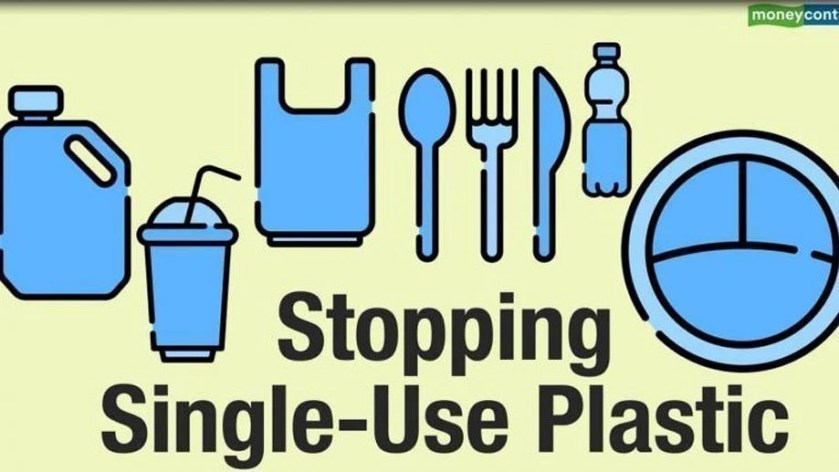
Everyday people throw away single-use plastic “stuff” without thinking twice — plastic bottles, bags, utensils, cups, containers and more.
But this “stuff” never truly goes away. Instead, it clogs our landfills, threatens our health, trashes our parks, litters our streets and even washes into our rivers and oceans. Nothing we use for a few minutes should threaten our health and pollute our future for hundreds of years.
Join the February Plastic Challenge!
The Plastic-Free Challenge is a month-long effort starting February 1 to reduce how many plastics you use in ways that fit best in your lifestyle and have the most impact on reducing your plastic footprint.
Do something positive for yourself, your family and for the planet in February. With so many plastic items in our lives avoiding them may feel impossible, but there is a lot we can do to reduce our plastic footprint. Please Join with us to learn ways we can reduce our exposure to plastic. There are many activities to choose from, but you can also create your own challenge. Keep it simple, and even choosing one activity will make a difference. You will learn a lot, and have fun during this February challenge. Sign up here:
The Plastic-Free Challenge is a month-long effort starting February 1 to reduce plastic consumption, in ways that fit best in your needs. You only need to choose one activity that works for you like bringing your reusable shopping bags, or asking not to be given a straw with your drink, or bringing your reusable cup with you for February. Many other ideas will be suggested when you register. Keep it simple. Do a good job on one thing!
Learn ways to reduce single-use plastic. Join my team here.
Do something positive for yourself, your family and for the planet in February. With so many plastic items in our lives avoiding them may feel impossible, but there is a lot we can do to reduce our plastic footprint. Be part of our Lynnhurst community team, Lynnhurst plasticfree. Please Join with us to learn ways we can reduce our exposure to plastic. There are many activities to choose from, but you can also create your own challenge. Keep it simple, and even choosing one activity will make a difference. You will learn a lot, and have fun during this February challenge. Sign up here:
The Plastic-Free Challenge is a month-long effort starting February 1 to reduce plastic consumption, in ways that fit best for your needs. You only need to choose one activity that works for you, like bringing your reusable shopping bags, or asking not to be given a straw with your drink, or bringing your reusable cup with you for February. Many other ideas will be suggested when you register. Keep it simple. Do a good job on one thing to reduce plastic!
Plastic is made of fossil fuels; it contributes to climate change and is composed of harmful chemicals. Plastic sheds microfibers into our bodies, into our air, and into our water. Studies are showing plastic is unhealthy for us and for the planet. It is important we limit our plastic exposure.
Take care of our bodies, our families and our planet. Reduce your plastic footprint!
The world is facing a trash crisis a climate crisis and a plastic crisis and they are all related to our overconsumption.
So few people connect the climate crisis to the purchases they make. Overconsumption is harmful to our air, to our water and to our health. Landfills and incinerators harm our health. We need to stop competing to be just like everyone else. When we shop purchase items that are of high quality and items that will last a long time. None of us need more junk!
Instead of a season of overconsumption and waste, make it a season of friendship, love and community. That doesn’t mean buy me a gift!
Whether it’s choosing to shop secondhand rather than buy new or simply pausing before you hit the checkout button, we can all rethink the way we consume.
Unsubscribe from sales communication and unfollow brands on social media: We all get those pesky marketing emails, physical mail, and texts, not to mention an onslaught of social media sales messaging, around the holidays. We encourage you to ditch the noise – join over 2 million people who did here. Catalog Choice is a free, online service that will help you save trees, prevent fraud, and fight junk mail. What’s not to love?
The holiday season doesn’t have to be about more Stuff. Together, we can turn the tide against corporate-driven overconsumption and reclaim the real joy of the holiday season.





 Health4earth