When we focus on imagining and debating new possibilities of what we want to accomplish, instead of relentlessly fixating on limitations, we build the will to do more. Alexandria Ocasio-Cortez, U.S.Representative
Several months ago I would have thought this news impossible! Good news lightens my mood and hope for the future. We are all healthier and the Earth is healthier because of this leadership. See some amazing leadership and good news below:
–Two young women have taken the center stage for climate leadership
Greta Thunberg by Anders Hellberg
Sixteen year-old Greta Thunberg is leading Friday climate marches throughout the world, and Alexandria Ocasia-Cortez has taken an incredible leadership role in the U.S. Congress. See Green New Deal. Greta has also been nominated for the Nobel Peace Prize.
–By a vote of 92 to 8, the United State Senate passes a sweeping lands package that designates 1.3 million acres of wilderness in California, Oregon, Utah, and New Mexico, establishes three new national monuments, and permanently funds the Land and Water Conservation Fund.
Clean energy news:
Minnesota, California, Costa Rica, Spain, and others pledge to become carbon-free.
–The Tennessee Valley Authority closes an aging coal-fired power plant,
Yikes, it’s cold where I live! The high today is -15 F, and with the wind it feels colder. Please don’t feel sorry for us. It is just another extreme, and we are all living in a time of extremes. We have extreme droughts, extreme rains and storms, and extreme heat. Minnesota might be back to 40 degrees in just a few days, a 70 degree high temperature change in a few days! Yes, extreme!
Most of us would rather be here in the cold than in the extreme heat and drought Australia is experiencing. While our cold weather is a short blip, they are experiencing a long-term extreme. Read about it here.
The sun shines, and frost on the window.
There are some advantages to a short cold snap like this. We can hope that some of the invasive bugs that are unchecked because of our warmer winters will be stopped or slowed down. The cold will completely freeze over the lakes which make them safer for winter activities, and can also lessen summer algae. My favorite thing about the cold is that the sun often shines making for beautiful bright days.
Polar Bear weather in the mid-north of the United States
Is this part of climate change? Why does this Arctic air escape the Arctic? The Arctic has warmed faster than the 1.8 degrees the Earth has recently warmed. This warming has weakened the jet stream winds that would normally stay north, but this climate warming has caused these winds to seep south. Our warming planet has confused the jet stream causing them to rush where they normally don’t blow, bringing the Arctic winter cold with them. The extreme heat in Australia is a more serious problem that isn’t a passing scenario like our short-lived northern cold. Yes, our changing climate is real and we are experiencing it every day.
A new year brings new energy, new projects and hope into our lives. May we move on to a positive new beginning for us all. One thing that 2018 told us is that our Earth is struggling with harmful human activity. Our warming climate and our dependence on single-use plastic can have tragic implications as we move into the future. We can’t predict the future, but plastic waste and climate change are not going away.
If everyone does a small amount it can make a big difference! I have two things you can do to make a big difference on the Earth this new year. Even if you change one thing you do, and focus on that one thing in 2019 you will be making a difference!
How are you reducing your plastic footprint?
When I started this blog years ago, I was trying to get people to recycle. While I hope you will still recycle what needs to be recycled, it has become harder and harder to recycle that pesky plastic. Glass, aluminum and paper have markets, but we just use so much single-use plastic and there aren’t enough markets for plastic. Plastic can’t be recycled over and over like glass and aluminum.
Shop in bulk
We need to reduce our plastic footprint. Start by changing one thing you purchase in plastic. At our house we refill bottles/containers with bulk at our local coop: soaps, lotions, teas, nuts, rice and almost every dry product we eat. We make our own yogurt, humus and cashew milk. Even as hard as we work on this we can’t avoid all packaging, it is too ubiquitous. As human beings we haven’t figured out our complicated relationship with plastic. The best thing is to avoid it.
Tackling food waste is another way we can all make a difference. If you purchase in bulk you can get just the amount you need. Forty percent of our food in the USA goes to waste, I mourn the valuable water and energy wasted on uneaten food! How have you done on your holiday leftovers? Freeze, cook, eat that food! Be vigilant. I make it into game with myself to be creative making new items from left-overs to keep from wasting food. Just think of the water and energy that we could save! Also, rotting food waste in landfills creates methane contributing to warming the planet.
Some other ideas to make a difference: Make changes in your kitchen and 10 green resolutions from Earth911. PBS offers three science based ideas here.
Some inspiration from Dan Rather: ” I stand at the precipice of 2019, alongside all of you, and breath deep a spirit of empathy and a determination to do our part to help make this world a better place.”
Our everyday activities make a big difference and small positive changes by everyone, can make a big difference to the health of our Earth. A Climatarian thinks about their impact on the Earth everyday, and they work to reduce their daily impact.
The news just keeps getting worse and worse for our warming planet as some places are overwhelmed by drought and fires, and others are inundated with storms and water. Warmer air holds more water and has caused ocean levels to rise causing hurricanes to become more destructive. Wildlife and humans are on the loosing end of this destruction. The lives lost, and the struggle to survive and rebuild are staggering. We are facing a climate breakdown! Read about the latest climate report by the world’s scientists here.
Instead of trashing our air and water we need new paradigms to live by to protect our home. Our current United States government is determined to make this climate breakdown worse. Our warming planet is not going to heal itself. With a little personal responsibility to reduce our carbon footprint we can have cleaner air and water, and a much healthier planet. Let’s make it a team effort and make it a win-win for us all! As self-described Climatarian below are the things I work on everyday to reduce my footprint on Earth. To be successful start small, and when one thing becomes a habit try to add another.
Take personal responsibility to heal our Earth. My vision of a Climatarian is below. What is yours?
Bulk shopping reduces food and packaging waste. Refill your own containers
** Work for zero waste by reusing, refilling and refusing. This takes practice and commitment, but it is fun and easy once you get the idea of how, you can become an almost zero waster! Also, don’t waste food: Freeze and label your leftovers, and put them in wraps, stir fry or something you cook next. Be creative! Managing food waste takes constant vigilance. I will help you get started with zero waste, ask me how to begin????
** Reduce your meat consumption. We haven’t eaten beef or pork for many years, and I actually forget about purchasing from our local chicken source. Meat takes lots of water and energy to raise, and it is a terrible pollutant to our air and water.
** Drive less: No one wants to reduce their driving, but carpooling, public transportation and walking can be fun. Try it!!
This symbol means a lot more than to recycle. A circular economy manufactures and purchases goods from recycled materials.
** Consume less! The more we consume the more the planet suffers and the more garbage we generate. Buy less stuff and purchase things that last, and that you will reuse over and over. Try to become part of the circular economy.
Every year on October 1st, World Vegetarian Day kicks off a month of parties, potlucks, presentations, food tasting displays and lots of friendly discussions. For those new to vegetarianism, it serves as an enticement to give meatless fare a try (even for a day) and learn about its many benefits. And, of course, it’s the perfect occasion for vegetarians and those already moving towards plant-based diets to celebrate their healthy, compassionate food choices. Read the New York Times best vegetarian soups and stews here.
Eating vegan or vegetarian is awesome, but another thing is important also! Work to stop food waste!! Food waste is a terrible waste of water, labor and energy. Use up all those leftovers in soups, rice bowls, or wraps, How do use your leftovers??
We need some good news, and thoughts of what is possible!
After a summer of hot weather, wildfires, and now hurricane season, some positive thinking energy is needed. This a collection of people, businesses and governments working to do good for our Earth. The following good news stories caught my eye:
I am going to start with two stories from France that were surprising.
A theme park has trained crows to pick up trash, especially cigarette butts. France also has a creative idea to put a tax on packaging that can’t be recycled. It would better if it was a tax on materials that don’t biodegrade, but any kind of tax is a great motivator, and a worthwhile education tool!
Also, in the European Union, the Greek Island of Tilos is going to be the first in the Mediterranean to power itself entirely with wind and solar. Read at renewable energy. And in Eastern Europe, Estonia is offering free public transport nationwide.
And good news in the United States, a non-profit in Durham North Carolina has started a program to use reusable containers for take-out. It is inspiring that Anchorage has banned plastic bags and Kroger stores say they are going to start phasing out single-use plastic bags. Like plastic bags, balloons cause litter and harm wildlife. Think twice before you use balloons, and read what is happening at balloons . Also, very good news, a judge has ruled that the Trump administration can’t change an Obama clean water rule
Good news from the Nature Conservancy: Inspiring stories of climate progress across the globe are a sign of what’s possible. http://bit.ly/2w6ozCt
“Too often leaders believe protecting nature … is at the expense of the economy or human well-being. I couldn’t disagree more strongly. We’ve made great progress quantifying what you can achieve by investing in nature.”
“We believe water is key to our future prosperity, and that together, we can achieve a water wise world.”
26 – 31 August, 2018, Stockholm, Sweden
Keep Lake Superior clean and Beautiful!
World Water Week is the annual focal point for the globe’s water issues. It is organized by SIWI. World Water Week will address the theme, “Water, ecosystems and human development.”
The water on earth belongs to all of us, not to just big business or farmers, but to everyone. We depend on clean water for drinking and recreation, and our survival. We can’t choose business profits over the health of people. Let’s all speak out for clean water.
Water is life! I live in a water rich place, and worry that protecting this precious natural resource isn’t enough of a priority. We are at such an important place in protecting our waterways. The past ten years have shown declining water quality. Forty percent of Minnesota’s streams and lakes are not safe for swimming or boating and Lake Superior has many stresses also. Tell policy makers clean water is a priority.
Climate change and run-off are having an effect on Lake Superior.We can almost live without single-use plastic. #plasticfree
Conferences and education are important, but each one of us has a role to play in protecting our water. There are simple things we can do that can make a big difference. First, reduce run-off on your property by redirecting drain spouts, planting deep-rooted native plants that absorb water, and making raingardens. Never use chemicals on your yard, and sweep your sidewalks. Third, buy less stuff, and reduce your plastic footprint by reusing and refusing. Fourth, tell elected officials clean water is a top priority. Finally, make a big effort to keep from wasting food. These things can make a big difference in our water quality. If everyone does a small amount it can make a big difference!
Standing in that sea of color, watching Lake Superior’s never-ending blue waters meld with the sky, I wanted to stay there for the rest of my days” Melanie Radzicki McManus
Yes, this big lake has a spiritual effect on many of us. I love mornings the as the sun rises and noisy birds are busy with their day. The eagles whistle and screech as they fly along the shoreline. I watch two adults and one juvenile land on a white pine, they sit and watch the lake, and chatter among themselves as they fly away. I wonder what the adult eagles are telling their child about life and survival? The hummingbirds are also active in August. They are eating and drinking and squeaking as they prepare for their journey south. What do they tell their young about the journey that lies in front of them? This all typical of August on Lake Superior
Monarch chrysalis under a step
Sphinx moths and many bees are loving my late-blooming pollinator garden. The monarch caterpillars have become chrysalis , and I watch for new monarchs to emerge, and to my excitement they do!
A new monarch dries its wings.
Sadly, August is not like Melanie (above) describes in June. Signs of our warming climate are wearing on this big lake. Canadian wildfire smoke is creating a milky white sky and foggy horizon. Also, blue-green algae has been found along the south shore, probably caused by the yearly hundred year rains in the lake watershed. The watershed streams over-flow into the lake. Heavy rain run-off of lawn and agriculture chemicals causes a nutrient rich brown lake. Along with warm water these nutrients can lead to a blue-green algae problem. After the brown sediment filters out a greener color lake remains that has not been the Lake Superior norm. Read at blue-green algae
What is Overshoot Day? It is the day the people on earth start using more resources than the Earth can renew. In other words the last five months of the year we are living on borrowed time using more resources than the Earth can regenerate. Earth Overshoot Day marks the date when we (all of humanity) have used more from nature than our planet can renew in the entire year. To stay even we would need 1.7 earths to live on. All countries are not equal in the amount of the earth’s resources they use. The United States is not great, using the most resources. The USA would need 5 Earths to supply their needs, Australia would need 4 Earths to meet their needs, China would need 3 Earths, and India and many other countries helps balance it out and only would need 7/10th of an Earth to meet their resource needs. Read more here.
We use the resources of 1.7 Earths.
We use more resources and services than nature can regenerate.
What about the future? I wish it were easier to solve this problem. We consume too much and waste even more. Everyday we need to think how important clean water and clean air are to our survival. Start by cutting food waste, use fewer chemicals, strive for zero waste and quality when we make purchases, and of course, drive less. If everyone does a small amount, it can add up to a lot!
The Global Footprint Network has listed the four following solution areas to address ecological overshoot:
Cities: If we reduce driving by 50 percent around the world and replace one-third of car miles with public transportation and the rest by walking and biking, we can #MoveTheDate of Overshoot Day back 12 days.
Energy: Reducing the carbon component of humanity’s Ecological Footprint by 50 percent would #MoveTheDate 93 days.
Food: If everyone in the world cut food waste in half, reduced the Footprint intensity of their diets, and consumed world-average calories, we would #MoveTheDate 38 days.
Population: If every other family in the world had one less child, we would move Overshoot Day 30 days by 2050.
What are you doing to reduce your global footprint? Today as I was grocery shopping, refilling my containers, striving for zero waste, and being plastic-free. What good ideas do you have?

 When we focus on imagining and debating new possibilities of what we want to accomplish, instead of relentlessly fixating on limitations, we build the will to do more. Alexandria Ocasio-Cortez, U.S.Representative
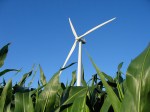 Clean energy news: