Drought, famine, flooding, storms, hurricanes. We are living at a time of extremes. There is either not enough water or too much water? Is our beautiful fragile planet paying us back for all the abuse it takes? I think the warming of the oceans has a lot to do with our extremes. Our oceans absorb the carbon dioxide and pollution causing them to warm and oceans have a lot to do with weather systems. Climate change also impacts the intensity of Hurricanes. In recent years, a higher proportion fell into Category 4 and 5, a trend that is expected to continue.
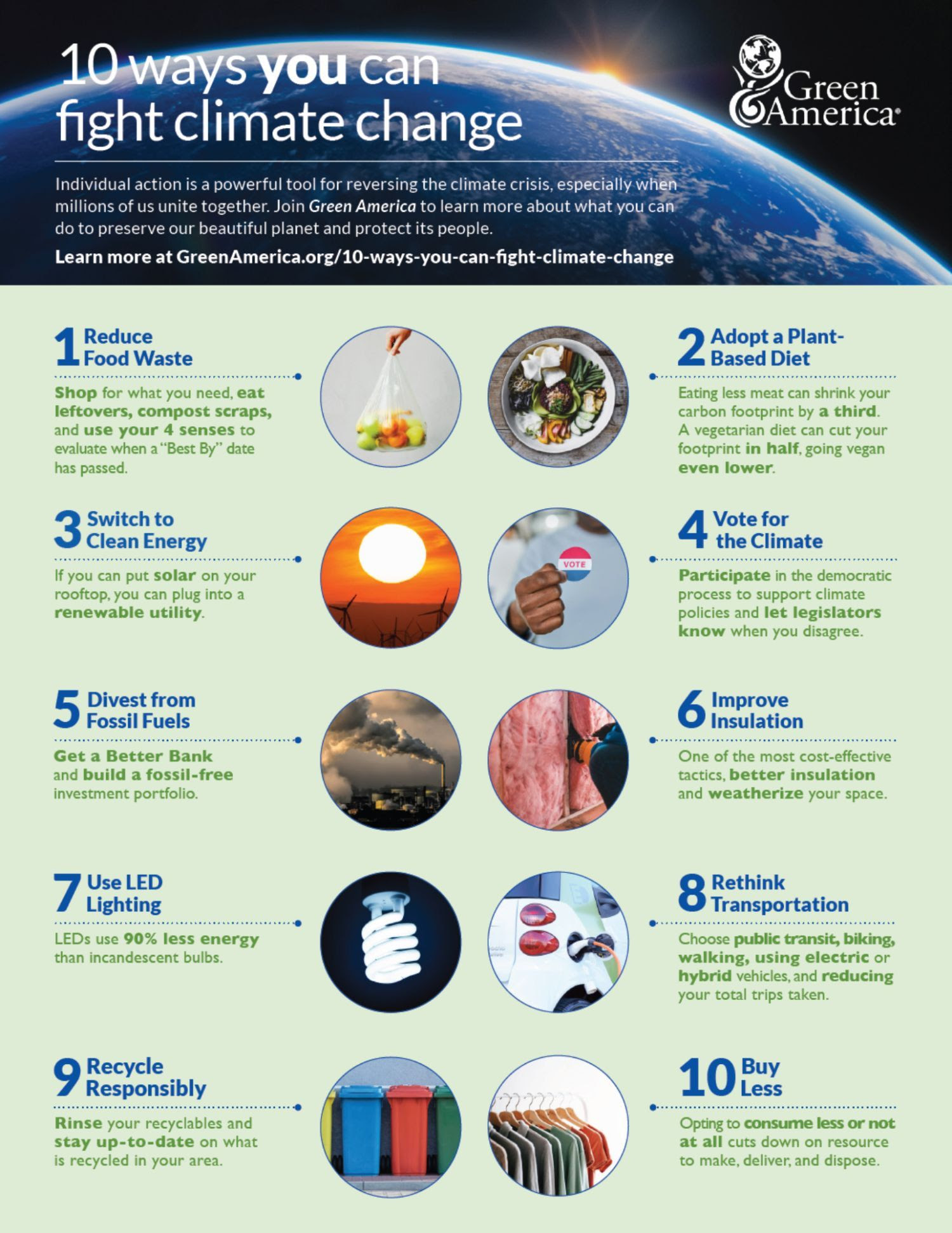
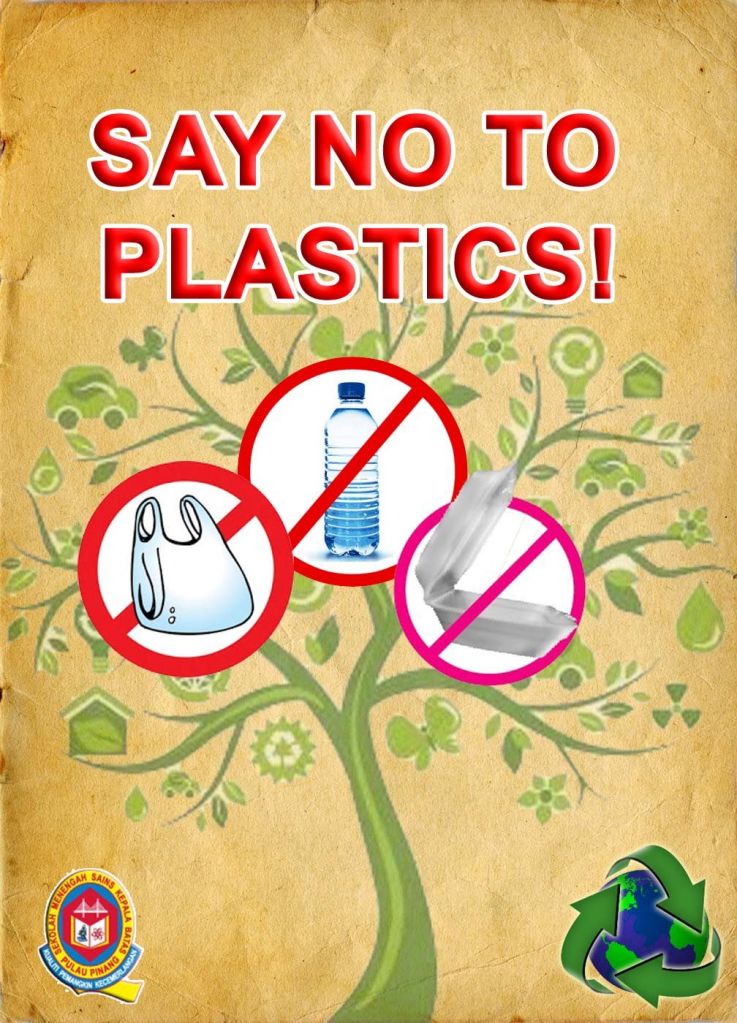
We aren’t doing enough to stop polluting our air. I love this climate poster but it is missing one crucial aspect: Use less plastic! Plastic production is a big contributor to more air pollution. Plastic is made from fossil fuels and contains many harmful chemicals. Also, there is new evidence that plastic pollution is making our oceans more acidic. https://health4earth.com/2022/07/26/how-about-a-dose-of-chemicals/
Our planet needs everyone to do their part. Start by driving less and buying less, and many of the others will fall into line! Individual action is a powerful tool for reversing the climate crisis, especially when millions of us unite together.
World Cleanup Day is the world’s largest one-day civic action engaging more than 191 countries to tackle the global waste crisis. World Cleanup Day is not just about cleanups. It’s a strong and unique movement that shares the dream of a waste-free world. Join World Cleanup Day on 17th September 2022!
September is a month of change. Many are going back to school, the weather is changing, days are shorter, and the monarch butterflies and hummingbirds in my yard are refueling for migration. May you take a lesson from the monarch butterflies to be energetic, happy and kind. What can we all do in our little piece of this vast planet to make the world and others happier and more kind?
Monarch butterflies bring joy
We all want our children to be safe, happy and kind. We want them to live in a healthy safe world. Some of this is hard to control, but we expect them to be safe while outside playing, walking to school, taking the bus, in their schools, and in in all aspects of their lives.
Have you thought of the unhealthy plastic children come in contact with daily? Plastic is loaded with unhealthy chemicals, and there are things you can do to reduce plastic exposure. Manufacturers use chemicals to make plastic soft and other chemicals to make it hard. We shouldn’t expose children to unhealthy materials especially when we have no idea what the long-term effects will be on them.
If you have children I would make an effort to reduce their plastic exposure.
Below are some ideas to reduce back to school plastic exposure. I am not recommending you go out and purchase new items, but hoping this list will give you ideas to reduce your plastic consumption, and reuse items you have within your household to keep children safe.
Lunchtime is a common culprit for plastic pollution in a student’s school day. If your student brings their lunch to school, there are many ways to keep the plastic out. Replace the typical plastic zip-top bag, plastic wrap, with aluminum foil, stainless steel food containers, or paper or cloth bags
2. Cotton and wool lunch bags
Once you’ve eliminated plastic from the inside of your student’s lunchbox, it’s time to tackle the lunchbox itself. Washable lunch sacks are a good option, and they are widely available at most secondhand shops. Look for plastic-free options such as old-school aluminum lunch boxes, or a lunch bag made from natural materials like this cotton and wool one from Life Without Plastic.
3. Plastic-free school supply essentials
Many back-to-school supply lists are unfortunately filled with plastic items (which, even worse, are often sold wrapped in plastic packaging). Shop for an excellent selection of plastic-free back-to-school essentials like notebooks, pencils, markers, papers, planners. Look for options that have less plastic!
4. Stainless steel water bottle
Studies show that there is 50% more microplastic in (plastic) bottled water than tap water. And plastic bottles—like all plastics—contain chemicals that harm human health. In addition to being healthy, plastic-free, stainless steel reusable water bottles are long-lasting, economical, and easy to use and clean.
Finally, have a new school year filled with happiness, kindness, and lots of new learning and ideas.
Reading List;
“One out of six children in the United States suffer from a neurodevelopmental disability, and there is strong evidence that links chemical exposures to neurodevelopmental delays.”
Many of the world’s plastic containers and bottles are contaminated with toxic PFAS, and new data suggests that it’s probably leaching into food, drinks, personal care products, pharmaceuticals, cleaning products and other items at potentially high levels.
15 List of Chemicals in Plastic – Properties – Dangers – AZ Chemistry Meanwhile, there are many list of chemicals in plastic are harmful for our body, and also bad for our Earth. To be wise, it’s better to at least reduce the use of plastic in our daily life. Thus, we may replace plastic with more friendly product.
The first list of chemicals in plastic is Phthalate, the esters of phthalic acid. The main use of phthalate is as plasticizers, to increase flexibility, transparency, durability, and longevity. Factories made phthalate by reacting phthalic anhydride with alcohols.
The accumulation of plastic in our bodies can be dangerous, especially for our children.
Plastic is everywhere and new and current research is showing it is not a healthy product for us to be using. Not only are our bodies contaminated by plastic microfibers, but also toxic chemicals such as forever chemicals (PFAS) and Phthalates. These chemicals accumulate and builds up in our bodies over time, which causes me to worry about the future of our children. See my ideas for reducing plastic at the bottom of this post.
There are of chemicals in plastic that are harmful for our body, and also bad for earth effect. To be wise, it’s better to at least reduce the use of plastic in our daily life. 15 List of Chemicals in Plastic – Properties – Dangers – AZ Chemistry
The first list of chemicals in plastic is Phthalate, the esters of phthalic acid. The main use of phthalate is as plasticizers, to increase flexibility, transparency, durability, and longevity. Factories made phthalate by reacting phthalic anhydride with alcohols. What Is Plastic Made Of? (reference.com)
What can you do? Start the change to a plastic-free life now, but it takes years. Please don’t go buy all new things, just start replacing items as they are needed.
– Don’t eat on plastic or Styrofoam plates or use plastic utensils, and don’t drink out of plastic bottles.
-Always purchase bulk fresh fruits and vegetables and never in plastic containers or plastic bags.
-Choose glass over plastic, and transition to storing food in glass or metal containers.
-Never purchase # 7 plastic products. They are a mixture of different plastics.
-It is possible to live a good life without Baggies!
-Transition your clothes to natural fibers like cotton and wool.
Be healthier and avoid the chemicals contained in plastic!
Plastic Free July is about creating awareness about our plastic problem and to encourage individuals to move to a plastic-free lifestyle. Working together we can make a difference to reduce our plastic use and create a world free of plastic pollution.
Other than being light weight, plastic is not a good product. It is made of fossil fuels, and the production of plastic creates air pollution. It pollutes our waterways and land. Plastic also contains toxic chemicals which can poison our food and health. https://azchemistry.com/list-of-chemicals-in-plastic
Plastic reduction is not easy, start small with one thing to eliminate. I have 4 ideas for your #plasticfreeJuly: Start your #plasticfree month by deciding to bring your own bags and decide “no plastic bags” or use a reusable water bottle and choose not to purchase bottled water or soda. Or decide every bit of plastic you purchase must be recyclable (a lot is not), and then make sure it is recycled. Maybe, bare purchase your produce or meat without plastic. You know what plastic you use. Look at the plastic waste you create, what can you eliminate? Good Luck!
I challenge you to a July without plastic bags or plastic bottles.
States and Countries are changing the discussion on plastic:
Landmark legislation in California will reduce single-use plastic by 25% over the next ten years. The ambitious law requires at least 30% of plastic items sold or bought in California are recyclable by 2028 and economic responsibility falls to producers. It’s the first state in the US to approve such sweeping restrictions. Guardian
There is always something you can do to use less Plastic!
Hennepin County is challenging people to use less plastic. These ideas are from them:
Why should we reduce plastic?
Plastic has many functions and benefits, and it has been very helpful to society. However, the growth of plastic use and plastic waste is unsustainable for our health and for the environment. Today we are using twenty times more plastic than we did in the 1960s. Plastic is hard to collect for recycling, is usually made from petroleum, and causes substantial litter that contaminates soil, water, food, and our bodies. We need our systems to change, but we can also be more careful about how and when we choose to use plastic in our daily lives.
Choose Glass!
Tips to use less plastic
Because plastic is everywhere, it feels hard to use less. Start with products that are easier for you to avoid, and slowly reduce plastic in other areas of your life. Replace the durable plastic items you own only when they are used up or broken, unless they are hazardous to your health. Here are more tips to get started:
Learn to refuse single-use plastics you don’t need, such as plastic water bottles and cups, straws, plastic bags and plastic utensils.
When you must buy plastic products, choose ones that you can recycle rather than ones you must put in the trash.
Instead of single-use plastic items, choose ones you replace less frequently or not at all, such as steel shaving razors, permanent soap dispensers or refillable beauty or personal product packaging.
Buy foods in family sizes or in bulk, then repackage them into smaller portions instead of purchasing individually wrapped items.
Try to DIY a few things like condiments, cleaners, and meals made from scratch. Or learn a food preservation method that doesn’t require plastic.
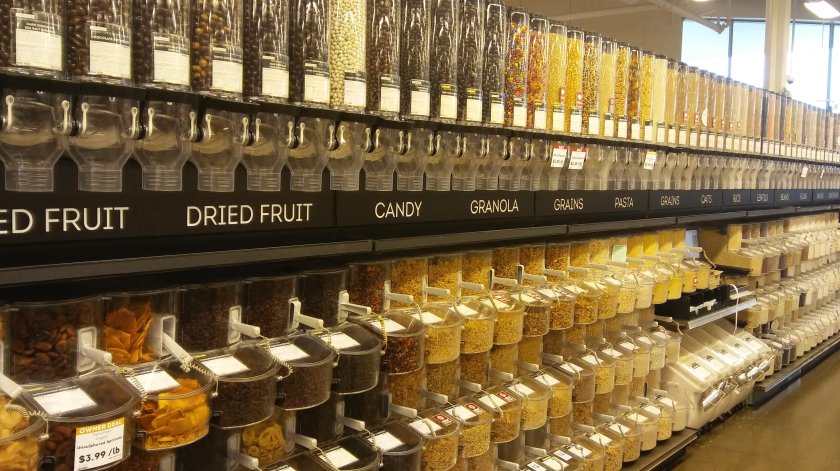
Shop bulk items
Shop bulk and fill your own containers
Avoid plastic, purchase produce in bulk without plastic
Easy tips to use less plastic and create less waste
We can make choices with our wallets and our lifestyles that create less demand for new plastic, even if we can’t avoid plastic every day. Be thoughtful about where you shop and how to reduce your plastic footprint.
Buy secondhand reusable items to replace single-use plastics, from water bottles and utensils to reusable bags.
Look for whatever it is you need secondhand; it reduces the need for new plastics, and it reduces the amount of plastic used for product packaging.
Look for reusable, non-plastic items in secondhand stores, such as dishware, wood furniture or home décor.
Rent things such as tools or specialty clothing instead of buying them, since most tools have at least some plastic components and clothes are often plastic fiber blends.
Take care of the things you own so they need to be replaced less often, from mending clothing to repairing electronics and keeping your cell phone longer between upgrades.
No matter how much time or money you may think you need to spend on avoiding plastic, there is always something you can do to use less.
I use the term zero waste often. It is a daily goal in my household, a goal we work for every day. Everything we purchase has an impact on our environment from our use of materials and natural resources to the emissions created for manufacturing. Then there is the end of life of a product. Will it sit in a landfill for 500 years polluting the ground and air surrounding it, can it be reused many times, or can it be turned into a new product?
Manufacturing, landfills, garbage burning, and hazardous waste contribute enormously to our warming planet. We need to take all our trash and waste seriously. Remember food waste is waste too!
Unfortunately, we have a long way to go to reach a zero-waste future. Walking through a grocery or drugstore highlights how far we still have to go. Almost everything is packaged in plastic. Plastic that can’t be recycled! As consumers we can try to purchase products with a minimum of packaging or refuse to purchase them completely. I often call manufacturers like Field Roast, Morningstar and Bob’s Redmill to request they start to use recyclable packaging. Currently, in the United States only 9 to 10% of our plastic is recycled. We have a long way to go and need to begin to hold producers of plastic responsible so they produce packaging that can be recycled or reused.
“Reduce, Reuse, Recycle” is how we need to live. Every product we purchase affects our environment; So, before you buy, ask yourself if you really need it? If you do, consider buying gently used instead of new, and look for minimal packaging and shipping.
My county, Hennepin, is creating plans for a zero-waste future:
“Hennepin County’s zero-waste vision is a waste management system where all materials are designed to become resources for others to use to systematically avoid and eliminate the volume and toxicity of waste and materials, conserve and recover all resources, and not burn or bury them. The key performance measure is diverting 90% or more of all discarded materials from landfills and incinerators.” Hennepin County
“Zero waste is a set of principles focused on waste prevention that encourages the redesign of resource life cycles so that all products are reused. The goal is for no trash to be sent to landfills, incinerators or the ocean. Currently, only 9% of plastic is actually recycled. In a zero waste system, material will be reused until the optimum level of consumption.” The definition adopted by the Zero Waste International Alliance (ZWIA)
“Small acts when multiplied by millions of people, can transform the world!” Greenpeace
The new year has arrived, and we all have the best intentions to have a fresh beginning. With all the uncertainty and discord around us, focusing on something bigger than ourselves helps to rise above all the confusion. Choose to do things that are fun and make you feel better about your place in society.
New goals and new ideas help stimulate new interests and are good for our mental health. First of all, don’t worry about being perfect, just do something different. No one is perfect, but if everyone does something it adds up to big things for us and our community.
Millions of people around the world have been harmed by storms and our warming world during the past year. With all the harm humans have done to our planet the last hundreds of years, our warming Earth is struggling to find some equilibrium, and we can all lessen our negative impact. By reducing our consumption of the Earth’s resources, we can help our corner of the world and make a big difference. My ideas are to help you think of ways you can make a positive difference and hopefully have fun!
Every day my household works on three big things to reduce our consumption of the Earth’s resources:
Reduce meat consumption
1. Cutting meat consumption and always celebrating meatless Mondays. There are so many meatless options in the frozen food section of grocery stores it can be easy and fun. The hard part is finding meatless options without increasing plastic pollution. Here are some ideas to get you started. Vegan Recipes To Help You Eat Less Meat : Life Kit : NPR
2. Reducing plastic is paramount. Plastic creates waste and litter, it contributes to climate change, pollutes our water and is harmful to wildlife. It is concerning how plastic affects our health and what it’s impacts might be for us. We have a lot to learn about how plastic is harming our health. Please reduce your consumption of plastic. Start by using reusable bags, cups and bottles, and then you will slowly learn new ways to reduce plastic in your environment. So much plastic can’t be recycled, but if you must purchase items in plastic, make sure it can be recycled.
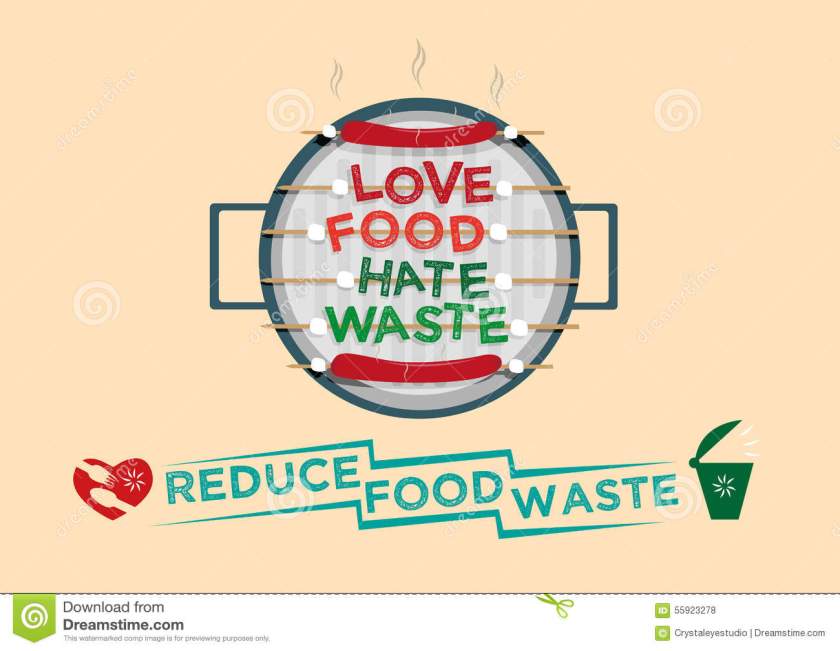
3. Reduce Food waste. Food waste is a total waste of water, labor, time and energy. First start with your shopping, don’t buy more than you can use. Buying in bulk is a good way to regulate how much you purchase (bulk can reduce plastic waste also). Second, staying on top of what items are in your refrigerator/freezer is extremely important. Maybe have an “eat first shelf.” I keep a container in my refrigerator to accumulate celery tops and other vegetable scraps for weekly soup making or stir fry. Finally, turning leftovers into a new meal is one of the best things about cooking. Make it fun and challenging! Wraps and rice bowls are winners!
“We have the choice to use the gift of our life to make the world a better place–or not to bother” Jane Goodall
Our actions and daily choices speak to the world we want to create. This holiday, we can choose to make friendly choices for our planet. Instead of buying new decorations use what you have and follow these simple steps to make your decorations, gifts, and gatherings more sustainable: Seven tips for an earth-friendly holiday season (worldwildlife.org)
Look at the materials gifts are made from and keep sustainability in mind. Use paper products made from recycled materials and avoid single-use plastics that can’t be recycled. Buying secondhand items like vintage clothes, furniture, and refurbished technology is another great way to gift more sustainably.
Look for cards and wrapping paper made from recycled materials. Avoid foil-backed cards or those with **glitter—which aren’t recyclable.
Glitter is a microplastic!
** Reasons to avoid glitter:
A few facts about glitter will surprise you!
Glitter is made of a microplastic known as Mylar, which is hurting ocean life
This plastic accounts for 92.4% of the 5.25 trillion pieces of plastic in the ocean
Marine life is mistaking glitter for food, which is damaging their livers
Every tiny sparkly bit takes thousands of years to break down
In my meetings some are wondering what big thing they can do to stop climate change. I think many people doing lots of little things to help our planet amount to a lot! We can all make a difference by buying less and wasting less. Thank you!
From Thanksgiving to New Year’s Day, household waste increases by more than 25%. Added food waste, shopping bags, packaging, wrapping paper, bows and ribbons all adds up to an additional 1 million tons a week to our landfills. (Source: EPA)
Enjoy your leftovers!
Make a plan for your holiday left over food. What do you generally do with left over food? 40% of the food in the United States is not eaten, and ends up in our landfills causing an enormous waste of our precious resources. Wasting food is an enormous waste of water, money, time, labor, energy and transportation. The Natural Resources Defense Council (NRDC) has an incredible education campaign to inform the public how much we are wasting. For example the production of one egg takes 55 gallons of water! Their website is savethefood.com
Not only does wasting food, waste valuable resources and lots of water, but also food in our landfills decomposes creating and giving off methane gas which is a harmful air pollutant contributing to global warming
So let’s get creative and “Save the Food.” One of my favorite cooking activities is to reinvent leftovers into a new lunch or dinner stir fry, soup, tacos, enchiladas, salads, fried rice, quinoa bowls and many other things lend themselves to create special meals of leftover food.
Have a fun holiday, and make a creative difference by reusing, planning, seriously cutting waste, and saving food from the garbage!









 Health4earth