Everyone needs to work to help our planet. So much leadership is needed!
A chance for other countries to lead. France, Germany, England, Italy, India?
U.S. leaves international climate agencies This week the United States announced it would be leaving 66 international organizations, agencies, and commissions which includes many related to climate change.
Among these is the UN Framework Convention on Climate Change (UNFCCC) which was adopted by all member nations in early 1990s and is considered the treaty which led to 2015’s Paris Agreement. The U.S. also previously announced its withdrawal from the Paris Agreement, which will officially take effect on January 20.
Also included are:
Intergovernmental Panel on Climate Change International Renewable Energy Association International Solar Alliance International Union for Conservation of Nature Intergovernmental Science-Policy Platform on Biodiversity and Ecosystem Services With these actions, the U.S. has further separated itself from other countries in the climate change space. Does its withdrawal give pause to the activities of other nations? Or will it motivate other countries to lead in this evolving space?
Start the day with hope. Spring will come! Collective positive energy can make things better.
All people matter!
Embrace a new year and each new day with hope!
The road is before us! It is a new day, a new beginning, And it is filled with hope.” Walt Whitman
Start each day with hope!
2025 has been a hard year. Wars are raging, too many die from gun violence, democracy is threatened, ICE is threatening communities, climate change brings storms, fires, drought and flooding. But we must move forward toward a new world. Our mental health is so much better if we start each day with hope and positive energy to make things better.
Below is from the NYT today:
While optimism is the belief that the future will be better, hope is the belief “that we have the power to make it so,” said Chan Hellman, the director of The Hope Research Center at the University of Oklahoma. It is “one of the strongest predictors of well-being,” he said. It helps improve the immune system and aids recovery from illness. More hopeful people may actually grow taller than less hopeful people.
To cultivate hope, people need three things. They first need to be able to envision a better future, either personally or collectively. Second, they need the willpower or motivation to move toward that future. And third, they must be able to chart “a path from where they are to where they want to be,” he added.
How to be more hopeful There are a few ways, experts say.
People can set specific goals and then “begin brainstorming the pathways or road maps” to achieve them, ideally by writing them down, Hellman said. That can start small. “It is much better to set and focus on short-term goals rather than long-term, abstract goals,” he added.
That can often mean speaking more positively about other people. People gossip three times as much about the selfish things others do than about the generous things they do. To address that, an expert suggested “positive observation.” Share one story of something positive that you observed or did that day. The research finds that when you know you’re going to have to share something, you pay a lot more attention to it.
Lift every voice and sing Till earth and Heaven ring Ring with the harmonies of Liberty; Let our rejoicing rise, High as The list’ning skies, let it resound loud as the Rolling sea
This is the coolest newsletter. I hope you will subscribe.
The Daily Difference Newsletter
Join the Daily Difference, a newsletter to help everyone around the world in taking action and making a significant positive impact. It’s not too late. The earth needs passionate people like you to spread the word and create meaningful change.
Taking action to heal the planet doesn’t need to be overwhelming. It doesn’t need to be perfect. It just needs to happen. Take a moment today and be a difference […]
The International Union for Conservation of Nature’s (IUCN) Red List of Threatened Species is a report on the health of the world’s biodiversity. It is a comprehensive source of information […]
Negative climate stories in the United States often make the headlines – cancelling wind farm construction, accelerating oil and gas drilling, rolling back regulations on greenhouse gas emissions and air […]
In Canada, and in many other countries around the world, it is often Indigenous people leading the way in sustainability and stewardship of nature. The Heiltsuk Nation, on British Columbia, […]
In the United Kingdom, companies who make packaging are now having to pay as the Extended Producer Responsibility (EPR) has started its enforcement stage. What is EPR? It is based […]
Mihir Rao, an 18-year-old from Alberta, Canada, is helping other young people to learn how to influence decision-makers. Rao, who is also a winner of the 2025 I-SEA Youth Climate […]
This is from the Story of Stuff. I hope you will give it some thought and make thoughtful purchases for the holidays and all year. “This time of year, the pressure to buy more — and waste more — is everywhere. Black Friday doorbusters, holiday flash sales, limited-time offers: overconsumption during the holidays isn’t an accident. It’s by design.
And the consequences are massive. Americans generate 25% more waste between Thanksgiving and New Year’s — an extra one million tons of trash every week. From impulse purchases tossed by January, to mountains of packaging, the holiday season has become a pipeline of extraction, production, shipping, and disposal.
What we rarely see are the impacts hidden upstream. Most of a product’s environmental footprint happens long before it reaches your door — through rapid mining of raw materials, energy-intensive manufacturing, and global shipping emissions that fuel the climate crisis.
Fast fashion hauls and holiday overbuying only accelerate the damage. Every second, a garbage truck’s worth of clothing is landfilled or burned. Electronics, toys, gadgets, and seasonal “stuff” flood into toxic e-waste dumps around the world.” Story of Stuff
Trying to be more climate friendly with gift giving this year? This holiday gifting guide will help you get in the spirit while saving you money and deepening the meaningfulness of your holiday season.
Yes, we all can make a difference. Small changes can lead to big changes.
A great thought for the day. How can we have more control? The world can be a discouraging place. Especially when we have elected officials that are taking us in the wrong direction and wasting taxpayer dollars. The only thing we have control of is our own behavior, and instead of being angry we can use that energy to make a positive difference. Below are some ways you can make a positive impact without much effort. Good Luck. Below is from the Carbon Almanac:
When countries and companies lessen their commitment to targets and activities for climate change, it can be disheartening as systemic change is critical for big impact. If you feel powerless to influence systemic change, you can start where you are.
Some ideas of how to start:
Start by having a conversation with friends
Start by taking one less trip in a combustion engine vehicle
Start by shopping at a thrift store
Start by buying produce that is not wrapped in plastic
Start by bringing a reusable mug to your favourite cafe
Start by finding a local environmental group
And my list to get you started:
*Always carry reusable shopping bags
*Never idle the engine of your car
*Write letters to elected officials and newspapers expressing your opinion (positive and negative)
*Plant a native plant or a native tree
*Listen, smile and be kind
The key is to start (or keep) taking action. One action can lead to another and then another. And by sharing what you are doing, you can inspire others to join.
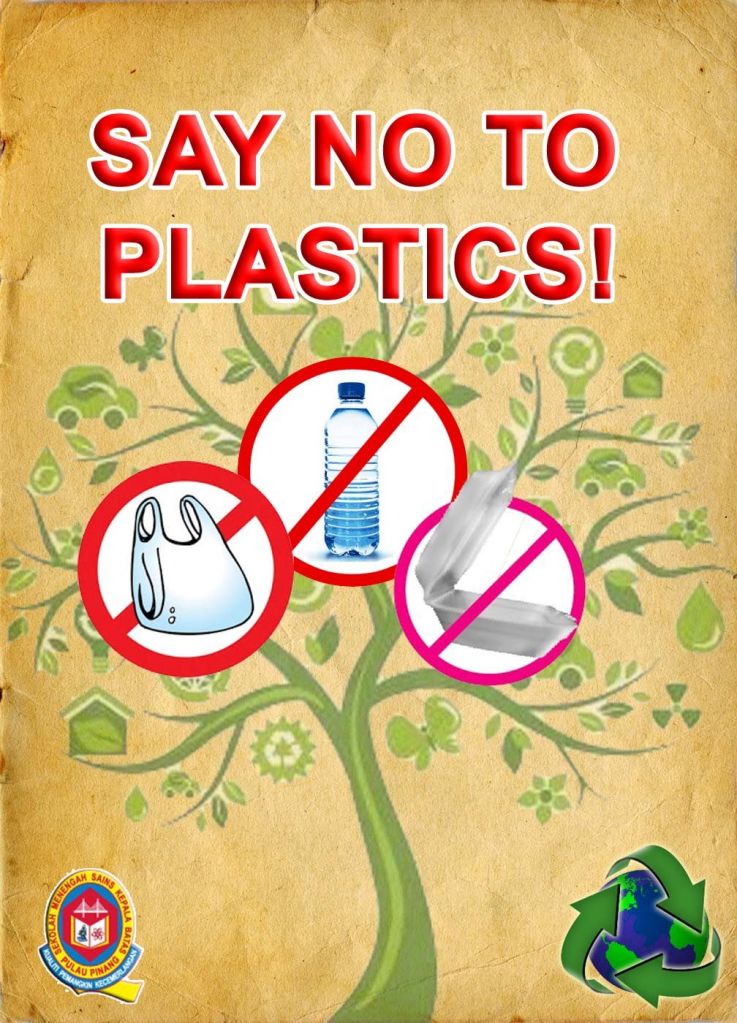
We all need to examine the amount of plastic we purchase, and figure how we can reduce the plastic we are exposed to and disperse into our environment.
Plastic is harming our health and our environment.
By Mary Koseth and Katelynn Rolfes
From the Minnesota Reformer
Microplastics have become a significant environmental concern across the world due to their widespread presence in various ecosystems, potential harm to wildlife and marine life, and the uncertainty surrounding their long-term effects on human health.
This summer, concerned citizens across Minnesota worked with staff from Environment Minnesota Research & Policy Center to test 40 Minnesota lakes for microplastics.
When we analyzed the water samples the results were clear: No Minnesota lake is safe from microplastics.
The report presents the test results, from the northern coast of Lake Superior to the wouthwest corner Minnesota, and includes recommendations to tackle the problem. In our citizen-science research project, the 40 samples were filtered using a funnel, flask and filters which had a pore size of 0.45 microns. The goal was to capture any tiny bits of plastic that were tough to spot with only our eyes. The types of plastic we searched for were microfibers, films, fragments and microbeads. We found all of these types save for microbeads, commonly found in beauty products prior to their banning in 2015.
The results of this survey should set off alarm bells for Minnesotans who love our lakes. Minnesota’s waterways are a source of peace for people, a critical habitat for wildlife, and part of our state’s identity.
Our report underscores that microplastic pollution is not an “over there” problem. It’s a “right here” problem that none of us can afford to ignore. But fortunately for us, this isn’t a hopeless situation, and there are many ways we can take action. As individuals, as community members, as whole nations, we can uphold human and environmental health and justice with our creative ideas and bold visions. Everyone has something to offer. When it comes to microplastic pollution, it’s all hands on deck.
The report outlines a broad range of various ways to tackle the problem. These include fighting fast fashion and excess textile waste, and changing Minnesota law to allow local governments to restrict single-use plastics like plastic bags.
We need to take a lot of steps to protect our lakes and health from microplastic pollution, but to start, we need to move away from single use plastics. Nothing we use for a few minutes should be able to pollute our environment for hundreds of years.
Halloween is a day that is looked forward and cherished by many.
It is also a day that brings lots of extra waste- extra plastic and waste through costumes and decorations. What if we try to reduce so much waste and use what we have?
Instead of buying so much plastic waste maybe make ghosts out of old sheets or make a scarecrow out of old clothes and save money, too
Embrace Halloween as a day to be creative.
Halloween can be a creative time to decorate and create a costume. I look forward to the creative thinking that come to my door. Being creative is more fun!
The hardest part of a plastic-free holiday is finding plastic-free candy, How about apples or tangerines?
Here are some good candy tips tips from Beyond Plastic: Pick plastic-free packages. If you need to stick to packaged candies, there are some options that come wrapped in foil or small thin cardboard boxes. Candies like Dots, Milk Duds, and Junior Mints come in small cardboard boxes, Tootsie Rolls and other fruit chews and Dubble Bubble come wrapped in paper, and there are many small Halloween-themed chocolates that come wrapped in foil that, at least in theory, could be collected and recycled.
Instead of buying a new costume, consider setting up a costume swap party with friends (see some tips here) or creating a homemade costume where face paint replaces a plastic mask. Perhaps there is even the option to rent a costume for the night.
For decorations, look around your home and in nature to see what can be upcycled to help set the scene for Halloween. Cardboard boxes could easily be made into tombstone decorations. String or rope can create thick spider webs. If you are wanting to purchase decor, consider looking for items that will last for several Halloweens.
What about choosing real pumpkins over plastic versions? Not only can you carve how you want, you can roast the seeds. And when done, the pumpkin can be turned into soup or cut into pieces to decompose in a garden or composted.
I wanted to share an invite to Zero Waste Fest on Saturday, October 11 at Burroughs Community School in Minneapolis. It’s a free, all-day community event with panels, food, music, kid’s activities, and lots of hands-on ways to get involved in building a future without waste. Zero Waste Fest — MN Zero Waste Coalition
The day runs from 10am to 4pm and includes:
Inspiring panels on:
Building a Zero Waste Future in Minnesota
Plastic is a Justice Issue: Fighting Pollution from Production to Disposal
From Throwaway to Reuse: Reclaiming Culture, Creating Systems
Tabling from organizations around MN supporting zero waste
Clothing swaps and mending
Food, art, and music!
It’s free and open to everyone. I’d love for you to join us and help spread the word!
A Tribute to The International Day of Peace. Please Live Peace, Be Peace, Push Peace, Vote for Peace and Meditate or pray for Peace. These wars in Ukraine and Gaza just can’t continue!
Last night I had the Strangest Dreem by Ed McCurdy
Last night I had the strangest dream I ever dreamed before I dreamed the world had all agreed To put an end to war
I dreamed I saw a mighty room The room was filled with men And the paper they were signing said They’d never fight again
And when the papers all were signed And a million copies made They all joined hands and bowed their heads And grateful prayers were prayed
And the people in the streets below Were dancing round and round And guns and swords and uniforms Were scattered on the ground
Last night I had the strangest dream I ever dreamed before I dreamed the world had all agreed To put an end to war
Sun Day
Sun Day is a day of action on September 21, 2025, celebrating solar and wind power, and the movement to leave fossil fuels behind. Solar energy is now the cheapest source of power on the planet – and gives us a chance to actually do something about the climate crisis. But fossil fuel billionaires are doing everything they can to shut it down. We will build, rally, sing, and come together in the communities that we need to get laws changed and work done.
On July 24, we had used all the resources that the Earth can generate in a year. We are using more resources than we can replace, or living on borrowed time. The day we want to reach is December 31.
How can we use ;ess resources
From the Carbon Almanac. On July 24 we hit Earth Overshoot Day for 2025. Earth Overshoot Day is noted every year and the date is announced on World Environment Day. It marks the day when “humanity’s demand for ecological resources and services … exceeds what Earth can regenerate in that year”. Global Footprint Network, a research organization focused on the operation of the human economy within the Earth’s ecological limits, hosts and calculates when Earth Overshoot Day will occur, with this year showing that humanity is using the planet’s resources 80% faster than ecosystems can regenerate. July 24 is the earliest in the year that Earth Overshoot Day has fallen, with past dates going back to 1971. In those 54 years, humanity reached its overshoot day on December 31 once, in 1972.
Calculations for overshoot day are based on the National Footprint and Biocapacity Accounts, and this year’s calculations revealed that due to the ocean’s reduced capacity to store carbon, an increase in per capita Footprint and a reduced per capita biocapacity, Earth Overshoot Day fell eight days earlier than it did in 2024. In addition to Earth Overshoot Day, Country Overshoot Days are also calculated each year, seen here. These dates represent when the planet’s ecological resource budget would be used up if every place on Earth consumed at the same level as residents in that particular country.
A campaign working to reduce the strain on the Earth’s resources and bring humanity’s consumption into better balance is #MoveTheDate. The goal is to move the date of Earth Overshoot Day to December 31 or later every year, ensuring that the resources taken from the planet can be sustainability regenerated by the ecosystems. Solutions range across five major areas: planet, cities, energy, food and population. This solutions map tracks solutions being implemented across the world. Check it out to see if there are any near you.
Visit the Earth Overshoot Day website to learn more about how it is calculated, as well as the economic and ecological implications of humanity’s continued overuse of resources.
My Five things you can do:
Strive for zero waste–Reuse, Reuse, Reuse and Refuse!
Drive Less
Reduce your plastic footprint–No single use plastic!
Plant native plants and raingardens without chemicals!