July should be one of the best times of the year. Make a choice to have outdoor time, listen to the birds and look for butterflies. Turn off phones and your TV and make a choice to enjoy your environment.
Enjoy the beauty of July!
Make a choice to be kind and work to be resilient. Make a choice for clean air by buying and driving less, and you will be doing something good for the earth. Make a choice to use less plastic and eat healthier. Wise choices will help you be happier. The Actions for Happiness group have lots of good choices for a happier July. Good luck!
Chin up, chin up Put a little laughter in your eyes Brave it, save it Even though you’re feeling otherwise Rise up, wise up Make a little smile begin You’ll be happy hearted Once you get it started Up with your chinny chin chin!
June is Clean a Storm Drain month. It is also World Oceans Month. Keeping storm drains clean keeps trash and pollutants from entering our oceans and waterways that drain into the oceans.
If everyone does a little it adds up to a lot! Collective action matters.
Storm drains feed directly into our local lakes and rivers, unfiltered, so it’s important to keep them clear for cleaner and healthier waterways. June is an important time to keep the seeds, grass and sticks that are collecting on our streets and sidewalks out of our storm drains. While they might be “natural” debris they become pollution when large quantities hit the water, break down, and become food for algae.
Sweep Up and Clean Up. Be part of a community effort for clean water! Thank you.
We live in an unjust world. Children are shot for being at school, shoppers are shot buying groceries, and whole countries are under siege because leaders are full of lies and visions of power. Poor countries are suffering from climate change created by wealthy countries. We live in an unjust world
Justice and Truth!
We must work for justice and truth. As a civilization we will not survive if we don’t work harder for justice and electing leaders who speak the truth and do not spew hate.
We must do more to keep our children safe, and gun violence should be an issue Americans vote on, only then things will change!
Gun violence in America kills more children than any other cause. This is not a civilized society! All countries have mental health issues, but the United States needs the gun restrictions that other countries have managed to pass. See information from John’s Hopkins below.
Make an effort to spread kindness every day! Kindness creates a ripple for more kindness!
From John’s Hopkins University:
“Ten people shopping for groceries in Buffalo were killed in a racist act of gun violence. The next day, worshippers at a California church were shot in another racist incident. Last week, tragedy struck again, but this time in an elementary school in Uvalde, Texas, where 21 people, including 19 students and 2 teachers were killed in a mass shooting.
All are tragic reminders of why we need lawmakers to implement gun violence prevention policies that can prevent this needless loss of life.
As the new Center for Gun Violence Solutions – formed from the recent merger of the Educational Fund to Stop Gun Violence and the Johns Hopkins Center for Gun Violence Prevention and Policy – we are continuing to fight for evidence-based policies to reduce mass shootings including firearm purchaser licensing, firearm removal laws such as extreme risk protection orders, and bans on large capacity magazines.” John’s Hopkins University
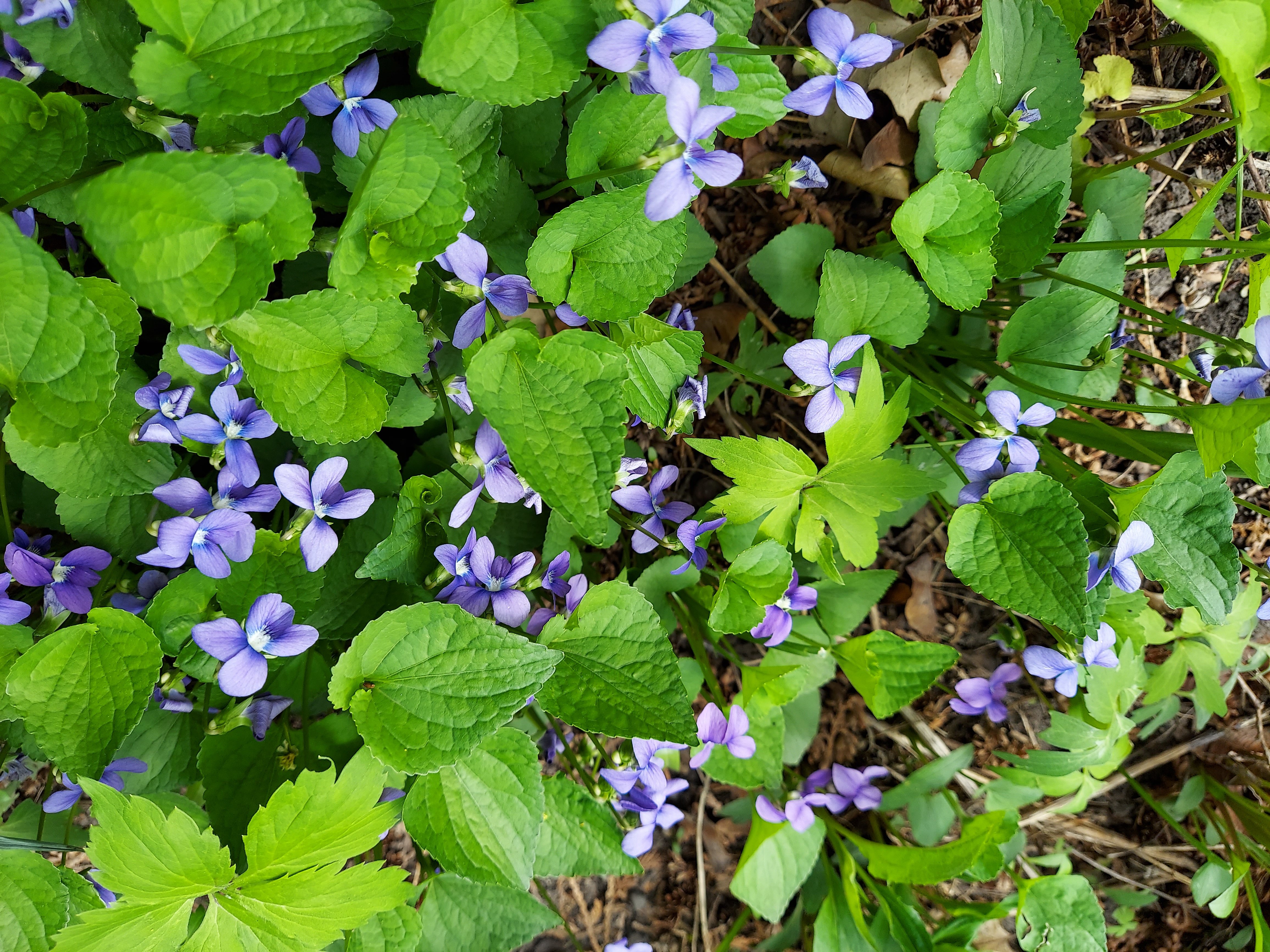
Beautiful violets are popping up all over our yards, and gardeners either love or hate them. I am a lover of violets. My love affair started when I learned they were the host plant to the fritillary butterfly. How could violets be a fritillary host plant? The timing of these butterflies and the blooming violets were so mismatched. This post is to try to explain how important violets are to the fritillary butterfly.
Violets are the only host plant for the fritillary butterfly.
During the past month millions of blue violets have been pulled out of gardens and lawns. It is unfortunate because the overwintering caterpillar of the fritillary butterfly is just climbing out of its winter leaf letter hiding place looking for violets to sustain their life cycle. The fritillary caterpillar will eat only one thing, its host plant—violets.
The fritillary caterpillars emerge out of the leaf litter where they have wintered, into a few weeks of munching on violets. The caterpillars eat at night so we don’t see them. Next, the caterpillar forms a secretive well-hidden chrysalis, and a few weeks later a beautiful fritillary will evolve from its chrysalis.
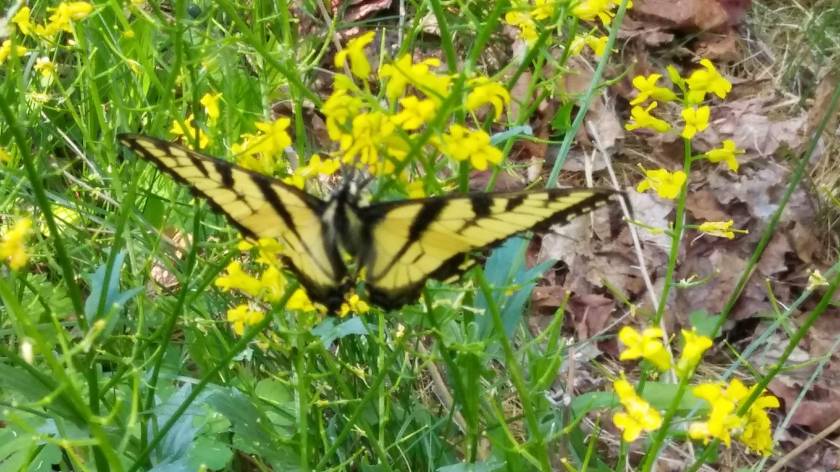
Fritillary on thistle
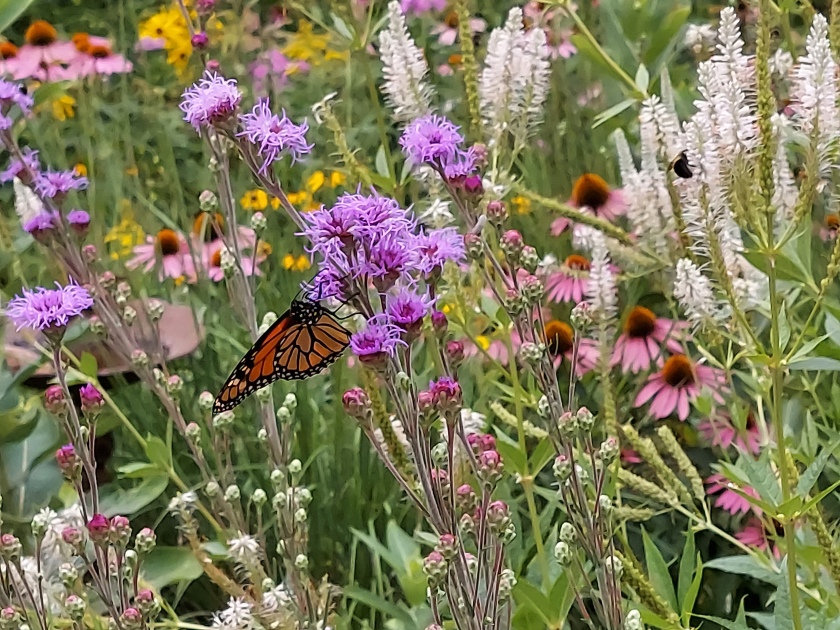
What do these beautiful butterflies’ nectar on? Not violets, but the fritillary’s preferred native nectar plants include milkweeds, Joe Pyes, native thistles, coneflowers, and wild bergamot (bee balm) Plant these native plants to keep the new butterflies in your yard!
After mating, the female fritillary looks for violets to lay her eggs on or near. These eggs grow into caterpillars that will overwinter in the leaf litter surrounding the violet. The caterpillar wakes up around the time the spring violets emerge and the cycle begins again.
I think the best way to create fritillary habitat is to have a dedicated spot in your yard where violets can thrive. Maybe a place where you can allow the leaf litter to stay. Also, creating a bee lawn is a wonderful way to sustain these pleasant violets and the fritillary butterflies too. https://extension.umn.edu/landscape-design/planting-and-maintaining-bee-lawn
Spring arrives and shakes us out of all the darkness in our world! After a violent storm last night, I was worried about migrating birds and butterflies. Somehow, they manage to arrive and today I was treated to my first Painted Lady butterfly, a hummingbird, wrens and a Swainson’s Thrush.
Native plants create healthy food, homes and a resting spot for birds and butterflies.
It’s World Migration Week! On this big week of migration what can you do to create a healthier and friendlier environment? Find the migration happening in your county here: BirdCast – Bird migration forecasts in real-time
Would you like your yard to be a resting spot for nature? My yard is for the birds. First, we never use chemicals as we try to create bee, butterfly and bird habitat. Lawn chemicals aren’t healthy for people and they sure aren’t healthy for wildlife either. Native plants do not need chemicals so they are a win-win. Start small, with easy to grow wild geraniums, bee balm and asters. These three plants will get you blooms in the spring, summer and fall, and they will bring joy to you and wildlife.
Bee balm is a magnet for birds, bees and butterflies!
“We can no longer simply “let nature take its course” and expect the return of productive ecosystems. Humans have meddled in too many ways that prevent nature from healing itself. We have introduced over 3,400 species of invasive plants to which local wildlife is not adapted, and we have eliminated the top predators that used to keep deer, raccoon, skunk, and possum populations in check. If we remove an essential part of an ecological community, we must replace it through active management or the system will collapse.” Doug Tallamy
My third idea for a healthy yard is creating a bee yard, and they are beautiful right now. The flowers of a bee lawn provide food (nectar and pollen) for pollinators. Bee lawns are environmentally friendly because they are managed using low-input methods that generally use less fertilizer and pesticides. Bee lawns can still be used recreationally by your household like a regular lawn. A bee lawn can attract over 50 species of native bees.
Working together, if everyone does a small part it can add up to a big whole.
May is an exciting month. The days are getting longer, and after a cold spring the changes in nature will be enormous and fast. I hope you can get outside every day and enjoy the beauty of the plants, birds, and butterflies of our planet.
Early blooming native plants. Enjoy!
If you breathe, you should care about clean air. The wild fires have begun, and people are driving their cars, using lawn mowers, blowers and spreading chemicals. All these things contribute to dirty air.
How can we make May meaningful? You can choose to do some of these things to help create clean air for all of us.
Oak trees are the best for wildlife. Many species of animals, birds, butterflies and insects use oak trees for food and shelter. Entomologist Doug Tallamy says native oaks are the most powerful of all for our environment. oaks: the most powerful plant of all, with doug tallamy – A Way To Garden
Trees do a lot for us. The invigorating feel we get when out in nature improves our health. Trees help clean the air, capture carbon, create homes, shelter and food for wildlife. Trees stop erosion, help manage flooding, and their shade can help cool our homes and our bodies!
Trees remove carbon dioxide from the atmosphere through photosynthesis and store carbon in their wood. The older the tree, the more climate benefits it provides. The shade from trees also lessens the need for cooling in buildings, which reduces carbon dioxide and other pollutants from power plants.
For example, an oak tree with a 20-inch diameter – big enough that an adult could barely wrap their arms around – reduces carbon in the atmosphere by about 1,000 pounds annually. The energy that tree saves is enough to charge your smartphone about 55,000 times!
Trees provide many additional benefits. That same tree near a single-family home provides overall benefits of about $200 per year by increasing the property value, conserving electricity, intercepting and filtering stormwater, and improving air quality. Imagine the benefits multiplying for each tree in your neighborhood! Hennepin County
Learn more about the climate fighting power of trees and find a list of trees that can thrive into the future on Hennepin County’s Climate Action website.
How does climate change threaten birds, and how does planting natives help?
“Our warming world poses profound challenges to conservation. Audubon’s report “Survival By Degrees: 389 Bird Species on the Brink,” published in October 2019, found that as many as 389 out of 604 bird species in North America could be at risk of extinction due to rising temperatures. Learn more at climate.audubon.org. The report showed that in order to protect birds, we need to reduce the emissions that cause the warming and protect the places on the ground that birds need now and in the future. Planting native grasses, trees, and shrubs does both. First, replacing lawns with native plants lowers the carbon produced and water required to maintain them. And native gardens also help birds be as strong as possible in the face of the climate threat—by providing food, shelter and protection. Native plant patches—no matter how small—can help bird populations be more resilient to the impacts of a warming world.” Audubon.org
If you breathe air or drink water, you should care about the health of our Earth.
We all know the Earth is suffering. What we fail to recognize is that a sick planet leads to unhealthy sick people and for long-term consequences for our children.
We must hold business accountable for the plastic they produce, and they must be held accountable if they pollute our air and water. Our elected officials need to be held accountable to hold oil companies and plastic producers to rigorous standards. Most important, we also have to hold ourselves accountable for how we pollute our air and water. Holding ourselves personally responsible is what we can control!
Even little things can make a huge difference if we work together. On Earth Day recalibrate your life to do three simple things a week to lighten our Earth’s load:
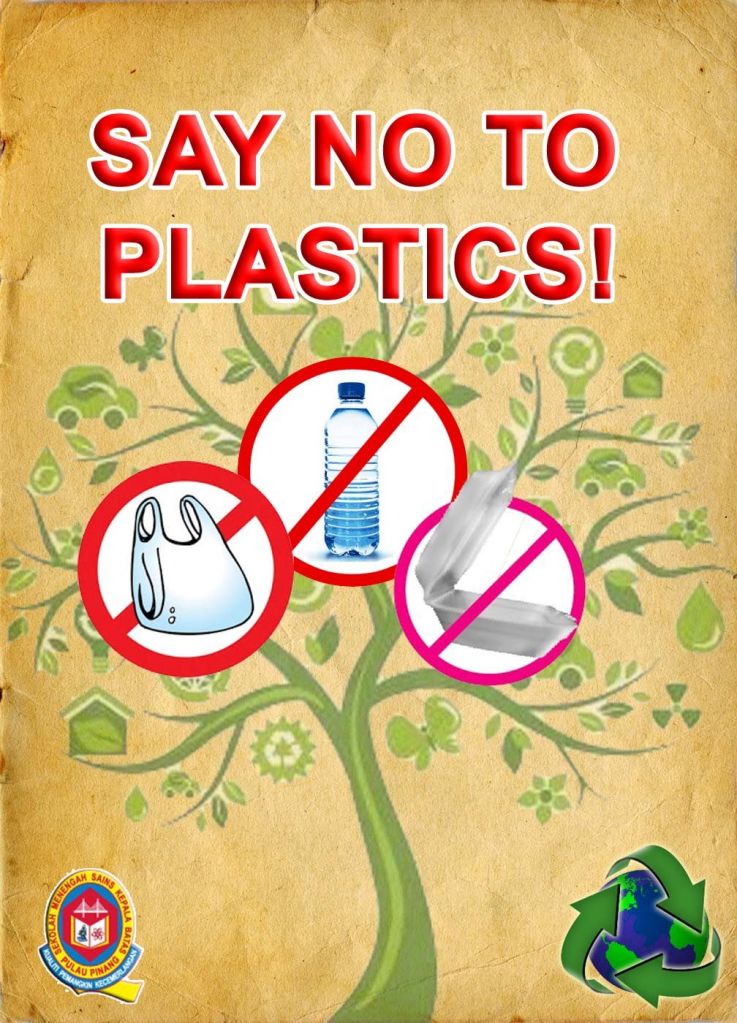
Choose one day to eat meatless, choose one day to not drive, and choose one day to be plastic-free. On plastic-free day don’t purchase or use anything plastic, and don’t or eat or drink food from plastic containers.
Don’t eat or drink from plastic
Every Day do something kind, and please take three breaths for peace in Ukraine.
Peace For Ukraine!
This reading list is too long, but I hope you can read at least one of these excellent articles:
And from my city: Kick single use plastics. In Minneapolis, less than half of plastics are recycled. Most plastics are made from oil and gas. About 4% to 8% of the world’s oil product is for plastics, and most plastics are thrown away after a single use. Plastics collect in our lakes and rivers and break down into micro and nanoplastics. One way to help is to bring your own bag to grocery and convenience stores.
Coca-Cola produces 200,000 new plastic bottles a minute and sells112 billion plastic beverage bottles worldwide every year for a total of roughly 3 million metric tons of plastic packaging. The majority of Coca-Cola’s plastic bottles are not recycled and only 11.5% are made from recycled material. Many of Coca-Cola’s plastic bottles end up littered in the world’s rivers and ocean.
Celebrate April by spending time outside, pick up litter, and use less plastic. See if you can spot a butterfly or hear birds singing. Plants are sprouting, enjoy! Actions for Happiness has an Active April calendar. Happy April!
March 20 is the first day of spring, International Day of Happiness and Nowruz. Nature has given us the beauty of spring. Be sure you spend time outside every day to appreciate our beautiful Earth. Ancient people celebrated the first day of spring thousands of years ago!
For the Northern Hemisphere, March 20 is the first day of spring. But for 300 million people around the world, it’s the beginning of a new year, too. Nowruz—which means “new day”—is a holiday marking the arrival of spring and the first day of the year in Iran, whose solar calendar begins with the vernal equinox. Nowruz has been celebrated in Iran and the Persian diaspora for more than 3,000 years. Its roots are as a feast day in Zoroastrianism, a religion practiced in ancient Persia that viewed the arrival of spring as a victory over darkness. The holiday survived the Islamic conquest of Persia in the seventh century and the decline of Zoroastrianism’s popularity, and it spread across the globe through the diaspora of Persian people throughout history. (Here’s how Persia became the world’s first true empire.
It is hard to celebrate much happiness with such an awful war going on. Instead, spring clean your brain, and think about mental health for yourself and those you love. It has been a difficult two years for the entire world, so be good to yourself and be good to the entire world.
The author suggests practicing mindfulness, declutter your surroundings, reconnect with people, reduce news bombardment by reading or watching only two trusted sources for information, and finally keeping a journal. Read the article in the above link.
To truly clean your brain, you need to spend time outside. Let the wind blow through your hair, absorb some sun and breathe deeply. Find beauty in the outdoors and in nature and go for a walk. Write is your journal about what you observe. I saw my first junco and noisy robins today. Time in Nature Can Now Be Prescribed as Health Care Treatment in Canada – EcoWatch
Give yourself some purpose, be kind, smile and do something good for the earth and your brain will be spring cleaned!
Wishing victory over darkness for Ukraine. Take 3 deep breaths for peace in Ukraine.
Hope for Ukraine!
The Earth gives us spring,
Enjoy!
The Actions for Happiness have created a website for International Day of Happiness and things we can all do to make the world a kinder place:












 Health4earth