Tempted to buy extra stuff today? The pressure is on, the ads are running, and it’s hard to avoid all of the sales. Here are a few ideas to manage the shopping frenzy:
Buy nothing.
Step outside and get some fresh air.
Visit your favorite green space.
Call or visit a loved one.
Spend time with yourself or a pet, with your favorite seasonal drink.
Really need an item? Consider buying just essential items that need to be purchased anyway.
Support a local and sustainable small business, instead of big-boxed stores.
Instead of purchasing something new, see if you can buy it second-hand, borrow it from a friend, or rent it.
Feel free to take the pressure off today (if you can), and buy nothing.
Sam Ssifton of the New York Times created this poem from six word phrases sent to him by readers reflecting on their gratitude.
The way my toddler says potstickers. Did scary things. Didn’t die. Encouraging. My backyard garden that feeds us. The cold side of the pillow. We celebrated our 55th wedding anniversary. I’m grateful for being fired.
*
The joy of a wedding dance. New beginnings and a playful Chihuahua. The crow that brings me rubbish. A July day at Wrigley Field. My little orange cat, Cinnamon. America’s compassion finding its voice.
*
Only momentarily a widow. Defibrillators rock! Sun on snow, white diamonds glistening. First house, fresh paint. Goodbye, gray! Family, sobriety, heavy metal, Cheddar cheese. Sun rising. Moon setting. Another day. It won’t always be like this.
*
A man I melt into nightly. I’m grateful for Spam. Comfort food. Hummingbirds. Photocorynus. Clouds. Pula. Haiku. Sprites. Sunny deck, soaring birds, hot coffee. Love, enough money, health, moist turkey. My one wild and precious life.
I hope you have a restorative and grateful holiday. Sam Sifton, NYT
Yes, we all can make a difference. Small changes can lead to big changes.
A great thought for the day. How can we have more control? The world can be a discouraging place. Especially when we have elected officials that are taking us in the wrong direction and wasting taxpayer dollars. The only thing we have control of is our own behavior, and instead of being angry we can use that energy to make a positive difference. Below are some ways you can make a positive impact without much effort. Good Luck. Below is from the Carbon Almanac:
When countries and companies lessen their commitment to targets and activities for climate change, it can be disheartening as systemic change is critical for big impact. If you feel powerless to influence systemic change, you can start where you are.
Some ideas of how to start:
Start by having a conversation with friends
Start by taking one less trip in a combustion engine vehicle
Start by shopping at a thrift store
Start by buying produce that is not wrapped in plastic
Start by bringing a reusable mug to your favourite cafe
Start by finding a local environmental group
And my list to get you started:
*Always carry reusable shopping bags
*Never idle the engine of your car
*Write letters to elected officials and newspapers expressing your opinion (positive and negative)
*Plant a native plant or a native tree
*Listen, smile and be kind
The key is to start (or keep) taking action. One action can lead to another and then another. And by sharing what you are doing, you can inspire others to join.
I found this so interesting from the New York Times. All this processed food has also led to the explosion of plastic packaging. Plastic and processed food are full of chemicals. Chemicals we don’t want in our bodies or in our environment.
Ultraprocessed nation
Humans have been processing food for millenniums. Hunter-gatherers ground wild wheat to make bread; factory workers canned fruit for soldiers during the Civil War.
But in the late 1800s, food companies began concocting products that were wildly different from anything people could make themselves. Coca-Cola came in 1886, Jell-O in 1897, and Crisco in 1911. Spam, Velveeta, Kraft Mac & Cheese and Oreos arrived in the decades that followed. Foods like these often promised ease and convenience. Some of them filled the bellies of soldiers in World War II.
Eventually, these products overtook grocery shelves and American diets. Now they are among the greatest health threats of our time. How did we get here? Today’s newsletter is a tour through food history.
Wartime innovation
During World War II, shelf-stable foods were developed to feed soldiers.
During World War II, companies devised shelf-stable foods for soldiers — powdered cheeses, dehydrated potatoes, canned meats and melt-resistant chocolate bars. They infused new additives like preservatives, flavorings and vitamins. And they packaged the foods in novel ways to withstand wet beach landings and days at the bottom of a rucksack.
After the war, food companies realized that they could adapt this foxhole cuisine into profitable convenience foods for the masses. Advertisements told homemakers that these products offered superior nutrition and could save them time in the kitchen. Wonder Bread commercials from the 1950s, for instance, claimed its vitamins and minerals would help children “grow bigger and stronger.” An ad for Swift’s canned hamburgers boasted that they were “out of the can and onto the bun” in minutes.
Getty Images
More women found work outside the home, and by the mid-1970s, they spent much less time cooking. But they were still expected to feed their families. Fish sticks, frozen waffles and TV dinners filled modern freezers, and convenience foods became more popular. These products weren’t all ultraprocessed — some were just whole foods that had been frozen or canned with a simple ingredient, like salt. Still, people got used to the idea that packaged goods could replace cooking from scratch.
An explosion
By the 1970s, innovations in fertilizer, pesticide and crop development, along with farm subsidies, led to a glut of grain. Companies turned it into ingredients like high-fructose corn syrup and modified starch to fill sugary cereals, sodas and fast foods.
In the 1980s, investors wanted food manufacturers to show larger profits, so they developed thousands of new drinks and snacks and marketed them aggressively. (Have a look at how the ads changed over the last century.)
The tobacco companies Philip Morris and R.J. Reynolds diversified into the food industry, dominating it through the early 2000s. They applied the same marketing techniques that they crafted to sell cigarettes — targeting children and certain racial and ethnic groups. Kraft, owned by Philip Morris, created Kool-Aid flavors for the Hispanic market and handed out coupons and samples at cultural events for Black Americans.
Obesity tripled in children and doubled in adults between the mid-1970s and the early 2000s.
A health crisis
Getty Images
By the 21st century, you couldn’t walk through a school cafeteria, a supermarket or an airport without being inundated by ultraprocessed foods. Obesity kept rising, and food companies addressed it by making products they marketed as “healthier,” like low-carb breakfast cereals, shakes and bagels; artificially sweetened ice creams and yogurts; and snacks like Oreos and Doritos in smaller, 100-calorie packs.
They were popular, but they did not make us healthier. Scientists soon linked ultraprocessed foods to Type 2 diabetes, cognitive decline and cardiovascular disease. For generations, obesity had been seen as a problem of willpower — caused by eating too much and exercising too little. But in the last decade, research on ultraprocessed foods has challenged that notion, suggesting that these foods may drive us to eat more.
Today, scientists, influencers, advocates and politicians publicly condemn ultraprocessed foods, which represent about 70 percent of the U.S. food supply. Health Secretary Robert F. Kennedy Jr. calls them “poison.”
Are we at a tipping point? Maybe. There are signs that people are eating slightly fewer of these foods. But our reliance on ultraprocessed food was “decades in the making,” one expert told me, and “could take decades to reverse.”
We all need to examine the amount of plastic we purchase, and figure how we can reduce the plastic we are exposed to and disperse into our environment.
Plastic is harming our health and our environment.
By Mary Koseth and Katelynn Rolfes
From the Minnesota Reformer
Microplastics have become a significant environmental concern across the world due to their widespread presence in various ecosystems, potential harm to wildlife and marine life, and the uncertainty surrounding their long-term effects on human health.
This summer, concerned citizens across Minnesota worked with staff from Environment Minnesota Research & Policy Center to test 40 Minnesota lakes for microplastics.
When we analyzed the water samples the results were clear: No Minnesota lake is safe from microplastics.
The report presents the test results, from the northern coast of Lake Superior to the wouthwest corner Minnesota, and includes recommendations to tackle the problem. In our citizen-science research project, the 40 samples were filtered using a funnel, flask and filters which had a pore size of 0.45 microns. The goal was to capture any tiny bits of plastic that were tough to spot with only our eyes. The types of plastic we searched for were microfibers, films, fragments and microbeads. We found all of these types save for microbeads, commonly found in beauty products prior to their banning in 2015.
The results of this survey should set off alarm bells for Minnesotans who love our lakes. Minnesota’s waterways are a source of peace for people, a critical habitat for wildlife, and part of our state’s identity.
Our report underscores that microplastic pollution is not an “over there” problem. It’s a “right here” problem that none of us can afford to ignore. But fortunately for us, this isn’t a hopeless situation, and there are many ways we can take action. As individuals, as community members, as whole nations, we can uphold human and environmental health and justice with our creative ideas and bold visions. Everyone has something to offer. When it comes to microplastic pollution, it’s all hands on deck.
The report outlines a broad range of various ways to tackle the problem. These include fighting fast fashion and excess textile waste, and changing Minnesota law to allow local governments to restrict single-use plastics like plastic bags.
We need to take a lot of steps to protect our lakes and health from microplastic pollution, but to start, we need to move away from single use plastics. Nothing we use for a few minutes should be able to pollute our environment for hundreds of years.
Halloween is a day that is looked forward and cherished by many.
It is also a day that brings lots of extra waste- extra plastic and waste through costumes and decorations. What if we try to reduce so much waste and use what we have?
Instead of buying so much plastic waste maybe make ghosts out of old sheets or make a scarecrow out of old clothes and save money, too
Embrace Halloween as a day to be creative.
Halloween can be a creative time to decorate and create a costume. I look forward to the creative thinking that come to my door. Being creative is more fun!
The hardest part of a plastic-free holiday is finding plastic-free candy, How about apples or tangerines?
Here are some good candy tips tips from Beyond Plastic: Pick plastic-free packages. If you need to stick to packaged candies, there are some options that come wrapped in foil or small thin cardboard boxes. Candies like Dots, Milk Duds, and Junior Mints come in small cardboard boxes, Tootsie Rolls and other fruit chews and Dubble Bubble come wrapped in paper, and there are many small Halloween-themed chocolates that come wrapped in foil that, at least in theory, could be collected and recycled.
Instead of buying a new costume, consider setting up a costume swap party with friends (see some tips here) or creating a homemade costume where face paint replaces a plastic mask. Perhaps there is even the option to rent a costume for the night.
For decorations, look around your home and in nature to see what can be upcycled to help set the scene for Halloween. Cardboard boxes could easily be made into tombstone decorations. String or rope can create thick spider webs. If you are wanting to purchase decor, consider looking for items that will last for several Halloweens.
What about choosing real pumpkins over plastic versions? Not only can you carve how you want, you can roast the seeds. And when done, the pumpkin can be turned into soup or cut into pieces to decompose in a garden or composted.
I wanted to share an invite to Zero Waste Fest on Saturday, October 11 at Burroughs Community School in Minneapolis. It’s a free, all-day community event with panels, food, music, kid’s activities, and lots of hands-on ways to get involved in building a future without waste. Zero Waste Fest — MN Zero Waste Coalition
The day runs from 10am to 4pm and includes:
Inspiring panels on:
Building a Zero Waste Future in Minnesota
Plastic is a Justice Issue: Fighting Pollution from Production to Disposal
From Throwaway to Reuse: Reclaiming Culture, Creating Systems
Tabling from organizations around MN supporting zero waste
Clothing swaps and mending
Food, art, and music!
It’s free and open to everyone. I’d love for you to join us and help spread the word!
A Tribute to The International Day of Peace. Please Live Peace, Be Peace, Push Peace, Vote for Peace and Meditate or pray for Peace. These wars in Ukraine and Gaza just can’t continue!
Last night I had the Strangest Dreem by Ed McCurdy
Last night I had the strangest dream I ever dreamed before I dreamed the world had all agreed To put an end to war
I dreamed I saw a mighty room The room was filled with men And the paper they were signing said They’d never fight again
And when the papers all were signed And a million copies made They all joined hands and bowed their heads And grateful prayers were prayed
And the people in the streets below Were dancing round and round And guns and swords and uniforms Were scattered on the ground
Last night I had the strangest dream I ever dreamed before I dreamed the world had all agreed To put an end to war
Sun Day
Sun Day is a day of action on September 21, 2025, celebrating solar and wind power, and the movement to leave fossil fuels behind. Solar energy is now the cheapest source of power on the planet – and gives us a chance to actually do something about the climate crisis. But fossil fuel billionaires are doing everything they can to shut it down. We will build, rally, sing, and come together in the communities that we need to get laws changed and work done.


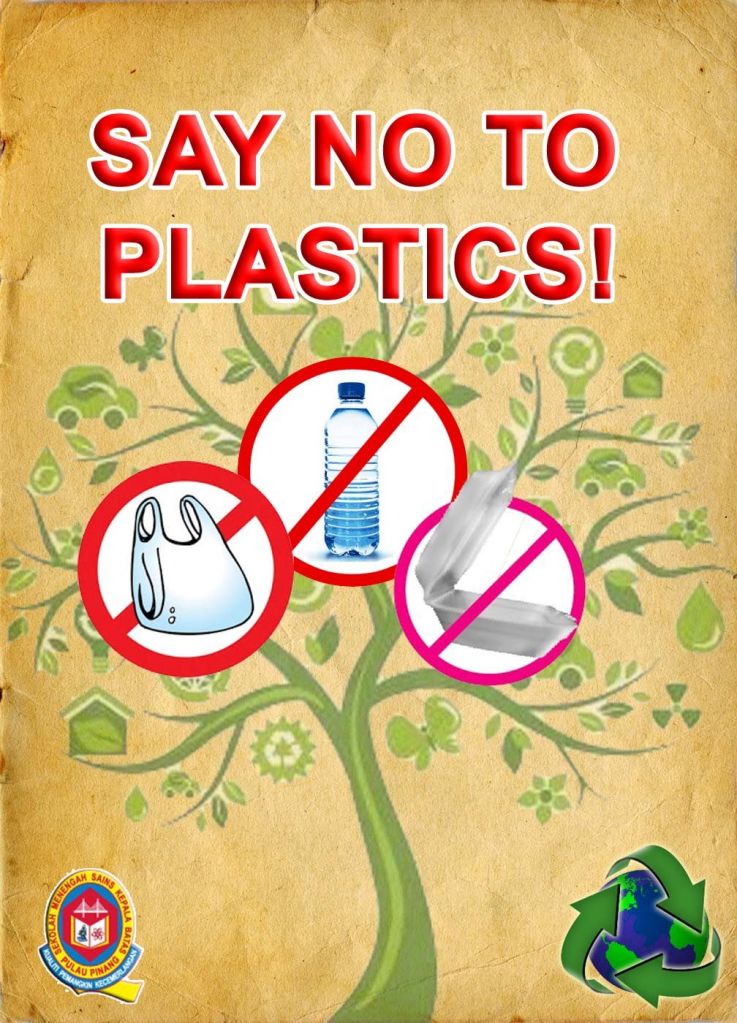
 Bring your own plastic-free reusable cup for drinks on the go.
 Bring your own metal fork from home so that you can skip plastic utensils.
 Say no to receipts (BPA).
 When it comes to leftovers, store food in glass, ceramics, or stainless steel foodware.
 Shop naked. Buy produce that isn’t wrapped in plastic.
 Don’t forget your reusable bag so that you can skip single-use plastic bags.




 Health4earth