Preserve and cherish the pale blue dot, the only home we have ever known! Carl Sagan
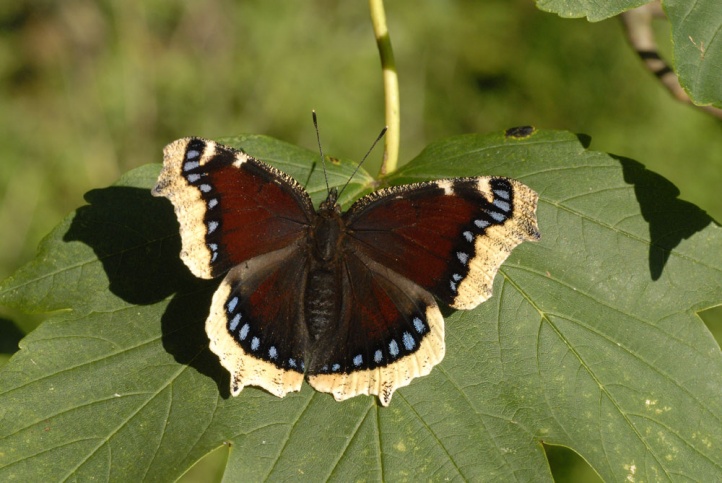
Can’t wait to see the first butterfly. This is the mourning cloak, usually the earliest butterfly
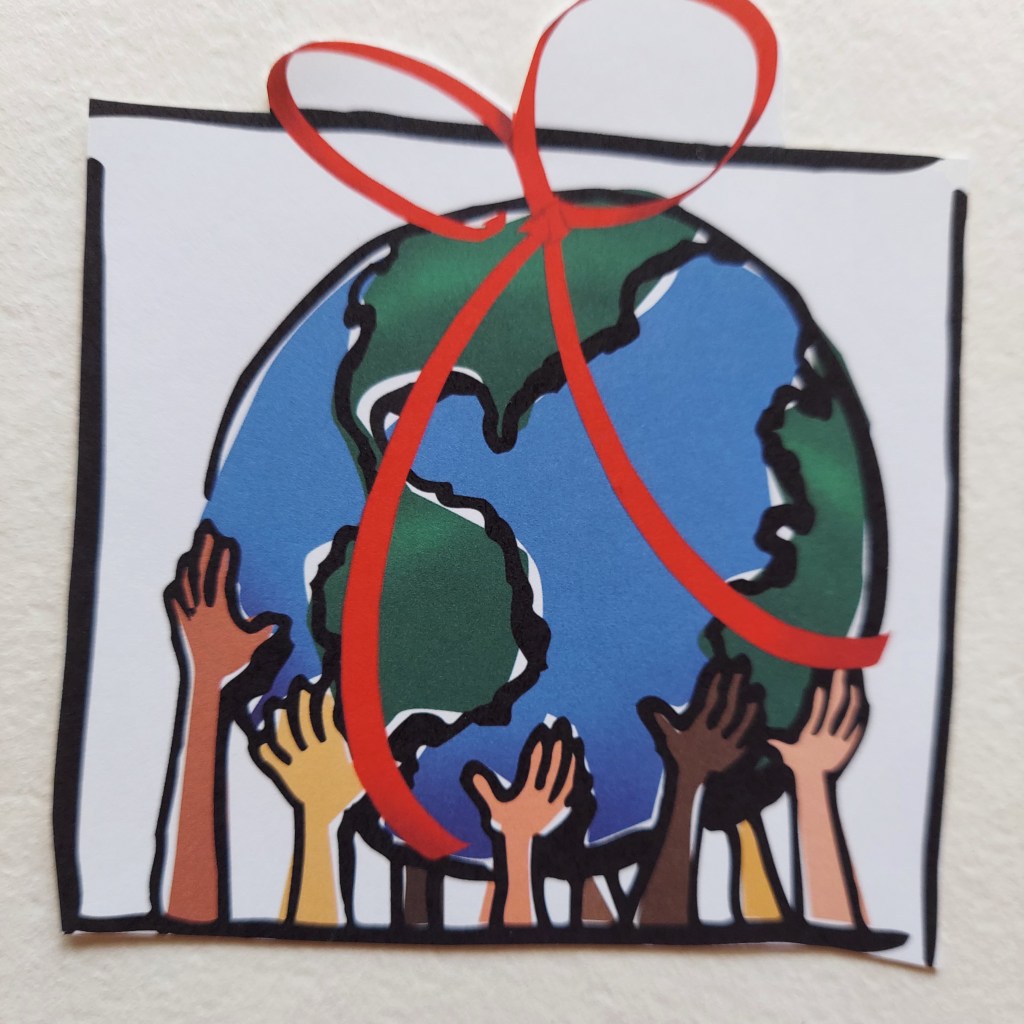
Be kind to our Earth and to all people and all life!
Yay, April, the best month of the year. It is a month of Hope and Joy. It is Earth Month, calling us to action to protect our Earth. It is native plant month and Arbor Day and Earth Day. It is a month to watch for migrating birds, clean up our yard and finally ride our bikes. April is a month to spend outside!
Unfortunately, my country is at war. We need to be concerned and speak out against killing people, wasting money, and harming our earth, but we can’t allow a few silly men to destroy our joy.
Every day I spend time outside; I look for new spring happenings, I look for new buds, new birds, new sounds, and new life. I focus on what is joyful and good and spend time with good people. I work daily on reducing the plastic we use in our home, we drive minimally, clean storm drains, and strive for creating zero waste.
The New York Times has a new, “Look for the Good newsletter sign up to get next week’s sent to your inbox.
Important: The Earth is not merely a resource to be exploited; it is sacred ground, our shared home. What we do to the Earth, we do to ourselves and to all of those who come after us. What exactly do religions teach us about Earth Stewardship? Read more: https://www.plasticpollutioncoalition.org/…/sacred…
Be kind, be safe and enjoy your time outside. PEACE on EARTH
“Act as if what you do makes a difference. It does.” — William James
Refuse to consume so much junk. Avoid Target and The Dollar Store.
What is the single best thing I can do for the planet? Maybe the best two things I can do? The New York Times put this question to some experts. It was actually the most click on article on Earth Day.
They have sone good suggestions, but we all have such different lifestyles and ways we are all harmful to the planet in the way we live. We all need to take inventory of the ways we are harmful to clean air and clean water. Everyone can buy less stuff. Do we really need all the Easter eggs and decorations everywhere the past two months? Do you really need that extra shirt or pair of shoes? What can you purchase second hand or reuse?
Cutting meat consumption and driving less are huge, but so is not wasting so much food, and reducing our single-use plastic
The New York Times asked their experts how to be the best planetary citizens?
I think their ideas are thoughtful and interesting. It is worth a read
“The thing
First, it’s important to understand that climate change is a symptom of a larger issue: ecological overshoot, or the fact that humans are consuming resources faster than they can regenerate and producing more waste and pollution than nature can absorb, said William Rees, a human and ecological economist and professor emeritus at the University of British Columbia. The most effective solutions, then, address not just greenhouse gas emissions but overall consumption and pollution.
One of the most effective ways to avoid consumption in the first place, Dr. Rees said, is to have a smaller family. But that might not be a realistic option for many people, for all kinds of personal, cultural and other reasons.
As The New York Times’s ethics columnist has pointed out, it might also be realistic to think that children who are raised with a sense of responsibility could — in personal and collective ways — be part of the solution, ensuring human survival on a livable planet by promoting adaptation, resilience and mitigation.
A less complicated recommendation is to cut back on meat. “On all these different metrics, eating a plant-based diet broadly improves sustainability,” said Seth Wynes, a scientist specializing in climate change mitigation at the University of Waterloo in Ontario.
The choices we make for food are some of the most powerful we make for the planet. Reducing our meat consumption, reducing foot waste, and reducing plastic packaging make a huge impact.
This is such a thoughtful Earth Day post by Dan Buettner. I need to share it! Enjoy.
“On the places where people live the longest, Earth Day isn’t a date on the calendar.
It’s a way of life.
In Ikaria, Greece, families gather around tables that haven’t changed much in generations—bowls of beans, fresh vegetables, wild herbs, and homemade bread. In Okinawa, Japan, elders still tend small garden plots, growing the same nutrient-rich foods they’ve eaten since childhood. In Nicoya, Costa Rica, meals are cooked slowly, with care—and rarely, if ever, wasted.
No compost bins. No food miles calculators. Just deeply rooted habits that naturally care for the Earth. 1. The quiet climate action on your plate Globally, what we eat has a bigger impact on the planet than how we commute or what we recycle. But in blue zone communities, where chronic disease is rare and centenarians are common, food systems look strikingly different from the modern industrial model.
People grow what they can, shop close to home, and cook meals from scratch. It’s not about perfection—it’s about patterns. These aren’t grand gestures or sweeping declarations of sustainability. They’re quiet, everyday acts: soaking beans overnight. Picking greens before lunch. Making soup with what’s left in the fridge.
Over time, those patterns add up—not just to better health, but to a lighter impact on the Earth. 2. Plants, beans, and the power of simplicity At the heart of every long-lived kitchen is a humble foundation: beans. Black beans in Nicoya. Garbanzo beans in Ikaria. Soybeans in Okinawa. They’re eaten nearly every day, often with greens, grains, or root vegetables.
This isn’t just a healthy way to eat—it’s one of the most sustainable. According to environmental researchers, shifting toward a plant-forward diet can significantly reduce greenhouse gas emissions, conserve water, and use less land.
And yet, the secret isn’t just what’s on the plate. It’s the simplicity of it. Meals are built around a few affordable, nourishing ingredients. They’re not flashy, but they’re deeply satisfying—and deeply kind to the planet. 3. Homegrown, seasonal, and slow Long before “farm-to-table” became a restaurant trend, it was simply how people ate. In blue zones, food is closely tied to the rhythms of the land. Tomatoes are eaten in summer. Squash in fall. Greens in spring. Root vegetables in winter.
Backyard gardens are common. So are farmers’ markets and community exchanges, where excess harvests are shared instead of tossed. Eating this way naturally cuts down on packaging, long-haul transportation, and overprocessing.
But more than that, it builds connection—to the Earth, to the seasons, and to each other. In every longevity hotspot, food isn’t just fuel. It’s a daily relationship with the land. 4. Fewer packages, more presence A meal made from scratch doesn’t just nourish your body. It also avoids the packaging, additives, and excess waste that come with processed convenience foods.
In blue zones, people rarely rely on single-use plastics or highly packaged meals. Leftovers are stored in reused jars. Lunches are wrapped in cloth. Bread is baked, not bought. There’s a natural resourcefulness that comes from making do with what you have—and wasting as little as possible.
But the deeper benefit might be this: when meals take time, they also become something to slow down for. Cooking becomes a ritual. Eating becomes a shared experience. And in a world that often feels rushed, that presence is a gift—to both you and the planet. 5. A better way, one bite at a time You don’t need to grow your own food or cut out all packaging to make a difference. Start with what feels doable.
Try cooking one plant-forward meal each day. Choose in-season produce when you can. Make beans in big batches. Learn one simple recipe that becomes your new staple. Keep a cloth tote in your car. Compost your scraps if you’re able.
Small changes, done consistently, can be powerful. And they often ripple out—toward better health, deeper joy, and a gentler impact on the Earth.
This Earth Day, remember: the way we eat is one of the most personal—and powerful—climate choices we make.
And if it also adds years to your life? Even better.” Dan Buettner
In the blue zone of Sardinia, akentannos is a toast often used. It means ‘May you live to be 100 years.’ Akentannos!
Tomorrow is Earth Day. It is 55th Earth day since the annual event was initiated in the United States on April 22, 1970.
Earth Day was started by Wisconsin Senator Gaylord Nelson because he saw such deterioration of our water and air quality. It was a call to take better care of our planet. The call is even more important today with the terrible effects of climate change and the production of so much plastic which no one could visualize in 1970.
On this Earth Day visualize the world you want to live in and decide what changes you need to make to create the beautiful world you wish for??? How can we insure clean air and clean water for everyone?
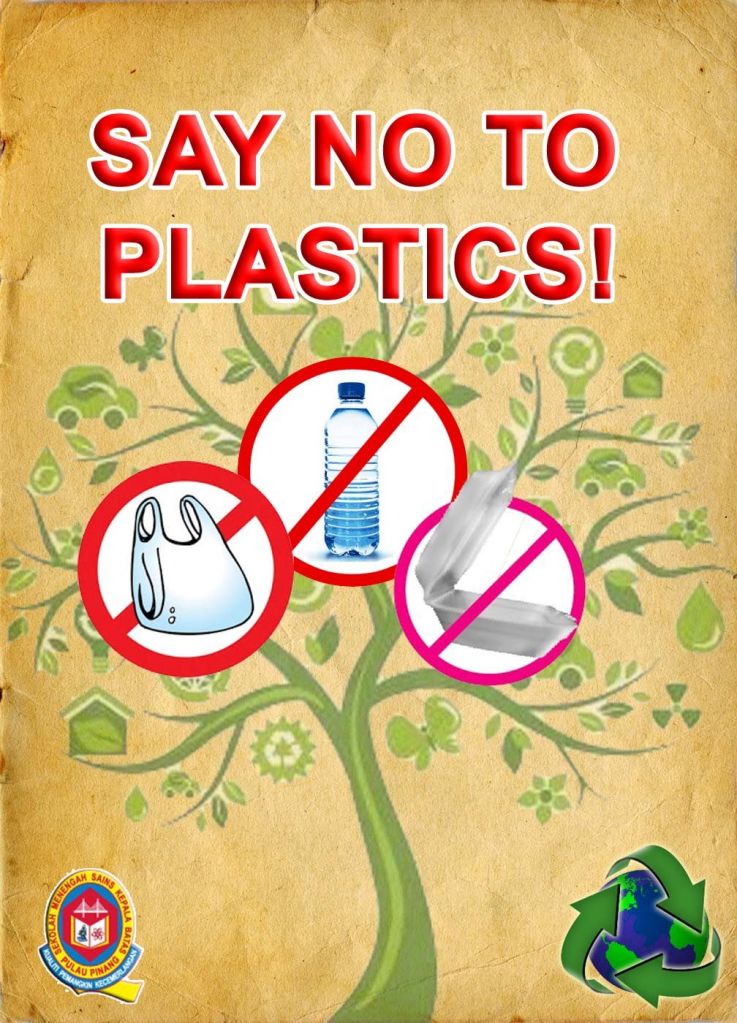
We all can make a difference by reducing our plastic footprint.
The theme for this year’s Earth Day is Planet VS Plastic. The hazards of plastic are great, and we all need to take steps to reduce the harmful effects of plastic pollution in our environment and bodies.
What will you do to help our warming planet?
Greenpeace has nothing to do with this post.
Things you should know about plastic:
Plastic is made of fossil fuels and contains many toxic chemicals that are harmful to our health.
These toxic chemicals leach into our food from plastic packaging.
Plastics break down into microplastic. We each consume about a credit card of microplastic a week from our food and environment. These microfibers are found in our lungs, brains, blood and arteries.
When plastic is recycled it becomes more toxic.
40% of plastic is single-use.
The production of plastic continues to increase.
If plastic were a country, it would be the 5th largest emitter of greenhouse gases. Much of plastic’s pollution affects minorities and people without power.
Clothing with polyester and nylon contain plastic.
The producers of plastic should be held responsible for the harm they create in the environment and our bodies.
By banning the worst forms of single-use plastic, holding plastic producers accountable for their waste, getting wasteful packaging off store shelves, and more — a future beyond plastic is possible.
This morning on my walk it was raining. The rain was plopping on my hood and splashing my face, but I was loving every moment as a robin sang. I felt so close to the beauty and renewal of our earth. It was me and the melodic robin, having a conversation, and both happy that it was finally raining.
It is Earth month, Earth Day is days away, and April is a fabulous time to get intimate with the earth. Every day the tree buds get bigger, and the great migration begins, birds and butterflies moving to their summer homes. Every day a new flower pops up, and the sun gets higher in the sky.
Whether it’s a wild turkey on your yard, a fox running down the street, a rabbit eating your fresh plants, or the deep groves in the bark of a tree, pay attention and notice something new.
Many dragon flies were out yesterday!
It was cloudy where I live so we missed the eclipse, but there were people outside excited that it was happening behind the thick cloud cover. Celebrate that excitement every day with the intense beauty and April happenings of our
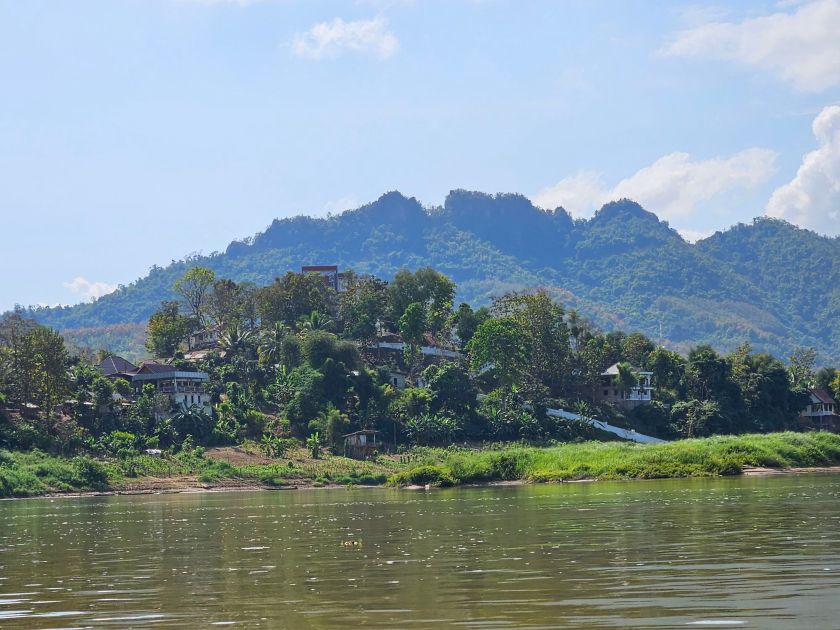
Amazing landscapes!
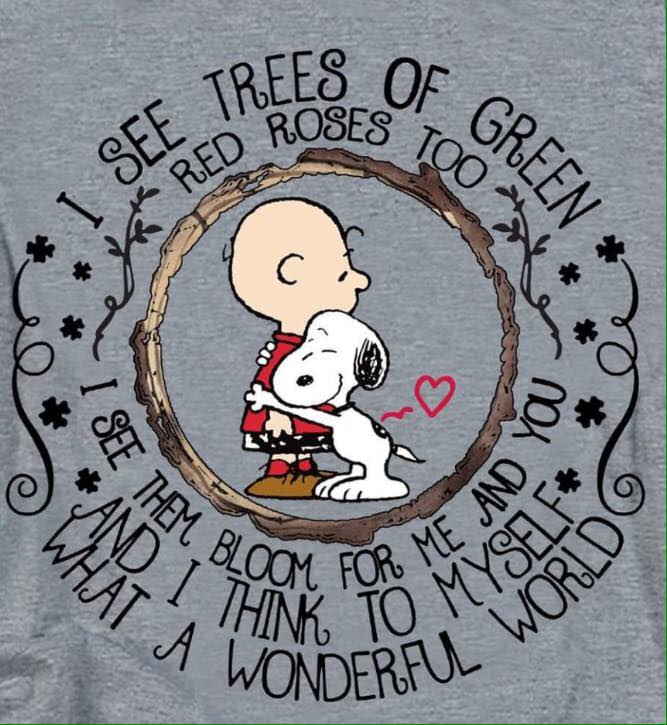
what a wonderful world!
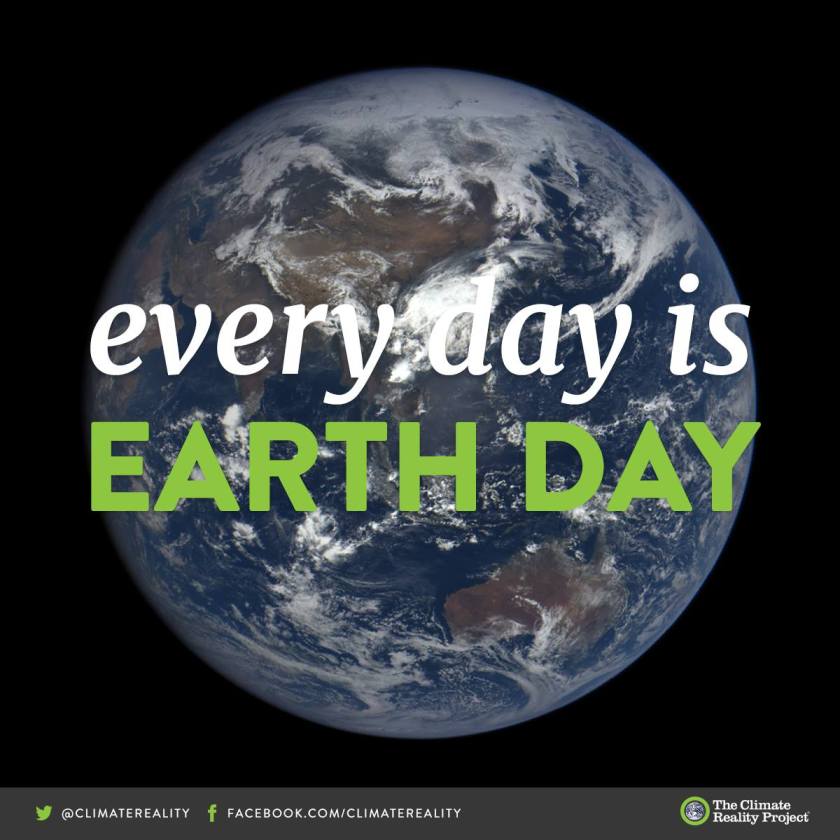
Enjoy the intense beauty and happenings of our Earth, it’s Earth Day every day!
I saw my first butterfly a few weeks ago. It was a mourning cloak butterfly. since this writing I have seen many more. Get out and look.
This week, please become conscious of buying less and using less plastic. Get outside and notice the beauty of spring. I saw my first butterflies, and the migrating birds are on their way! Happy Earth Day!
Mourning Cloak, often the first butterfly to appear
My Earth month suggestions and the things I do most days are to purchase less junk, reduce my plastic use, pick up litter, and work hard to end food waste.
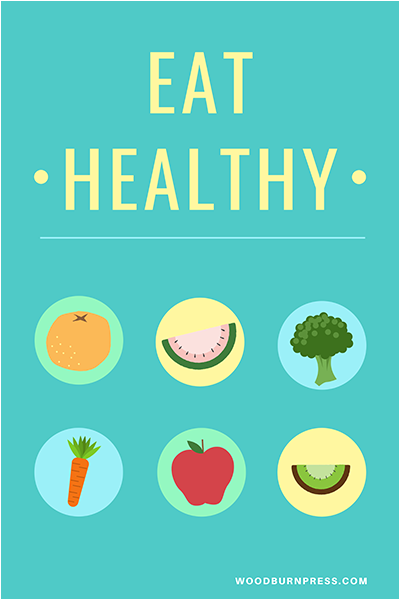
This month calendar has lots of ideas to be healthy and active. Add picking up litter and being kind to your daily activities.
Letter to the Startribune editorial page: While it is exciting that spring is coming, now is the also the time we see all the trash that has been snow-covered during our long winter. In this state of 10,000 lakes and many beautiful rivers, too much of this trash will end up polluting our waters if not cleaned up. I urge all reading this to do your part, and encourage others, too, to pick up as much trash as you are willing and able. If you are a homeowner, perhaps you can start with the trash in the street in front of your house. Perhaps carry a bag while walking and pick some up while exercising. Anything is a start and appreciated. Dave Councilman, St. Louis Park
What are you looking forward to this April? Enjoy, and make it worthwhile!
If you breathe air or drink water, you should care about the health of our Earth.
We all know the Earth is suffering. What we fail to recognize is that a sick planet leads to unhealthy sick people and for long-term consequences for our children.
We must hold business accountable for the plastic they produce, and they must be held accountable if they pollute our air and water. Our elected officials need to be held accountable to hold oil companies and plastic producers to rigorous standards. Most important, we also have to hold ourselves accountable for how we pollute our air and water. Holding ourselves personally responsible is what we can control!
Even little things can make a huge difference if we work together. On Earth Day recalibrate your life to do three simple things a week to lighten our Earth’s load:
Choose one day to eat meatless, choose one day to not drive, and choose one day to be plastic-free. On plastic-free day don’t purchase or use anything plastic, and don’t or eat or drink food from plastic containers.
Don’t eat or drink from plastic
Every Day do something kind, and please take three breaths for peace in Ukraine.
Peace For Ukraine!
This reading list is too long, but I hope you can read at least one of these excellent articles:
And from my city: Kick single use plastics. In Minneapolis, less than half of plastics are recycled. Most plastics are made from oil and gas. About 4% to 8% of the world’s oil product is for plastics, and most plastics are thrown away after a single use. Plastics collect in our lakes and rivers and break down into micro and nanoplastics. One way to help is to bring your own bag to grocery and convenience stores.
Coca-Cola produces 200,000 new plastic bottles a minute and sells112 billion plastic beverage bottles worldwide every year for a total of roughly 3 million metric tons of plastic packaging. The majority of Coca-Cola’s plastic bottles are not recycled and only 11.5% are made from recycled material. Many of Coca-Cola’s plastic bottles end up littered in the world’s rivers and ocean.
“More than four in ten Americans breathe unhealthy air, with a disportionate impact on people of color” Paul Douglas
Last year on Earth Day I wrote how happy I was that because so many were staying home during the pandemic our air was cleaner. I loved it! This year we have moved to backward mode. Again exhaust fills our air. Many have breathing issues and dirty air makes their health difficult. What can we do different as we recover from the Covid pandemic and the murder of George Floyd? Let’s work so we all experience healthy breaths of air.
I am a firm believer that awareness helps people to take responsibility to do better. That is what this blog is about. So what bugs me, and what can we all do better? We need to have a better awareness of how we pollute the air what black and brown people experience just a few blocks away.
We all can hold up the health of our air
Many idle their cars in on my street in South Minneapolis as they read and talk on their cell phones. They sit in parking lots with their engines running, polluting everyone’s air. I don’t get it? Turn off your engine, save gas, and make the air cleaner for all!
Another rage is yard pit fires, Yuck, they pollute our air!
Million of tons of plastic end up in our landfills and oceans. Have you thought of how the production of plastic harms our air? Chemical plants making plastic are enormous contributors to air pollution, and often they spew chemicals polluting poorer communities. Also, some cities have garbage burners burning plastic polluting neighborhoods of people without power and without a voice. Plastic pollution is a social justice issue. Maybe if we think of plastic pollution/air pollution when we purchase plastic items we can say, “No plastic!”
This year for Earth Day, think of ways you might be causing air pollution: Turn off your car engine, drive less, limit yard fires, and say “No!” to single-use plastic.
We can create sustainable communities where we can breathe and live healthy lives. Let’s come together, become more aware, and work for cleaner air for all!


 Read more:
  https://www.plasticpollutioncoalition.org/…/sacred…






 Health4earth