Overshoot Day

WE consume too much stuff, use too much plastic, and create too much garbage. Our consumerism fuels Overshoot Day, but also all our driving around and wasting more fossil fuels than what we need.

Consuming less is good for our air and our water, and over consumption contributes to our climate crisis. We all need to be responsible for the trash we create, but the producers of so much packaging also needs to be held responsible.

Consuming and wasting less is the key!

Today is the day after Earth Overshoot Day. But what does that mean for you?

Earth Overshoot Day is the date when humanity depletes all the natural resources that the Earth can regenerate in the year. So as of today August 2, we are living at a deficit. We are consuming more resources than we can replace.

This metric from the Global Footprint Network is a striking reminder of the importance of taking care of the planet and using resources responsibly. However, it can also serve as inspiration to take action. Individual actions can make a difference to help #MoveTheDate!

What YOU can do to help?

Buy less and reuse instead of purchasing something new.

Reduce your food waste.

Have SMALL families.

Reuse, Reuse, Reuse! A good place to start is by trying to reduce unnecessary purchases, opt for sustainable products, and reuse items whenever possible.

peace on earth

We all need to waste less, and work together to lift up our Earth.

Reading List:

https://www.msn.com/en-us/news/technology/earth-overshoot-day-2024-how-to-make-the-best-of-this-important-benchmark/ar-BB1qUlt6?ocid=BingNewsSerp

A Plastic-Free Future

Plastic is everywhere. It is hazardous to our health and our environment. Lets work together every day to end the Age of Plastic

These outstanding ideas are from Eureka Recycling!

Practical Tips for Going Plastic-Free 

The most powerful zero waste action we can take is not creating waste in the first place. So how do we go about reducing consumption. Here are some helpful tips: 

  1. Start with the Basics: Swap out single-use plastic bags for reusable ones. Keep a stash in your car or by the door so they’re always handy.
  2. Choose Reusables & Say NO to Single-Use Plastic: Carry your own refillable stainless-steel water bottle and use glass containers for food storage. Repurposing glass pasta jars for food storage can be a good option 
  3. Shop Mindfully: When grocery shopping, opt for products with minimal or recyclable packaging. Choose loose fruits and vegetables over those wrapped in plastic and items in glass or cardboard containers over plastic whenever possible. When shopping for clothes, try to choose used clothes and clothing made of cotton or hemp, which can help reduce microfiber pollution Many clothing, especially synthetic fibers like polyester, nylon, and acrylic, are made from plastic polymers. When these synthetic fabrics are washed, they release tiny plastic fibers known as microfibers into the wastewater. These microfibers are too small to be caught by wastewater treatment plants and ultimately end up in rivers, lakes, and oceans. 
  4. Evaluate Necessity vs. Want: Before making a purchase, ask yourself if the item is something you truly need or if it’s just a want. Delaying non-essential purchases can often lead to realizing you don’t need them at all.
  5. Borrow or Share: Borrow or share items that you only need temporarily or infrequently, such as tools, books, or recreational equipment, rather than buying them outright. 
  6. Support Plastic-Free Initiatives: Encourage businesses and local governments to adopt plastic reduction initiatives. When possible, support companies that prioritize sustainable packaging and products. 
  7. Make Your Voice Heard: As we work to advance zero waste legislation at the state and federal levels, we know we cannot recycle our way out of the plastic production and pollution crisis. Let’s work together to hold petrochemical companies accountable and change systems to better support reduction and reuse. 

While Plastic Free July lasts for just one month, the habits we cultivate and policies we advocate for can have a lasting impact. By reducing our plastic consumption, we conserve valuable resources, minimize pollution, and protect wildlife. Moreover, we contribute to a shift in societal norms towards more sustainable living practices. 

Join the movement this Plastic-Free July and let’s make every month an opportunity to support a zero waste future. 

And some ways to reduce your exposure to microplastics

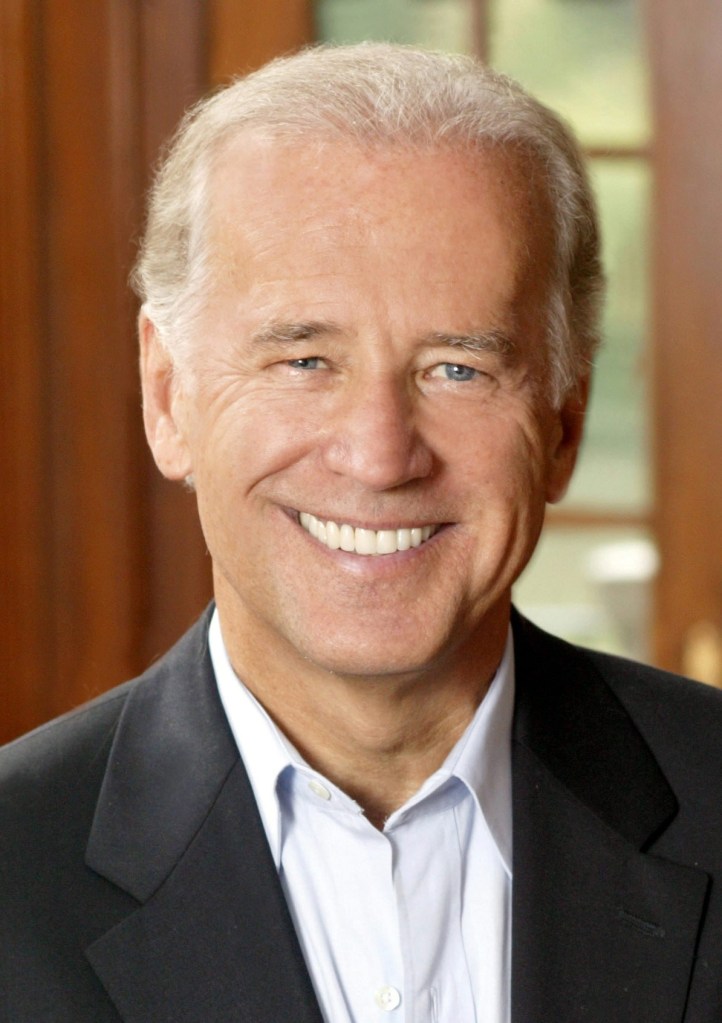
Dear President Biden

On the Fourth of July it is my duty to speak out!

Thank you, President Biden for your leadership and for all the years you have been in congress, vice president and president. You have a fabulous legacy of accomplishments, and I thank you many times over.

The Democrats all want to stay on the same page and be team players, but this is such a serious time they need to speak up. I need to express what my friends, family and the American voter is feeling.

We are in a frightening presidential election. The damage Donald Trump will do for the world and the environment is beyond our ability to imagine, and you know that!  Also, the new Supreme Court decisions make it even more imperative that we win this election.

We all deal with age issues. Our backs go out, our knees and shoulders fall apart, and we forget things we don’t want to forget! Unless we are in pain we can deny aging to some extent. We deny that our energy level isn’t what it used to be, and we pretend we haven’t changed.  Unfortunately, age issues don’t get younger. Instead, we need to move to the gratitude stage where we are thankful for all that has been and that we still have the chance to move forward.

We have gratitude, but we also have wisdom. Wisdom is our strength as we age! With all that is going on in the world we need individuals with more energy and new vision at the helm. Our wisdom tells us it is time to step aside for new positive leadership.

Thank you for your service. Now decide governing is more important than running for election. Pass the torch to the future and continue your amazing legacy and try to end these awful wars and continue to protect our precious environment. With gratitude.

The presidency is a very hard job. Thank you, President Biden.

Fight for our democracy!

Wildflower Week

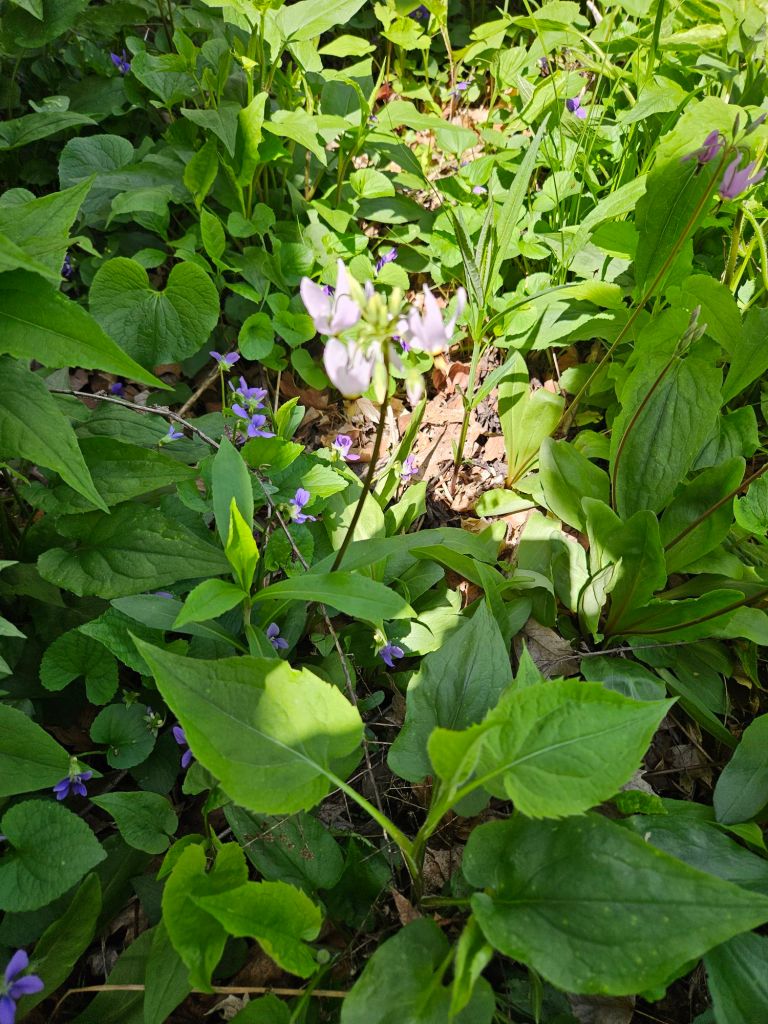
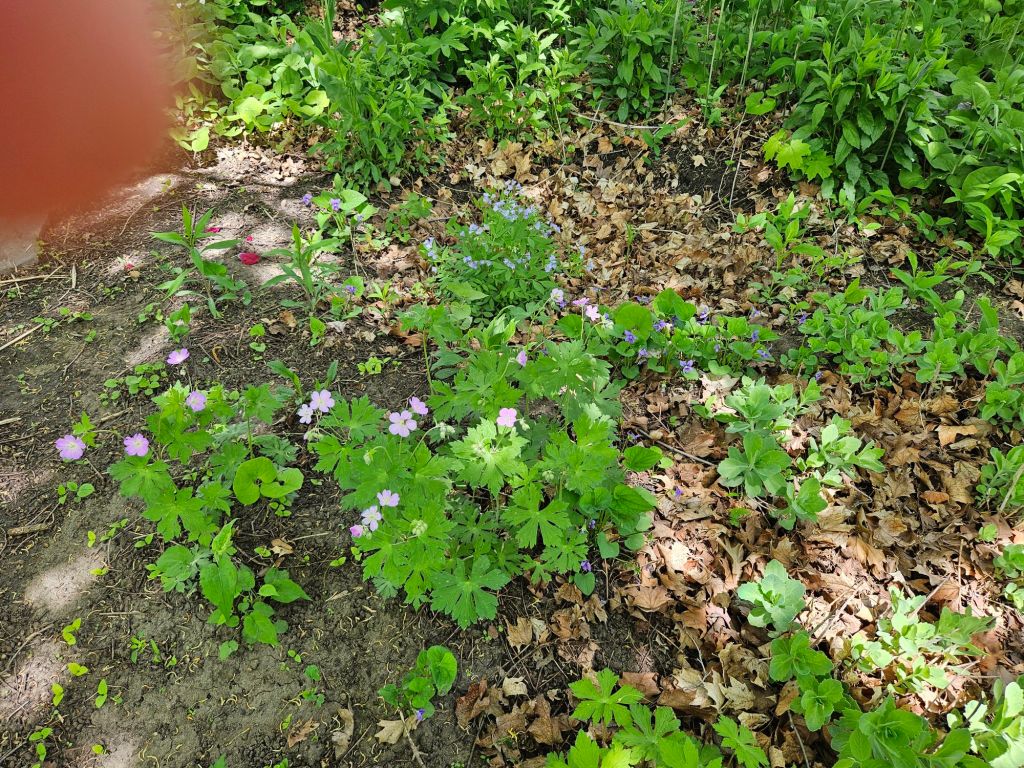
Every day is a wildflower day for me. I plant for the birds, butterflies, and bees and love when they are in my garden. The spring has been spectacular where I live. Trees and bushes are blooming, birds are singing in concert, warblers are migrating through, many butterflies are present, and its sunny and 70 degrees.

The hummingbirds have arrived!

Shooting star , wild geranium, and violets

Marsh Marigolds

Hummingbirds love columbine

It is a perfect time to add some native plants to your garden to draw more birds and butterflies into your yard.

National Wildflower Week was started by Lady Bird Johnson Wildflower Center in Austin, Texas. Find out what wildflowers attract butterflies: http://butterfly-lady.com/plant-native-wildflowers-to…/

Why native plants are important:

  • They are the ecological basis upon which life depends, including birds and people.
  • They provide habitats, food, and shelter for specific insects, birds, mammals, and other animals.
  • They support significantly more wildlife than non-native species.
  • They conserve water, protect soil from erosion, and create habitat for various animals.
  • They offer reduced water use, less maintenance, natural pest control, and environmental sustainability.

Plant Native Wildflowers to Attract Butterflies!

Planet over Plastic

Happy Earth Day!

We all can make a difference by reducing our plastic footprint.

The theme for this year’s Earth Day is Planet VS Plastic. The hazards of plastic are great, and we all need to take steps to reduce the harmful effects of plastic pollution in our environment and bodies.

earth day

What will you do to help our warming planet?

Greenpeace has nothing to do with this post.

Things you should know about plastic:

  1. Plastic is made of fossil fuels and contains many toxic chemicals that are harmful to our health.
  2. These toxic chemicals leach into our food from plastic packaging.
  3. Plastics break down into microplastic. We each consume about a credit card of microplastic a week from our food and environment. These microfibers are found in our lungs, brains, blood and arteries.
  4. When plastic is recycled it becomes more toxic.
  5. 40% of plastic is single-use.
  6. The production of plastic continues to increase.
  7. If plastic were a country, it would be the 5th largest emitter of greenhouse gases. Much of plastic’s pollution affects minorities and people without power.
  8. Clothing with polyester and nylon contain plastic.
  9. The producers of plastic should be held responsible for the harm they create in the environment and our bodies.

By banning the worst forms of single-use plastic, holding plastic producers accountable for their waste, getting wasteful packaging off store shelves, and more — a future beyond plastic is possible.


1. Sandra Laville, “Single-use plastics a serious climate change hazard, study warns,” The Guardian, May 15, 2019.
2. “What do plastics have to do with climate change?” United Nations Development Programme, November 15, 2022.
3. Oliver Milman, “‘Deluge of plastic waste’: US is world’s biggest plastic polluter,” The Guardian, December 1, 2021.
4. “We know plastic pollution is bad — but how exactly is it linked to climate change?,” World Economic Forum, January 19, 2022.
5. “We know plastic pollution is bad — but how exactly is it linked to climate change?,” World Economic Forum, January 19, 2022.
6. “Reducing plastic waste in the states” U.S. PIRG, July 26, 2022.
7. Celeste Meiffren-Swango, Jenn Engstrom and Mark Morgenstein, “Statement: Amazon to phase out single-use plastic shipping bags,” Environment America, July 19, 2023. https://www.youtube.com/watch?v=80Rya-ZOJ7g (microplastics)

Future generations deserve a safe and healthy future, free from the plastic waste crisis — and we can make it happen.

Donate to non-profits working to end plastic pollution:

https://www.bennington.edu/center-advancement-of-public-action/environment-and-public-action/beyond-plastics

Plastic Pollution Coalition

The Story of Stuff https://www.storyofstuff.org/

Ways to reduce your plastic use:

  • Always carry a reusable glass or metal water bottle, and reusable shopping bags with you.
  • Learn to refuse single-use plastics, such as plastic water bottles and coffee cups, straws, plastic bags and plastic utensils. 
  • Purchase fruit and produce in the bulk section, and don’t place items in plastic bags. 
  • Always search out products in glass jars instead of plastic containers. 
  • When you must buy plastic products, choose ones that you can recycle rather than ones you must put in the trash. 
  • Bring your own containers and shop the bulk section of your local food coop.
  • Purchase clothing made from cotton and wool instead of polyester or poly fibers. https://www.npr.org/2023/07/19/1188343293/is-toxic-fashion-making-us-sick-a-look-at-the-chemicals-lurking-in-our-clothes
  • Store food in glass containers instead of plastic.
  • Ditch the baggies!

Tips to fight food waste

Waste less food: Food Waste Prevention Week is April 1-7

One trillion dollars of food is wasted yearly. We can all do better!

People are starving in Gaza, Sudan, Syria and other places in the world, let’s not waste food.

**Why is reducing food waste so important?

It saves Money

Wasting food is expensive. Every year, Americans lose more than $218 billion on wasted food. In Florida, the average family of four throws out around $1,600 worth of food annually. Households are responsible for the most wasted food. If we begin to reduce and prevent food waste, we can save that money that is wasted on spoiled food.

It reduces hunger in our communities

In the US, approximately 40% of all food grown and produced is never eaten. That’s a lot of food wasted that could go to people that don’t have access to food. 1 in 5 people lack consistent access to nutritious food, while up to 3 million tons of wasted food goes to landfills annually. Recovered food provides an additional source of nutritious food.

It protects the environment

Reducing food waste is the #1 personal action to reduce greenhouse gas emissions, while safeguarding critical natural resources. When food is wasted, it goes into a landfill. Once in a landfill, food waste breaks down and emits greenhouse gasses, including carbon dioxide (CO2) and methane (CH4). Methane is 30 times more potent than carbon dioxide, making it more damaging to the environment. If we reduce food waste, we could save the environment from this damage.

What Can I Do?

At home
  • Save leftovers and store/freeze food in portion-ready containers
  • Cook only what is needed for that meal
  • Make one night a weekly “leftover” night to empty the refrigerator before shopping again
  • Audit what you throw away; it will influence your next shopping trip
  • Keep kitchen essentials on hand (grains, spices, sauces) that bring new life to old meals
  • Freeze ripe fruits and vegetables for baking, cooking and filling in gaps in recipes
  • Compost 
At the grocery store
  • Plan menus for the week and prepare a shopping list
  • Stick to your shopping list
  • Match your shopping to the reality of your week
  • Buy smaller quantities, if appropriate, to avoid spoilage and waste
  • Don’t shop hungry
  • Pay in cash so the amount your spending is tangible
  • If you bought items that you won’t use, donate them before the expiration date

At work
  • If you bring a lunch, bring only what you will eat
  • In the case of leftovers, save for the next day, if you have a work refrigerator
  • If you brought too much, share with others
  • If ordering takeout/delivery, save leftovers or share an order
  • Bring leftovers from dinner last night

Check out these resources to reduce food waste and spread the word with your community, https://stopfoodwaste.ecochallenge.org 

**This information is from the city of Minneapolis and Hennepin County

https://www.ecowatch.com/global-food-waste-un-report.html

Contribute to Peace

I’m for anything that is peaceful and kind. Get outside in March and please contribute peace to a Mindful March

Mindfulness helps us respond more wisely, especially in difficult times. So let’s pause, breathe and choose to live mindfully this month. By cultivating inner peace we can contribute to peace in the world around us too.

Look for beauty and live with awareness and kindness every day!